Modern manufacturing complexes operate under strict environmental mandates while managing intricate utility infrastructure demands. Establishing a unified wastewater management system serves as essential infrastructure for multi-tenant commercial facilities, completely transforming how industrial sites manage effluent collection, purification, and regulatory reporting. Instead of allowing individual manufacturers to run independent treatment units, deploying a central wastewater management system drives exceptional operational efficiency, unifies compliance frameworks, and cuts overhead expenses across entire industrial parks.
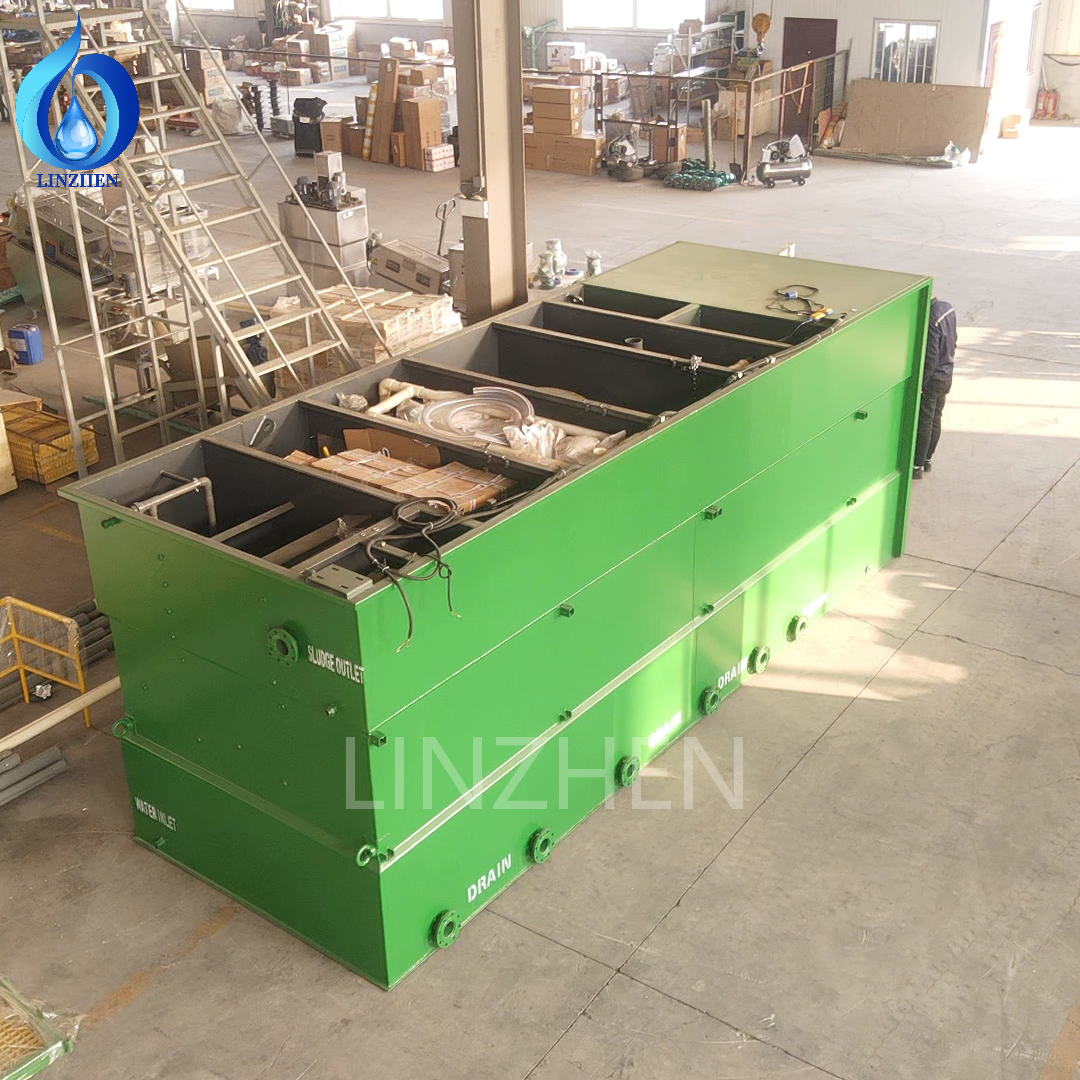
Industrial zones frequently house diverse manufacturing, chemical processing, food manufacturing, and textile facilities within shared real estate boundaries. Without coordinated utility planning, every tenant carries full responsibility for localized pre-treatment, continuous water monitoring, and off-site disposal—creating operational bottlenecks and fragmented environmental oversight. Integrating a scalable wastewater management system consolidates these core functions, establishing uniform purification standards while helping park managers lower initial capital investment and ongoing operating costs.
Shared Infrastructure and Total Cost Optimization
Consolidating Utility Assets via a Central Wastewater Management System
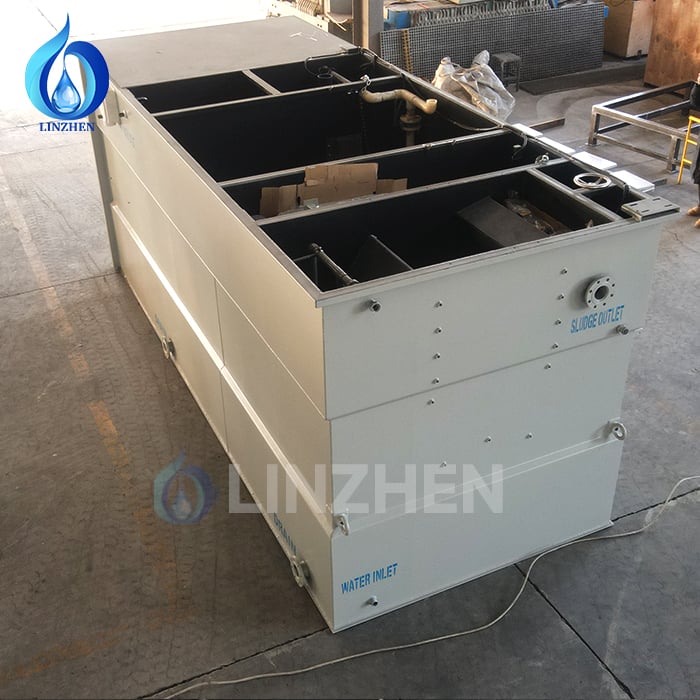
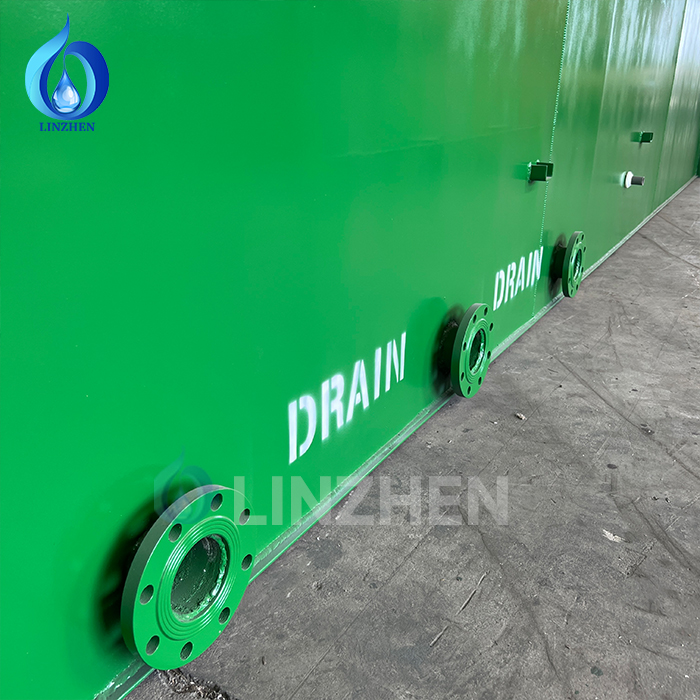
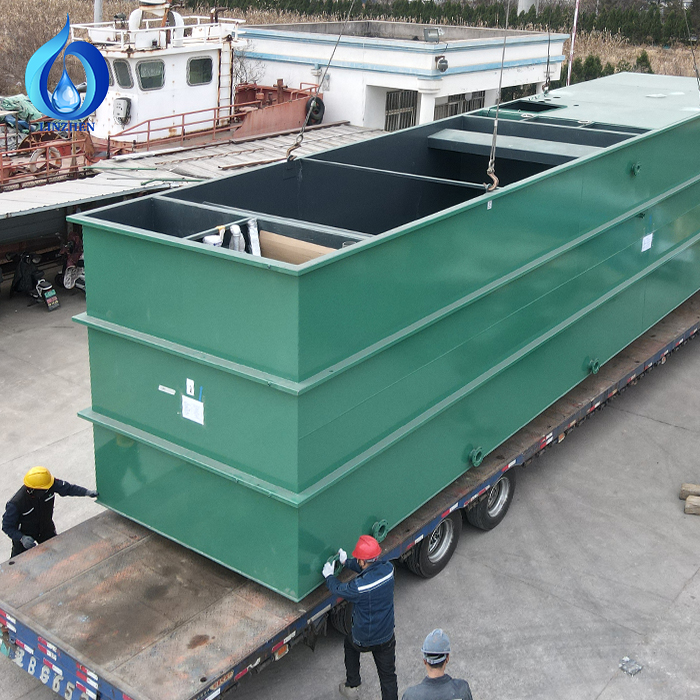
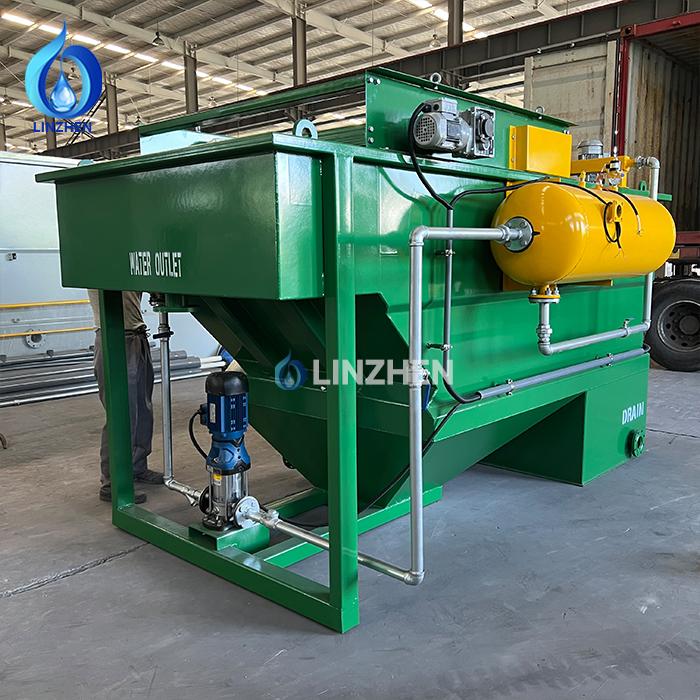
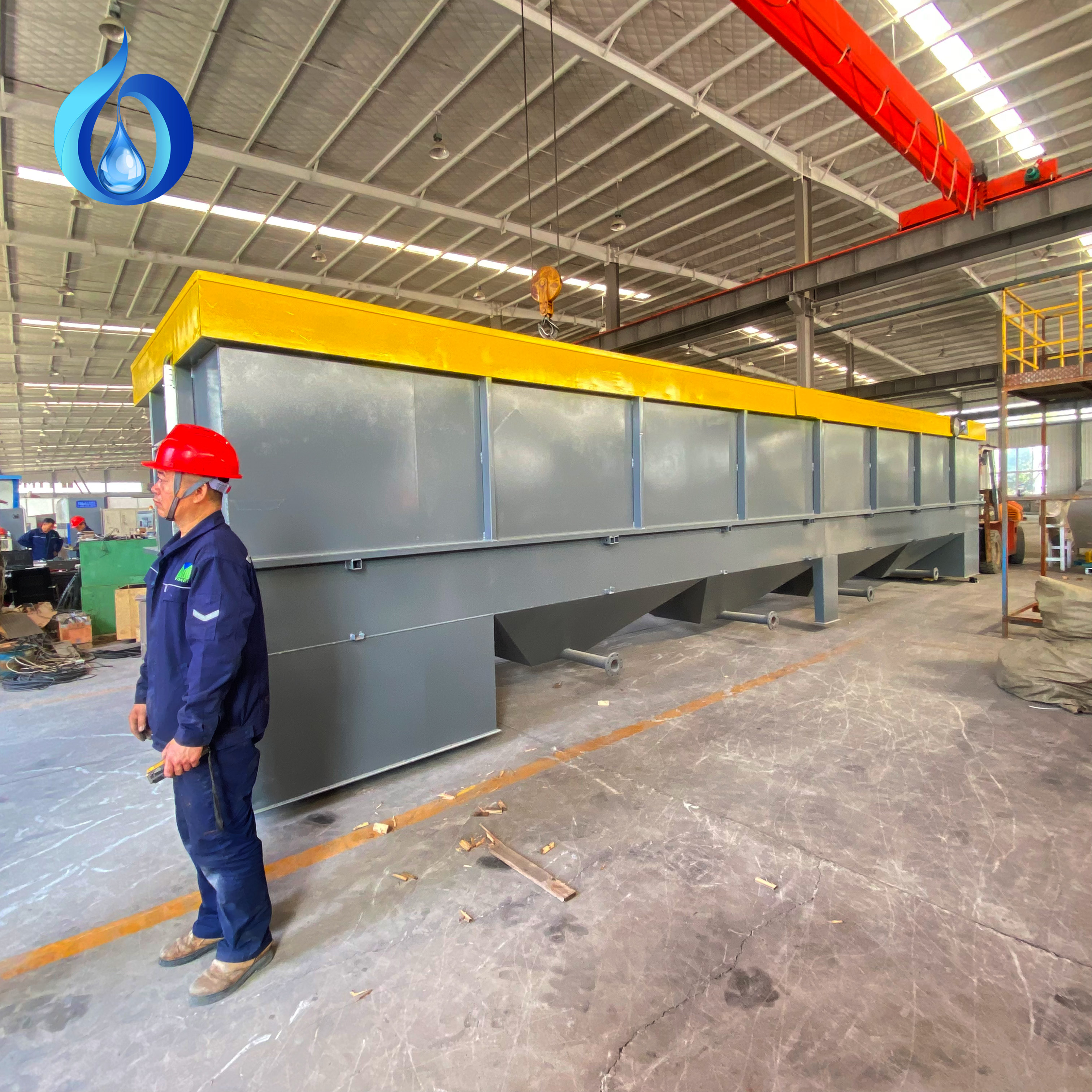
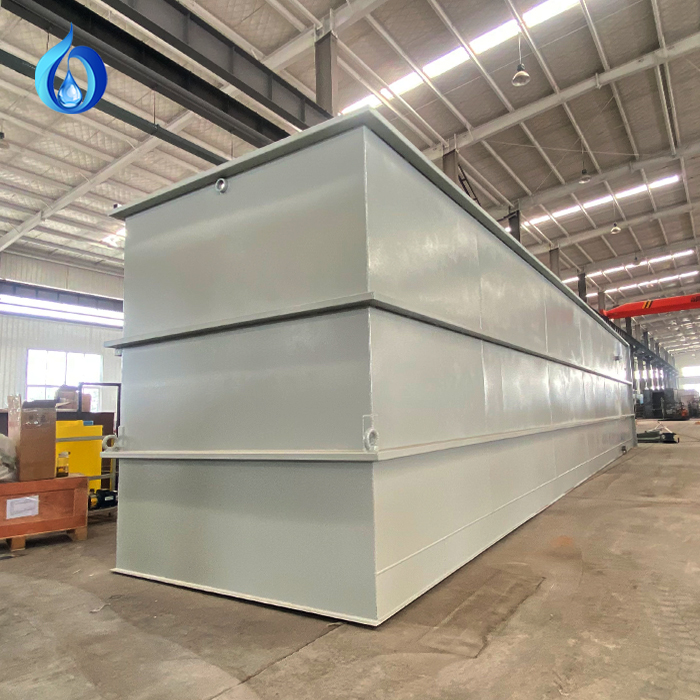
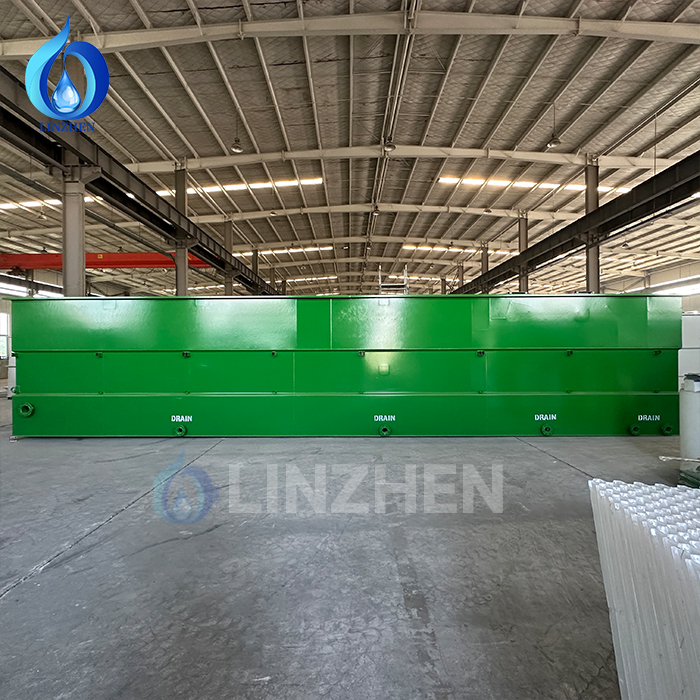
Implementing a master-planned wastewater management system across an industrial site enables shared purification facilities, replacing isolated, redundant machinery across individual tenant spaces. This consolidated approach eliminates duplicate pumps, aeration basins, chemical dosing setups, and specialized maintenance crews. A master-engineered wastewater management system routes all incoming streams through optimized biological, chemical, and physical separation stages, maximizing contaminant removal while lowering per-tenant capital expenditure and total facility operating expenses.
Significant financial scale benefits emerge when comparing shared infrastructure against fragmented treatment models. An integrated wastewater management system supporting 50 manufacturing facilities operates with far greater energy and chemical efficiency than 50 independent filtration setups, each bearing standalone power draws, chemical supply lines, sludge handling fees, and dedicated personnel. Facility developers achieve up to 50 percent reductions in total water processing expenditures when replacing dispersed equipment with a consolidated wastewater management system network.
Predictive Asset Maintenance and Automated System Control
A professionally monitored wastewater management system operates through structured maintenance schedules, predictive servicing protocols, and continuous digital telemetry rather than reactive emergency fixes. Site management engages certified technical teams specializing in water chemistry, pump mechanics, and process diagnostics. This proactive operational model prevents unexpected mechanical failures, minimizes unplanned factory downtime, and extends equipment service life across the primary wastewater management system installation.
Real-time process control software embedded within modern wastewater management system architecture continuously tracks influent flow rates, pollutant loads, chemical dosing ratios, and energy draw. Process engineers can fine-tune operating parameters dynamically, adjusting air flow and chemical feed rates to maintain efficiency—modifications that would be impossible across dozens of isolated plants. Data-driven process automation reduces chemical usage, electricity draw, and overall operational complexity across the wastewater management system network.
Regulatory Permitting, Environmental Governance, and Risk Control
Streamlining Discharge Permits with a Unified Wastewater Management System
Environmental authorities mandate comprehensive discharge permits specifying allowable chemical oxygen demand, heavy metal limits, and monitoring standards for industrial facilities. A consolidated wastewater management system merges incoming streams into a single regulated discharge point, simplifying interactions with regulators and reducing administrative burdens for facility managers. Rather than maintaining dozens of distinct permits with conflicting standards, a single wastewater management system discharge agreement brings operational clarity, minimizes non-compliance risks, and streamlines mandatory environmental reporting.
Environmental regulators strongly favor centralized wastewater management system architectures because they deliver consistent environmental protection. A master-planned wastewater management system maintains stable purification performance, reliably satisfies legal effluent thresholds, and provides automated monitoring transparent to authorities. This structural advantage accelerates project approval timelines while strengthening the facility's legal standing and environmental reputation.
Tenant Oversight and Upstream Contaminant Control
A central wastewater management system establishes clear responsibility boundaries between park administration and individual tenants regarding discharge quality. Industrial occupants must abide by pretreatment rules designed to shield the shared wastewater management system from aggressive or hazardous chemicals. This contractual arrangement encourages pollution reduction at the source, preventing facilities from discharging problematic compounds into public or shared infrastructure.
Advanced monitoring stations along the wastewater management system pipeline quickly pinpoint non-compliant discharges, enabling park directors to enforce lease covenants and safeguard core treatment equipment. This rigorous quality screening prevents pipe corrosion, biological culture disruption, or system overloads that could imperil overall site compliance. By unifying accountability through a central wastewater management system, industrial parks maintain robust environmental protection while safeguarding shared assets.
Commercial Value Creation and Resource Recovery Capabilities
Boosting Real Estate Asset Value and Tenant Recruitment
Industrial developments featuring fully integrated wastewater management system assets gain major competitive advantages when recruiting global manufacturing tenants. Sourcing executives recognize that an established wastewater management system eliminates major upfront machinery investments, simplifies regulatory compliance, and provides predictable operational fees. This turnkey convenience makes properties highly attractive to water-intensive sectors, including pharmaceutical production, food processing, specialty chemicals, and high-tech manufacturing.
Maintaining an advanced wastewater management system enhances overall property valuation during institutional appraisals or sales transactions. Environmental remediation liabilities represent significant risks during commercial real estate investments. Sites demonstrating fully compliant wastewater management system infrastructure and proactive environmental management significantly minimize investment risk, commanding premium lease rates and superior property valuations.
Future-Proofing Through Water Recycling and Resource Recovery
Manufacturing processes undergo continuous shifts as companies introduce new product lines or adjust to changing market demands. A centralized wastewater management system can be upgraded, expanded, or modified to process new contaminant profiles without disrupting tenant production facilities. This architectural adaptability proves vastly superior to isolated treatment units, where individual equipment retrofits trigger expensive construction delays.
Escalating regional water scarcity and sustainability goals motivate industrial developments to adopt water reuse and resource recovery practices. Modern wastewater management system designs integrate membrane filtration, reverse osmosis, and thermal concentration units to reclaim purified water for cooling towers, boiler feed, and non-potable utility needs. Converting liquid waste into reusable water turns a continuous utility expense into an economic resource, establishing sustainable market leadership for the entire industrial facility.
FAQ
What specific contaminants should a centralized wastewater management system remove?
A complete wastewater management system removes total suspended solids, chemical oxygen demand, nitrogen compounds, phosphorus, heavy metals, oils, and synthetic organics. Designing an effective wastewater management system involves multiple treatment stages—including primary screening, biological digestion, secondary clarification, and tertiary polishing—to guarantee compliance across diverse tenant waste streams.
How do engineers determine the sizing for an industrial park wastewater management system?
Engineering teams size a wastewater management system by evaluating cumulative daily flow, peak hourly surges, and specific chemical contaminant loads across all connected tenants. Sophisticated wastewater management system designs incorporate flow equalization basins and flexible treatment modules that comfortably absorb volume spikes while maintaining stable effluent quality over 10 to 20-year expansion horizons.
Can existing industrial facilities retrofit a central wastewater management system?
Yes, retrofitting a central wastewater management system into established industrial properties is widely practiced through phased engineering. Project teams evaluate underground utility paths, tenant connection points, and temporary flow diversion strategies. Transitioning to a centralized wastewater management system allows existing industrial parks to modernize infrastructure and reduce long-term operating costs without interrupting ongoing manufacturing operations.
 EN
EN