Industrial operations generate complex wastewater streams that vary dramatically in volume and chemical composition throughout the production day. A reliable industrial wastewater treatment system must be engineered to absorb these sudden fluctuations without process failure, equipment damage, or regulatory discharge violations. Shock loads—sudden spikes in incoming flow rate, organic concentration, or toxic compound levels—can overwhelm treatment reactors, disrupt biological activity, and bypass contaminants into the discharge stream if the industrial wastewater treatment system lacks adequate buffering capacity. Understanding why shock load buffering matters is essential for facility managers, environmental eng
Industrial operations generate complex wastewater streams that vary in volume and chemical composition throughout the production day. A reliable industrial wastewater treatment system must be engineered to absorb sudden fluctuations without process failure, equipment damage, or regulatory violations. Shock loads—sudden spikes in incoming flow, organic concentration, or toxic compounds—can overwhelm reactors and disrupt biological activity if the industrial wastewater treatment system lacks shock load buffering. Understanding why shock load buffering matters is essential for facility managers and environmental engineers responsible for compliance and operational cost control.
Without proper shock load buffering, even a well-designed industrial wastewater treatment system operates inefficiently and faces mechanical wear. Biological reactors require stable conditions to maintain active microbial populations; organic surges can kill essential microbes or disrupt biological balance. Equalization tanks and flow-balancing mechanisms act as vital buffers within an industrial wastewater treatment system, storing excess flow and utilizing controlled release to smooth peak demands. This article explains the rationale behind shock load buffering, how system sizing prevents process failure in an industrial wastewater treatment system, and why hydraulic flow balancing and organic load calculation are essential design priorities.
System Capacity Sizing and Shock Load Protection
Proper industrial wastewater treatment system design begins with characterizing the facility's full operating range. Peak hourly flow rates, organic load variations, and worst-case chemical spills define the upper-bound scenarios an industrial wastewater treatment system must handle. System capacity sizing establishes storage volume, reaction time, and hydraulic retention that allow an industrial wastewater treatment system to absorb peak surges without overflowing equalization basins or forcing raw wastewater bypass.
Shock loads from batch discharges or cleaning operations can introduce 3 to 10 times the average flow rate within minutes. If an industrial wastewater treatment system lacks robust shock load buffering, this surge either floods the treatment train or overwhelms biological reactors. Undersized buffer tanks force operators to reduce influent rates or sacrifice performance. Properly calibrated sizing allocates sufficient volume to absorb transient loads, allowing downstream units in the industrial wastewater treatment system to operate at steady design rates.
Equalization Tank Design in the Industrial Wastewater Treatment System
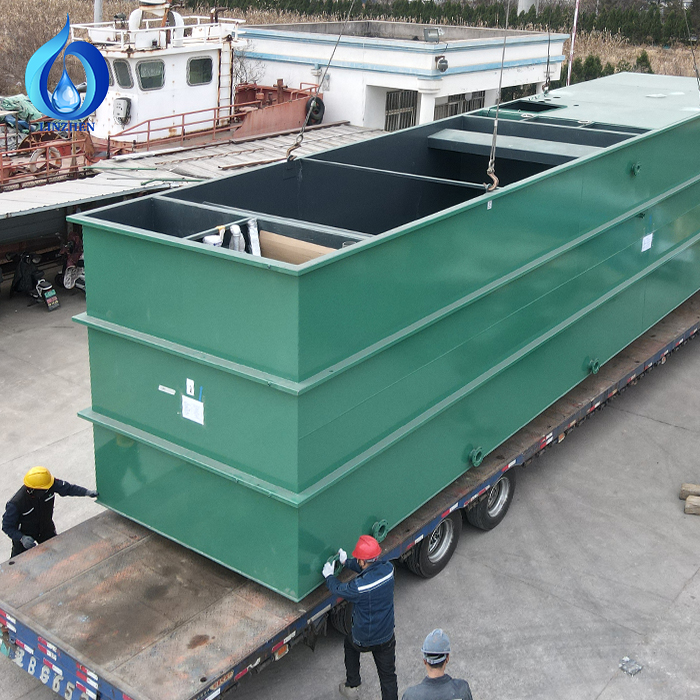
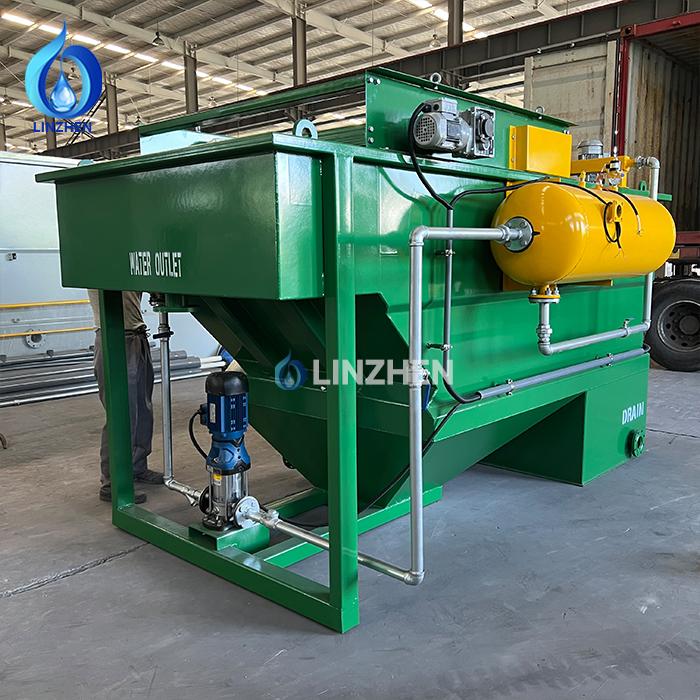
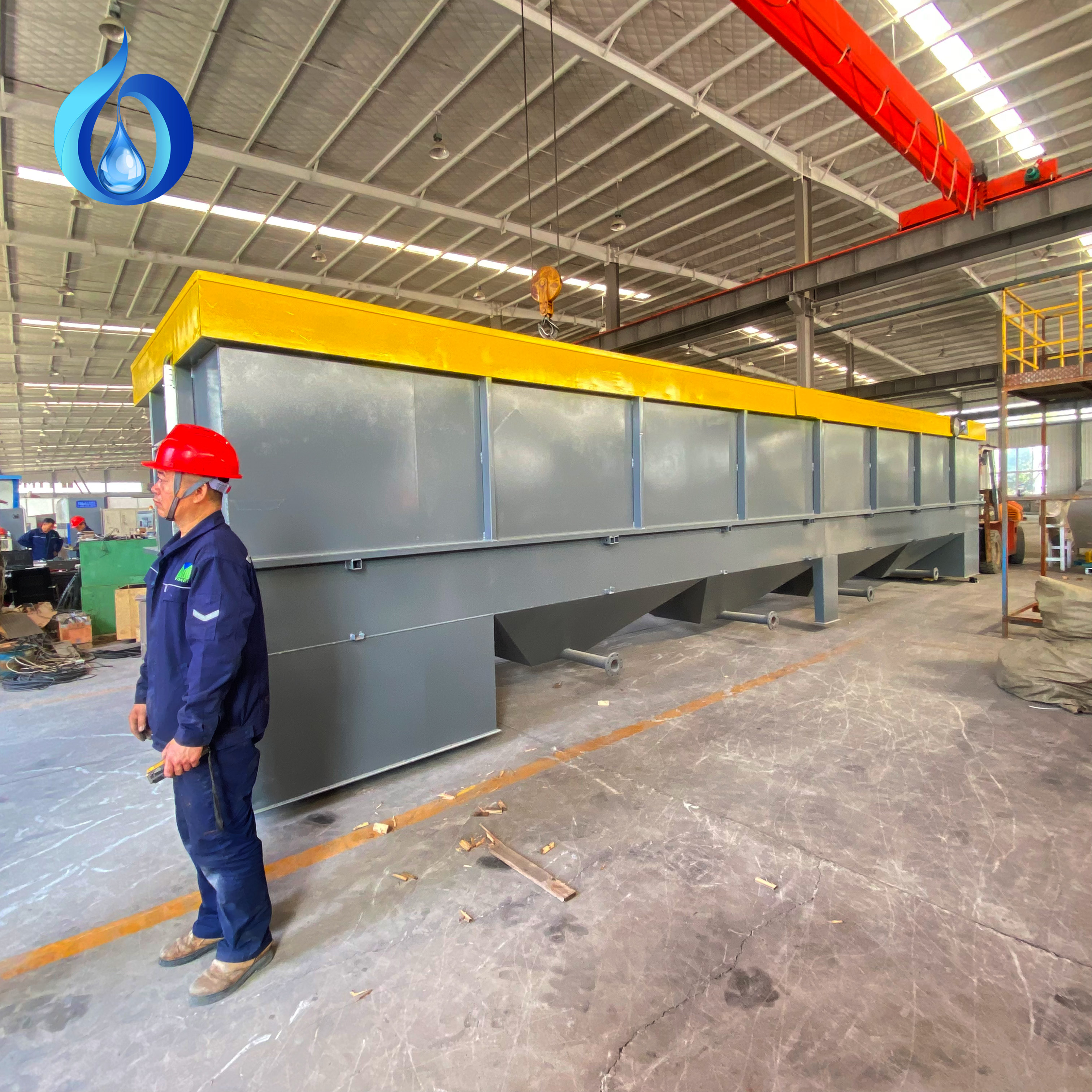
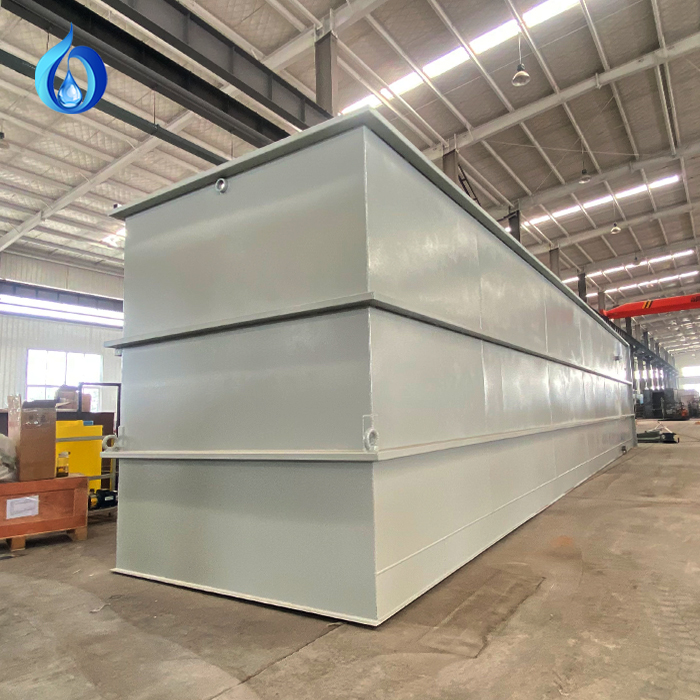
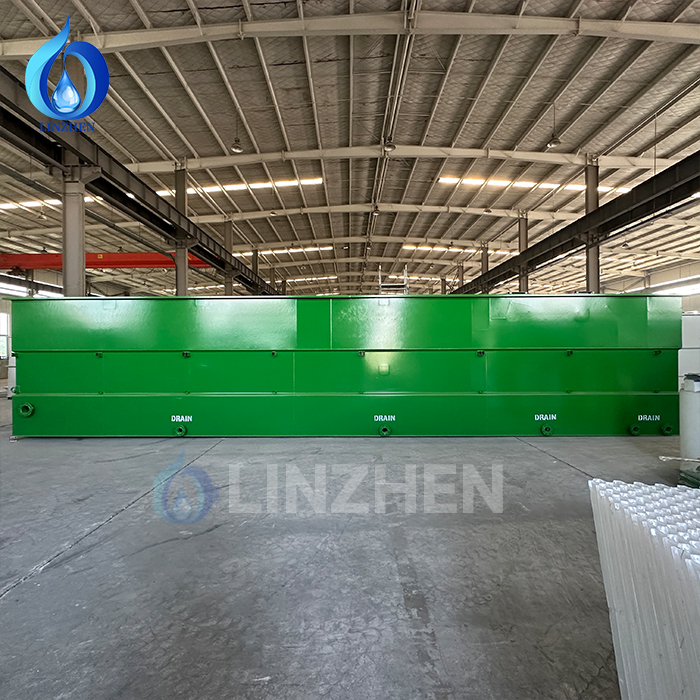
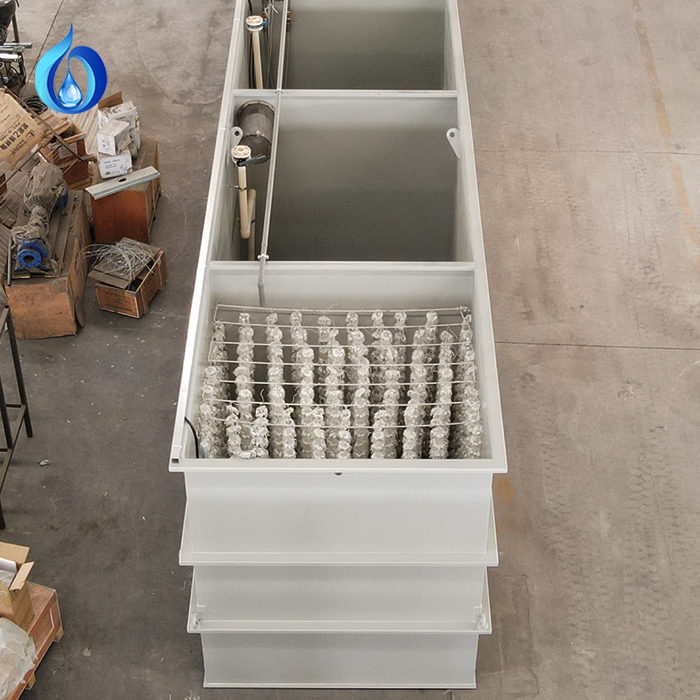
An effective equalization tank design provides the first-stage buffer in shock load management for an industrial wastewater treatment system. These tanks collect incoming wastewater during peak flows, storing the volume for gradual, controlled release to biological units. The tank volume must accommodate peak loads between inflow and the stable outflow rate the industrial wastewater treatment system can sustain. Undersized capacity forces the industrial wastewater treatment system to bypass excess flow, compromising compliance. Mixing within the equalization tank design prevents solids settling and maintains uniform composition before downstream treatment.
Detention Time Allocation for Industrial Wastewater Treatment Systems
System capacity sizing must allocate hydraulic detention time across equalization, biological treatment, and clarification stages. During normal operations, flow passes through all stages of the industrial wastewater treatment system at design retention times. During shock loads, the equalization tank design allows biological reactors to maintain steady-state conditions while peak flow is smoothed over several hours. This prevents the industrial wastewater treatment system from experiencing metabolic stress, floc washout, or effluent deterioration during severe flow surges.
Hydraulic Flow Balancing Mechanisms
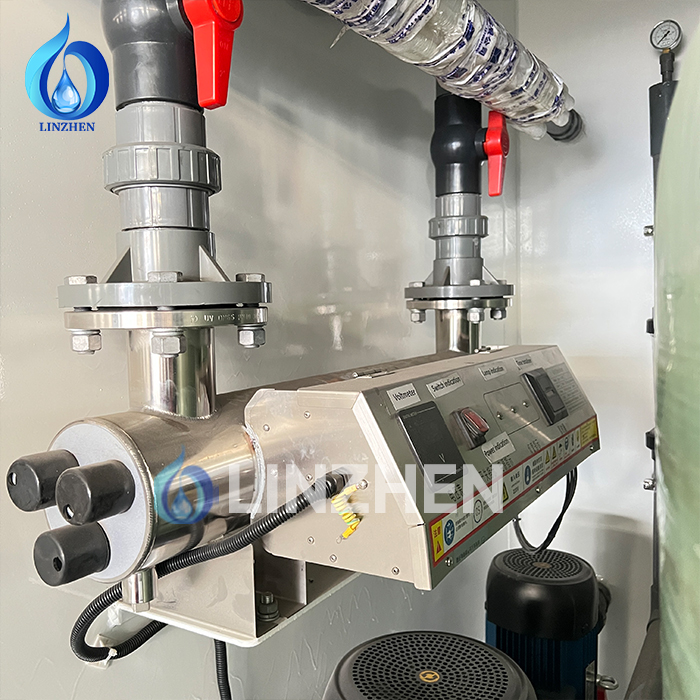
Active hydraulic flow balancing ensures consistent throughput to treatment reactors despite varying influent rates. An industrial wastewater treatment system employs weirs, overflow structures, and controlled pump discharge rates to distribute wastewater smoothly through each treatment stage. Without effective hydraulic flow balancing, surges create dead zones and short-circuiting, reducing effective treatment volume in the industrial wastewater treatment system and allowing untreated contaminants to escape.
Overflow weirs in equalization tanks maintain constant discharge rates to downstream units regardless of inflow fluctuations. This self-regulating hydraulic flow balancing prevents surges from reaching biological reactors at uncontrolled rates. Advanced industrial wastewater treatment system designs use automated pump discharge control or magnetic flow meters to refine flow distribution, especially in manufacturing plants with variable production schedules.
Flow Distribution and Pump Control in the Industrial Wastewater Treatment System
After hydraulic flow balancing equalizes inflow rates, the industrial wastewater treatment system distributes this balanced stream across multiple treatment reactors. Equal distribution prevents overload in individual reactors. Variable-frequency drives and level-based pump controls enhance hydraulic flow balancing in an industrial wastewater treatment system by modulating discharge rates based on tank levels. This automated control maintains constant hydraulic flow balancing through the industrial wastewater treatment system even during severe production fluctuations.
Organic Load Calculation and Biological Stability
Beyond hydraulic volume, an industrial wastewater treatment system must manage organic load calculation to prevent biological reactor upset. Organic load refers to the mass of biodegradable nutrients entering the system per unit time. Shock loads are most dangerous when they combine high flow volume and elevated organic concentration. Proper organic load calculation ensures that reactor volume and aeration capacity within the industrial wastewater treatment system can sustain biological treatment under worst-case organic surges.
The organic load calculation begins with characterizing incoming wastewater composition (COD, BOD5, TSS). An industrial wastewater treatment system's organic load calculation multiplies pollutant concentration by flow rate to determine daily mass loading (kg/day). Biological reactors are designed to handle the 90th or 95th percentile organic load, ensuring that shock loads entering the industrial wastewater treatment system remain within microbial capacity. Applying a safety factor of 1.5 to 2.0 to the organic load calculation provides essential shock load buffering for the entire industrial wastewater treatment system.
FAQ
What happens if an industrial wastewater treatment system has no equalization tank?
Without an equalization tank design, shock loads pass directly to biological reactors, causing metabolic upset and biomass washout. An industrial wastewater treatment system without shock load buffering cannot maintain steady-state conditions, leading to compliance violations and operational shutdowns.
How does hydraulic flow balancing differ from organic load calculation in shock load protection?
Hydraulic flow balancing manages wastewater volume and flow distribution to prevent reactor overflow. An organic load calculation manages the mass of organic pollutants entering the industrial wastewater treatment system to prevent biological inhibition. Both are required for complete shock load buffering.
Can system capacity sizing eliminate the need for shock load buffer tanks in an industrial wastewater treatment system?
No. System sizing increases reactor volume, but equalization tank design remains essential for shock load buffering. Equalization tanks smooth peak flows and protect biological reactors in an industrial wastewater treatment system from transient process upset.
 EN
EN