Operating an aging sewage treatment plant modernization presents mounting operational challenges, regulatory pressures, and rising costs that make modernization increasingly critical for municipalities and industrial operators. A sewage treatment plant that relies on outdated aeration technology and conventional sludge handling methods consumes excessive energy, generates compliance risks, and delivers suboptimal treatment quality. The decision to refresh an old sewage treatment plant with fine-bubble aeration technology and advanced sludge management systems addresses these fundamental performance gaps while positioning the facility for sustainable, long-term operation.
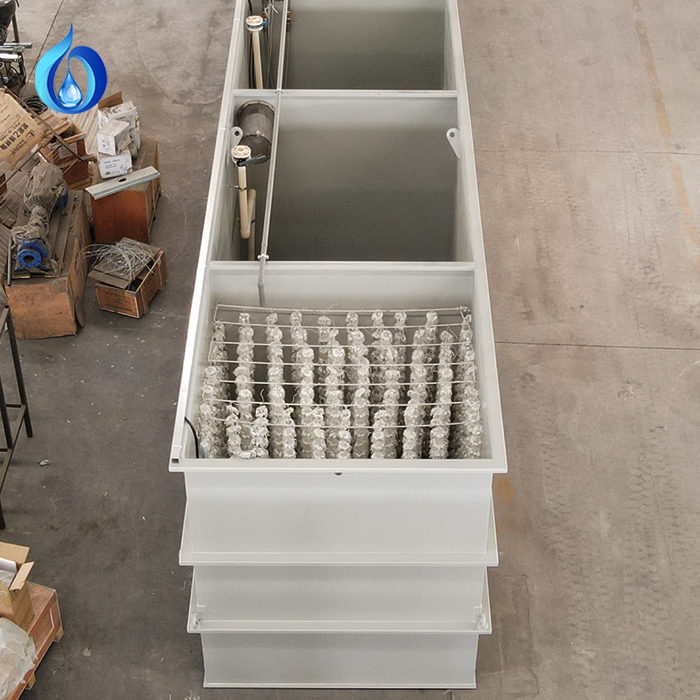
Upgrading a sewage treatment plant is not merely about replacing worn equipment; it represents a strategic investment in treatment reliability, environmental stewardship, and financial optimization. Modern fine-bubble aeration systems and integrated sludge management solutions transform how a sewage treatment plant performs, reducing operational footprint while improving effluent quality and regulatory compliance. This comprehensive wastewater infrastructure upgrade addresses both immediate operational shortcomings and long-term sustainability demands facing wastewater utilities worldwide.
Energy Efficiency and Operating Cost Reduction
Why Energy Consumption Drives Modernization Decisions
Older sewage treatment plant systems typically employ coarse-bubble aeration, where large air bubbles rise through treatment tanks with minimal oxygen transfer efficiency. This inefficient design forces the sewage treatment plant to operate aeration blowers at maximum capacity to achieve target dissolved oxygen levels, consuming 30 to 50 percent more electrical energy than modern alternatives. Fine-bubble aeration technology dramatically improves oxygen transfer rates, enabling a sewage treatment plant to maintain required treatment performance while reducing blower runtime and energy consumption by 25 to 40 percent.
Lifecycle Cost Benefits of Fine-Bubble Technology
The energy savings achieved through upgrading a sewage treatment plant aeration system typically translate to annual operational cost reductions of 15 to 25 percent, depending on facility size and local electricity rates. Over a 20-year operational horizon, a modernized sewage treatment plant equipped with fine-bubble aeration recovers upgrade capital investment through energy savings alone. Additionally, improved oxygen transfer reduces the biological stress on treatment microorganisms, decreasing the frequency of equipment failures and maintenance interventions that disrupt normal sewage treatment plant operations and inflate operating budgets.
Regulatory Compliance and Treatment Quality Enhancement
Meeting Stricter Environmental Standards
Regulatory agencies worldwide have progressively tightened discharge standards for nitrogen, phosphorus, and suspended solids, requiring sewage treatment plant operators to achieve treatment performance levels that older facilities cannot reliably deliver. A modern sewage treatment plant equipped with fine-bubble aeration and advanced sludge management systems achieves superior treatment quality, enabling consistent compliance with current and anticipated future permit requirements. This compliance assurance eliminates the operational risk of permit violations, which carry substantial financial penalties and reputational damage for municipalities and industrial operators undertaking a wastewater infrastructure upgrade.
Improved Effluent Quality and Process Stability
Fine-bubble aeration creates more uniform oxygen distribution throughout treatment tanks, stabilizing microorganism populations and improving the biological degradation of organic compounds and nutrients. A refreshed sewage treatment plant maintains more consistent effluent quality across seasonal variations in influent composition and loading, reducing permit exceedances and enhancing environmental protection. Advanced sludge management systems also improve solids handling and stabilization, reducing odor emissions and producing biosolids reuse opportunities, which enhances the overall environmental performance of the sewage treatment plant.
Sludge Management Modernization and Biosolids Value
Why Sludge Treatment Drives Facility Upgrades
Conventional sludge handling in aging sewage treatment plant facilities often relies on inefficient thickening and dewatering processes that generate excessive sludge volume for disposal. Modern sludge treatment technologies integrated with a refreshed sewage treatment plant reduce sludge volume by 20 to 40 percent through improved thickening, stabilization, and dewatering efficiency. This volume reduction directly lowers disposal costs while reducing the environmental footprint associated with biosolids transportation and ultimate disposition, making advanced sludge management a major financial driver for sewage treatment plant modernization projects.
Biosolids Reuse Potential and Market Value
When a sewage treatment plant is upgraded with advanced sludge stabilization systems, the resulting materials meet quality standards for biosolids reuse in agricultural, horticultural, and land reclamation applications. This biosolids reuse market opportunity converts what was previously a disposal cost into a revenue-generating asset for the sewage treatment plant operator. The financial benefit of biosolids reuse marketing, combined with reduced disposal expenses, provides substantial economic justification for sewage treatment plant modernization capital investments. Many operators view a comprehensive sewage treatment plant upgrade as the first step toward achieving zero-waste operations.
Future-Proofing Infrastructure Investment
Extending Facility Lifespan Through Modernization
Strategic upgrades to a sewage treatment plant address deteriorating equipment and aging infrastructure before failures cascade into expensive emergency repairs or facility shutdowns. Fine-bubble aeration systems and modern sludge handling equipment represent proven, reliable technology platforms with established performance track records across diverse operational environments. By refreshing core treatment processes, a sewage treatment plant operator establishes a solid foundation for reliable operations for 15 to 25 additional years, substantially extending the facility's productive life through a comprehensive wastewater infrastructure upgrade.
Flexibility for Future Regulatory Changes
Designing a sewage treatment plant modernization project with modular, flexible treatment technology enables operators to adapt process configurations as regulatory requirements evolve. Modern control systems and integrated monitoring transform how a sewage treatment plant responds to changing influent conditions and regulatory demands, supporting continuous optimization rather than periodic reactive upgrades. This adaptive capacity protects municipal and industrial operators from the risk of becoming stranded with inflexible infrastructure unable to meet anticipated future standards during any wastewater infrastructure upgrade.
FAQ
What timeline should operators expect for a sewage treatment plant modernization project?
A comprehensive sewage treatment plant modernization project typically requires 12 to 24 months from planning through full operational startup, depending on project scope, facility size, and permitting complexity. Planning and design phases usually span 4 to 8 months, followed by equipment procurement and facility construction lasting 8 to 16 months. Phased implementation strategies allow operators to upgrade specific sewage treatment plant process trains sequentially, maintaining partial treatment capacity during construction.
How do fine-bubble systems compare to other aeration technologies in a sewage treatment plant?
Fine-bubble aeration diffusers achieve oxygen transfer efficiency of 15 to 25 percent, compared to 3 to 5 percent for coarse-bubble systems in a standard sewage treatment plant. While surface aerators and mechanical mixers offer some advantages in specific applications, fine-bubble aeration delivers superior energy efficiency and oxygen transfer consistency across the range of treatment demands typical for municipal and industrial sewage treatment plant operations.
Can existing sewage treatment plant infrastructure accommodate fine-bubble aeration retrofits?
Most existing sewage treatment plant treatment tanks can be retrofitted with fine-bubble aeration systems by replacing older aeration equipment while retaining tank structures. Fine-bubble aeration installation requires assessment of tank condition, piping configuration, and diffuser membrane durability to ensure compatibility with the existing sewage treatment plant modernization plan.
 EN
EN