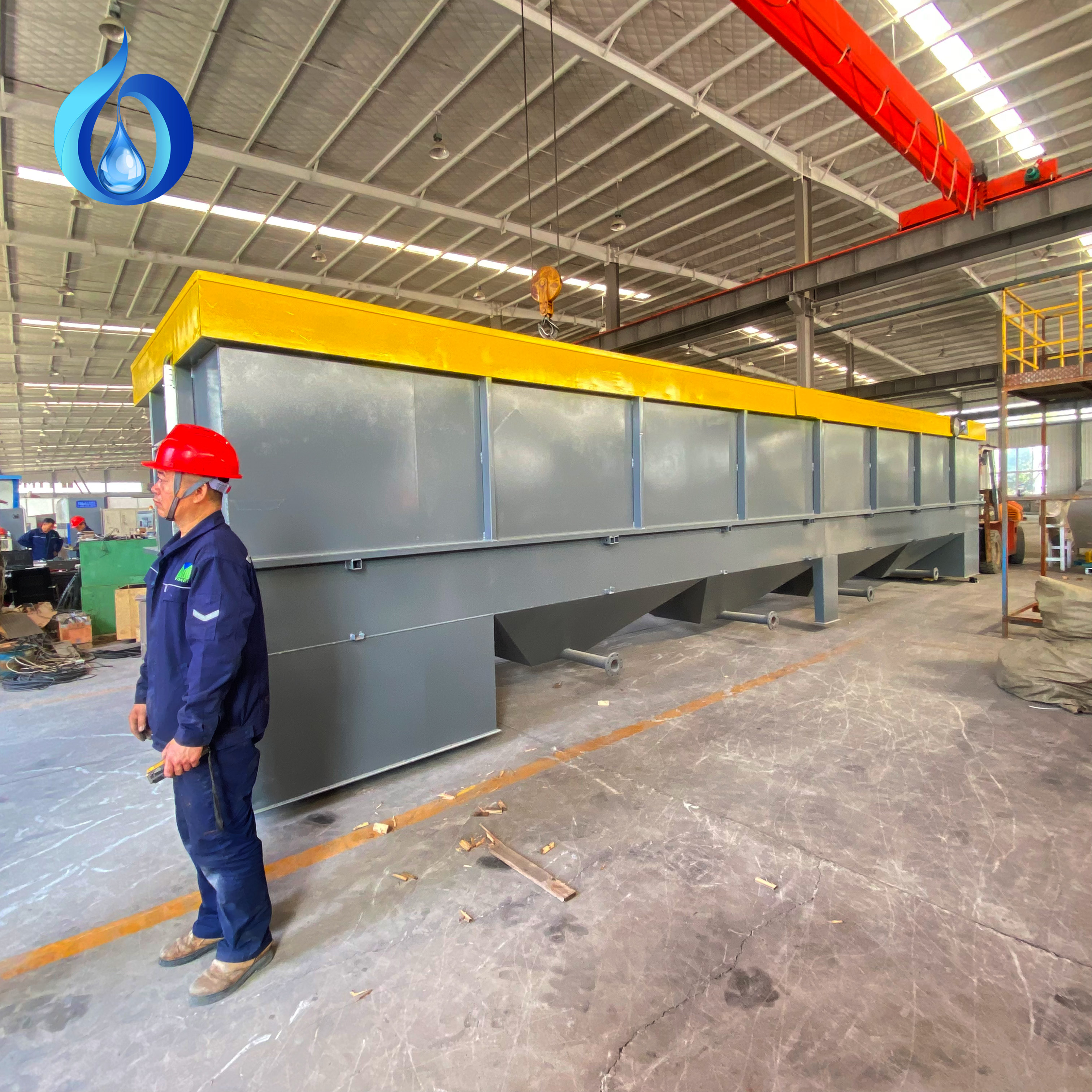
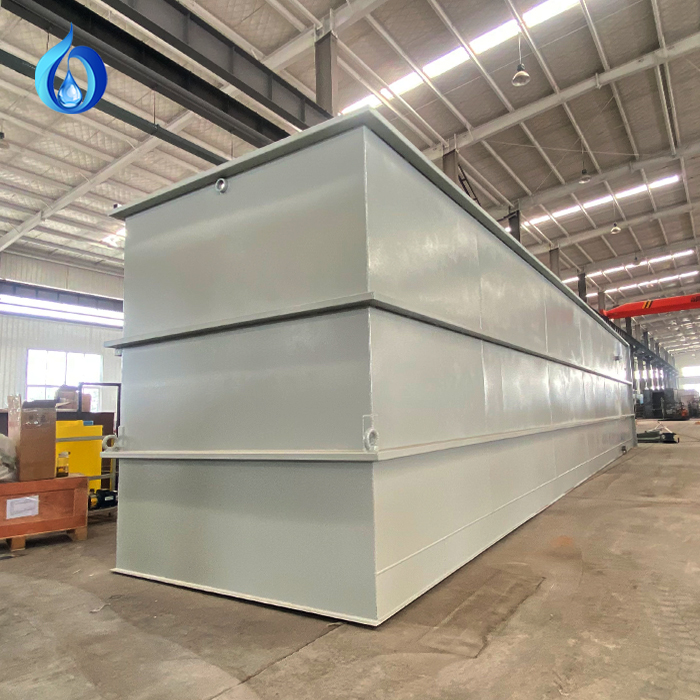
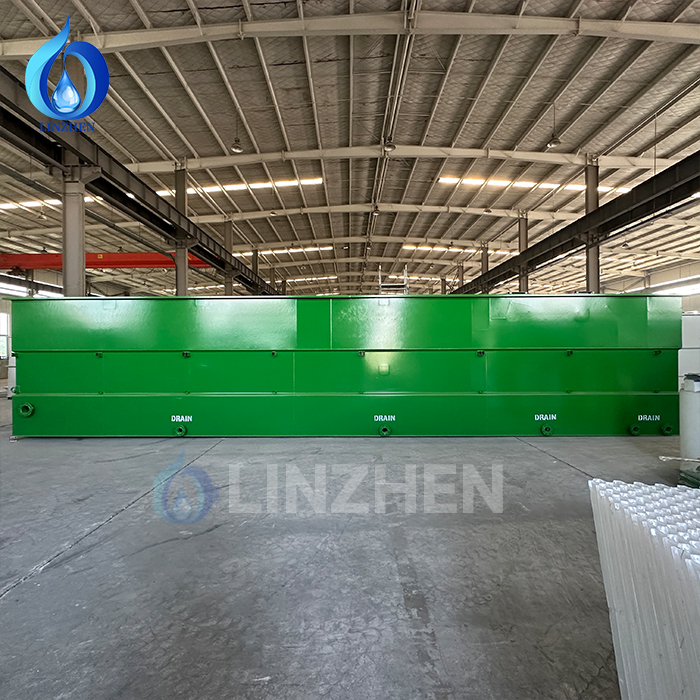
Microbial decomposition forms the backbone of modern municipal and industrial pollution control. However, running an effective biological wastewater treatment facility in freezing environments introduces severe operational obstacles that threaten effluent compliance. Cold water significantly impedes bacterial kinetics, reduces enzymatic reaction rates, and hinders organic contaminant breakdown. Facility managers implementing cold climate wastewater treatment must prioritize precise thermal management to avoid process failures. Applying target wastewater temperature control ensures stable pollutant digestion, prevents capacity loss, and guarantees reliable discharge performance throughout harsh winter months.
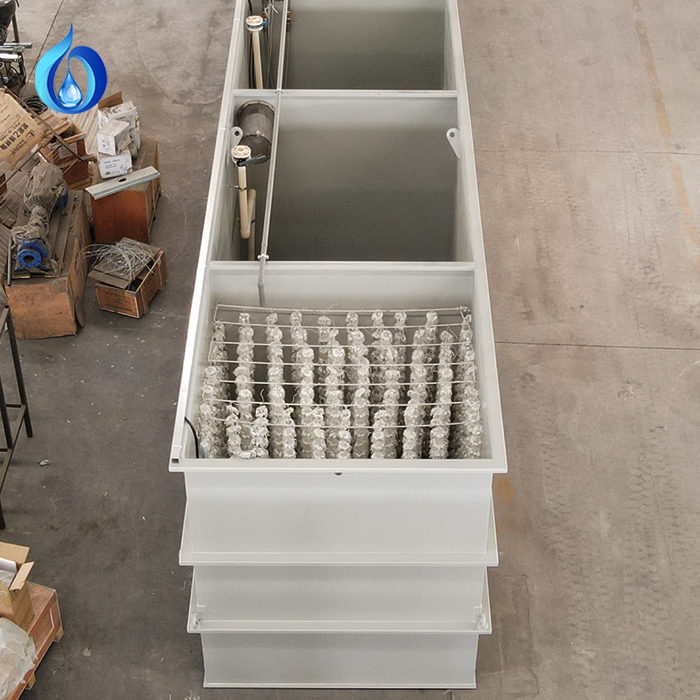
Low ambient temperatures disrupt metabolic equilibrium within aeration tanks, slowing down the breakdown of complex carbon compounds. Most municipal and industrial systems rely on specialized mesophilic bacteria wastewater communities that require liquid temperatures above 20°C to function at peak efficiency. When incoming influent drops below critical thresholds, biological reaction rates decrease dramatically, leaving unreacted contaminants in the discharge stream. Designing robust wastewater heating strategies empowers operators to shield sensitive microbial biomass from sudden thermal drops, maintaining process efficiency during low-temperature periods.
Thermal Sensitivity of Wastewater Microorganisms
Metabolic Slowdown in Cold Biological Systems
The biochemical kinetics of biological wastewater treatment depend directly on intracellular enzyme activity. As wastewater temperatures fall, kinetic energy within cellular structures decreases, causing metabolic processing speeds to collapse. For every 10-degree drop in fluid temperature, microbial substrate conversion rates fall by roughly half. This sharp decline in performance during cold climate wastewater treatment prolongs the required hydraulic retention time, preventing quick organic removal. Without supplemental heat, bacteria enter a semi-dormant state, drastically weakening overall BOD and COD reduction capacity across the facility.
Furthermore, thermal fluctuations alter the ecological balance within activated sludge reactors. Standard mesophilic bacteria wastewater consortia are vulnerable to sudden chilling, which allows less efficient cold-adapted species to displace primary degrading organisms. This shift often leads to biomass bulking, poor sludge settling, and biomass wash-out in secondary clarifiers. Installing dependable wastewater temperature control units stabilizes bacterial populations, preventing microflora disruption and ensuring steady performance in low-temperature operations.
Operational Challenges Caused by Temperature Losses
Capacity Restrictions and Effluent Compliance Risks
When low temperatures slow metabolic activity, a biological wastewater treatment plant must increase solid retention time to achieve targeted contaminant removal. Consequently, a facility operating under cold climate wastewater treatment conditions experiences reduced daily processing volume. A secondary treatment basin that processes peak hydraulic loads easily in summer may suffer a 40 percent capacity drop during winter. Unless operators implement proactive wastewater heating strategies, the facility risks permit violations due to incomplete nitrification and elevated effluent organic levels.
In addition to capacity limitations, unheated open aeration basins lose substantial thermal energy to ambient air via evaporation and convection. Cold winds rapidly chill large surface area lagoons, turning robust secondary processing units into inefficient settling basins. Managing active mesophilic bacteria wastewater requires thermal containment measures, such as tank covers and basin insulation. Integrating effective wastewater temperature control reduces heat loss, enabling smaller treatment basins to process high influent volumes without requiring costly civil infrastructure expansions.
Engineering Solutions for Cold-Climate Process Heating
Energy Recovery and Thermal Protection Methods
Implementing efficient wastewater heating strategies requires combining internal energy recovery with supplemental process heat. Anaerobic digesters generate methane-rich biogas that can fuel combined heat and power (CHP) systems, producing low-cost thermal energy for aeration basins. Furthermore, shell-and-tube heat exchangers can extract residual energy from warm industrial waste streams to heat incoming cold water. Incorporating these recovery systems into your overall biological wastewater treatment layout drastically reduces utility expenses while maintaining optimal conditions for cold climate wastewater treatment.
Civil engineering design also plays a fundamental role in maintaining thermal equilibrium within bioreactors. Enclosing aeration basins inside insulated structures minimizes ambient heat loss, protecting sensitive mesophilic bacteria wastewater populations from freezing winds. Deep-tank configurations present a smaller surface-area-to-volume ratio than shallow lagoons, retaining internal kinetic heat far better. Paired with automated wastewater temperature control loops, these structural designs stabilize core reactor temperatures, ensuring consistent year-round performance regardless of severe winter weather.
FAQ
What happens to mesophilic bacteria wastewater communities when temperatures drop below 10°C?
When liquid temperatures fall below 10°C, mesophilic bacteria wastewater activity decreases significantly. Biochemical reaction speeds drop, sludge separation efficiency weakens, and overall organic removal rates fall dramatically unless active wastewater heating strategies are introduced.
What are the most cost-effective wastewater heating strategies for cold climates?
The most economical approach for cold climate wastewater treatment combines waste heat recovery with tank insulation. Utilizing biogas CHP systems or effluent-to-influent heat exchangers lowers fuel expenses while maintaining proper wastewater temperature control across primary bioreactors.
Can biological wastewater treatment meet discharge limits in winter without active heating?
While some well-insulated systems with long retention times operate without external heaters, unheated biological wastewater treatment plants usually suffer a 20% to 50% capacity loss in winter. Active heating remains essential for reliable year-round compliance in cold environments.
 EN
EN