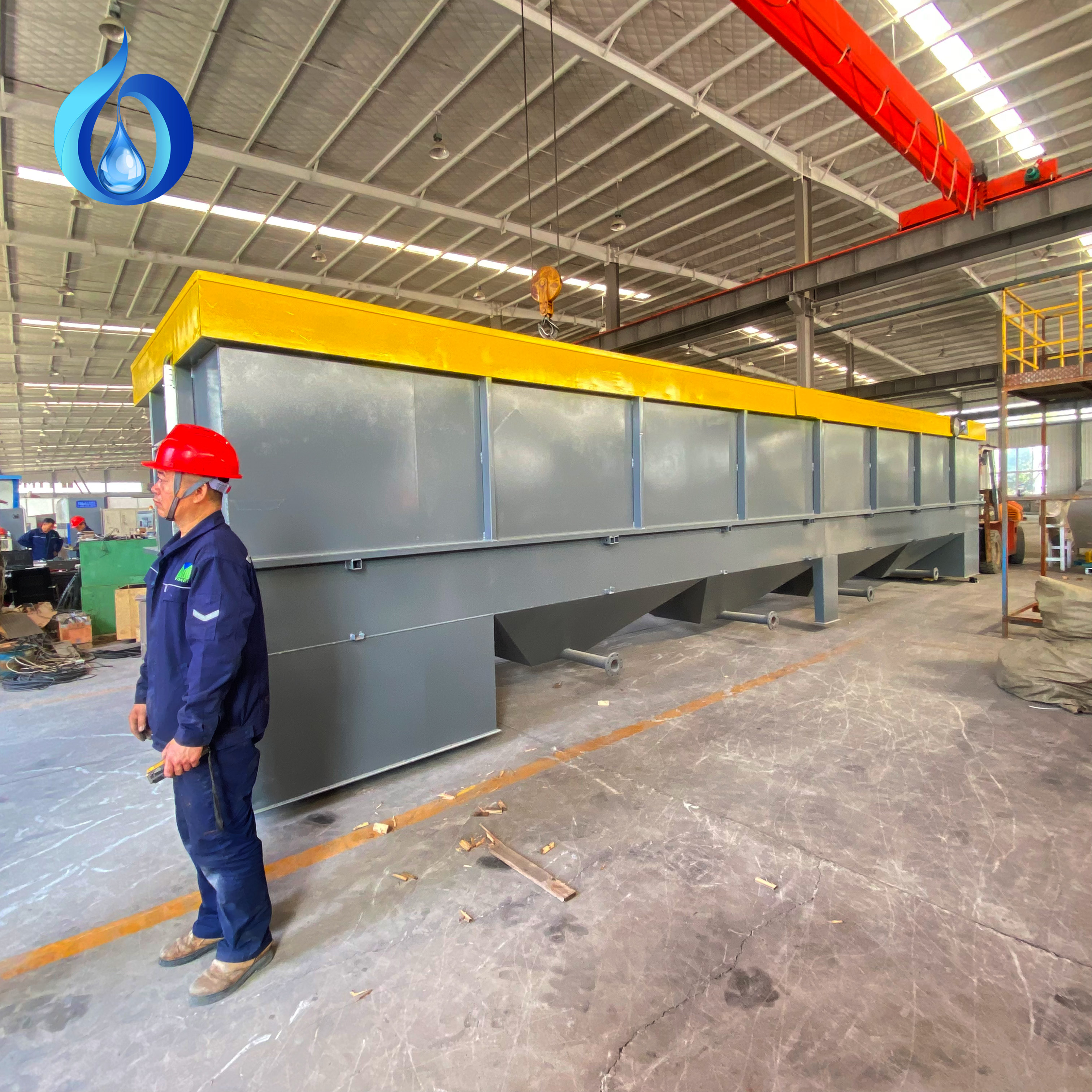
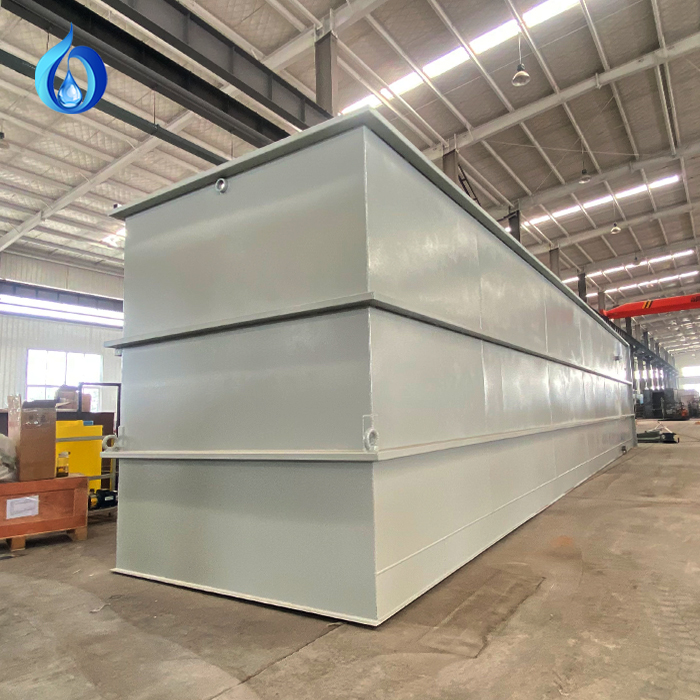
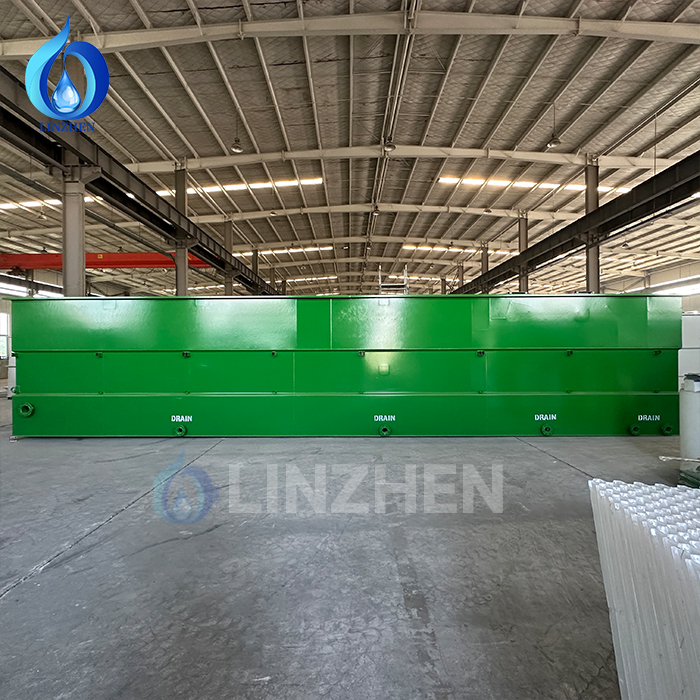
Wastewater treatment facilities face constant pressure to improve operational efficiency while maintaining compliance with environmental regulations. The choice between treatment technologies directly impacts daily workload, maintenance costs, and treatment reliability. An mbbr system has emerged as a superior alternative to conventional activated sludge processes, primarily because it requires significantly less operational complexity and delivers more consistent results. Understanding why an mbbr system outperforms traditional methods reveals critical advantages in process control, monitoring, and long-term facility management.
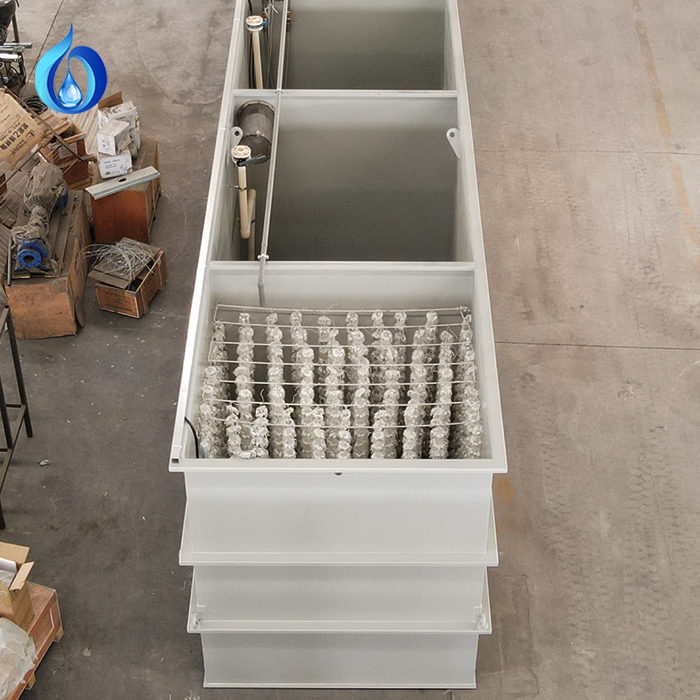
The fundamental difference between an mbbr system and activated sludge treatment lies in how biomass is managed and maintained. Conventional activated sludge relies on suspended microorganisms that must be continuously balanced through precise aeration and sludge recycling rates. An mbbr system attaches biomass to plastic carrier media, eliminating the need for constant sludge settling and return operations. This structural advantage makes operating an mbbr system substantially more straightforward for treatment plant operators managing multiple process variables simultaneously.
Simplified Biomass Management with MBBR System Technology
Fixed Biomass Eliminates Sludge Handling Complexity
Traditional activated sludge systems require operators to maintain a delicate balance between mixed liquor suspended solids concentration and aeration intensity. Every adjustment to air supply affects sludge settling, which then impacts return rates and system stability. An mbbr system removes this interconnected complexity by anchoring biomass directly to carrier media. The biofilm grows and adapts without requiring constant monitoring of suspended solids concentrations, making an mbbr system far more forgiving during load fluctuations.
Operators of an mbbr system spend less time adjusting return activated sludge rates, troubleshooting settling issues, and managing bulking problems. The fixed nature of biofilm in an mbbr system means that even when influent characteristics change, the treatment process remains stable because biomass cannot be washed out or escape the reactor. This inherent stability makes an mbbr system ideal for facilities with variable or seasonal wastewater flows.
Reduced Solids Separation Requirements
Conventional activated sludge plants depend on secondary clarifiers to separate biomass from treated effluent, adding both operational burden and capital expense. Secondary clarifiers require continuous monitoring for sludge blanket height, underflow concentrations, and scum removal. An mbbr system significantly reduces clarification load because the biofilm remains fixed to carriers within the reactor. While an mbbr system still needs some form of solids separation, the volume of solids requiring removal decreases dramatically compared to activated sludge systems.
When operators choose an mbbr system, they reduce the risk of secondary clarifier upsets that can compromise effluent quality. An mbbr system provides more flexibility in clarifier design and operation because the incoming solids load is pre-filtered through the biofilm contact zone. This design principle makes an mbbr system more resilient during treatment failures and peak flow events.
Process Control and Monitoring Advantages of MBBR System Operations
Enhanced Process Stability and Predictability
Operating an mbbr system requires fewer process adjustments because the fixed biofilm responds more predictably to variations in influent conditions. Activated sludge systems exhibit lag time between parameter changes and observable treatment response, making real-time optimization challenging. An mbbr system demonstrates faster stabilization because new biomass rapidly colonizes available media space, compensating for sudden changes in organic load or flow rate. This responsiveness means operators managing an mbbr system can maintain consistent treatment performance with minimal intervention.
The biofilm structure within an mbbr system creates multiple microenvironments with varying oxygen concentrations, enabling simultaneous nitrification and denitrification within a single reactor. An mbbr system operator can achieve nitrogen removal with simpler instrumentation and fewer manual adjustments compared to activated sludge configurations requiring separate anoxic and aerobic zones. This integrated functionality makes an mbbr system exceptionally efficient for nutrient-removal applications.
Streamlined Monitoring and Instrumentation
Activated sludge plants typically require extensive instrumentation to monitor mixed liquor suspended solids, settle-ability index, sludge volume index, and return rates continuously. An mbbr system eliminates the necessity for frequent laboratory tests related to sludge characteristics because biomass is physically confined to carriers. Operators of an mbbr system focus on simpler parameters like dissolved oxygen, pH, and effluent quality, reducing the technical skill requirements and chemical test frequency.
When comparing operational demands, an mbbr system requires less hands-on troubleshooting because upset conditions rarely involve suspended solids problems. An mbbr system typically integrates basic sensors for oxygen transfer efficiency and temperature, providing operators with actionable data without overwhelming complexity. This simplified instrumentation approach means facilities running an mbbr system can operate efficiently with smaller laboratory and control teams.
Operational Flexibility and Maintenance Advantages of MBBR System Installation
Adaptability to Load Variations and Peak Events
Industrial and municipal wastewater often exhibits unpredictable flow and loading patterns that stress conventional treatment systems. An mbbr system handles shock loads more gracefully because biomass colonizing the available media surface increases or decreases gradually based on actual treatment demand. Operators managing an mbbr system rarely experience the sudden process failures common in activated sludge plants when sudden organic or hydraulic shocks occur. The carrier media in an mbbr system provides excess surface area that remains idle during low-load periods and becomes active during peak conditions.
The flexibility of an mbbr system extends to seasonal operations where wastewater characteristics change substantially between summer and winter months. An mbbr system can be operated at lower aeration rates during low-demand periods without sacrificing treatment performance, reducing energy consumption and operational costs. Facilities retrofitting conventional processes with an mbbr system often discover that the same reactor volume treats higher loads with improved stability, creating significant competitive advantages.
Reduced Maintenance Requirements and Downtime
Secondary clarifiers in activated sludge systems require periodic cleaning to remove settled biosolids and accumulated grit, necessitating production downtime. An mbbr system eliminates the need for clarifier maintenance stops because solids remain attached to carriers rather than settling and accumulating. The fixed attachment of biomass in an mbbr system means operators avoid clarifier drain-and-clean procedures that disrupt treatment continuity. This operational advantage makes an mbbr system ideal for facilities with strict discharge permits requiring continuous treatment reliability.
Maintenance tasks for an mbbr system focus on carrier media management, aeration equipment service, and routine equipment checks rather than complex sludge handling procedures. An mbbr system rarely experiences catastrophic upsets from mechanical failures because the treatment process depends less on precise mechanical balance. Operators of an mbbr system spend more time on preventive maintenance and less time responding to emergency upset conditions, improving overall facility reliability and regulatory compliance.
FAQ
What makes an MBBR system more cost-effective to operate than activated sludge?
An mbbr system reduces operational costs through lower energy consumption for aeration, minimal sludge handling labor, reduced chemical use for process control, and smaller laboratory staffing requirements. The fixed biomass in an mbbr system requires less return pumping energy compared to activated sludge recirculation, and the elimination of secondary clarifier problems prevents costly emergency repairs. Facilities operating an mbbr system typically see 20–30% reductions in total operational expenses within the first two years of operation.
Can an MBBR system handle variable wastewater flows without operator intervention?
An mbbr system is specifically designed to accommodate flow variations because the biofilm self-regulates biomass density based on available organic matter and substrate. Unlike activated sludge systems requiring constant operator adjustments during peak flows, an mbbr system maintains treatment performance automatically through the inherent stability of attached biofilm. The excess surface area available in an mbbr system carriers ensures consistent treatment even during unexpected flow surges.
How does an MBBR system improve regulatory compliance compared to conventional treatment?
An mbbr system delivers more consistent effluent quality because the attached biofilm resists upset conditions that compromise conventional activated sludge treatment. The predictable performance of an mbbr system reduces parameter variability, lowering the risk of permit violations during peak load periods. An mbbr system integrates nitrogen removal capacity that activated sludge processes require separate reactor configurations to achieve, making compliance simpler and more cost-effective.
 EN
EN