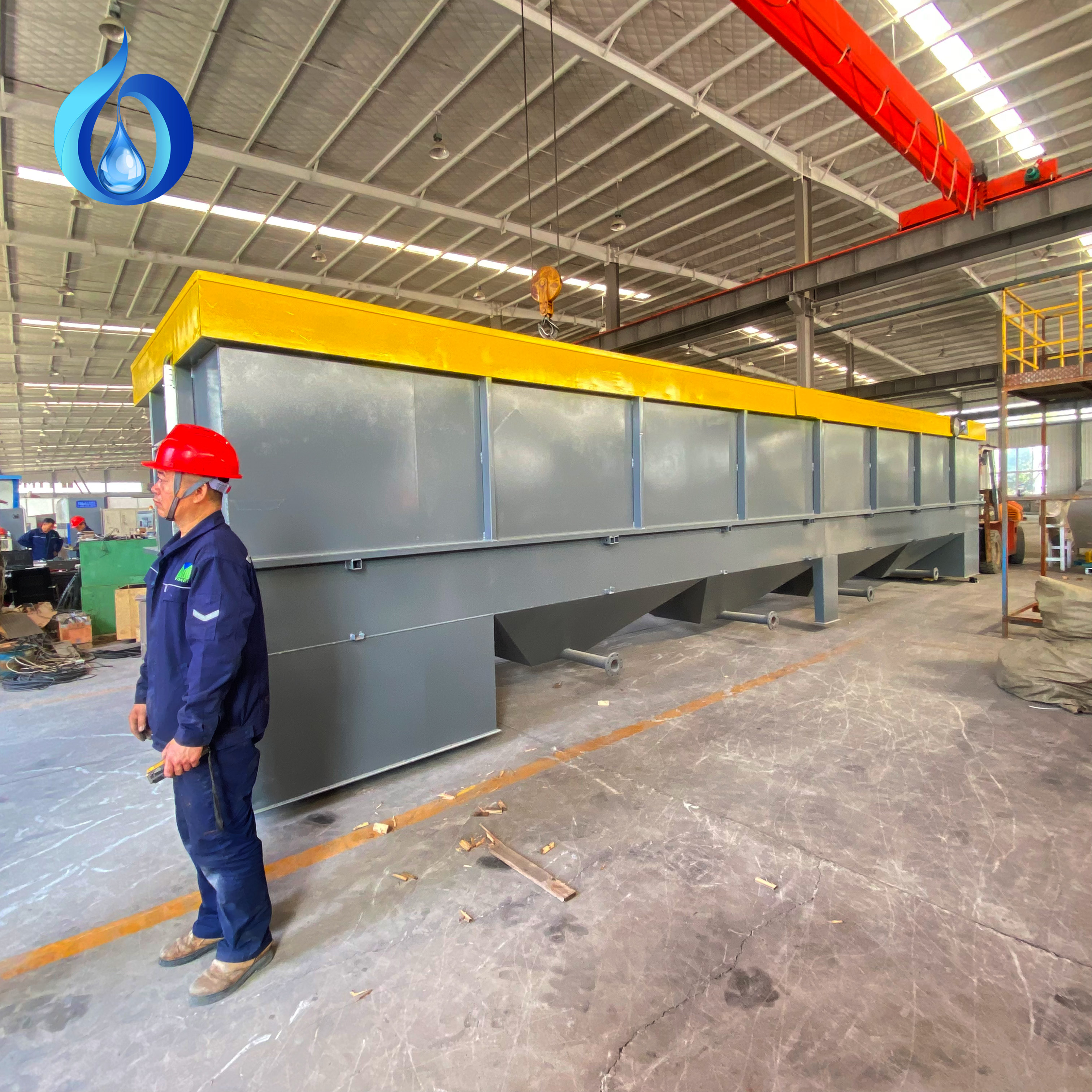
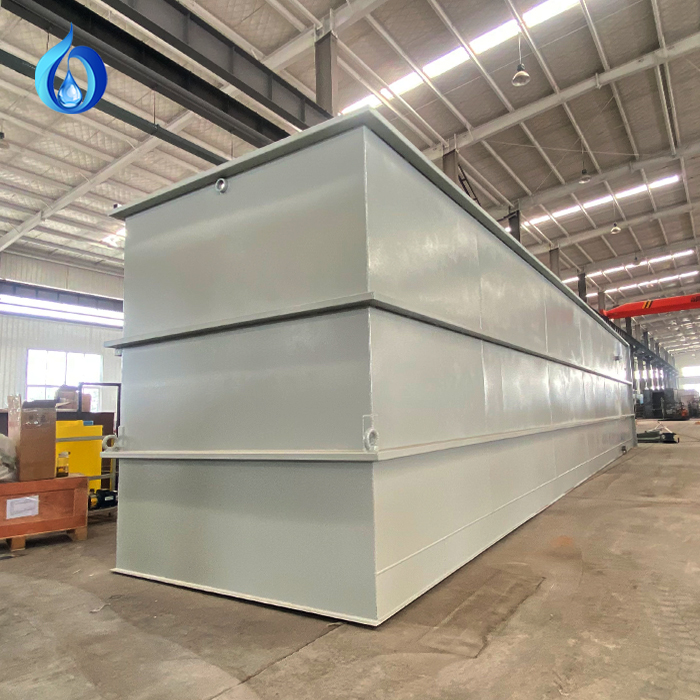
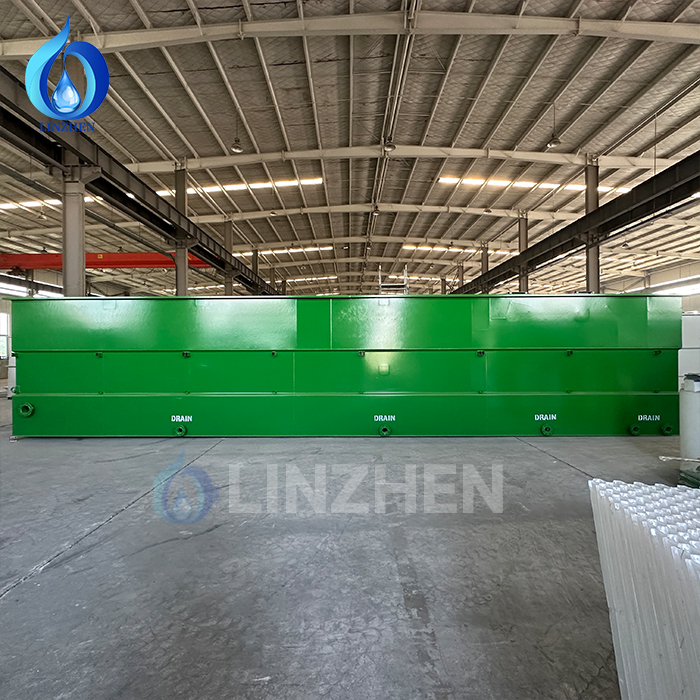
Wastewater treatment facilities face constant pressure to improve efficiency while reducing operational costs and environmental impact. A modern lamella clarifier represents a significant advancement in settling technology, offering superior performance compared to conventional sedimentation tanks. This innovation has transformed how treatment plants handle solids separation, making a lamella clarifier the preferred choice for modern water and wastewater operations across industries. Understanding why a lamella clarifier delivers better results requires examining the fundamental differences in design, performance metrics, and practical applications that set a lamella clarifier apart from traditional approaches.
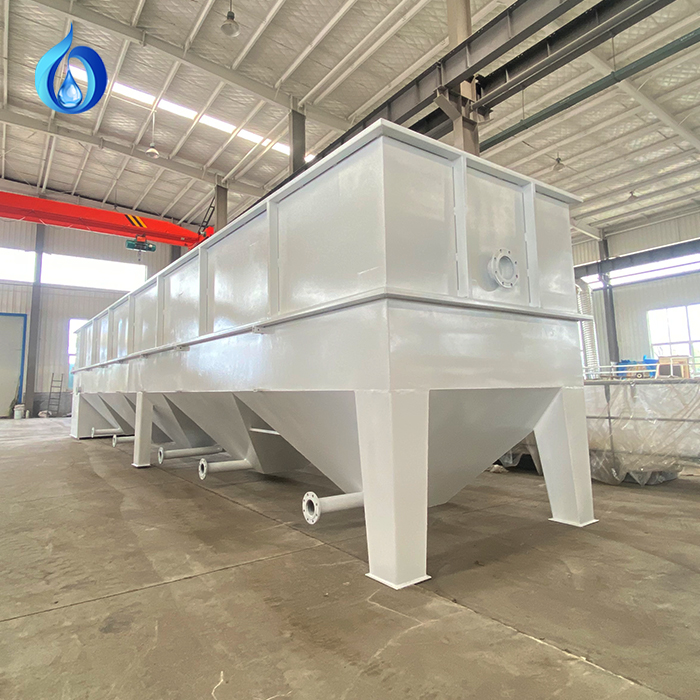
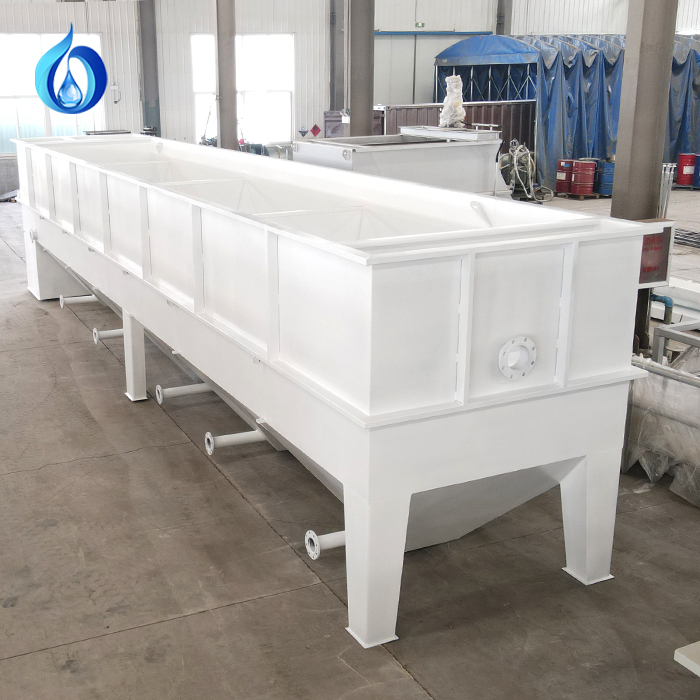
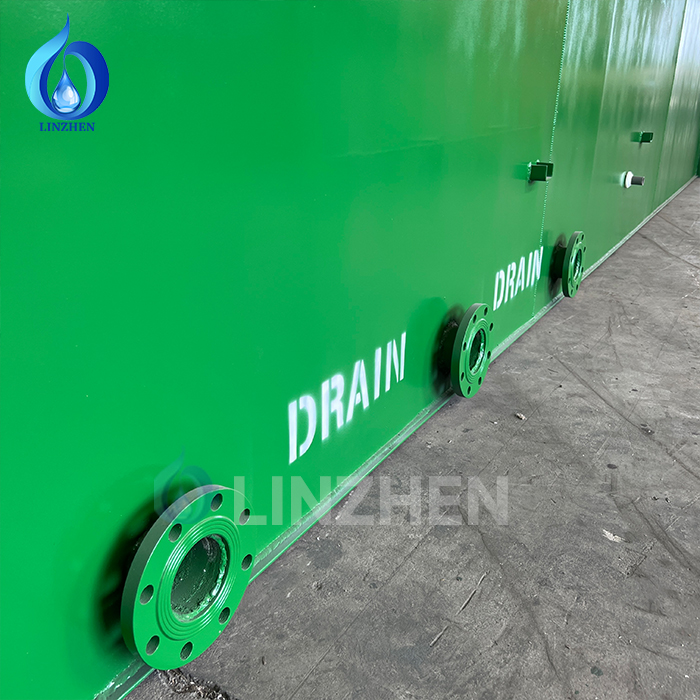
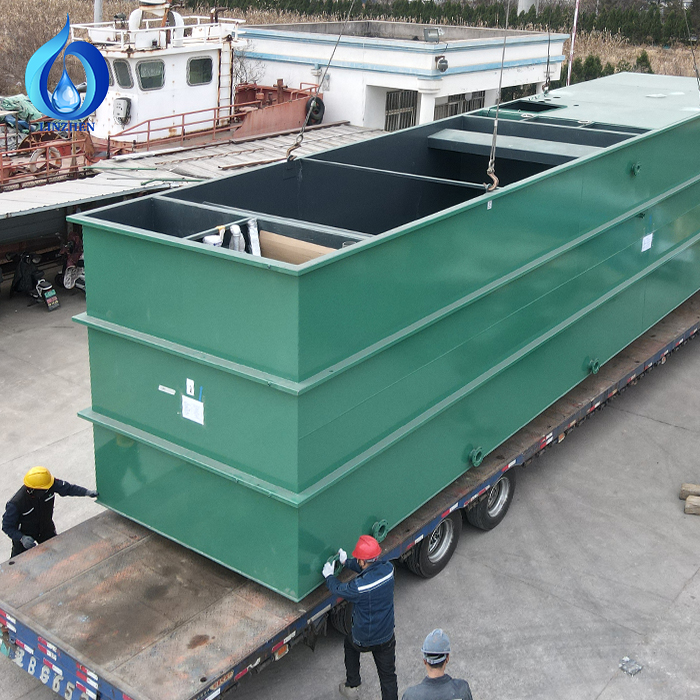
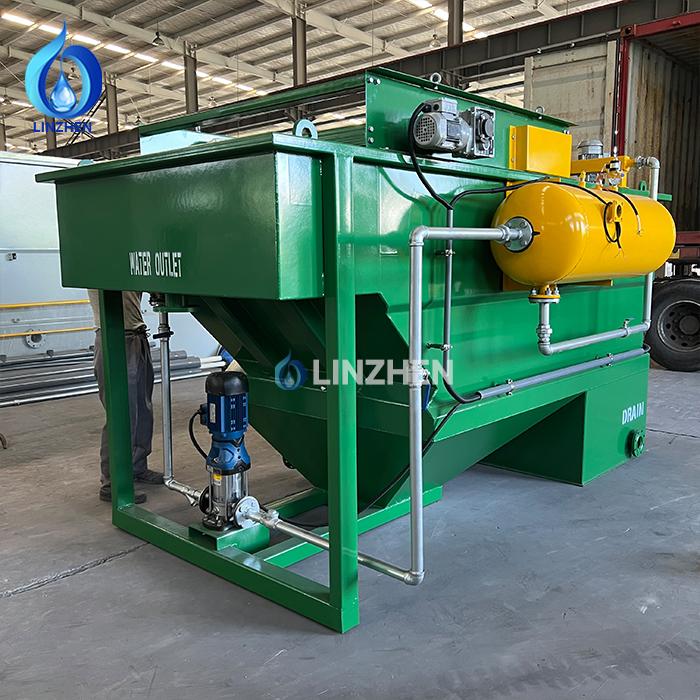
A lamella clarifier is a high-density settling vessel that uses inclined plates to dramatically increase the effective settling area within a compact footprint. Unlike conventional sedimentation tanks that rely on gravity settling in large, open basins, a lamella clarifier accelerates particle separation by directing flow through parallel plates set at steep angles. This fundamental difference in architecture makes a lamella clarifier significantly more efficient at removing suspended solids, reducing treatment time, and improving overall water quality with minimal space requirements.
Superior Settling Efficiency and Performance Advantages
How a Lamella Clarifier Achieves Higher Separation Rates
A lamella clarifier operates on a principle called 'ideal settling,' where particles settle perpendicular to the inclined plates rather than vertically through the tank. The inclined design creates multiple settling zones, effectively multiplying the settling area compared to a conventional tank of identical volume. In a lamella clarifier, water flows horizontally between closely spaced plates, allowing particles to settle onto the plate surfaces and slide downward to the collection zone. This geometry means a lamella clarifier can process significantly higher flow rates while maintaining lower overflow rates, resulting in better clarity and solids capture.
Conventional sedimentation tanks depend on long residence times and large surface areas to achieve adequate settling, typically requiring 2 to 4 hours of detention time. A lamella clarifier accomplishes comparable or superior clarification in 20 to 40 minutes, depending on influent conditions. The high-rate performance of a lamella clarifier stems from the reduced settling distance particles must travel—typically just a few inches rather than the full tank depth. This efficiency translates directly into smaller equipment, faster treatment, and reduced capital investment compared to conventional basin designs.
Particle Removal and Turbidity Reduction in a Lamella Clarifier
A lamella clarifier excels at removing both suspended solids and fine particles that often escape conventional tanks. The parallel plate arrangement in a lamella clarifier creates laminar flow conditions that minimize turbulence and short-circuiting, two common problems in traditional sedimentation tanks. Industrial facilities using a lamella clarifier consistently report effluent turbidity levels below 1 NTU, compared to 5 to 10 NTU typical of conventional sedimentation tanks operating at equivalent flow rates.
The superior clarification achieved by a lamella clarifier also reduces the load on downstream treatment processes. Polishing filters, membrane systems, and tertiary treatment units require less frequent maintenance when receiving water pre-treated through a lamella clarifier. This cascading benefit of a lamella clarifier amplifies cost savings across the entire treatment train and extends the operational life of downstream equipment.
Space Efficiency and Compact Design Benefits
Footprint Reduction with a Lamella Clarifier
One of the most compelling reasons facilities choose a lamella clarifier is the dramatic reduction in physical space required. A conventional sedimentation tank must be sized to provide sufficient surface area, often requiring tanks 40 to 60 meters long and 10 to 15 meters wide. A lamella clarifier achieves equivalent or superior performance in equipment measuring just 4 to 8 meters long and 2 to 4 meters wide, occupying roughly one-tenth the floor space. This space efficiency makes a lamella clarifier the practical choice for retrofit applications and facilities with limited land availability.
The compact dimensions of a lamella clarifier simplify installation and reduce construction timelines. A lamella clarifier can often be installed as a self-contained module requiring minimal site preparation and civil works. Many treatment plants have successfully added a lamella clarifier to existing operations without disrupting current treatment processes or requiring extensive facility modifications. This installation flexibility represents a significant advantage over the time required to construct a conventional sedimentation tank.
Scalability of a Lamella Clarifier for Future Capacity
Facilities using a lamella clarifier gain valuable flexibility for future growth and changing treatment demands. Because a lamella clarifier operates at high overflow rates in a compact package, incremental capacity increases can be achieved by adding multiple units in parallel rather than replacing the entire treatment system. A lamella clarifier designed for current flows can be supplemented with additional parallel units if treatment capacity must increase, avoiding the need to rebuild from the foundation up.
Economic and Operational Cost Advantages
Capital Cost Savings of a Lamella Clarifier
The smaller footprint and simpler construction of a lamella clarifier translate directly into lower capital expenditure compared to conventional sedimentation tank alternatives. Construction, concrete, site preparation, and structural costs for a lamella clarifier are typically 40 to 60 percent lower than equivalent capacity conventional tanks. A lamella clarifier arrives as prefabricated equipment requiring minimal on-site fabrication, reducing labor costs and construction uncertainty. The economic advantage of a lamella clarifier makes it compelling for major capital projects.
Beyond initial construction, a lamella clarifier generates savings through simplified utility infrastructure. Smaller tanks require less concrete, fewer pumps, and lower electrical loads. A lamella clarifier also integrates more readily with automated process controls, further reducing operational complexity. These cumulative cost reductions make a lamella clarifier an economically superior choice across most application scenarios.
Operating Expenses for a Lamella Clarifier
Operating a lamella clarifier typically costs less than managing conventional sedimentation tanks over the equipment's lifetime. The higher efficiency of a lamella clarifier means reduced chemical coagulant demand because solids removal is accomplished through improved physical settling. The design of a lamella clarifier also minimizes scour and resuspension issues, meaning less frequent cleaning and operational adjustments. Sludge handling equipment experiences lower wear because a lamella clarifier produces more concentrated, easily dewatered solids.
Maintenance on a lamella clarifier focuses on routine plate cleaning and periodic inspection rather than extensive repairs common in conventional systems. The predictable maintenance schedule of a lamella clarifier supports better budgeting and reduces repair expenses. Many facilities report a 30 to 50 percent reduction in total operating costs after transitioning from conventional sedimentation tanks to a lamella clarifier.
Application Scenarios and Industry Suitability
Primary and Secondary Treatment with a Lamella Clarifier
A lamella clarifier performs exceptionally well in primary treatment applications where suspended solids and grit removal are critical. Industrial wastewater streams from food processing and manufacturing operations benefit substantially from a lamella clarifier's rapid settling capacity. A lamella clarifier is equally valuable in secondary treatment settings following biological reactors, where it polishes effluent before discharge. The versatility of a lamella clarifier makes it suitable for municipal plants and industrial facilities alike.
Water reuse systems rely heavily on a lamella clarifier to achieve the high clarity required for recirculation. The ability of a lamella clarifier to produce clear water with minimal turbidity makes it essential for facilities implementing water conservation strategies. Industries facing freshwater scarcity find that a lamella clarifier enables sustainable recycling programs by reliably producing reusable water quality.
Storm Water Management Using a Lamella Clarifier
A lamella clarifier excels during storm events and peak flow periods when conventional sedimentation tanks become overwhelmed. The high-rate settling capability of a lamella clarifier means peak flows can be accommodated without sacrificing performance. Municipalities deploy a lamella clarifier for storm water treatment to manage runoff before discharge. A lamella clarifier integrates effectively with retention basins, providing reliable clarification regardless of seasonal flow variations.
FAQ
How much space does a lamella clarifier save compared to conventional tanks?
A lamella clarifier typically requires 80 to 90 percent less floor space than a conventional sedimentation tank of equivalent capacity. The inclined plate design dramatically increases the effective settling area within a compact footprint, making a lamella clarifier ideal for space-constrained facilities.
What is the typical cost savings of installing a lamella clarifier?
Capital costs for a lamella clarifier are typically 40 to 60 percent lower than conventional sedimentation tank alternatives. Over a 20-year operational life, a lamella clarifier often delivers 30 to 50 percent savings in total cost of ownership through reduced chemical consumption and lower maintenance expenses.
Can a lamella clarifier handle variable flow rates?
Yes, a lamella clarifier is exceptionally well-suited for variable flow applications. The high-rate settling design allows a lamella clarifier to accommodate flow spikes without quality degradation, functioning effectively across a wide range of operating conditions.
 EN
EN