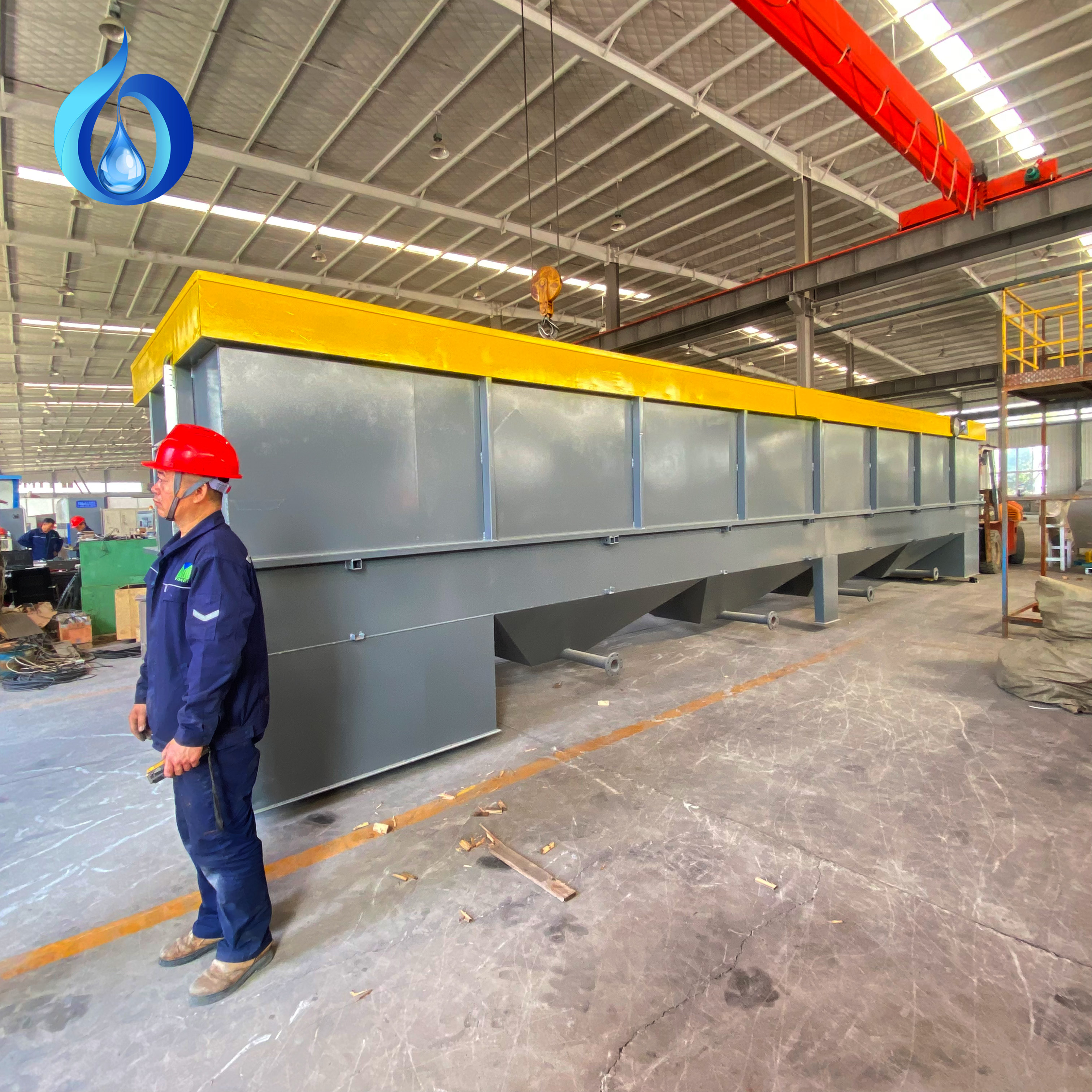
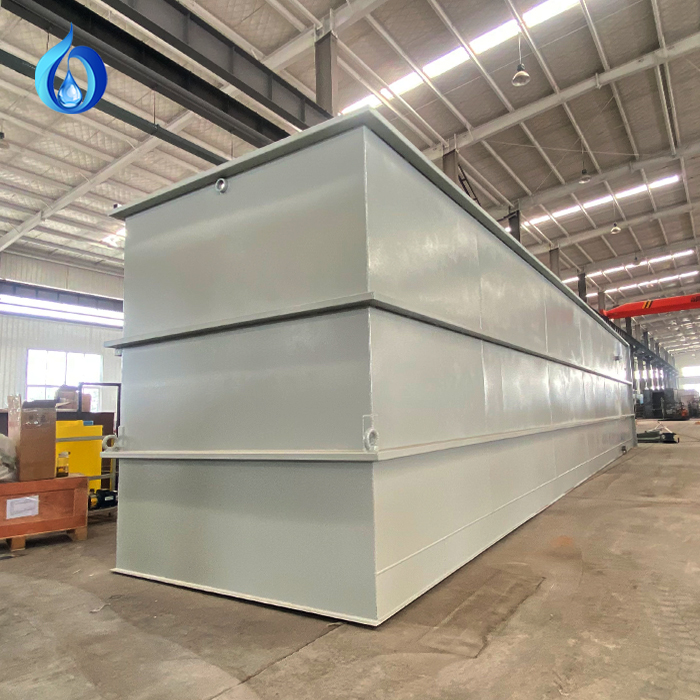
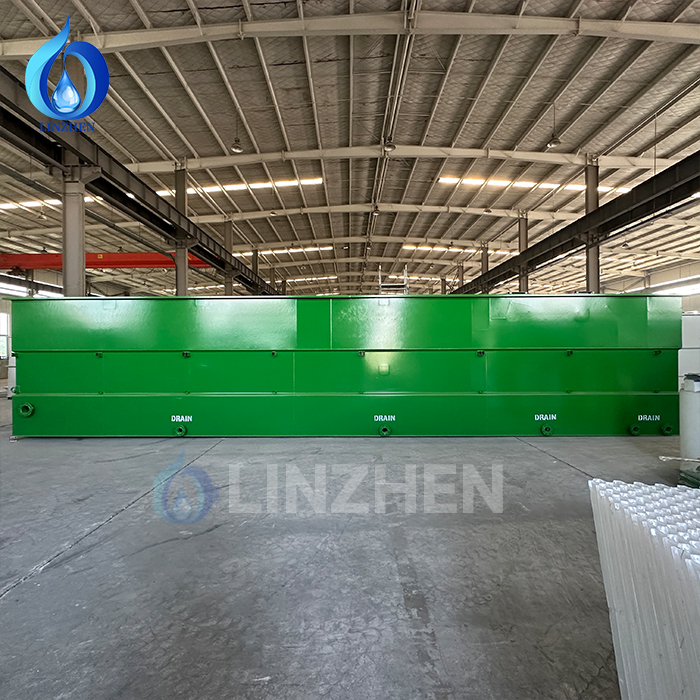
Financial sustainability remains a constant operational challenge for municipal authorities and industrial enterprise leaders operating a modern sewage treatment plant. Escalating electricity tariffs, rising raw chemical expenses, and stringent regulatory discharge mandates place immense pressure on annual operating budgets. Implementing comprehensive control automation across a sewage treatment plant offers a direct, proven pathway toward reducing ongoing operational expenditure (OPEX). Sensor-driven real-time monitoring, adaptive biological process control, and cloud-integrated data analytics streamline every key phase of primary, secondary, and advanced tertiary treatment. By moving away from reactive manual operations, facility directors protect regional discharge quality while dramatically lowering total resource consumption throughout the facility lifetime.
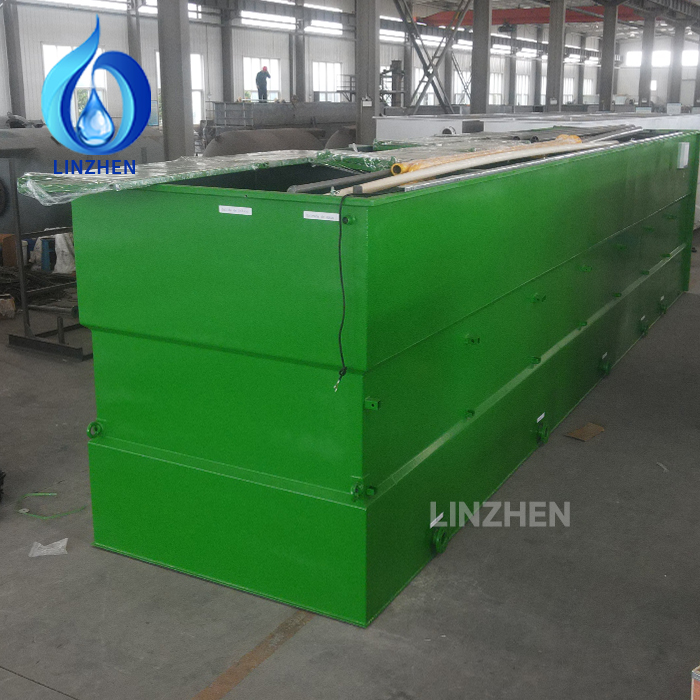
Traditional manual wastewater operations depend heavily on periodic laboratory sampling and static chemical dosing schedules, which frequently result in systemic over-processing and unnecessary power consumption. In contrast, an automated sewage treatment plant continuously responds to real-time fluctuations in incoming hydraulic volume, organic concentration, and pH balances. By integrating programmable logic controllers (PLCs), smart actuators, variable frequency drives, and centralized SCADA infrastructure, a sewage treatment plant transforms unpredictable, high operational costs into controlled capital efficiency across long multi-decade lifecycles.
Labor Efficiency in Automated Sewage Treatment Plant Infrastructure
Automated Continuous Monitoring vs. Manual Physical Field Inspections
Conventional sewage treatment plant staffing models require maintenance personnel to conduct physical walk-throughs across broad facility footprints. Operators historically spend countless hours recording manual gauge readings, verifying pump operating status, checking clarification tank sludge blankets, and manually adjusting flow splitters. Deploying inline smart sensor networks within a modern sewage treatment plant eliminates these labor-intensive field tasks. Submersible turbidity probes, continuous pH sensors, and ultrasonic level transmitters stream operational metrics straight to central supervisory terminals. Consequently, operational personnel shift focus away from repetitive inspection duties and toward strategic asset management, system diagnostics, and proactive equipment maintenance schedules across the entire sewage treatment plant layout.
Preventing Unscheduled Overtime Hours and Emergency Expense Burdens
Manual process oversight often detects mechanical degradation too late, resulting in sudden equipment failure during off-peak hours or critical weekend periods. Fixing unexpected pump breakdowns requires emergency contractor rates, premium replacement component shipping, and unscheduled operator overtime pay. Early anomaly detection capabilities built into an automated sewage treatment plant identify subtle motor vibration increases, thermal elevations, and seal leakages long before catastrophic failure occurs. Automated alarm logic alerts staff to perform corrective adjustments during scheduled day shifts. Over decades of uninterrupted service, avoiding emergency repair charges preserves substantial capital within the annual operating budget of any municipal or industrial sewage treatment plant.
Optimizing Chemical Use and Energy Efficiency in Water Treatment
Real-Time Chemical Feed Adjustments and Dynamic Dosing Control
Chemical reagents—such as inorganic coagulants, organic flocculants, disinfection agents, and pH neutralizing compounds—represent one of the highest variable costs in operating a sewage treatment plant. Manual chemical feeding relies on static jar testing and historical estimation, leading operators to consistently over-dose chemicals to guarantee compliance during sudden influent surges. An automated sewage treatment plant continuously monitors real-time oxidation-reduction potential (ORP), inline stream turbidity, and dissolved organic carbon loads to meter precise chemical volumes dynamically. Eliminating reagent waste reduces overall chemical consumption in a sewage treatment plant by fifteen to twenty-five percent annually while reducing downstream sludge handling and dewatering disposal fees.
Dynamic Energy Management for Biological Aeration and Main Pumping
Biological aeration basins consume sixty to seventy percent of total electrical energy utilized by a standard sewage treatment plant. Static blowers supplying fixed airflow volumes waste massive amounts of power during low-demand night cycles. Automated process control integrates inline dissolved oxygen (DO) sensors with Variable Frequency Drives (VFDs) on high-efficiency aeration blowers. The automated sewage treatment plant dynamically scales blower speed up or down to match exact biological oxygen demands in real time. Running air blowers and main influent pumps strictly at required operational capacities lowers facility energy consumption by ten to twenty-five percent, saving tens of thousands of dollars each year for a high-volume sewage treatment plant.
Predictive Maintenance Strategies for Long-Term Asset Protection
Condition-Based Machinery Tracking and Fault Prevention
Heavy rotating equipment—including submersible pumps, aeration blowers, mechanical bar screens, and clarifier drive gearboxes—represents significant capital investment within any sewage treatment plant. Operating machinery under undetected stress or improper lubrication drastically shortens useful equipment life. Continuous condition monitoring systems evaluate operating temperature, vibration frequency, power draw, and hydraulic output across every critical machine. This real-time data allows engineers operating a sewage treatment plant to perform target-driven maintenance before structural damage happens, extending core equipment lifespans by five to fifteen years and deferring major capital expenditure.
Integrated Data Systems for Streamlined Asset Management
Modern automation software automatically archives complete operational records, creating detailed historical performance baselines for every component within a sewage treatment plant. Facilities managers leverage this intelligent data to replace calendar-based preventative maintenance schedules with actual usage-based servicing. Tracking component run-time and load factors ensures lubricants, mechanical seals, and filter membranes are replaced precisely when needed. Maintaining peak mechanical efficiency reduces overall power draw and operational friction across every physical process in the sewage treatment plant.
Regulatory Compliance Assurance and Non-Compliance Mitigation
Automated Reporting and Effluent Quality Documentation
Exceeding regulatory permit limits for total suspended solids (TSS), total nitrogen, phosphorus, or biological oxygen demand (BOD) exposes a sewage treatment plant to hefty environmental fines and legal penalties. Automated control systems continuously track effluent quality indicators around the clock. If incoming waste loads approach dangerous parameters, automated system routines trigger recirculation, adjust retention times, or increase chemical polishers instantly. Documenting full regulatory compliance through automated data logging provides verifiable proof of environmental stewardship for any municipal sewage treatment plant.
Standardized Process Control for Streamlined Auditing
Environmental regulators require comprehensive, tamper-evident operational reporting during routine compliance inspections. An automated sewage treatment plant creates digital audit logs continuously, organizing complex historical process data into clean, exportable compliance summary charts. Eliminating manual paper logging reduces administrative workload while giving environmental auditors complete confidence in the operational integrity and reliability of the sewage treatment plant.
FAQ
What is the average payback period for implementing automation in a sewage treatment plant?
Most municipal and industrial facilities achieve full financial payback within 3 to 7 years. Capital investments in smart sensors, PLCs, VFDs, and SCADA software upgrades are quickly recovered through combined reductions in electricity bills, lower chemical purchase volumes, minimized maintenance emergencies, and optimized labor scheduling across the sewage treatment plant.
Can older sewage treatment plant facilities be retrofitted with modern automation systems?
Yes, retrofitting existing facilities is standard industry practice. A sewage treatment plant does not need to rebuild concrete basins or replace main infrastructure to benefit from automation. Installing inline smart sensors, motorized control valves, VFD motor controllers, and centralized control panels updates legacy facilities cleanly without interrupting daily treatment operations.
How does automation improve biological treatment stability within a sewage treatment plant?
Automation stabilizes dissolved oxygen balances, return activated sludge (RAS) rates, and food-to-microorganism (F/M) ratios automatically. Preventing sudden hydraulic or toxic shock loads maintains a healthy balance of beneficial bacteria, ensuring reliable organic degradation and high effluent clarity in the sewage treatment plant.
 EN
EN