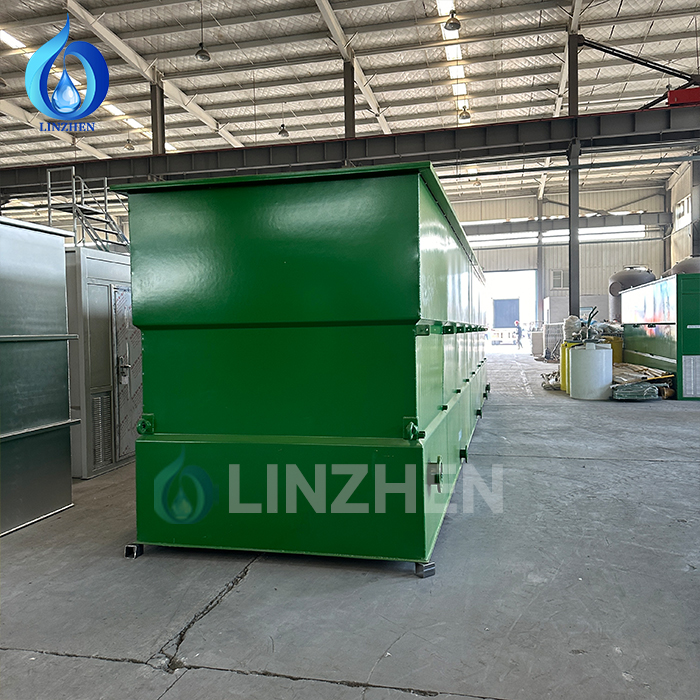
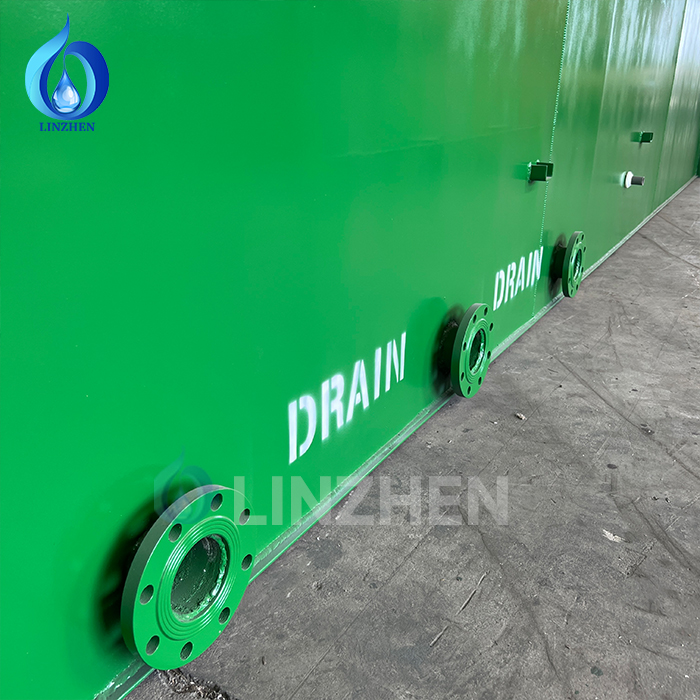
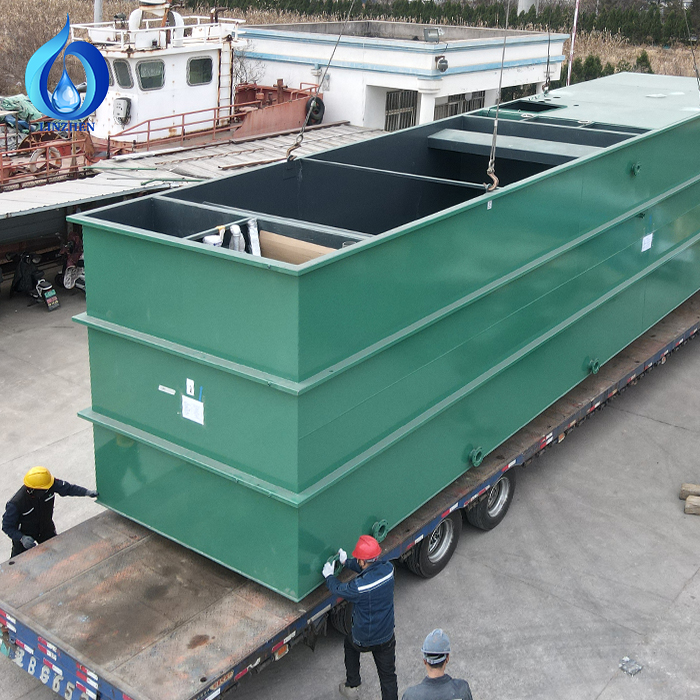
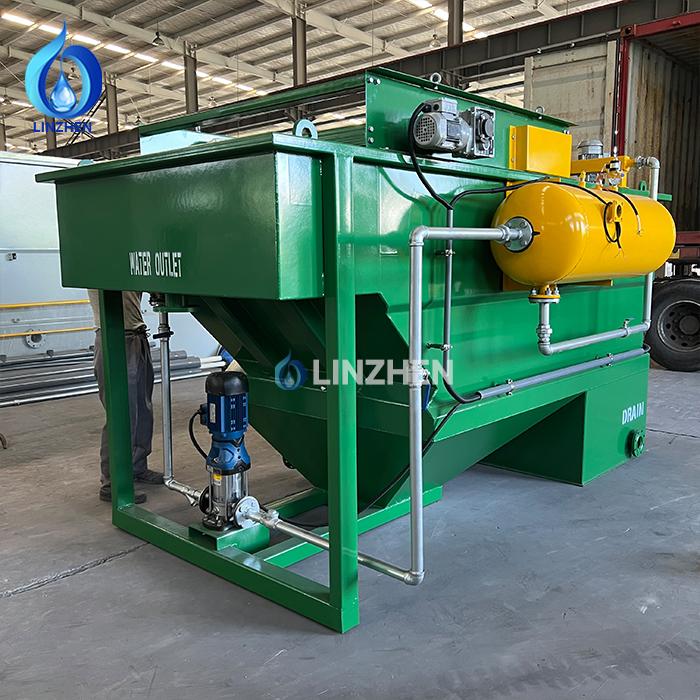
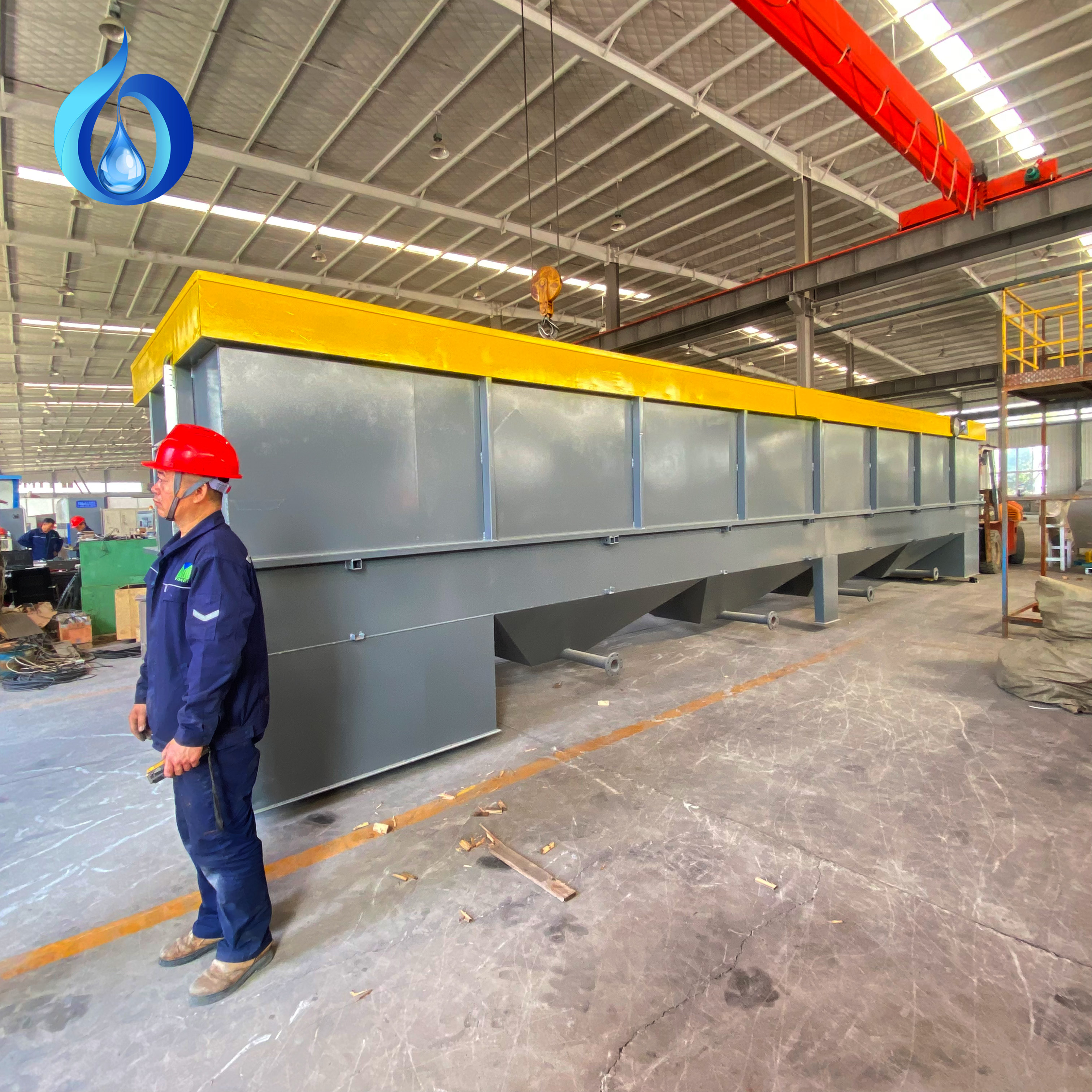
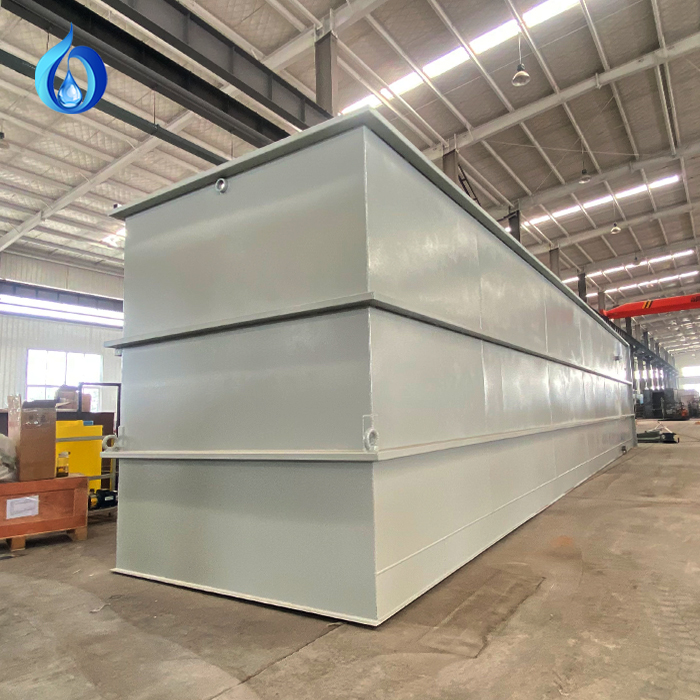
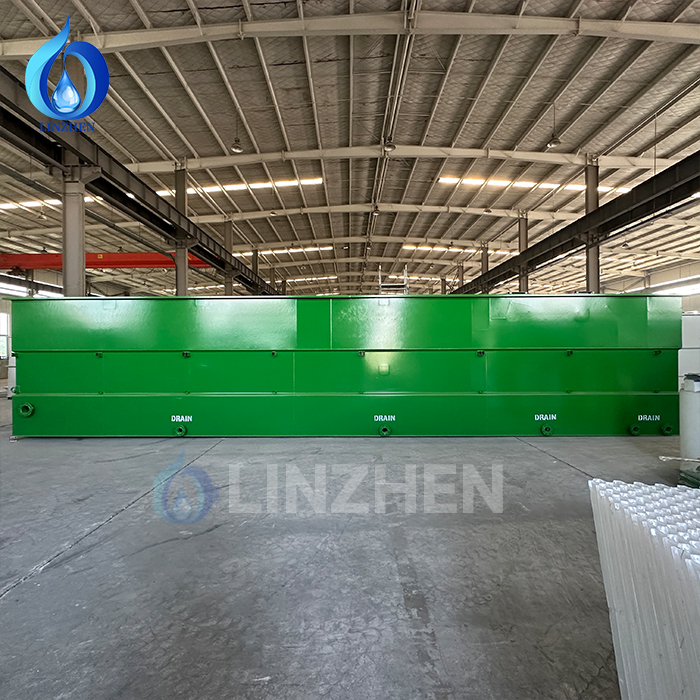
The decision to invest in industrial wastewater treatment equipment represents one of the most significant capital expenditures a manufacturing facility will make. Yet many facility managers focus exclusively on the upfront purchase price, overlooking how the quality of industrial wastewater treatment equipment directly influences total cost of ownership. The reality is that equipment quality affects not just initial acquisition costs, but operational efficiency, maintenance expenses, regulatory compliance, environmental liability, and the ultimate financial outcome over the system's lifecycle.
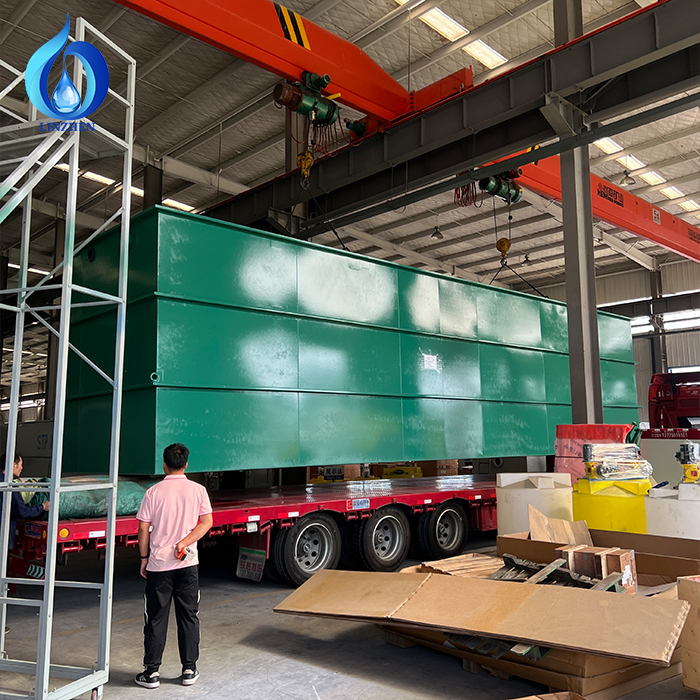
When industrial wastewater treatment equipment is engineered with superior materials, precision components, and robust design, it delivers measurable returns through reduced downtime, lower energy consumption, extended operational lifespan, and decreased maintenance labor. Poor-quality industrial wastewater treatment equipment, by contrast, creates hidden costs that accumulate silently—emergency repairs, treatment inefficiency, regulatory fines, and premature replacement cycles that transform an apparently budget-friendly purchase into an expensive operational burden.
How Quality Materials and Construction Impact Long-Term Reliability
Superior Corrosion Resistance and Durability
Industrial wastewater treatment equipment operates in one of the most chemically aggressive environments any industrial system encounters. Wastewater contains acids, bases, dissolved salts, and corrosive compounds that attack standard materials rapidly. High-quality industrial wastewater treatment equipment is constructed using duplex stainless steel, epoxy-lined concrete tanks, or specialized coatings that resist corrosion far longer than budget alternatives. This durability directly translates to fewer unexpected failures, reduced replacement frequency, and lower total cost calculations when equipment lasts 15–20 years instead of 8–10 years.
Component Precision and Manufacturing Tolerance
The mechanical components within industrial wastewater treatment equipment—pumps, aerators, clarifier mechanisms, and motor assemblies—must operate with exacting precision to maintain treatment efficiency. Premium industrial wastewater treatment equipment manufacturers maintain tight manufacturing tolerances, use precision-engineered bearings, and employ quality control testing that eliminates premature wear. Lower-quality equipment often exhibits loose tolerances, undersized bearings, and inadequate balancing that cause vibration, misalignment, and accelerated mechanical failure. Over a five-year period, the maintenance labor costs and replacement component expenses for inferior industrial wastewater treatment equipment can exceed the original savings from choosing a cheaper unit.
Operational Efficiency and Energy Cost Implications
Energy Consumption Variability Across Equipment Quality Tiers
Industrial wastewater treatment equipment quality directly influences energy consumption efficiency. Optimized aerator designs, efficient motor configurations, and properly balanced impellers in quality industrial wastewater treatment equipment reduce power draw by 15–30% compared to poorly engineered systems. For a mid-sized manufacturing facility treating wastewater continuously, this efficiency difference translates to tens of thousands of dollars in annual electricity costs. The energy performance of industrial wastewater treatment equipment compounds over its operational lifetime, making efficiency a primary driver of total cost, not a secondary consideration.
Treatment Effectiveness and Permit Compliance Risks
Industrial wastewater treatment equipment must consistently meet regulatory discharge standards or facilities face environmental fines, permit revocation, and potential production shutdowns. Premium industrial wastewater treatment equipment delivers consistent treatment performance with safety margins that accommodate fluctuating influent conditions. Lower-quality industrial wastewater treatment equipment often struggles to meet permit limits during seasonal demand spikes or process changes, exposing facilities to regulatory penalties that dwarf equipment purchase savings. A single significant compliance violation can cost $10,000 to $100,000 or more, making equipment quality assurance a risk management imperative.
Maintenance Requirements and True Operational Cost Structure
Predictable Maintenance Versus Emergency Breakdowns
Quality industrial wastewater treatment equipment is engineered for predictability, featuring accessible design, standard replacement parts, and documented maintenance schedules. This design enables planned maintenance that fits operational budgets and minimizes disruption. Conversely, inferior industrial wastewater treatment equipment often forces reactive maintenance—unplanned emergency repairs that require expedited parts ordering, extended downtime, and premium labor costs. Emergency repairs to industrial wastewater treatment equipment can cost 3–5 times more than scheduled preventive maintenance, yet this expense rarely appears in initial purchase comparisons.
Parts Availability and Supply Chain Resilience
Reputable manufacturers of quality industrial wastewater treatment equipment maintain parts inventory, backward compatibility, and reliable supply chains that ensure replacement components are readily available when needed. Producers of lower-cost industrial wastewater treatment equipment often discontinue product lines quickly, making replacement parts scarce or impossible to source. When a critical component fails in older or obsolete industrial wastewater treatment equipment and no replacement exists, facilities face complete system replacement or extended shutdown, both outcomes far more expensive than maintaining a supported, quality system.
Environmental Liability and Regulatory Framework Considerations
Treatment Performance Guarantees and Warranty Coverage
High-quality industrial wastewater treatment equipment manufacturers typically offer comprehensive performance warranties and treatment guarantees backed by technical support and design accountability. These commitments reflect manufacturer confidence in industrial wastewater treatment equipment performance and provide facilities with legal recourse if equipment fails to perform. Budget industrial wastewater treatment equipment often comes with minimal warranties and limited manufacturer support, leaving facilities solely responsible for performance failures and liable for any environmental incidents caused by inadequate treatment from substandard equipment.
Scalability and Future Operational Flexibility
Industrial wastewater treatment equipment quality extends to modular design, control system sophistication, and capacity expansion capability. Well-engineered industrial wastewater treatment equipment adapts to production changes, accommodates process modifications, and allows capacity upgrades without complete replacement. Poor-quality industrial wastewater treatment equipment often lacks adaptability, forcing full replacement when operational needs evolve. This inflexibility transforms a supposedly economical initial purchase into a costly liability when facility production changes render the system inadequate.
FAQ
What specific quality indicators should I evaluate when comparing industrial wastewater treatment equipment options?
Focus on materials of construction, manufacturing certifications, warranty depth, energy efficiency ratings, and proven treatment performance data. Additionally, examine the manufacturer's technical support infrastructure, parts availability, and user references from comparable industrial wastewater treatment equipment installations. Request performance guarantees in writing and compare total cost of ownership projections across competing systems rather than purchase price alone.
How significantly does industrial wastewater treatment equipment quality affect operational lifespan and replacement frequency?
Premium industrial wastewater treatment equipment typically operates 15–20 years with proper maintenance, while lower-quality systems often require replacement within 8–12 years. This difference means investing in quality industrial wastewater treatment equipment can eliminate one complete replacement cycle over a facility's operational lifetime, representing substantial cumulative savings even after factoring in higher initial acquisition costs.
Can lower-quality industrial wastewater treatment equipment create hidden compliance costs beyond maintenance expenses?
Yes, significantly. Inadequate treatment performance from inferior industrial wastewater treatment equipment frequently leads to permit violations, environmental fines, and mandatory upgrades or repairs directed by regulatory agencies. These compliance-driven costs often exceed $50,000 and may include emergency retrofit requirements that disrupt production. Quality industrial wastewater treatment equipment, by maintaining consistent performance within regulatory margins, prevents these expensive compliance consequences entirely.
 EN
EN