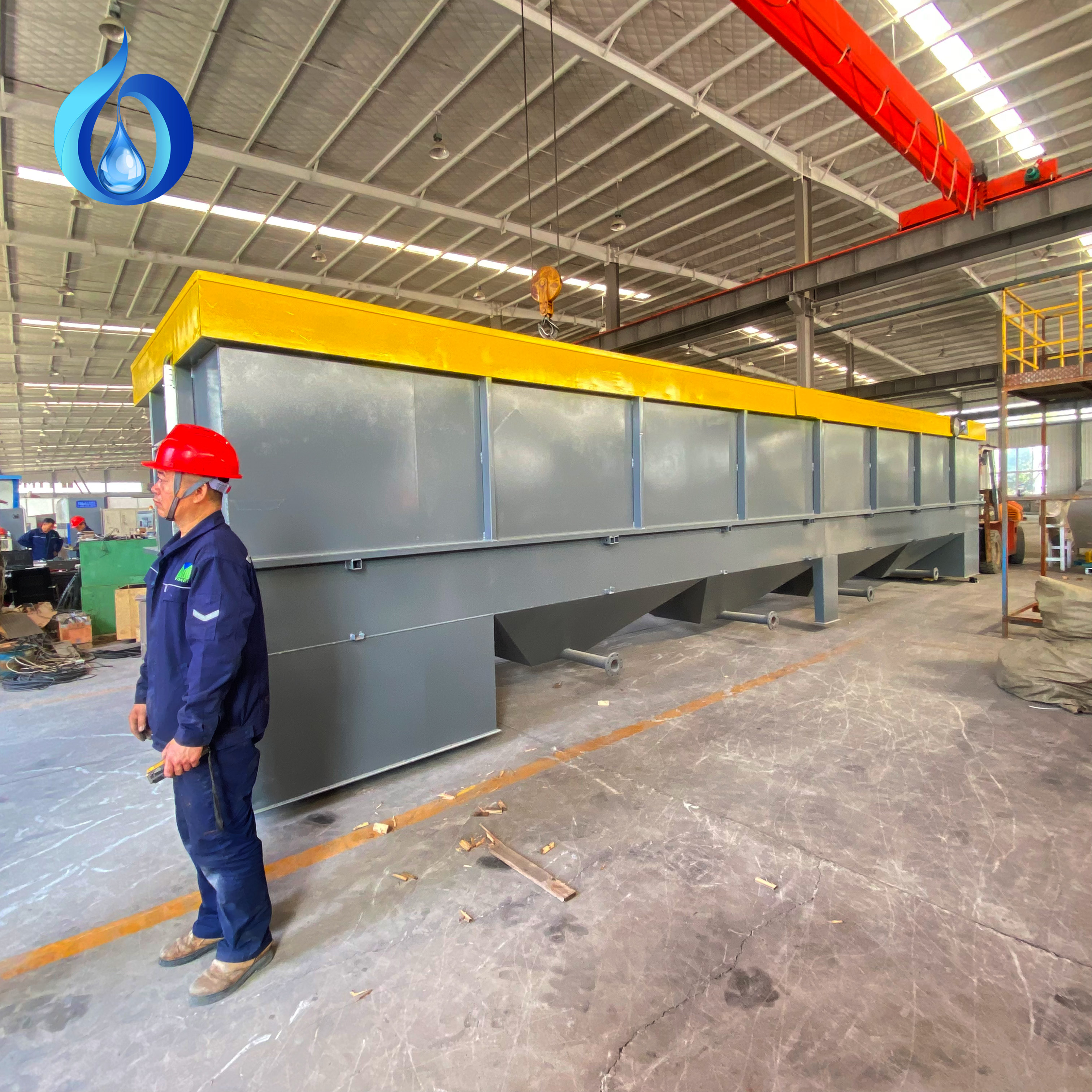
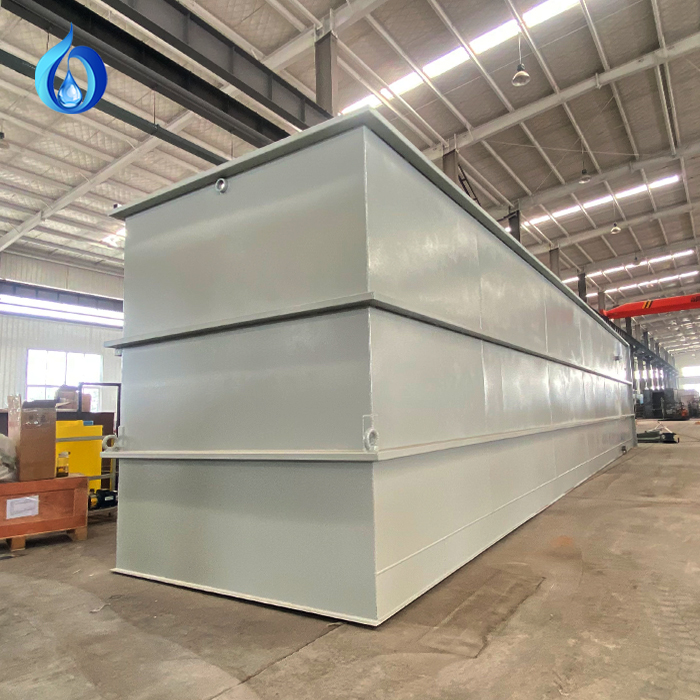
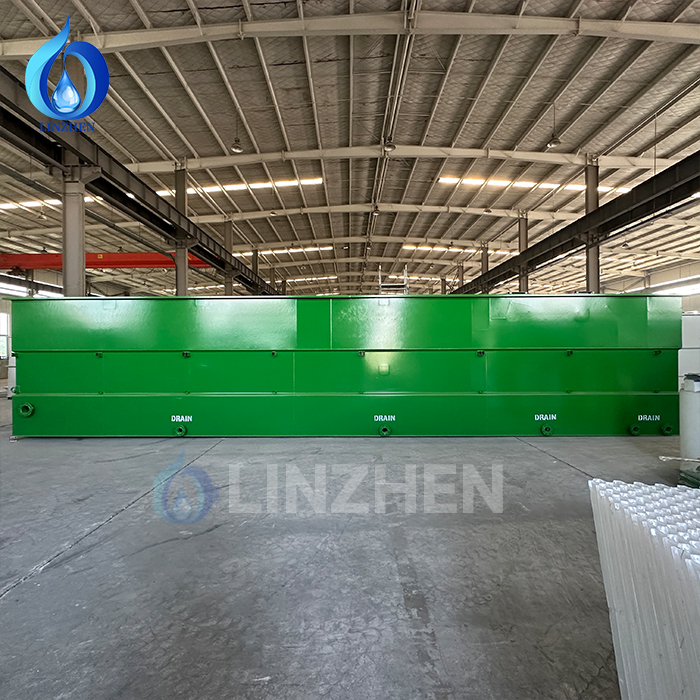
Algae blooms in fish farm ponds represent one of the most persistent operational challenges facing aquaculture producers worldwide. These toxic blooms rapidly deplete dissolved oxygen, severely reduce water quality, and threaten fish health and overall stock survival. A specialized dissolved air flotation system has emerged as one of the most effective technologies for addressing this critical problem, offering superior algae removal efficiency compared to traditional settling basins or mechanical filtration units. Understanding why a modern dissolved air flotation system performs so exceptionally well requires examining both the physical mechanics of the flotation process and the unique surface characteristics of microscopic algae particles present in aquaculture production environments.
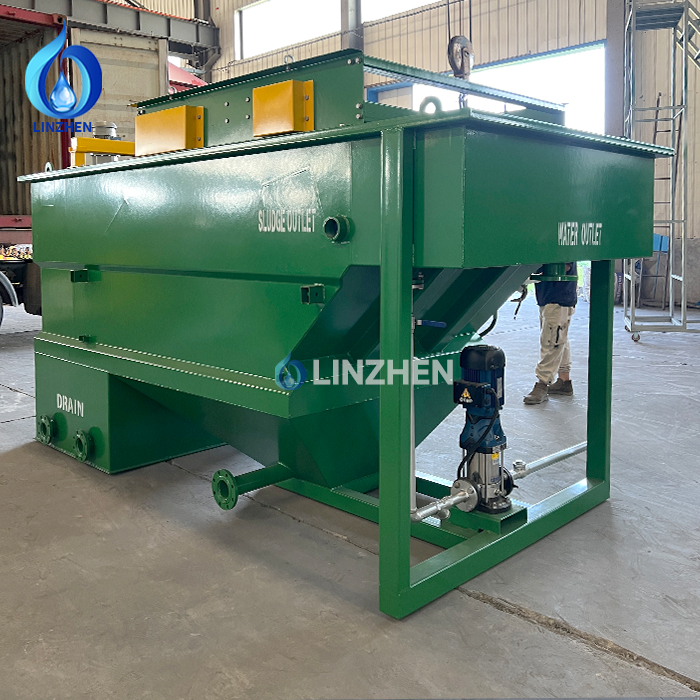
The primary engineering advantage of a dissolved air flotation system lies in its ability to convert suspended algae particles into buoyant aggregates that rise to the surface rather than attempt to settle. Unlike conventional clarifiers that rely on gravity to pull heavier solid particles downward, a dissolved air flotation system uses pressurized air injection to generate millions of microscopic air bubbles. These micro-bubbles quickly attach to suspended algae cells, dramatically accelerating solid-liquid removal rates. This unique physical mechanism makes an automated dissolved air flotation system particularly valuable in fish farming operations where rapid algae reduction is essential for maintaining aquaculture productivity, disease resistance, and water quality standards.
How Dissolved Air Flotation Systems Attach to Algae Particles
Micro-Bubble Generation and Attachment
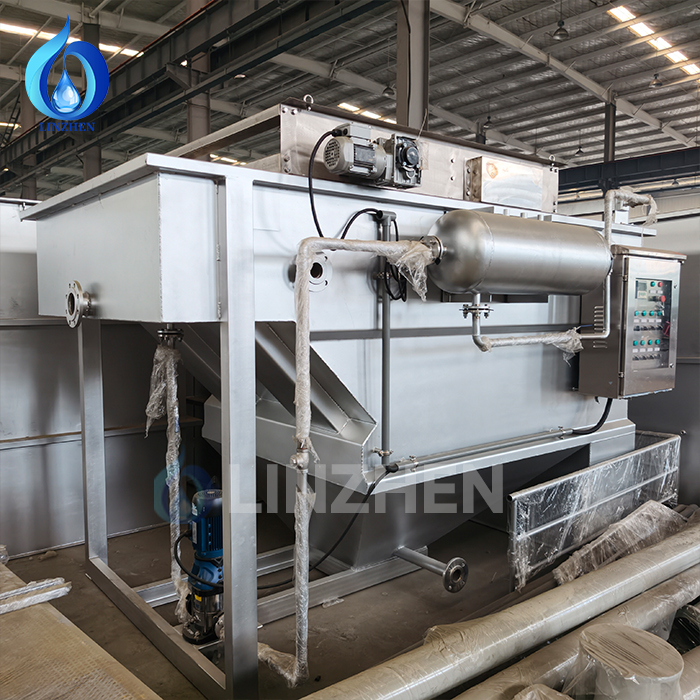
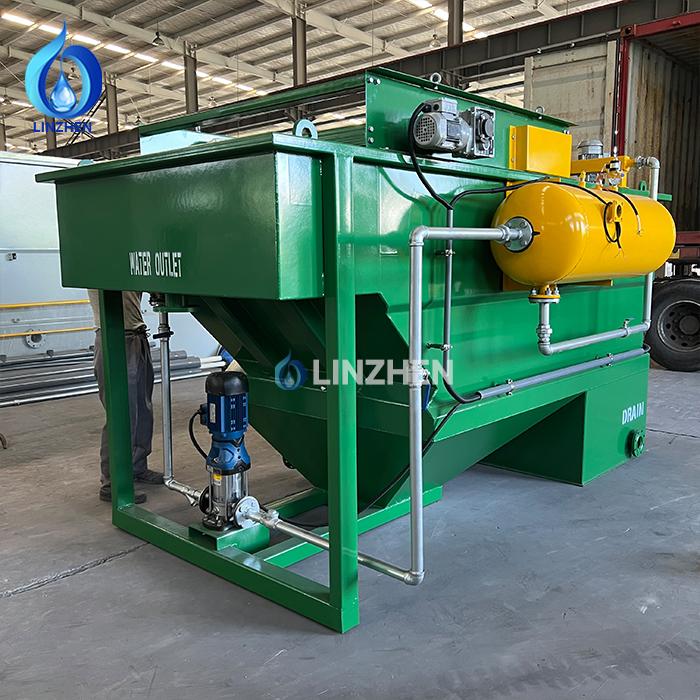
A industrial-grade dissolved air flotation system operates by dissolving pressurized air into recycled water under high pressure, typically between 40 and 60 PSI. When this super-saturated water stream is released into the main flotation tank at atmospheric pressure, the dissolved air instantly comes out of solution as dense clouds of micro-bubbles, each ranging from 10 to 100 micrometers in diameter. These tiny micro-bubbles are sized perfectly to attach directly to individual algal cells and light organic particulates. The algae cells found in commercial fish ponds possess hydrophobic surface properties that naturally attract air bubbles, forming strong bonds between the bubble interfaces and the algal cell walls. As the dissolved air flotation system continuously generates stable bubble populations, the attachment process becomes remarkably efficient, ensuring that the vast majority of suspended algae make direct contact with micro-bubbles within minutes of entering the primary flotation chamber of the dissolved air flotation system.
Biosolids Aggregation and Surface Separation
Once micro-bubbles securely attach to algal cells, individual algae particles begin to aggregate rapidly due to natural cellular adhesion and extracellular sticky polymers within the algal matrix. The internal geometry of a dissolved air flotation system accelerates this aggregation by maintaining calm, low-shear hydraulic conditions inside the flotation zone, allowing particles to collide and bind together without breaking apart. As these bubble-laden particles combine, they form large, light flocs that float swiftly to the surface. The dissolved air flotation system then separates these concentrated surface biosolids using an automated mechanical skimming mechanism, such as a rotating paddle or traveling scraper, which continuously pushes the accumulated sludge blanket into disposal troughs. This reliable separation process explains why a well-calibrated dissolved air flotation system achieves total algae removal efficiencies between 80 and 95 percent during a single pass through the treatment vessel.
Why Dissolved Air Flotation Systems Outperform Traditional Methods
Comparison to Gravity Settling
Conventional settling tanks rely strictly on gravitational force to separate solids, which requires target particles to be substantially denser than water so they can sink to the tank bottom. However, most freshwater algae species in aquaculture ponds possess extremely low cellular density and internal gas vacuoles, making them naturally float or remain indefinitely suspended in the water column. A dissolved air flotation system overcomes this fundamental physical limitation by making particle density completely irrelevant; positive buoyancy becomes the main driver of separation instead of gravity. Consequently, a dissolved air flotation system works alongside algae's natural physical tendencies rather than struggling against them. While gravity clarification requires retention times of 4 to 8 hours to achieve minor algae reduction, a compact dissolved air flotation system delivers superior water clarity in just 20 to 40 minutes, providing a far faster and more footprint-efficient treatment solution for modern fish farms.
Coagulation-Flotation Integration
Many commercial aquaculture operations maximize the performance of a dissolved air flotation system by dosing chemical coagulants directly upstream of the flotation contact zone. Coagulating agents, such as ferric chloride or polyaluminum chloride, quickly neutralize the negative electrical charges present on raw algal cell surfaces. This chemical reaction causes tiny cells to clump into larger, cohesive flocs that a dissolved air flotation system can trap and lift with extreme ease. Integrating chemical dosing into a dissolved air flotation system turns the equipment into an advanced multi-stage purification asset. When properly operated, this combined coagulation and flotation process eliminates visible algae blooms alongside dissolved algal toxins, organic color, and unwanted taste and odor compounds. The dissolved air flotation system then continuously outputs clear, biologically safe pond water that safeguards fish stock, improves feeding response, and lowers overall disease transmission risks.
Operational Advantages of Dissolved Air Flotation Systems in Fish Farming
Energy Efficiency and Reduced Sludge Volume
A modern dissolved air flotation system consumes significantly less electrical energy than mechanical agitation or continuous deep-water aeration setups because air dissolution occurs in a small, pressurized side-stream rather than through massive, power-hungry blower networks. The micro-bubbles produced within a dissolved air flotation system offer a exceptionally high surface-area-to-volume ratio, maximizing particle contact while minimizing overall compressed air volume requirements. This efficient design directly lowers daily energy bills for farm operators. Furthermore, a dissolved air flotation system concentrates collected algal biomass at the top of the water tank into a thick sludge layer with high dry-solids content. Collecting concentrated sludge from the surface of a dissolved air flotation system is far easier than dredging wet bottom mud, substantially reducing waste handling expenses. Fish farmers can even repurpose this nutrient-rich, concentrated algal sludge into organic crop fertilizer or soil amendments.
Flexibility and System Scalability
The modular design of a dissolved air flotation system allows operators to quickly fine-tune processing capacity by adjusting saturation air pressures, hydraulic feed rates, or coagulant dosing levels. A commercial dissolved air flotation system can easily be sized from small portable units handling localized nursery ponds up to massive multi-train installations processing millions of gallons daily. This flexibility makes deploying a dissolved air flotation system feasible for both family-owned fish farms and large-scale industrial aquaculture facilities. As production demands expand, farms can install additional dissolved air flotation system modules in parallel without disrupting existing plumbing networks or requiring complete infrastructure overhauls. Standard routine maintenance for a dissolved air flotation system is straightforward and minimal, generally consisting of periodic checks on the air saturation vessel, routine pump seal inspections, and basic surface skimmer wipe-downs.
FAQ
Can a dissolved air flotation system handle multiple types of algae simultaneously?
Yes, a high-efficiency dissolved air flotation system treats nearly all freshwater, brackish, and marine algae species commonly found in aquaculture ponds, including green microalgae, toxic cyanobacteria, and diatoms. Because the micro-bubble attachment mechanism in a dissolved air flotation system depends on universal physical surface properties rather than specific biological traits, a single dissolved air flotation system operates reliably across shifting seasonal algae populations.
How does water temperature affect dissolved air flotation system performance?
Water temperature directly impacts a dissolved air flotation system by influencing gas solubility and micro-bubble size. Cold water dissolves higher volumes of air, enabling a dissolved air flotation system to produce dense micro-bubble clouds at lower operating pressures. In contrast, warmer pond water reduces air solubility slightly, requiring a dissolved air flotation system to operate at marginally higher pressure settings to maintain identical bubble densities and treatment efficiencies.
What maintenance does a dissolved air flotation system require to sustain algae removal efficiency?
To maintain peak performance in a dissolved air flotation system, operators should inspect the air saturation system monthly, clean air injection nozzles periodically, and perform routine checks on the surface skimmer assembly. Keeping the air release components clean prevents nozzle clogging and ensures the dissolved air flotation system consistently achieves 80 to 95 percent algae removal rates year-round.
 EN
EN