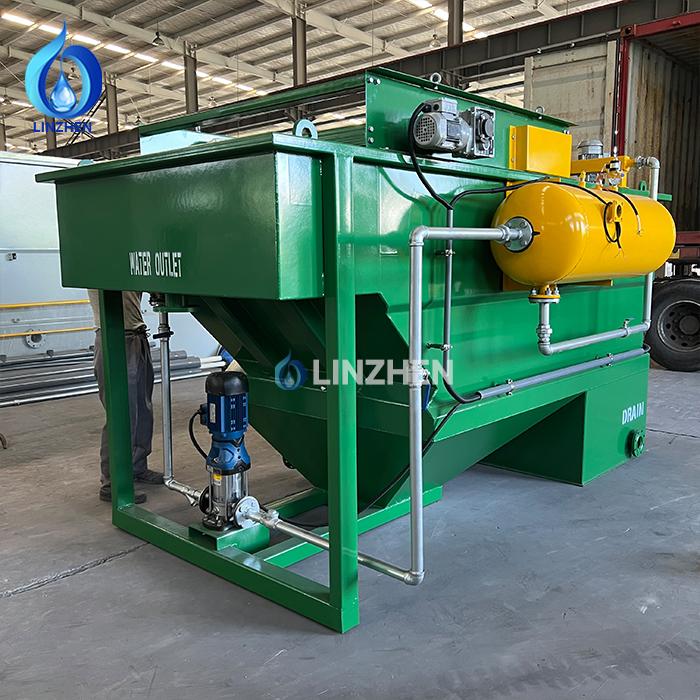
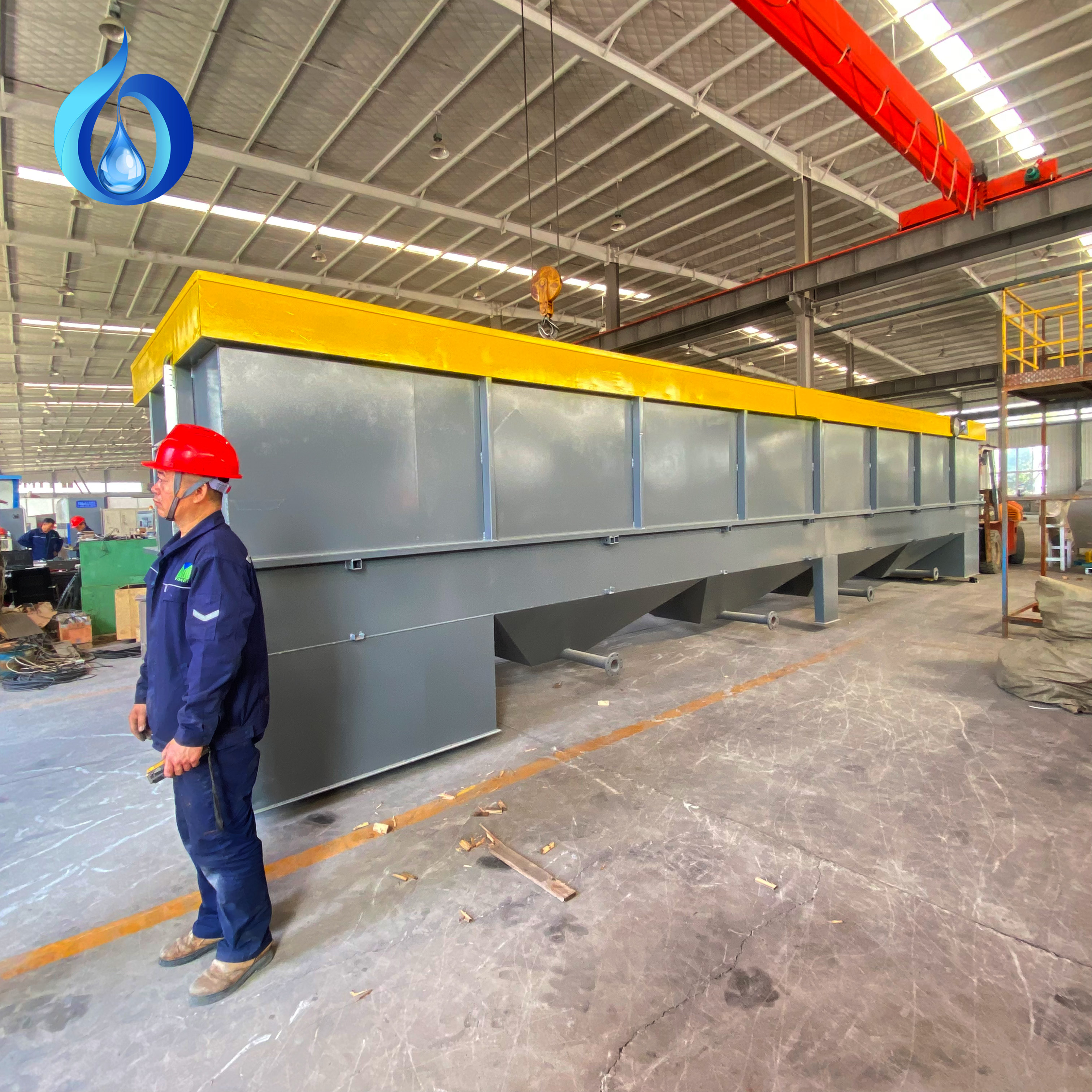
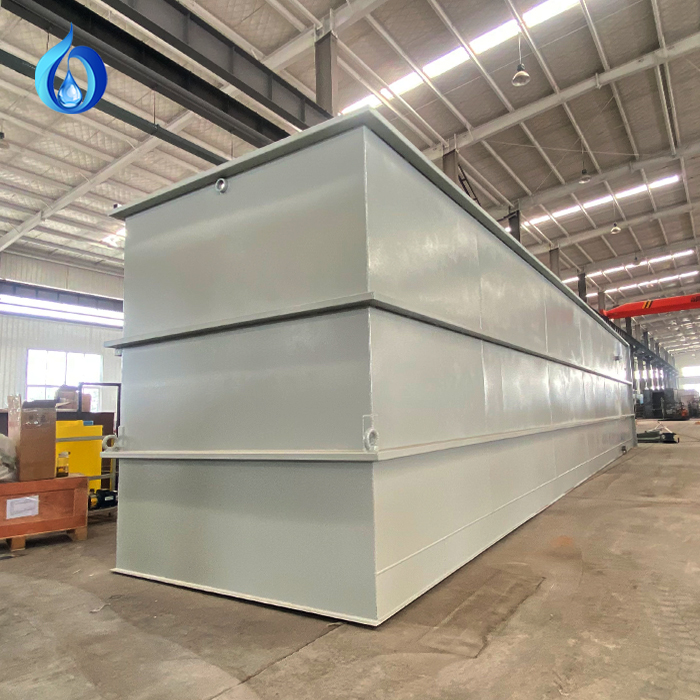
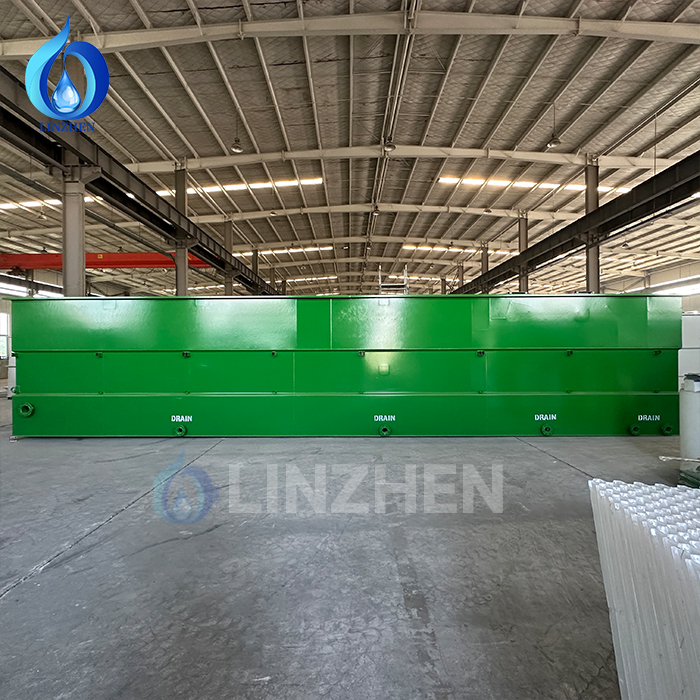
Managing complex liquid discharge from dense industrial parks demands reliable utility infrastructure, making a centralized waste water treatment plant a cornerstone of sustainable regional manufacturing. Industrial manufacturing processes produce high volumes of contaminated effluent containing heavy metals, organic pollutants, and suspended solids. When facilities operate without access to a shared waste water treatment plant, individual factories face severe compliance risks, inflated operational costs, and potential legal liabilities. Implementing a unified, high-capacity waste water treatment plant streamlines regulatory reporting and provides scalable processing power for the entire industrial zone.
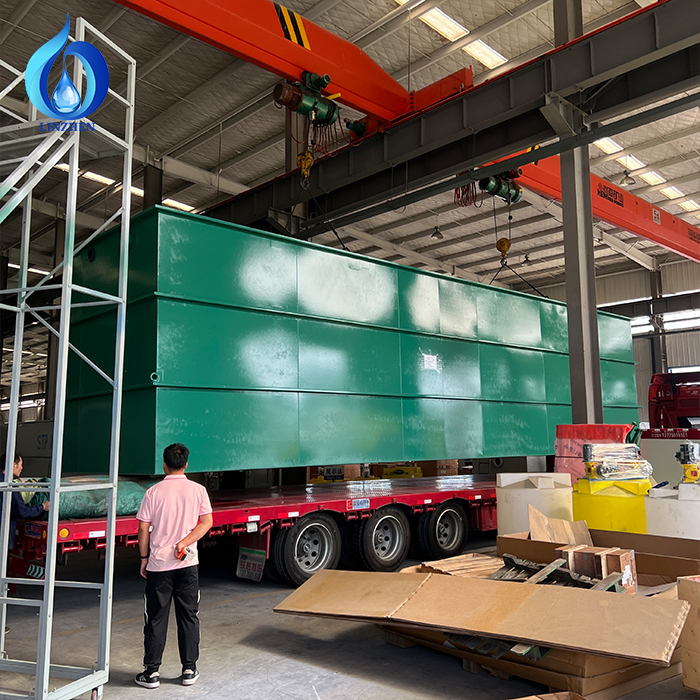
Modern manufacturing parks generate highly varied waste streams that present technical challenges for small, localized treatment setups. A comprehensive waste water treatment plant aggregates incoming liquid streams, applies cost-effective economies of scale, and utilizes advanced purification technologies that single plants cannot afford. Transitioning to a centralized waste water treatment plant model converts fragmented environmental liabilities into an organized, highly efficient system. By delegating discharge management to a dedicated waste water treatment plant, participating manufacturers can concentrate their capital and effort on primary production goals.
Regulatory Compliance and Risk Mitigation
Streamlining Environmental Discharge Permits
Manufacturing zones face strict environmental oversight requiring the systematic reduction of chemical oxygen demand, total dissolved solids, and toxic compounds. Individual factories attempting to process raw discharge independently often lack the monitoring equipment and certified technical personnel needed to maintain regulatory compliance. A centralized waste water treatment plant consolidates regional compliance duties under a unified operating structure. Featuring automated water testing instruments, a modern waste water treatment plant ensures that all discharged water consistently satisfies local and national environmental standards, reducing administrative burdens across the park.
Operational failures at individual manufacturing sites can lead to severe environmental contamination, resulting in heavy fines or forced site closures. Operating a centralized waste water treatment plant creates clear accountability and establishes a single point of environmental protection. Consolidating all liquid streams into a single waste water treatment plant protects local groundwater aquifers and surface water bodies from accidental chemical spills. Environmental inspectors can easily audit a centralized waste water treatment plant, fostering strong community trust and predictable regulatory conditions for all member companies.
Financial Efficiency and Resource Allocation
Reducing Operating Expenses Through Shared Utility Assets
Building and running a high-capacity waste water treatment plant requires substantial capital investment and continuous operational expenditure. For small and mid-sized manufacturing plants, constructing on-site treatment systems creates an unbearable financial burden. Connecting to a shared waste water treatment plant eliminates redundant capital outlays and drastically reduces ongoing maintenance costs. Because a large-scale waste water treatment plant processes higher total fluid volumes, it achieves lower per-unit treatment costs than small standalone units, helping member facilities lower their total operational expenditures.
Centralized facilities also provide access to cutting-edge purification machinery, such as reverse osmosis units, multi-stage biological reactors, and automated chemical dosing units. A large-scale waste water treatment plant can justify installing smart process control systems and energy-recovery turbines that smaller facilities cannot afford. By leveraging these technological advantages, a centralized waste water treatment plant lowers energy usage and chemical consumption per cubic meter processed. Consequently, manufacturers connected to the waste water treatment plant enjoy dependable processing at predictable, cost-effective rates.
Sustainability and Circular Water Reuse
Preventing Ecological Degradation and Groundwater Contamination
Industrial zones built near sensitive agricultural regions or municipal water basins must maintain strict pollution control measures. Unregulated or poorly treated discharge poses grave risks to soil quality and municipal water supplies. A continuously monitored waste water treatment plant prevents hazardous effluent from escaping into surrounding ecosystems without thorough purification. By ensuring all liquid waste passes through a multi-barrier waste water treatment plant, industrial parks prevent localized pollution events and build a strong reputation for environmental responsibility.
Beyond environmental protection, a advanced waste water treatment plant enables valuable water reclamation and closed-loop reuse programs. Tertiary effluent produced by a modern waste water treatment plant can be safely recirculated back to manufacturing plants for industrial cooling, equipment washing, or boiler feed water. Utilizing reclaimed water from a waste water treatment plant decreases fresh water purchases and supports corporate sustainability targets. Converting liquid waste into reusable industrial water through a waste water treatment plant transforms compliance costs into tangible resource conservation.
Operational Resilience and Expert Management
Absorbing Influent Spikes and Managing Production Disruptions
Factories frequently experience volume surges or chemical variations due to equipment cleaning, production shifts, or batch manufacturing schedules. A large waste water treatment plant offers the volumetric capacity and buffering needed to absorb sudden loading spikes without process failure. The inherent hydraulic capacity of a centralized waste water treatment plant ensures that sudden discharge spikes from one facility do not compromise overall effluent quality or interrupt service for other park tenants.
Effective operation of a complex waste water treatment plant requires specialized expertise in chemical engineering, microbiology, and environmental law. Centralizing operations allows the industrial park to employ dedicated, highly trained engineers who continuously optimize processing parameters. Professional management of the waste water treatment plant guarantees long-term operational stability, rapid adaptation to new environmental regulations, and ongoing equipment maintenance without placing extra operational demands on individual factory managers.
FAQ
What primary contaminants must an industrial waste water treatment plant remove?
An industrial waste water treatment plant must remove total suspended solids, heavy metals, synthetic organic chemicals, oils, and nutrients like nitrogen and phosphorus. The specific configuration of a waste water treatment plant depends on the manufacturing sectors within the park, utilizing primary settling, biological treatment, and advanced filtration stages to meet legal discharge standards.
How does a centralized waste water treatment plant lower costs for manufacturing facilities?
A centralized waste water treatment plant spreads initial capital equipment expenses and daily operational costs across multiple facilities. By consolidating fluid volumes, a shared waste water treatment plant achieves lower energy and chemical costs per unit volume processed, enabling individual factories to pay low usage fees rather than operating expensive on-site treatment systems.
Can a centralized waste water treatment plant support industrial water recycling programs?
Yes, a modern waste water treatment plant equipped with advanced tertiary membrane filtration can generate high-quality reclaimed water suitable for industrial reuse. Recirculating treated water from the waste water treatment plant reduces freshwater consumption, lowers utility bills, and supports sustainable circular economy practices throughout the industrial park.
 EN
EN