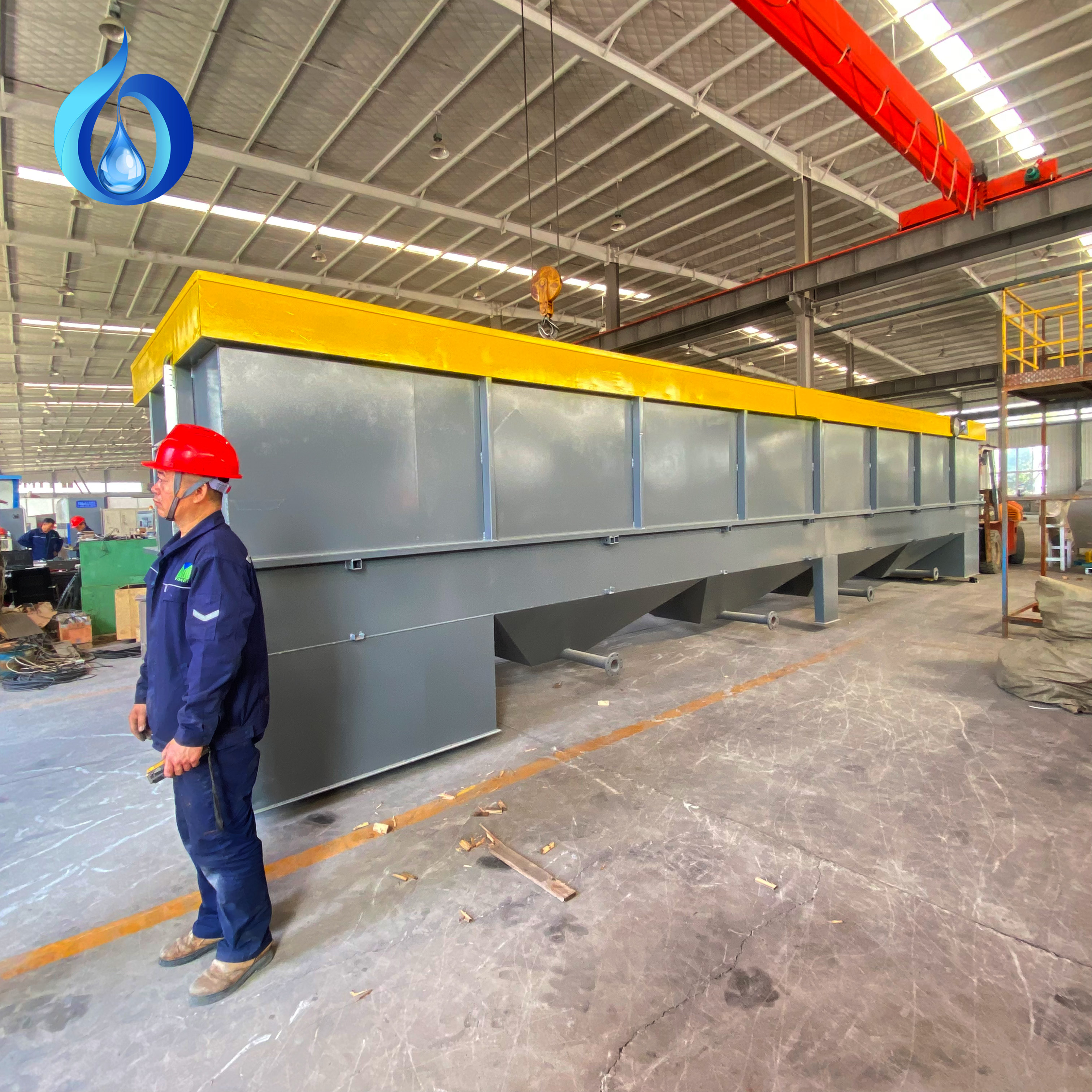
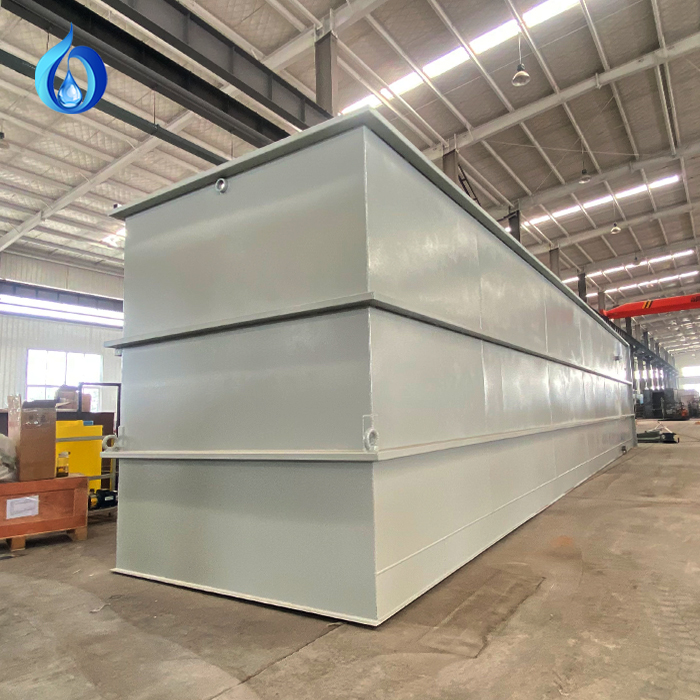
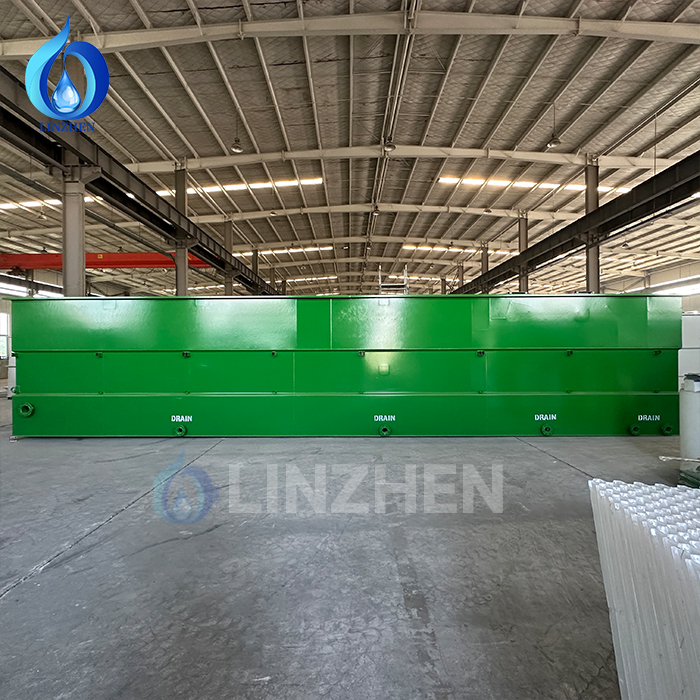
Industrial facilities and municipalities increasingly face a critical challenge: installing effective wastewater treatment systems within confined indoor spaces. A compact wastewater treatment system design becomes essential when floor space is limited, construction budgets are tight, or existing buildings cannot accommodate traditional treatment infrastructure. Understanding which wastewater treatment system architectures minimize floor space while maintaining operational efficiency is crucial for facility planners, engineers, and decision-makers seeking sustainable solutions that do not compromise treatment performance or regulatory compliance.
Modern wastewater treatment system innovations have transformed how industries approach space constraints. Vertical integration, advanced biological processes, and modular configurations allow a wastewater treatment system to fit into urban centers, retrofit projects, and industrial zones where land availability is restricted. This article explores the most space-efficient wastewater treatment system designs, their operational mechanics, practical applications, and the factors that determine whether a specific wastewater treatment system architecture suits your facility's unique requirements.
Vertical Integration and Multi-Stage Wastewater Treatment System Designs
Stacked Treatment Processes in Compact Wastewater Treatment System Architecture
The most effective compact wastewater treatment system designs employ vertical stacking to consolidate multiple treatment stages within a minimal footprint. Traditional wastewater treatment system layouts spread treatment tanks horizontally across large properties; however, a modern wastewater treatment system using vertical integration places primary clarification, biological reactors, secondary settling, and filtration units in a columnar arrangement. This vertical wastewater treatment system approach reduces floor space requirements by 50% to 70% compared to conventional horizontal treatment configurations. Gravity flow between stacked stages maintains process efficiency while eliminating the need for pump-intensive recirculation that would otherwise demand additional piping and operational complexity.
Industrial facilities implementing a vertical wastewater treatment system report significant cost savings in site acquisition and construction. The consolidated wastewater treatment system footprint allows factories, food processing plants, and pharmaceutical facilities to integrate treatment directly into existing buildings or adjacent structures. Structural engineering for a compact wastewater treatment system must account for load distribution, maintenance access, and tank material durability; however, these design considerations are manageable within standard industrial construction practices and typically add minimal expense to overall project costs.
Advanced Aeration Technologies in Space-Efficient Wastewater Treatment System Models
Membrane bioreactors (MBRs) and sequencing batch reactors (SBRs) represent two advanced wastewater treatment system technologies that deliver high treatment performance within remarkably small floor areas. An MBR-based wastewater treatment system combines biological treatment with ultrafiltration in a single vessel, eliminating the need for separate secondary clarifiers that consume significant floor space in conventional designs. A wastewater treatment system using SBR technology completes all treatment stages—aeration, settling, decanting—in a single tank operating on a time-based cycle, further reducing the physical infrastructure required.
These advanced wastewater treatment system options excel in compact indoor environments because they achieve effluent quality comparable to or superior to extended-aeration systems while occupying 40% less space. However, a wastewater treatment system selection between MBR and SBR technology depends on influent characteristics, permitted discharge limits, and available technical expertise. An MBR-type wastewater treatment system typically requires robust membrane maintenance protocols, while an SBR-style wastewater treatment system demands precise automation and control systems to manage cycle timing accurately.
Biological Process Optimization for Minimal-Footprint Wastewater Treatment System Performance
Extended Aeration and Activated Sludge Modifications
The extended aeration process remains one of the most reliable wastewater treatment system configurations for small to medium industrial applications, and modern engineering has adapted this proven biology into space-conscious designs. By increasing mixed liquor suspended solids (MLSS) concentrations within a wastewater treatment system, operators can achieve higher organic loading rates in a reduced aeration basin volume. A high-efficiency wastewater treatment system operating at elevated MLSS densities requires fewer tank dimensions while maintaining treatment stability and regulatory compliance.
Fine-bubble aeration systems paired with efficient diffuser technology enable a wastewater treatment system to maximize oxygen transfer within compact basins. This enhanced wastewater treatment system aeration approach reduces detention time requirements, allowing designers to downsize biological reactors without sacrificing treatment performance. Facilities implementing this optimization in their wastewater treatment system infrastructure report operational flexibility and improved treated effluent quality even at reduced basin volumes.
Attached-Growth Processes and Biofilm Technology Integration
Moving bed biofilm reactor (MBBR) technology represents a transformative approach to space-constrained wastewater treatment system design. Unlike suspended-growth wastewater treatment system processes that rely on biological solids maintaining sufficient residence time, an MBBR-type wastewater treatment system cultivates treatment microorganisms on plastic media that moves freely within the treatment basin. This design innovation allows a wastewater treatment system to achieve equivalent treatment performance in 50% to 60% smaller aeration basin volumes compared to conventional activated sludge configurations.
Rotating biological contactors (RBCs) and submerged aerated filters (SAFs) provide additional attached-growth wastewater treatment system alternatives that minimize floor space while maintaining robust treatment capacity. A properly engineered wastewater treatment system incorporating biofilm technology delivers exceptional organic and nutrient removal in facilities where property costs make traditional designs economically prohibitive. The modular nature of biofilm media allows a wastewater treatment system designer to scale treatment capacity incrementally, adding media stages as facility throughput increases without requiring major infrastructure reconstruction.
Modular and Prefabricated Wastewater Treatment System Architectures
Factory-Assembled Compact Wastewater Treatment System Units
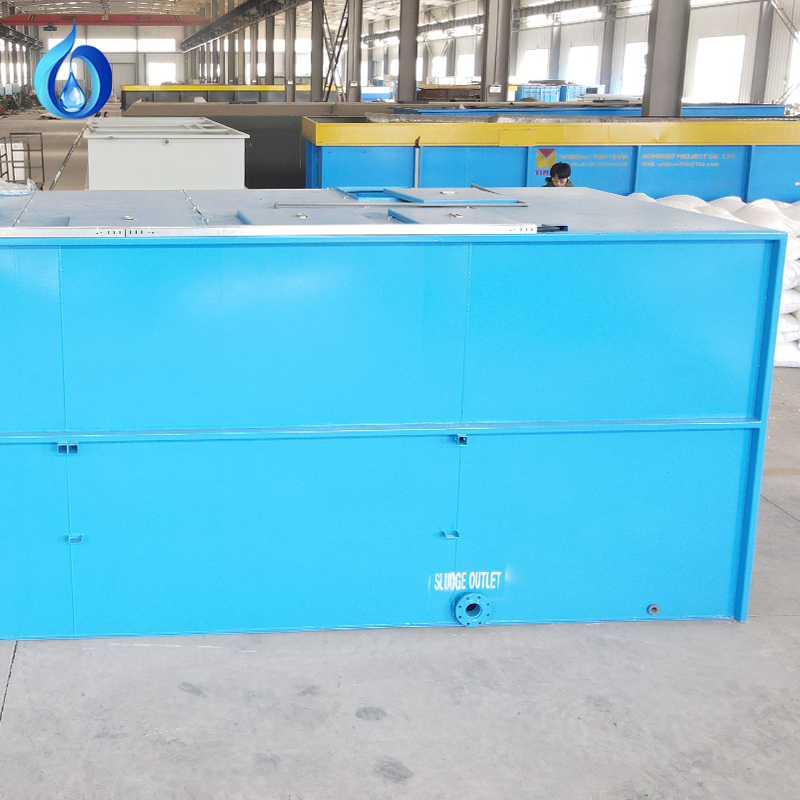
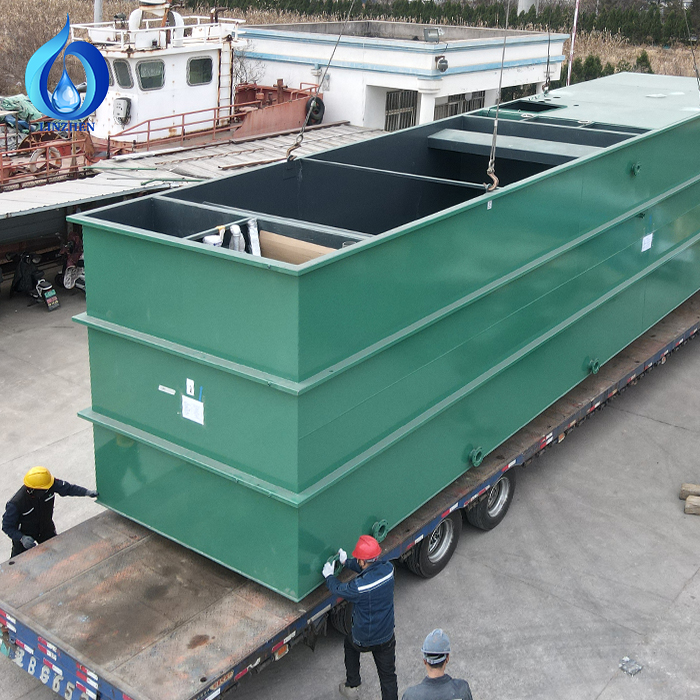
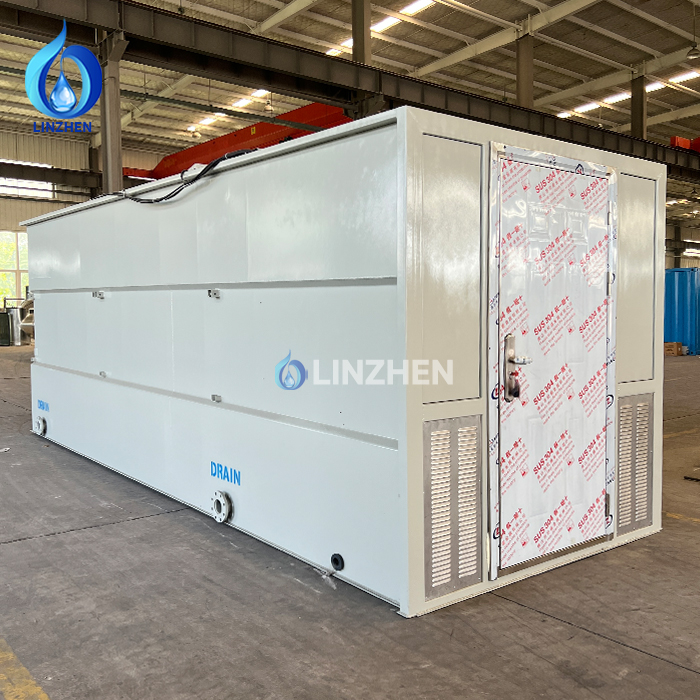
Prefabricated modular wastewater treatment system units manufactured in controlled factory environments represent cutting-edge solutions for space-limited applications. A prefab wastewater treatment system arrives at the facility partially or fully assembled, reducing on-site construction time and ensuring consistent quality control. This type of wastewater treatment system typically integrates screening, primary settling, biological treatment, secondary settling, and UV disinfection into a compact steel or composite container that occupies minimal floor space while delivering municipal-grade effluent quality.
The economic advantage of a prefabricated wastewater treatment system extends beyond floor space savings. Installation expenses decrease because a wastewater treatment system of this design requires minimal excavation, simplified plumbing connections, and straightforward electrical integration. Facilities retrofitting existing buildings find that a compact wastewater treatment system prefabricated unit allows them to maintain ongoing operations while installing treatment infrastructure in previously unusable spaces such as basements, mezzanines, or rooftop areas.
Containerized and Skid-Mounted Wastewater Treatment System Solutions
Containerized wastewater treatment system designs package entire treatment trains into standard shipping containers, enabling rapid deployment in remote locations or temporary industrial applications. A containerized wastewater treatment system can be transported by truck, rail, or ship and positioned on site with minimal infrastructure preparation. This mobility and compact footprint make a wastewater treatment system in container format ideal for pharmaceutical facilities, food processing plants, mining operations, and construction projects requiring temporary or portable treatment solutions.
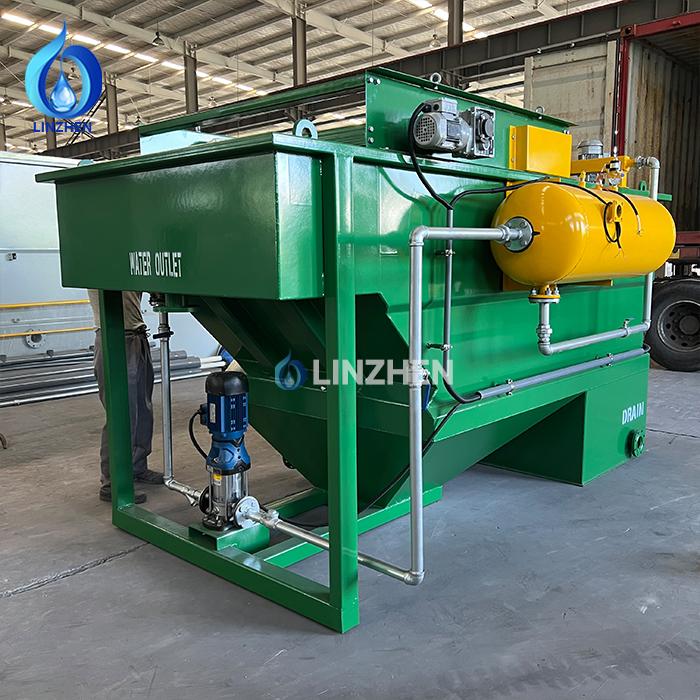
Skid-mounted wastewater treatment system configurations offer similar advantages with enhanced flexibility for system expansion. A modular wastewater treatment system installed on skid frames allows facility managers to add treatment capacity by installing additional units side-by-side, optimizing floor space utilization across multiple smaller footprints rather than one massive basin. This scalable approach to wastewater treatment system design reduces upfront capital investment while preserving flexibility for future flow increases.
FAQ
Which wastewater treatment system design is most space-efficient for high-strength industrial influent?
For high-strength wastewater, an MBBR-type wastewater treatment system combined with a membrane bioreactor polishing stage delivers excellent treatment performance in a minimal floor space. This hybrid wastewater treatment system approach concentrates biological treatment capacity using biofilm media while the membrane filtration stage provides superior effluent quality suitable for stringent discharge regulations. The compact footprint of this wastewater treatment system configuration makes it practical for facilities processing food, beverages, chemicals, or pharmaceuticals where treatment efficiency and small spatial requirements are both critical priorities.
Can a wastewater treatment system be installed underground to save floor space?
Yes, a partially or fully buried wastewater treatment system represents an excellent approach to floor space optimization when site conditions permit underground installation. Underground placement of a wastewater treatment system preserves aboveground property for production operations, parking, or landscape while maintaining full treatment functionality. However, a subsurface wastewater treatment system requires careful hydrogeological assessment, ground stability evaluation, and structural design to prevent flooding, soil infiltration, or structural failure during installation and long-term operation.
How does a compact wastewater treatment system maintain treatment stability in small tank volumes?
A modern compact wastewater treatment system maintains operational stability through advanced process control, automated aeration systems, and optimized microorganism cultivation techniques. Sensors continuously monitor dissolved oxygen, pH, and nutrient levels within the wastewater treatment system, triggering real-time adjustments to pumps and blowers. Biofilm-based technology or elevated MLSS concentrations in a wastewater treatment system create biological resilience that buffers against influent variations, ensuring consistent effluent quality despite reduced detention time and smaller basin dimensions.
 EN
EN