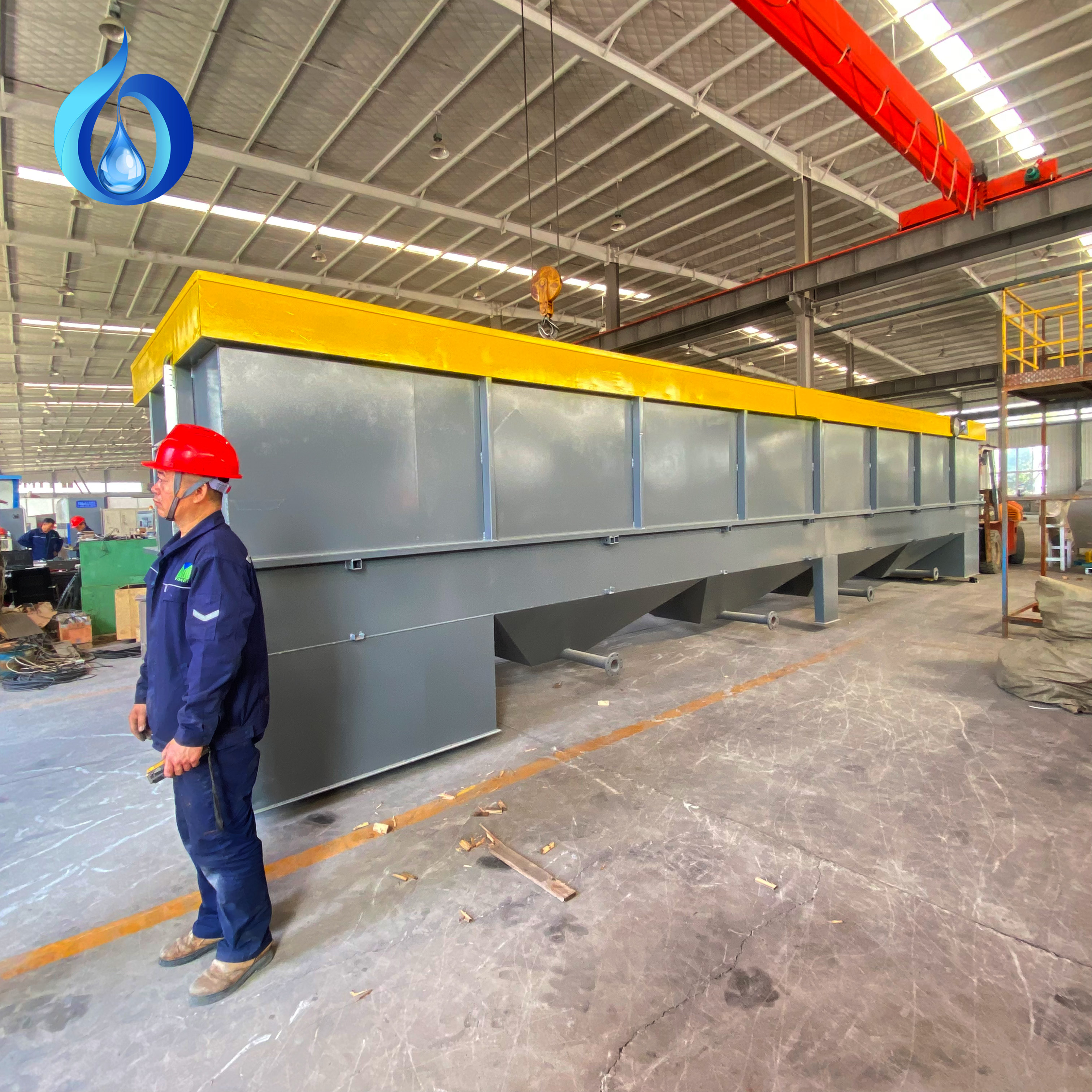
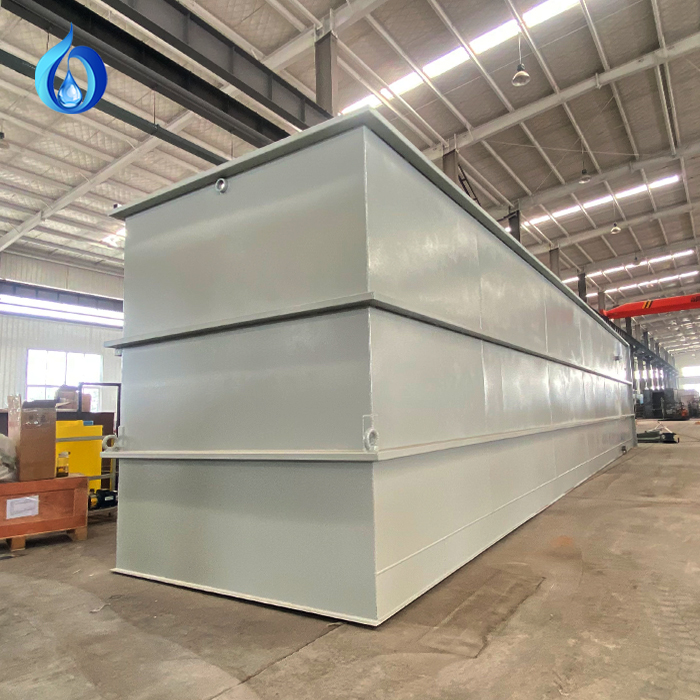
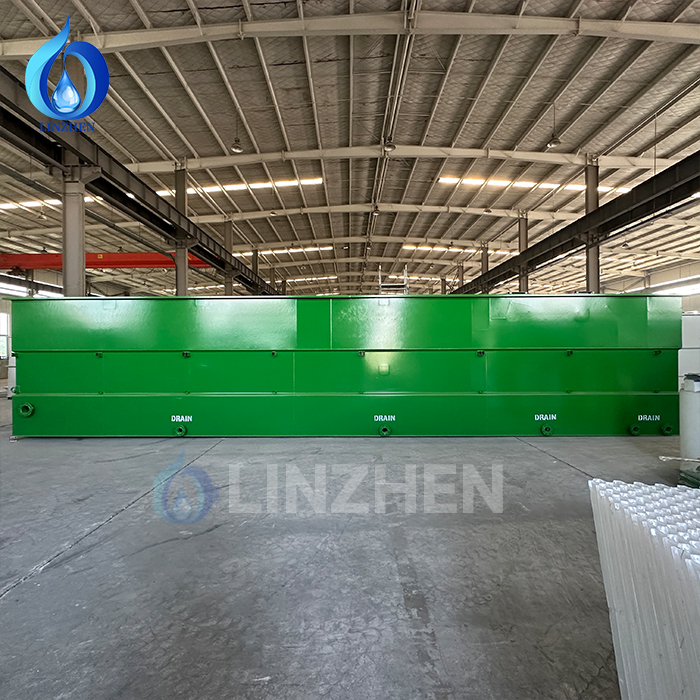
Space constraints represent one of the most persistent challenges in modern wastewater management. Many industrial facilities, municipal treatment plants, and commercial operations face real estate limitations that make traditional wastewater treatment equipment installation difficult or impossible. The question of which wastewater treatment equipment suits compact plant footprints has become increasingly critical as urbanization intensifies and land availability decreases. Organizations must balance regulatory compliance, treatment capacity, and physical space when selecting wastewater treatment equipment for confined environments. This challenge requires deep understanding of available technologies, space-efficient design principles, and practical installation considerations.
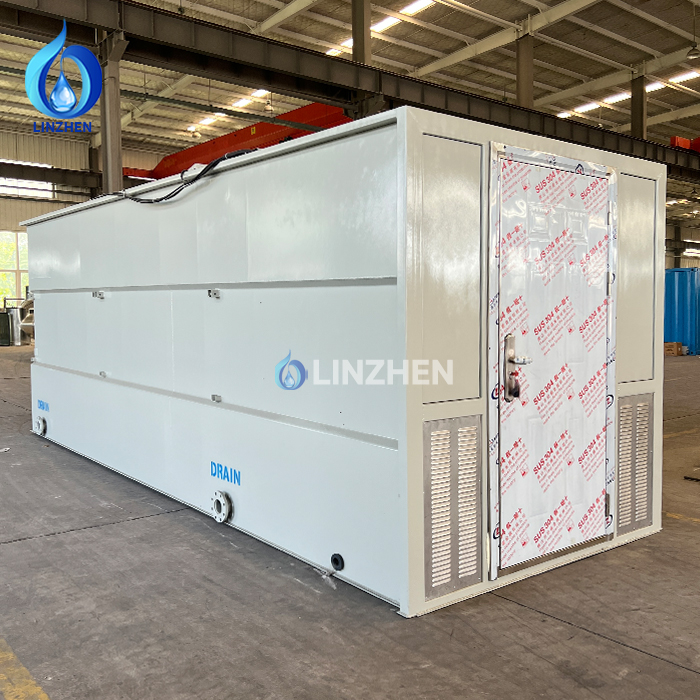
The right wastewater treatment equipment can dramatically reduce the physical footprint required while maintaining or exceeding treatment performance standards. Vertical integration, modular design, and advanced biological processes now enable facilities to achieve compliance in remarkably confined spaces. Understanding which wastewater treatment equipment options work best for your specific constraints requires evaluating multiple technological approaches, comparing efficiency metrics, and matching system capabilities to your operational requirements. This guide examines the most effective wastewater treatment equipment solutions designed specifically for compact environments.
Vertical and Modular Wastewater Treatment Equipment Systems
Space-Optimized Reactor Designs
Vertical wastewater treatment equipment configurations represent a fundamental shift in how facilities approach space efficiency. Rather than expanding horizontally across large land areas, vertical reactor systems stack treatment zones within a much smaller footprint. Sequencing Batch Reactors (SBRs) in compact format combine equalization, aeration, settling, and decanting functions within a single vertical chamber. This integration eliminates the space required for separate treatment basins that conventional wastewater treatment equipment typically demands. Many compact wastewater treatment equipment designs now incorporate multiple stages within one vessel, reducing infrastructure requirements by fifty percent or more.
Modular and Prefabricated Systems
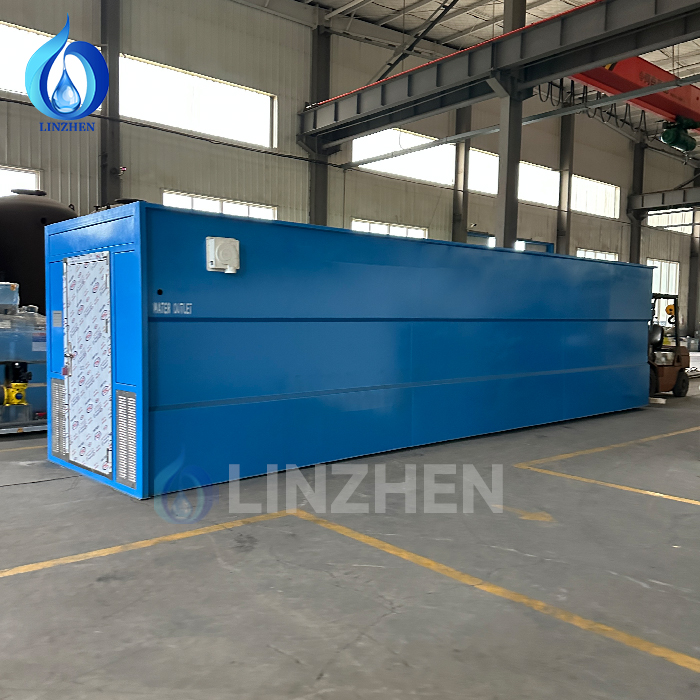
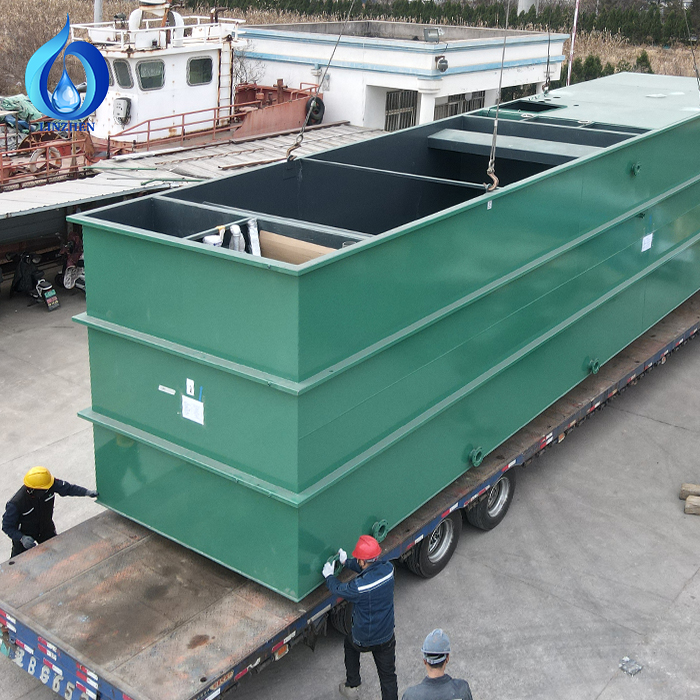
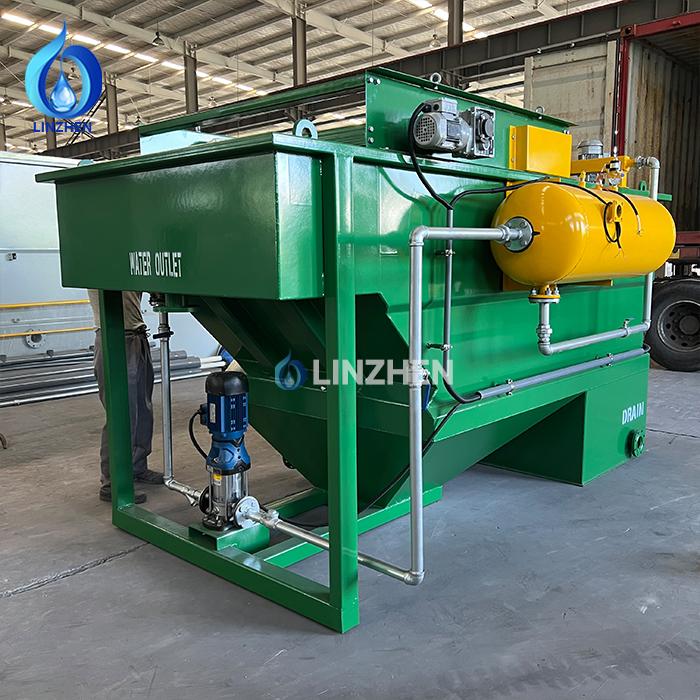
Modular wastewater treatment equipment offers exceptional flexibility for space-constrained installations. Factory-assembled modules arrive ready for integration, eliminating extensive on-site construction that requires additional temporary space. These compact modular wastewater treatment units connect seamlessly through standardized piping and electrical interfaces. Smaller facilities particularly benefit from modular wastewater treatment equipment because capacity can be expanded incrementally without redesigning the entire treatment infrastructure. Prefabrication ensures consistent quality while reducing installation timelines in confined spaces where construction staging becomes challenging.
Advanced Treatment Technologies for Limited Space
Membrane Bioreactor and Membrane Filtration
Membrane bioreactors (MBRs) represent perhaps the most significant advancement in compact wastewater treatment equipment technology. An MBR wastewater system integrates biological treatment and solid-liquid separation within a single vessel, eliminating the need for separate clarifiers that consume substantial space. The membrane filtration element provides superior effluent quality while reducing the physical space required for conventional settling basins. Advanced wastewater treatment equipment using immersed membrane systems achieves higher organic loading rates per unit volume, making MBR wastewater system technology ideal when land is precious. Industries requiring high-quality treated water in space-limited areas increasingly choose MBR-based wastewater treatment equipment.
Moving Bed Biofilm Reactors
Moving bed biofilm reactor (MBBR) wastewater treatment equipment compresses substantial treatment capacity into remarkably compact tanks. The MBBR wastewater treatment equipment design uses plastic biofilm carriers suspended in the liquid medium, dramatically increasing the active biomass concentration without enlarging the reactor volume. This innovative wastewater treatment equipment approach achieves nitrogen removal and organic degradation in tanks thirty to forty percent smaller than conventional activated sludge systems. Facilities installing MBBR wastewater treatment equipment often discover they can meet stringent discharge standards while occupying only a fraction of the space traditional wastewater treatment equipment would demand. The compact nature of MBBR wastewater treatment makes retrofitting existing facilities significantly more practical.
Selection Criteria for Compact Space Applications
Influent Characteristics and Treatment Objectives
Choosing appropriate wastewater treatment equipment requires thorough analysis of incoming wastewater composition and regulatory discharge requirements. BOD and COD levels, suspended solids concentrations, and nutrient content directly influence which wastewater treatment equipment technologies will deliver compliance. Nitrogen and phosphorus removal requirements typically necessitate more sophisticated wastewater treatment equipment than basic organic removal alone. High-strength wastewaters from food processing or pharmaceutical operations may require specialized pretreatment wastewater treatment equipment upstream of the main treatment train. Understanding these characteristics ensures selected wastewater treatment equipment actually matches your plant's specific demands rather than adopting a generic approach.
Operational Complexity and Staffing Constraints
The most effective wastewater treatment equipment for compact facilities often incorporates automation and remote monitoring capabilities. Smaller facilities frequently operate with limited staffing, making highly complex wastewater treatment equipment impractical. Modern compact wastewater treatment equipment increasingly features simplified operation, automated process control, and real-time diagnostics accessible from mobile devices. When evaluating wastewater treatment equipment options, prioritize systems that balance treatment performance with operational simplicity. Excessive wastewater treatment equipment complexity can lead to operational failures that larger facilities with dedicated expertise might avoid.
Influent Load Variability and Flow Management
Many facilities treating variable flows benefit from wastewater treatment equipment designed to handle diurnal or seasonal fluctuations without performance degradation. Equalization basins can reduce the required size of downstream wastewater treatment equipment by smoothing flow variations, though this requires additional space some facilities cannot accommodate. Alternatively, wastewater treatment equipment with inherently flexible hydraulic capacity, such as SBRs or an MBR wastewater system, automatically adjusts treatment intensity to match incoming flow rates. This adaptive nature makes such wastewater treatment equipment particularly suitable for facilities where flow varies significantly throughout operational periods.
FAQ
What footprint reduction can we realistically expect from compact wastewater treatment equipment?
Compact wastewater treatment equipment designs typically reduce required facility footprint by forty to seventy percent compared to conventional treatment infrastructure. Membrane bioreactors and moving bed reactors specifically achieve these significant reductions through higher volumetric treatment efficiency. Your actual reduction depends on inlet wastewater characteristics, discharge standards, and existing site constraints. Sites implementing advanced wastewater treatment equipment often recover land previously reserved for treatment expansion or alternative development purposes.
Can compact wastewater treatment equipment handle variable flow conditions?
Yes, many modern compact wastewater treatment equipment systems excel at managing variable flows. Sequencing batch reactors and an MBR wastewater system inherently accommodate flow fluctuations without significant treatment performance loss. The flexible hydraulic design of these wastewater treatment equipment types makes them ideal for facilities experiencing diurnal variations or seasonal changes in incoming wastewater volumes. Some wastewater treatment equipment installations add flow equalization to further buffer extreme variations.
What maintenance considerations apply to compact wastewater treatment equipment?
Compact wastewater treatment equipment generally requires similar maintenance attention as conventional systems, but in accessible configurations. Membrane wastewater treatment equipment requires periodic backwashing and eventual element replacement. Moving bed wastewater treatment equipment needs carrier media inspection and carrier replacement over extended operational periods. Planning maintenance access during the design phase ensures compact wastewater treatment equipment remains serviceable throughout its operational life without requiring major facility modifications.
 EN
EN