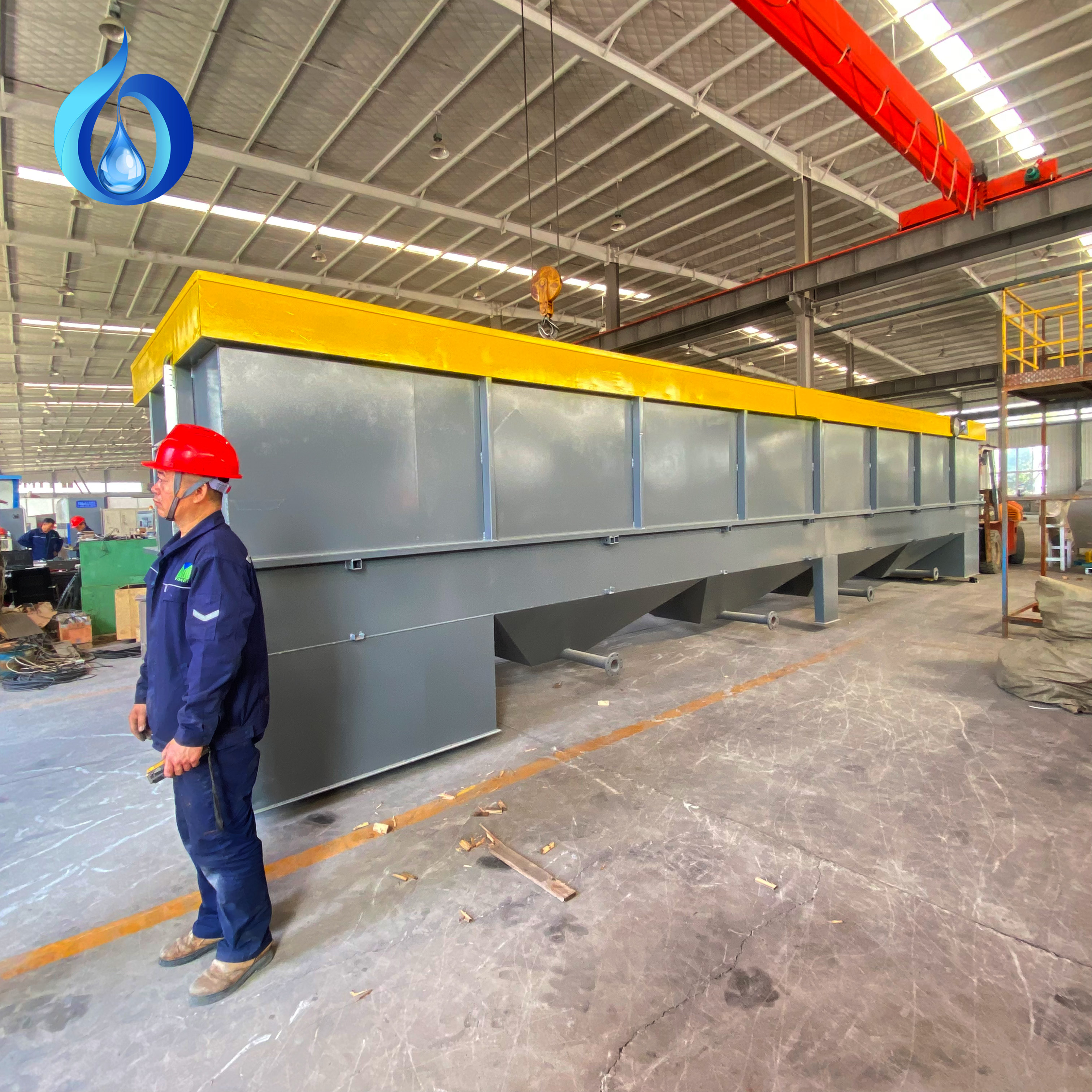
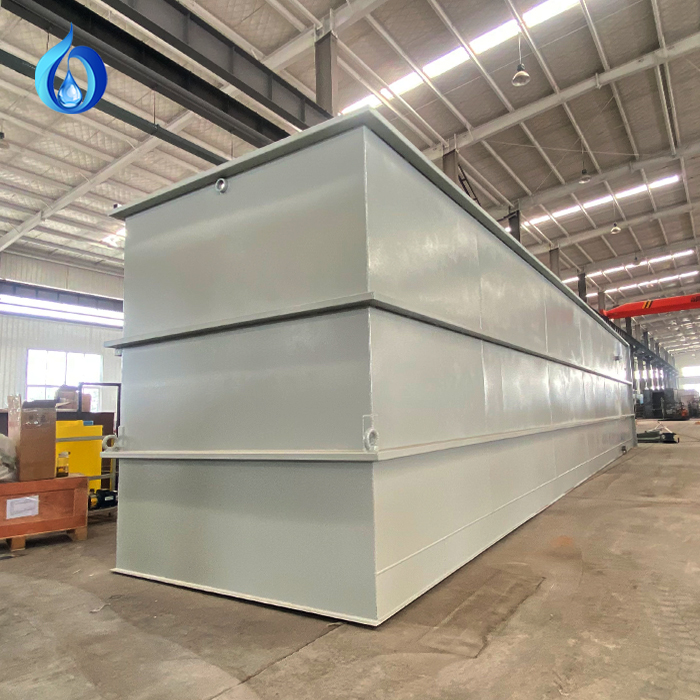
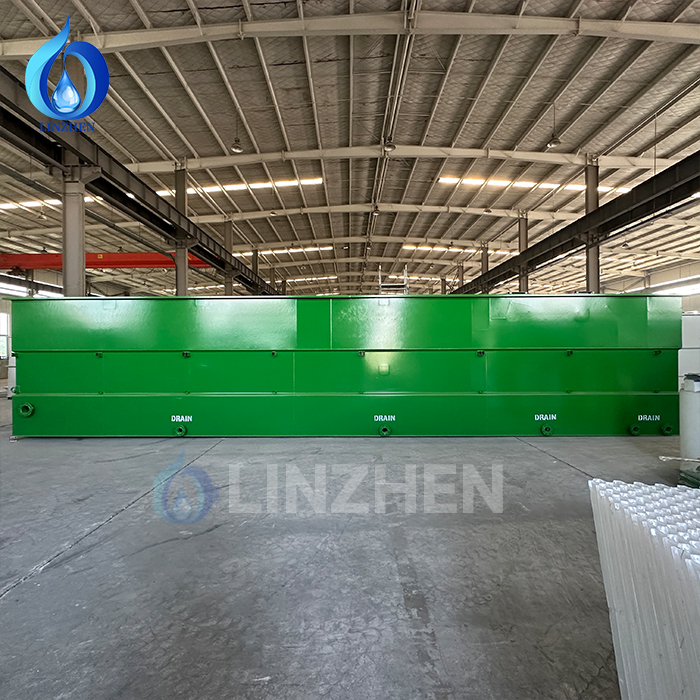
Implementing an advanced membrane bioreactor requires robust upstream preparation to guarantee sustained filtration efficiency. Facility operators must establish comprehensive MBR wastewater treatment pre-screening protocols before commissioning any biological reactor asset. Neglecting coarse debris removal directly accelerates membrane fouling, reduces hydraulic permeability, causes structural fiber damage, and drastically shortens expensive equipment lifespans. Comprehending why preliminary debris capture matters—and deploying the correct multi-stage separation setup—allows facility managers to protect their capital investment and ensure continuous discharge permit compliance.
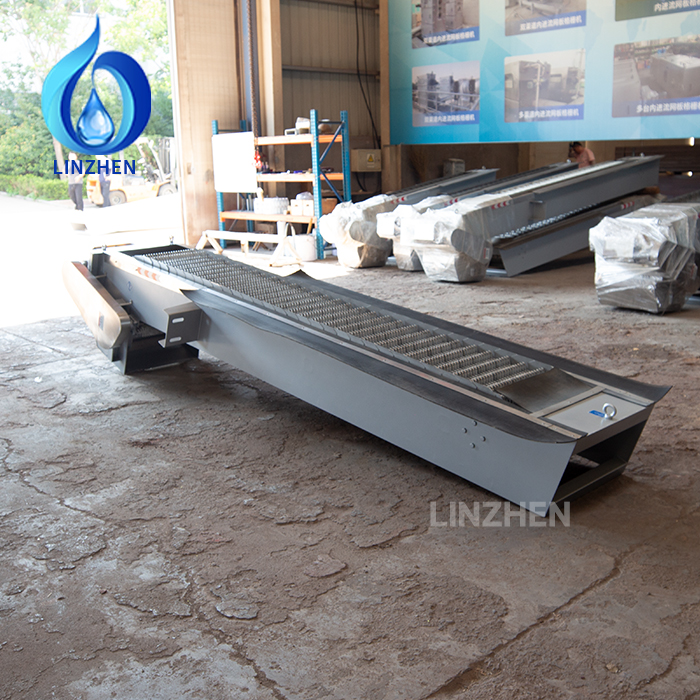
The core biological reactor relies on specialized microfiltration or ultrafiltration modules to separate treated liquid from suspended biomass. However, these hollow-fiber and flat-sheet membranes are extremely vulnerable to coarse solids, rags, hair, and abrasive mineral grit. Integrating reliable mechanical bar screening for MBR operations intercepts large objects before they enter the main biological tank, preserving membrane integrity and securing long-term operational reliability across industrial and municipal applications.
Why Preliminary Solid Separation is Indispensable
Safeguarding Membrane Structural Integrity
Membranes utilized in biological reactors are engineered to filter microscopic suspended solids, not to capture discarded textiles, plastic packaging, or heavy debris. When raw, unscreened liquid enters the biological basin, fibrous materials wrap around the membrane elements, causing severe physical tearing and irreversible flux decline. Utilizing efficient fine screening for membrane protection creates an essential barrier that catches particles larger than one millimeter, preventing premature mechanical failure and protecting the overall treatment workflow.
Maximizing Equipment Lifespan and Reducing Operating Costs
Membrane module replacement represents one of the single largest capital expenditures during a facility's operational lifecycle. Damaged or heavily fouled cartridges require expensive replacement cycles far earlier than their rated design life. By establishing proper upstream separation protocols, plants easily extend membrane durability from a truncated two-year window out to a full decade. This operational longevity improves return on investment and lowers total lifecycle expenses for commercial plant operators.
Core Pre-Treatment Steps for Membrane Bioreactors
Utilizing Mechanical Bar Screening for Coarse Debris
The primary phase of upstream defense involves deploying heavy-duty mechanical bar screening for MBR installations. Parallel steel bars spaced between five and ten millimeters apart physically block large floating objects. Automated mechanical rakes continuously sweep accumulated debris off the bars, preventing flow blinding during peak hydraulic surges. Captured waste is compacted and discharged into secure bins for off-site landfill disposal, ensuring downstream equipment remains free from bulky obstructions.
Executing Specialized Grit Removal Before MBR Operations
Following coarse bar racks, implementing effective grit removal before MBR processing is vital for intercepting heavy inorganic particles like sand, gravel, and glass fragments. If dense grit enters the biological basin, it settles on tank floors and causes severe abrasive wear on pump impellers, piping elbows, and aeration diffusers. Dedicated vortex grit chambers or cyclonic separators capture these abrasive minerals early, making grit removal before MBR a mandatory engineering requirement for plants receiving municipal sewage.
Implementing Fine Screening for Membrane Protection
Microscopic hair strands, synthetic threads, and tiny suspended fibers represent the most difficult contaminants to manage in biological filtration systems. Deploying specialized fine screening for membrane protection utilizes fine polymer or stainless steel mesh apertures ranging from zero point five to three millimeters. Because hair entanglement is the leading cause of irreversible membrane blinding, modern engineering designs mandate automated fine screening for membrane protection to ensure the influent is completely polished before reaching the sensitive biological reactor modules.
Optimizing Equipment Sequence and Hydraulic Management
Sequencing Upstream Assets for Maximum Efficiency
A successful pretreatment train relies on strict sequential ordering of separation equipment. Facilities typically deploy coarse bar racks first to capture large items, followed by vortex basins for heavy mineral settling, and finally micro-mesh strainers for fiber capture. This phased approach guarantees that each individual MBR wastewater treatment pre-screening stage targets specific particle sizes without overloading downstream mechanisms, resulting in exceptionally clean influent entering the filtration basin.
Routine Maintenance and Flow Rate Matching
Consistent equipment inspections are mandatory to sustain optimal plant performance. Bar screens demand daily checks to ensure rakes cycle freely, while grit hoppers require periodic dredging to prevent mineral carryover. Furthermore, engineers must size pretreatment equipment to handle peak hourly surges plus a safety margin, preventing untreated wastewater from bypassing the system during heavy rain events and protecting the core biological asset from sudden contamination.
FAQ
What happens if I omit MBR wastewater treatment pre-screening entirely?
Omitting proper MBR wastewater treatment pre-screening causes rapid membrane fouling, severe fiber wrapping, and physical tears within days. This leads to emergency chemical cleanings, unexpected facility shutdowns, and premature cartridge replacement, driving up operational expenses.
How does mechanical bar screening for MBR differ from fine mesh screening?
While mechanical bar screening for MBR targets large coarse objects like rags and plastics using wide bar spacing, fine screening captures microscopic hairs, textile lint, and small fibers using tight mesh apertures, ensuring complete multi-stage protection.
Why is grit removal before MBR essential for pump protection?
Executing grit removal before MBR eliminates abrasive sand and gravel that would otherwise scour pump impellers, erode piping walls, and accumulate in aeration basins, thereby preventing mechanical breakdowns.
 EN
EN