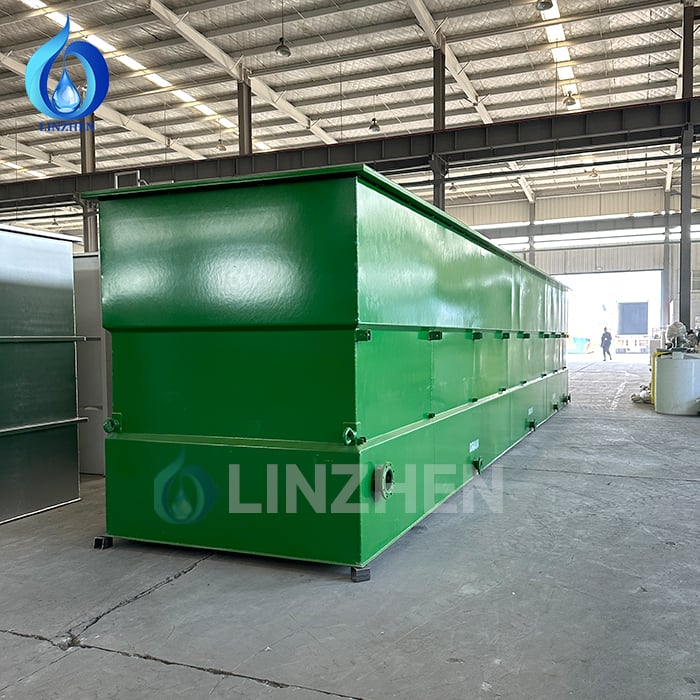
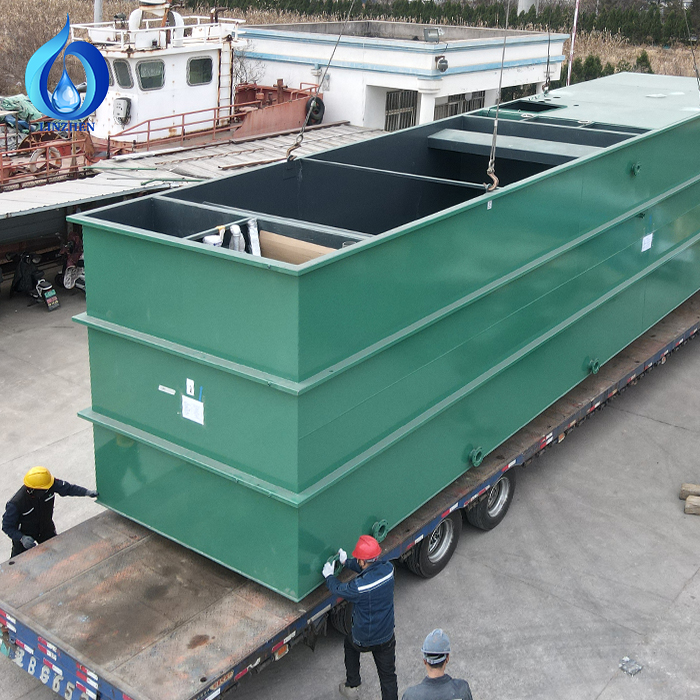
Selecting high-capacity industrial wastewater treatment equipment for heavy hydraulic applications represents a critical operational milestone for modern processing plants. Large-scale manufacturing environments generate massive effluent volumes requiring resilient high flow wastewater treatment infrastructure capable of handling hundreds of cubic meters per hour. Utilizing standard or undersized industrial wastewater treatment equipment inevitably creates processing bottlenecks, leading to environmental non-compliance, severe regulatory fines, and expensive facility shutdowns. Evaluating performance criteria for heavy-duty industrial wastewater treatment equipment ensures consistent effluent clarification and protects corporate operational viability.
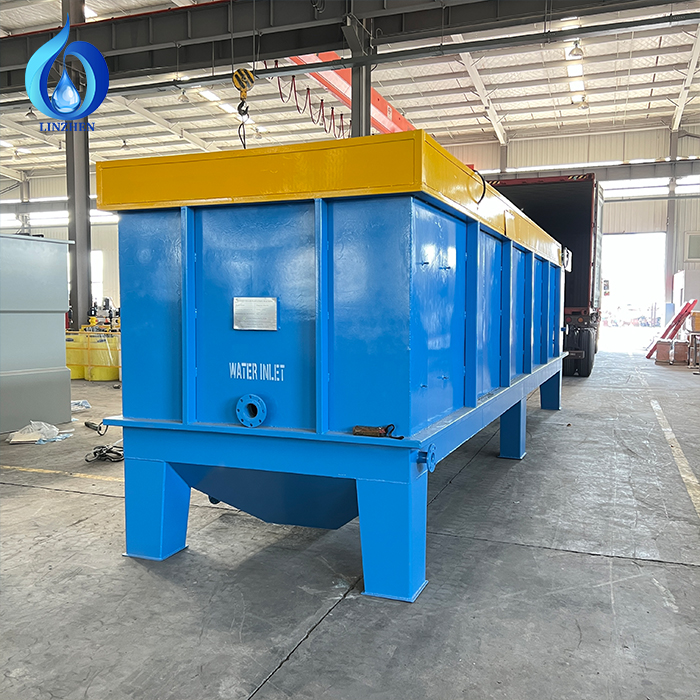
Large-volume processing facilities processing between 200 and 1,000 m³/h require continuous liquid-solid separation without mechanical failure. High-performance industrial wastewater treatment equipment must successfully combine rapid physical separation, automated chemical conditioning, and stable hydraulic management. Investing in engineered industrial wastewater treatment equipment protects downstream equipment from abrasive wear, optimizes energy consumption, and maintains compliance with stringent regional discharge permits during peak production cycles.
Engineering Standards for Heavy-Volume Effluent Processing
Hydraulic Capacity as the Core Design Parameter
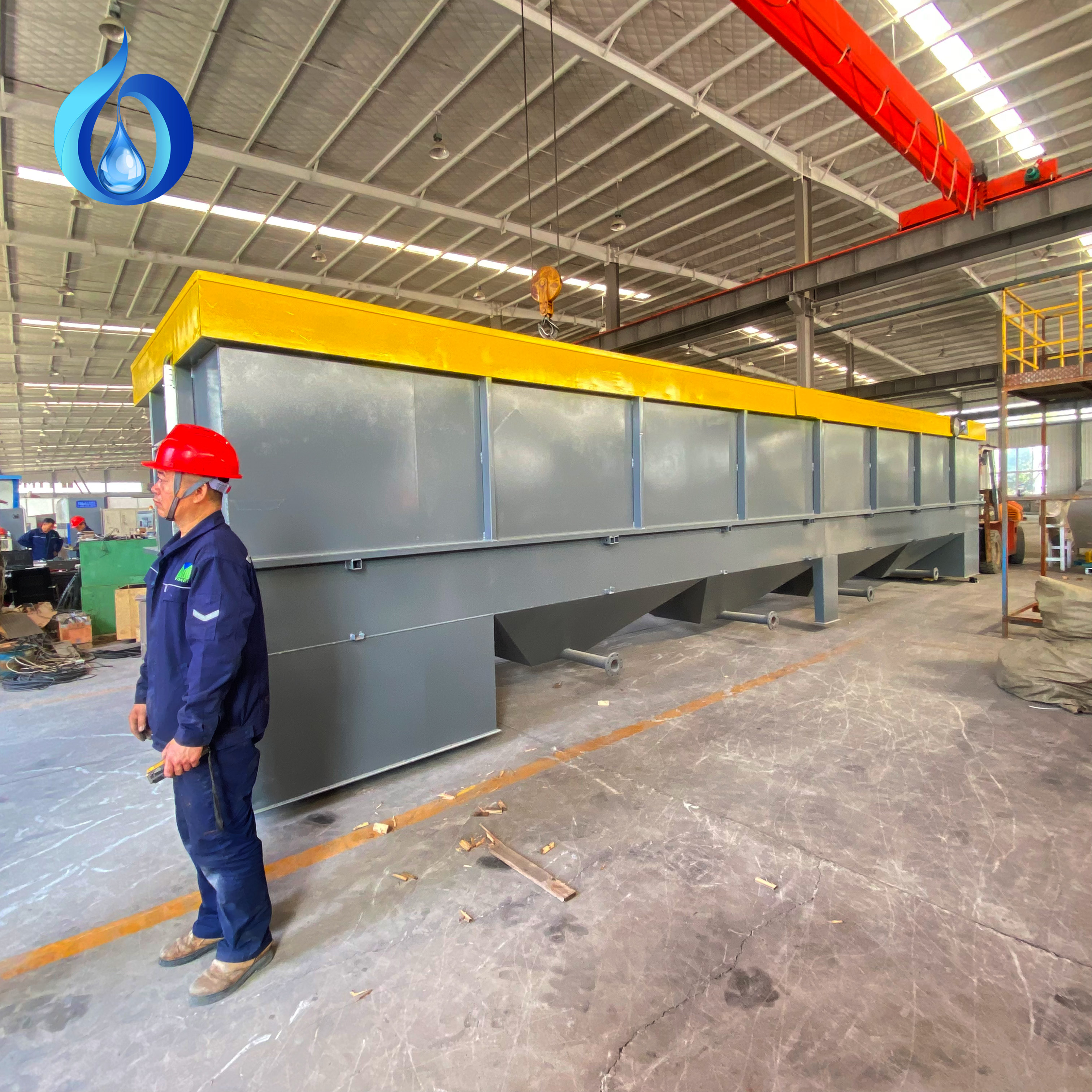
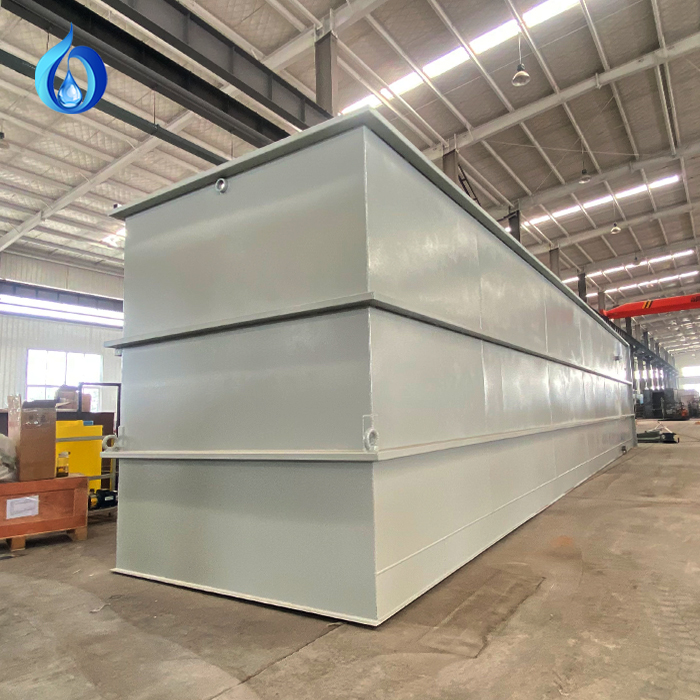
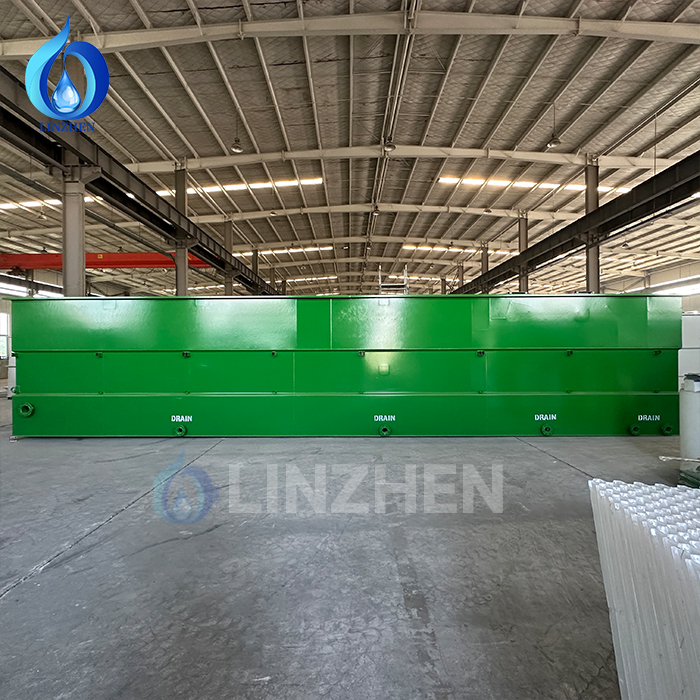
Sizing large-scale industrial wastewater treatment equipment depends on accurately calculating peak hourly hydraulic loading rather than baseline daily averages. When specifying industrial wastewater treatment equipment, engineering teams must incorporate a safety threshold of 15% to 20% to accommodate washdown surges and seasonal production expansion. Selecting high flow wastewater treatment systems rated precisely for peak volumetric throughput prevents system flooding and preserves separation efficiency during heavy operational shifts.
Commercial purchasers evaluating prospective industrial wastewater treatment equipment should demand certified hydraulic capacity performance curves from equipment manufacturers. Nominal capacity ratings often fail to reflect actual separation performance under real-world industrial conditions. Sourcing reliable industrial wastewater treatment equipment requires reviewing verified pilot-testing data that proves consistent contaminant capture, stable residence times, and predictable power draw at maximum hydraulic capacity.
Maintaining Adequate Hydraulic Retention Time
Hydraulic retention time (HRT) defines the operational duration wastewater remains inside the primary processing vessel. High-capacity industrial wastewater treatment equipment must maintain adequate HRT even during maximum flow conditions. If volumetric flow increases without adequate basin volume, retention time drops, leading to incomplete particle settling and poor effluent clarity. Quality industrial wastewater treatment equipment maintains effective separation retention times, preventing carryover of suspended solids and free oils into municipal discharge points.
Calculating retention requirements for specialized industrial wastewater treatment equipment is straightforward: total tank volume divided by hourly flow rate yields the retention period. To avoid excessively massive single-basin designs, plant engineers frequently deploy modular industrial wastewater treatment equipment arranged in parallel processing trains. This parallel approach enables flexible operational control and simplifies routine maintenance without interrupting primary plant operations.
High-Capacity Separation Technologies
Dissolved Air Flotation Systems for Extreme Volumes
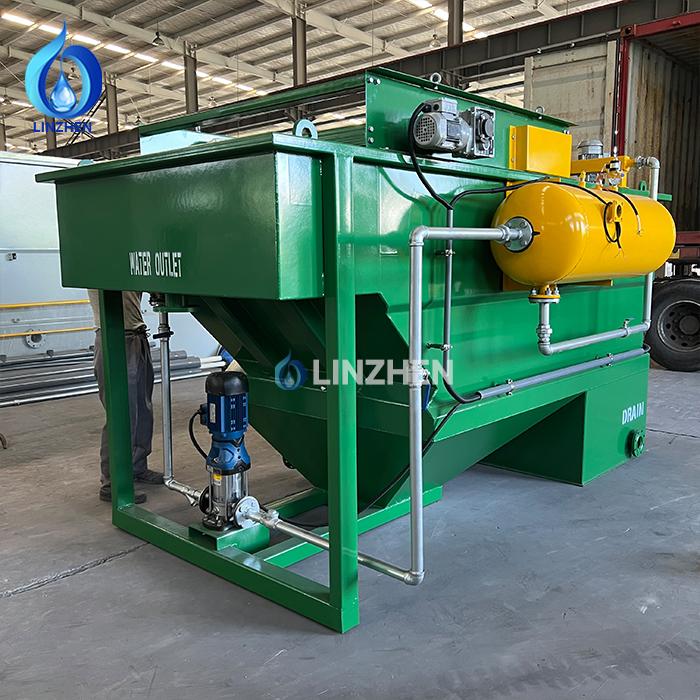
Dissolved air flotation units are widely recognized as primary industrial wastewater treatment equipment for high-volume liquid-solid separation. By injecting pressurized microbubbles into the incoming stream, DAF systems rapidly float suspended solids, fats, and free oils to the surface for automated skimming. Advanced industrial wastewater treatment equipment utilizing flotation technology easily processes 200 to 1,000 m³/h because separation relies on positive microbubble buoyancy rather than slow gravity settling. Incorporating premium DAF systems is particularly effective in food processing, petrochemical refining, and paper manufacturing facilities.
Modern DAF systems maintain excellent operational stability across fluctuating flow rates compared to traditional gravity clarifiers. Advanced industrial wastewater treatment equipment includes automated air saturation controls, enabling operators to adjust microbubble density based on real-time influent turbidity. The modular nature of industrial wastewater treatment equipment based on flotation technology allows facilities to expand treatment capacity by adding parallel units as factory production grows over time.
Chemical Coagulation and Flocculation Units
Chemical pre-conditioning significantly enhances particle aggregation in commercial industrial wastewater treatment equipment. Integrating automated coagulation flocculation units upstream destabilizes suspended colloidal charges, binding fine particles into large, easily removable flocs. For high-volume applications, specialized industrial wastewater treatment equipment utilizes high-shear rapid mixers to distribute coagulants within seconds. Combining automated coagulation flocculation units with primary separation vessels ensures high removal efficiency even at extreme flow rates exceeding 500 m³/h.
High-performance industrial wastewater treatment equipment incorporates smart dosing control loops that continuously adjust chemical feed based on real-time sensor monitoring. Automating chemical additions within coagulation flocculation units reduces chemical wastage, lowers monthly operating expenditures, and produces drier sludge cake. This integrated industrial wastewater treatment equipment configuration provides reliable performance for plants subject to strict environmental regulations.
Implementation Strategy and Sludge Management
Integrated Technology Selection and Sludge Handling
Selecting optimal industrial wastewater treatment equipment requires matching technology to specific wastewater chemistry. Heavily oily wastewater streams favor DAF systems, whereas inorganic suspended solids favor automated coagulation flocculation units and clarifiers. Multi-stage industrial wastewater treatment equipment configurations—combining chemical conditioning, primary flotation, and secondary filtration—deliver comprehensive treatment for complex industrial effluents subject to strict high flow wastewater treatment standards.
Processing large wastewater volumes generates substantial daily sludge volumes requiring continuous dewatering and disposal. High-capacity industrial wastewater treatment equipment must include integrated sludge thickening and automated dewatering presses. Neglecting sludge management capabilities converts heavy-duty industrial wastewater treatment equipment into an operational bottleneck, risking regulatory non-compliance and expensive operational delays.
FAQ
What hydraulic threshold defines high-flow industrial wastewater treatment equipment?
In industrial applications, industrial wastewater treatment equipment processing 200 m³/h or higher is generally classified as high-flow equipment. Selecting specialized high flow wastewater treatment systems ensures stable separation performance and prevents hydraulic overloading during peak production periods.
Can DAF systems handle fluctuating flow rates in industrial applications?
Yes, modern DAF systems feature variable-speed drives and automated air injection controls designed to handle shifting flow volumes. Integrating upstream equalization basins with primary industrial wastewater treatment equipment further buffers hydraulic spikes and ensures consistent effluent quality.
How do automated coagulation flocculation units lower operational expenses?
Automated coagulation flocculation units adjust polymer dosing based on real-time water quality metrics, preventing chemical waste. Using optimized chemical conditioning within industrial wastewater treatment equipment yields larger flocs, speeds up separation times, and lowers monthly sludge disposal costs.
 EN
EN