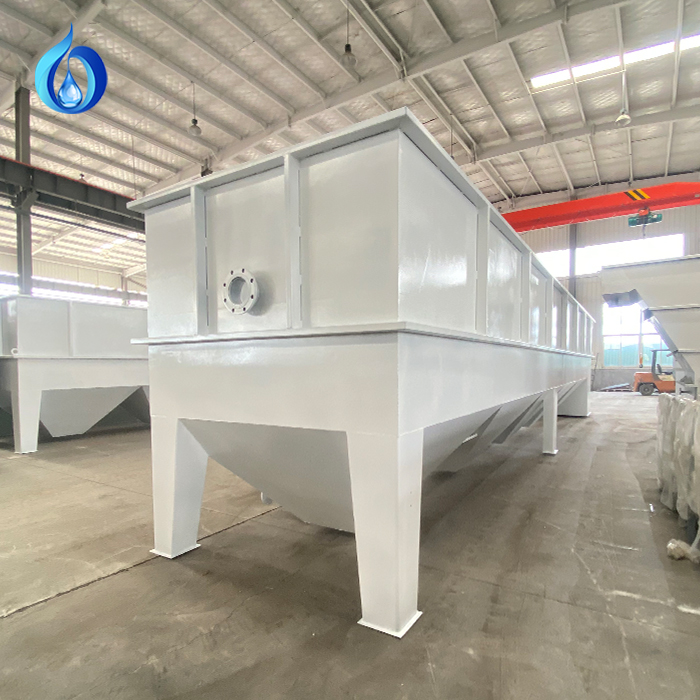
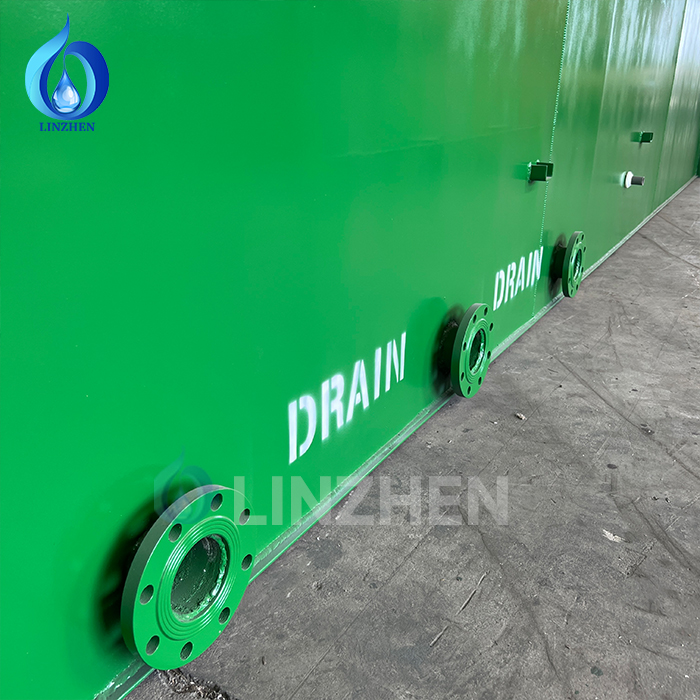
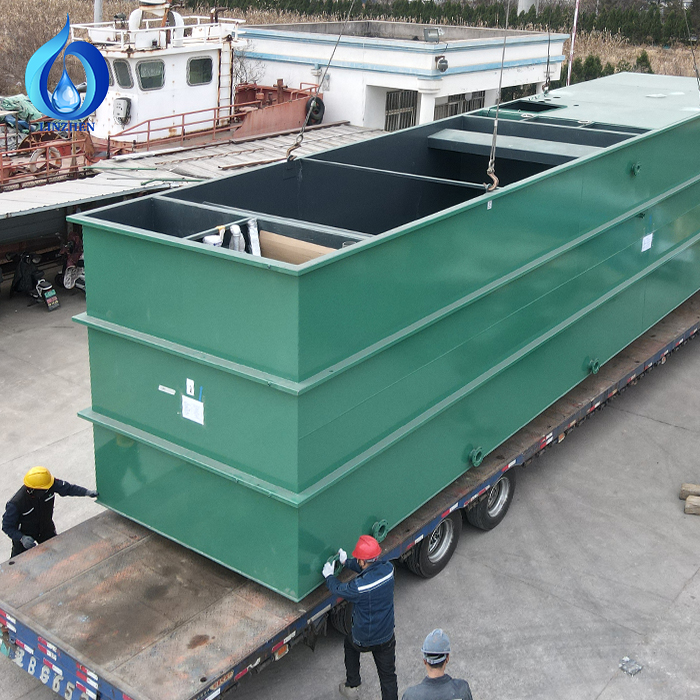
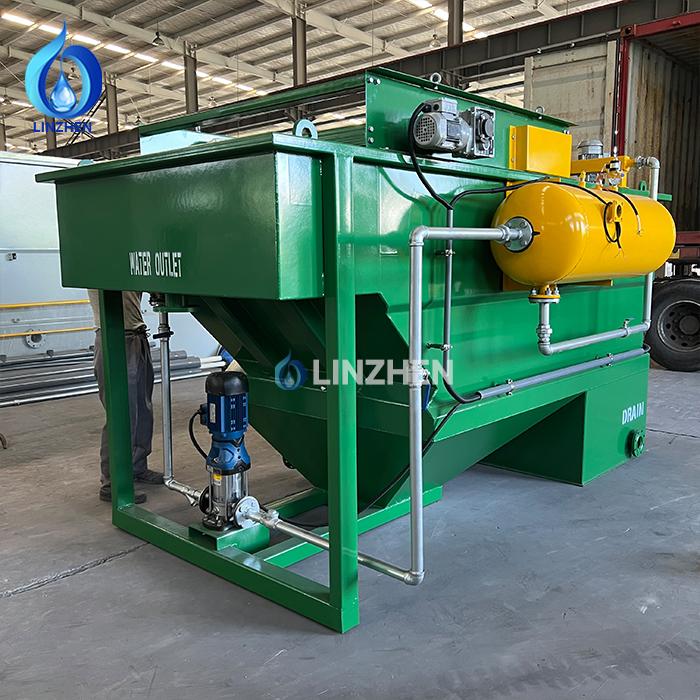
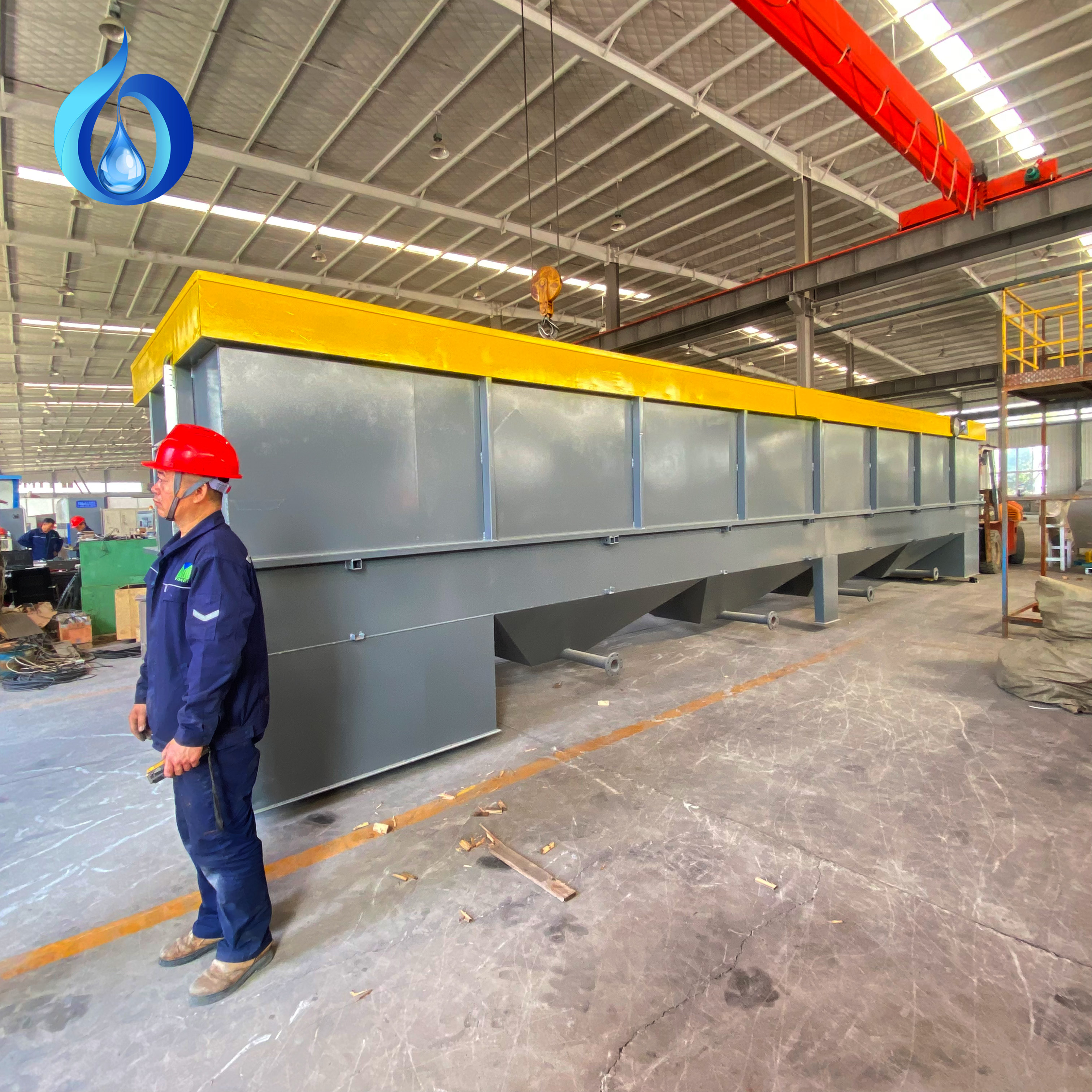
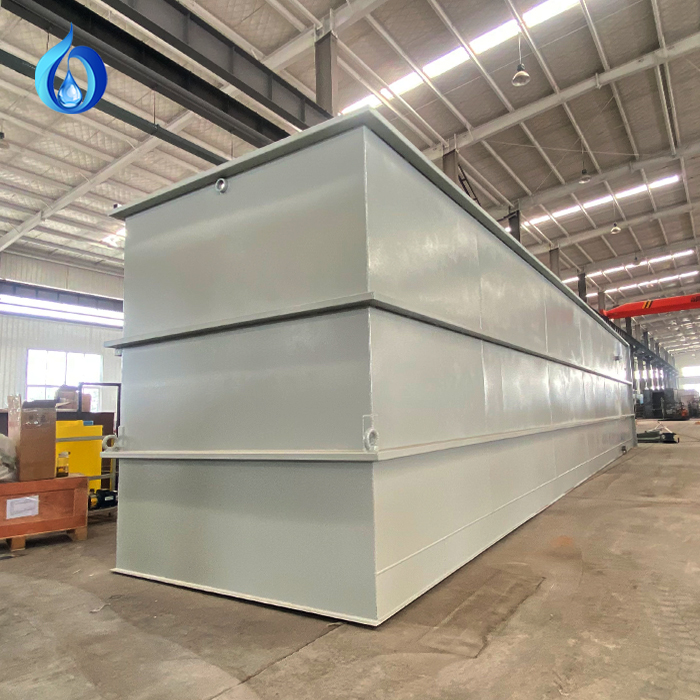
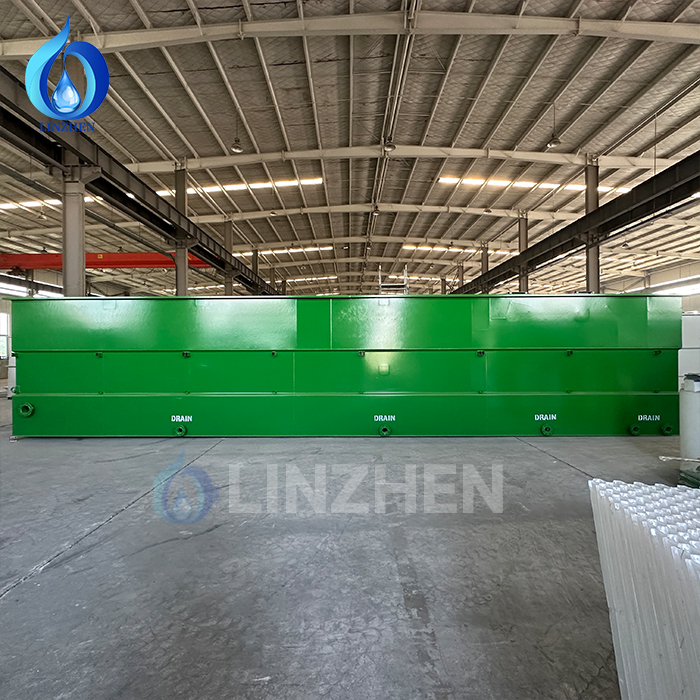
A standard lamella clarifier module represents a proven solution for wastewater treatment facilities seeking to maximize throughput within confined spaces. Understanding the flow rate capacity of these modules is essential for process engineers and facility operators planning system configurations. The hourly processing capability of a lamella clarifier directly impacts facility sizing, capital investment, and operational efficiency. Most standard lamella clarifier designs process between 50 to 200 cubic meters per hour, depending on influent characteristics, module design specifications, and target sedimentation efficiency levels. This range makes the inclined plate settler technology particularly attractive for municipalities and industrial operators managing moderate to high treatment volumes.
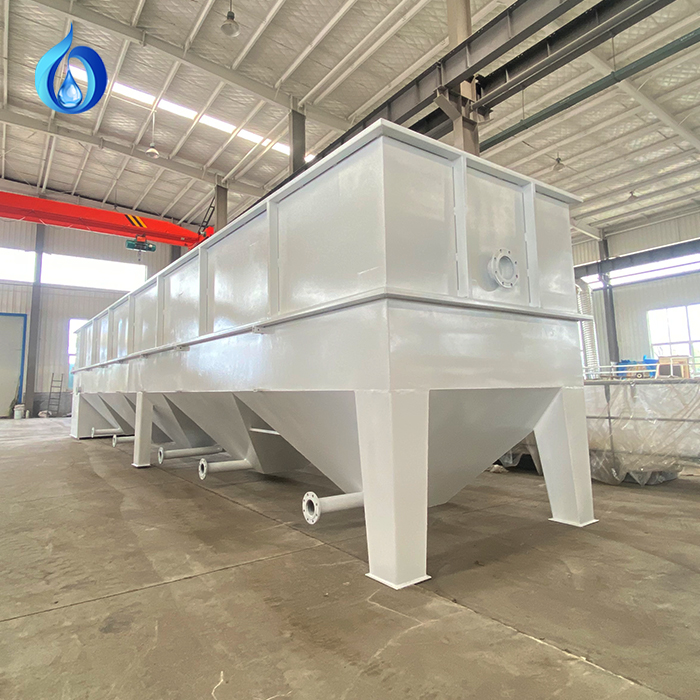
The flow rate performance of a lamella clarifier depends on multiple technical factors working together. Inclined plate settler modules create parallel settling paths that dramatically increase effective settling surface area compared to conventional clarifiers. This compact footprint design allows treatment facilities to handle substantially higher volumes without expanding the footprint of their clarification stage. The sedimentation efficiency achieved within each module directly correlates to the maximum sustainable flow rate, as overloading compromises particle separation quality.
Understanding Flow Rate Capacity in Lamella Clarifier Systems
Standard Module Specifications and Throughput
A typical lamella clarifier module contains 40 to 60 inclined plates stacked at angles between 45 and 60 degrees, creating multiple settling zones within a single vessel. Each plate configuration influences the residence time and surface loading rate achievable. Standard single modules commonly handle 80 to 150 cubic meters per hour under normal operational conditions. The exact flow rate for any lamella clarifier installation depends on the target sedimentation efficiency percentage and influent solids concentration. Engineering teams calculate module requirements by dividing total system throughput by the rated capacity of each module, then specifying parallel or series configurations accordingly.
Factors Influencing Actual Flow Rate Performance
The compact footprint design of inclined plate settler technology creates operational advantages but also imposes specific constraints on achievable flow rates. Influent quality, particularly suspended solids concentration and particle size distribution, directly affects how much volume a lamella clarifier can process each hour while maintaining target sedimentation efficiency. Cold water temperatures reduce settling velocity, potentially lowering maximum flow rates in winter months. Coagulation pretreatment quality also plays a critical role, as better-formed floc particles settle faster through the inclined plate settler structure. Operators must account for these variables when establishing operating protocols and maximum hourly throughput targets.
Practical Applications of Flow Rate Data
Matching Module Capacity to Facility Requirements
Treatment facilities evaluate lamella clarifier options by comparing their specific flow requirements against published module specifications. A wastewater treatment plant requiring 300 cubic meters per hour would typically specify two or three standard modules in parallel arrangement. Municipal drinking water applications often operate at lower surface loading rates to achieve higher sedimentation efficiency, which reduces the hourly flow rate per module. Industrial applications such as mining, food processing, or chemical manufacturing often push lamella clarifier modules toward their maximum rated capacity. Understanding these application-specific flow rate expectations helps engineers select appropriately sized equipment and avoid both undersizing and excessive overcapacity.
System Configuration and Flow Distribution
Multiple lamella clarifier modules connected in parallel increase total system throughput linearly. A facility needing 400 cubic meters per hour could operate four standard 100 cubic meter per hour modules in parallel, distributing influent flow equally among them. Series configurations, less common, sacrifice throughput but may enhance sedimentation efficiency for challenging applications. The distribution method, typically using flow splitter plates or manifold systems, significantly affects whether each module truly delivers its rated capacity. Poor distribution leads to uneven loading, causing some modules to become overloaded while others operate below capacity, reducing overall system efficiency.
Optimizing Performance Within Your Flow Rate Envelope
Operational Strategies for Maximum Throughput
Achieving the maximum rated flow rate from a lamella clarifier requires careful attention to operational variables. Maintaining consistent coagulation chemistry ensures predictable particle aggregation and settling performance. Regular monitoring of effluent turbidity helps operators identify when flow rates approach limits that compromise sedimentation efficiency. Sludge blanket management becomes increasingly critical as flow rates increase, since higher hydraulic loading concentrates more solids within the clarification zone. Training operators to recognize performance indicators allows facilities to sustain high hourly throughput without exceeding the practical flow rate envelope.
Maintenance Impact on Sustained Flow Rate Capacity
A well-maintained inclined plate settler preserves the rated flow rate capacity throughout its service life. Periodic inspection of plate surfaces ensures they remain unobstructed and maintain their geometric efficiency. Cleaning cycles remove accumulated biofilm or mineral deposits that could reduce effective settling area. Sludge removal frequency directly influences how efficiently the lamella clarifier can process high hourly volumes. Facilities investing in preventive maintenance schedules typically realize consistent flow rate performance year after year, whereas neglected systems gradually lose capacity as internal surfaces degrade.
FAQ
What is the typical flow rate range for a single standard lamella clarifier module?
Most standard lamella clarifier modules process between 50 to 200 cubic meters per hour, with typical single modules handling 80 to 150 cubic meters per hour under normal operating conditions. The exact flow rate depends on the inclined plate settler design, influent characteristics, and target sedimentation efficiency level. Manufacturers provide specific capacity ratings for their particular lamella clarifier models.
How does the compact footprint design affect lamella clarifier flow rate capacity?
The compact footprint design of an inclined plate settler allows a lamella clarifier to process much higher flow rates than conventional clarifiers within the same physical space. The parallel plates dramatically increase effective settling surface area, enabling higher surface loading rates. This design efficiency is precisely why facilities choose lamella clarifier technology when space constraints limit available area for clarification equipment.
Can multiple lamella clarifier modules be combined to increase total hourly flow rate?
Yes, multiple lamella clarifier modules connected in parallel increase total system throughput proportionally. A facility requiring 300 cubic meters per hour could operate three standard 100 cubic meter per hour modules, each receiving its portion of total flow. Proper flow distribution among modules ensures each inclined plate settler operates within its design capacity and maintains target sedimentation efficiency across the complete system.
 EN
EN