Manufacturing facilities, chemical processors, and resource extraction operations generate complex wastewater streams that demand specialized handling. An industrial wastewater treatment system has become essential across numerous sectors as regulatory frameworks tighten and environmental accountability rises. Understanding which industries genuinely require an industrial wastewater treatment system is critical for compliance, operational efficiency, and environmental stewardship in today's manufacturing landscape.
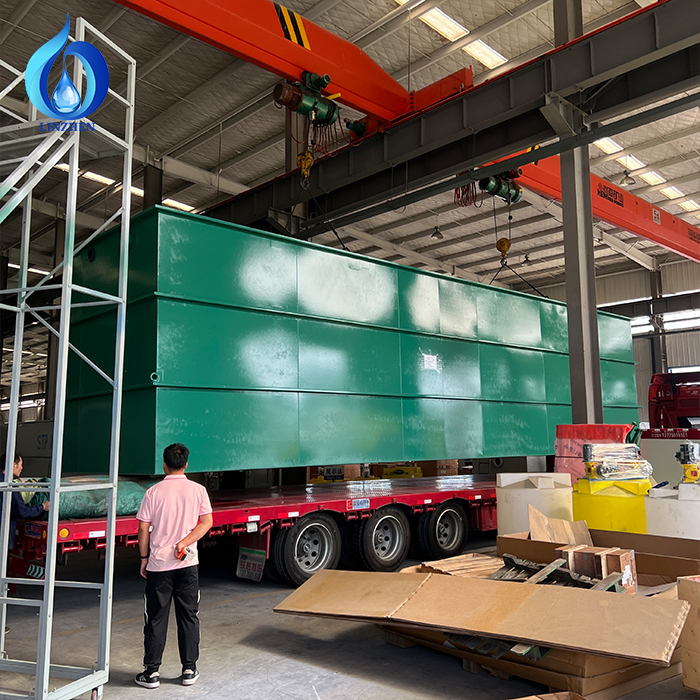
The necessity for an industrial wastewater treatment system goes beyond optional sustainability initiatives. Industrial operations consistently produce wastewater containing organic compounds, heavy metals, suspended solids, and hazardous chemical residues. Without proper treatment infrastructure, businesses face regulatory fines, facility shutdowns, and reputational damage. The right industrial wastewater treatment system transforms discharge streams from liability into managed compliance, protecting both operations and surrounding ecosystems.
Chemical Manufacturing and Refinery Operations
Complex Discharge Streams in Petrochemical Facilities
Petrochemical refineries and chemical manufacturing plants produce wastewater laden with hydrocarbons, phenols, and volatile organic compounds. An industrial wastewater treatment system designed for these operations must handle variable discharge composition, high organic loads, and residual pollutants that threaten groundwater and surface waters. These facilities operate under stringent environmental permits that mandate specific effluent quality standards before discharge. The industrial wastewater treatment system must incorporate advanced oxidation processes, activated carbon filtration, and specialized separation technologies to meet discharge thresholds consistently.
Regulatory Compliance Requirements for Chemical Industries
Chemical facilities operate under federal Clean Water Act regulations, state-level environmental codes, and often international environmental protocols. An industrial wastewater treatment system in these operations must document treatment performance, maintain compliance records, and demonstrate consistent pollutant removal rates. Many chemical manufacturers face periodic regulatory audits where industrial wastewater treatment system performance determines permit renewal and operational continuity. Without adequate treatment infrastructure, chemical facilities cannot legally continue production, making robust industrial wastewater treatment system investment non-negotiable.
Food Processing and Beverage Manufacturing
Organic Load Challenges in Food and Beverage Plants
Food processing facilities generate substantial wastewater containing fats, oils, grease, and high biological oxygen demand materials from meat processing, dairy operations, and beverage production. An industrial wastewater treatment system must manage these organic-rich streams while preventing offensive odors and controlling biochemical degradation in municipal sewer systems. The industrial wastewater treatment system removes suspended solids, reduces organic content, and prevents grease accumulation in downstream infrastructure. Many municipalities require pre-treatment through an industrial wastewater treatment system before food facility wastewater enters public treatment systems, protecting municipal equipment and treatment capacity.
Seasonal Production Variations and Treatment Flexibility
Seasonal food processing creates variable wastewater loads that standard industrial wastewater treatment system designs must accommodate. Fruit and vegetable processing facilities generate peak wastewater volumes during harvest seasons, requiring industrial wastewater treatment system capacity planning and adaptive treatment protocols. An industrial wastewater treatment system serving food manufacturers must adjust treatment intensity, flow rates, and chemical dosing to handle fluctuating discharge volumes while maintaining consistent effluent quality. This operational flexibility distinguishes industrial wastewater treatment system solutions for seasonal industries from fixed-capacity treatment infrastructure.
Metal Finishing and Manufacturing Operations
Heavy Metal Removal in Metal Processing
Metal finishing shops, electroplating operations, and fabrication facilities discharge wastewater containing chromium, nickel, zinc, cadmium, and lead. An industrial wastewater treatment system must precipitate these toxic metals, separate them from water through clarification, and manage hazardous sludge disposal responsibly. The industrial wastewater treatment system protects groundwater from metal contamination while enabling facility operations within legal discharge limits. Metal industries face particular regulatory scrutiny because heavy metal contamination persists in environments for decades, making industrial wastewater treatment system performance a critical long-term environmental responsibility.
Acid and Alkaline Stream Management
Metal finishing processes employ acidic and alkaline solutions that create highly corrosive wastewater requiring pH adjustment and chemical neutralization. An industrial wastewater treatment system must safely neutralize these streams, balance pH levels, and precipitate metal hydroxides in proper sequence. The industrial wastewater treatment system prevents equipment corrosion, ensures safe operator conditions, and meets discharge pH standards mandated by environmental regulators. Advanced industrial wastewater treatment system designs incorporate automated pH monitoring and proportional chemical injection to maintain precise treatment conditions across variable influent chemistry.
Pharmaceutical and Biopharmaceutical Manufacturing
Active Pharmaceutical Ingredient Removal
Pharmaceutical manufacturing generates wastewater containing active pharmaceutical ingredients, intermediates, and residual compounds that pose environmental risks and human health concerns. An industrial wastewater treatment system must remove these persistent organic pollutants to ensure discharge compliance and environmental protection. The industrial wastewater treatment system often incorporates advanced oxidation processes, ultraviolet treatment, and activated carbon adsorption to eliminate pharmaceutical residues. Regulatory agencies increasingly require pharmaceutical facilities to demonstrate industrial wastewater treatment system capability in removing compounds that traditional municipal treatment cannot address.
Regulatory Scrutiny and Treatment Documentation
Pharmaceutical facilities operate under FDA oversight, environmental compliance monitoring, and public accountability for wastewater discharge quality. An industrial wastewater treatment system in these operations must provide detailed performance data, contamination reduction verification, and quarterly compliance reports. The industrial wastewater treatment system becomes integral to regulatory documentation and facility licensing, requiring robust monitoring infrastructure and consistent performance records. Pharmaceutical manufacturers cannot obtain operating permits without demonstrating industrial wastewater treatment system capability meeting specific pharmaceutical compound removal standards established by environmental agencies.
Textile Manufacturing and Dyeing Operations
Dye Removal and Color Treatment
Textile mills and fabric dyeing facilities produce highly colored wastewater containing synthetic dyes, residual chemicals, and substantial suspended solids. An industrial wastewater treatment system must remove color, separate dye particles, and reduce chemical oxygen demand from textile processing residues. The industrial wastewater treatment system prevents environmental water contamination and meets strict color discharge standards that protect surface water ecosystems. Textile operations increasingly adopt industrial wastewater treatment system technology to recover dyeing chemicals and reduce water consumption through treatment and reuse.
Chemical Recovery and Process Water Reuse
Advanced industrial wastewater treatment system designs enable textile manufacturers to recover process chemicals and treat wastewater for reuse in subsequent production cycles. An industrial wastewater treatment system incorporating membrane filtration, reverse osmosis, and advanced oxidation processes recovers valuable materials while reducing freshwater intake. The industrial wastewater treatment system creates operational cost savings through water recovery while demonstrating environmental stewardship and resource efficiency. Textile facilities treating wastewater through an industrial wastewater treatment system system reduce environmental discharge, lower operational expenses, and improve process sustainability simultaneously.
Mining and Mineral Processing Operations
Acid Mine Drainage Treatment
Mining operations and mineral processing facilities generate acid mine drainage containing sulfuric acid, iron compounds, and trace metals requiring extensive treatment. An industrial wastewater treatment system must neutralize acidity, precipitate metals, and achieve long-term discharge stability across decades of post-mining operations. The industrial wastewater treatment system prevents environmental damage from acid contamination while enabling responsible mineral extraction and processing. Mining facilities operating under environmental permits must demonstrate industrial wastewater treatment system capability to manage acid drainage treatment and maintain discharge compliance throughout operational and post-closure phases.
Suspended Solids and Settling Management
Mining wastewater contains substantial suspended solids from ore processing, creating turbidity and settling challenges requiring specialized industrial wastewater treatment system design. An industrial wastewater treatment system must rapidly clarify mining wastewater, separate mineral particles, and manage sludge accumulation in treatment tanks. The industrial wastewater treatment system prevents downstream erosion, protects aquatic ecosystems, and maintains discharge compliance with suspended solids limitations. Mining operations increasingly employ industrial wastewater treatment system technologies to enable long-term environmental stewardship and protect neighboring communities from mining-related water contamination.
FAQ
Do all manufacturing facilities require an industrial wastewater treatment system?
Not all manufacturers require industrial wastewater treatment systems. Facilities generating only minimal wastewater or discharge into municipal treatment systems may not need dedicated treatment. However, facilities discharging directly to surface waters, groundwater, or municipalities with strict pretreatment standards typically require an industrial wastewater treatment system. Operations handling hazardous materials, heavy metals, toxic compounds, or persistent pollutants require an industrial wastewater treatment system to meet environmental compliance and protect water resources. Regulatory agencies determine industrial wastewater treatment system requirements based on discharge volume, pollutant type, receiving water sensitivity, and applicable environmental permits.
What regulations drive industrial wastewater treatment system requirements?
The Clean Water Act establishes federal standards requiring an industrial wastewater treatment system for facilities discharging to navigable waters or municipal treatment systems. National Pollutant Discharge Elimination System permits specify industrial wastewater treatment system performance standards and effluent quality limits for each facility. State environmental agencies establish additional industrial wastewater treatment system requirements through water quality standards and facility-specific permits. International operations face varying requirements where an industrial wastewater treatment system must comply with regional environmental regulations, industry-specific codes, and local discharge limitations established by environmental authorities.
How does an industrial wastewater treatment system improve operational efficiency?
An industrial wastewater treatment system enables water recovery and reuse, reducing freshwater consumption and lowering operational costs. Advanced industrial wastewater treatment system designs recover valuable process chemicals, reducing material expenses and environmental discharge. An industrial wastewater treatment system prevents regulatory fines, facility shutdowns, and permit revocation caused by discharge non-compliance. Facilities implementing an industrial wastewater treatment system improve environmental performance, reduce waste generation, and demonstrate sustainability commitment while maintaining operational continuity and profitability.
 EN
EN