Phosphorus removal stands as a critical operational function within any wastewater treatment plant seeking compliance with modern environmental regulations. Utilizing effective phosphorus removal chemicals prevents excessive phosphorus in treated effluent from accelerating eutrophication in receiving waters, depleting oxygen, and damaging aquatic ecosystems. A municipal sewage facility must employ targeted phosphorus removal chemicals to reduce phosphorus concentrations from influent levels often exceeding 8 to 10 mg/L down to discharge limits typically below 1 mg/L, depending on regional standards and receiving water sensitivity.
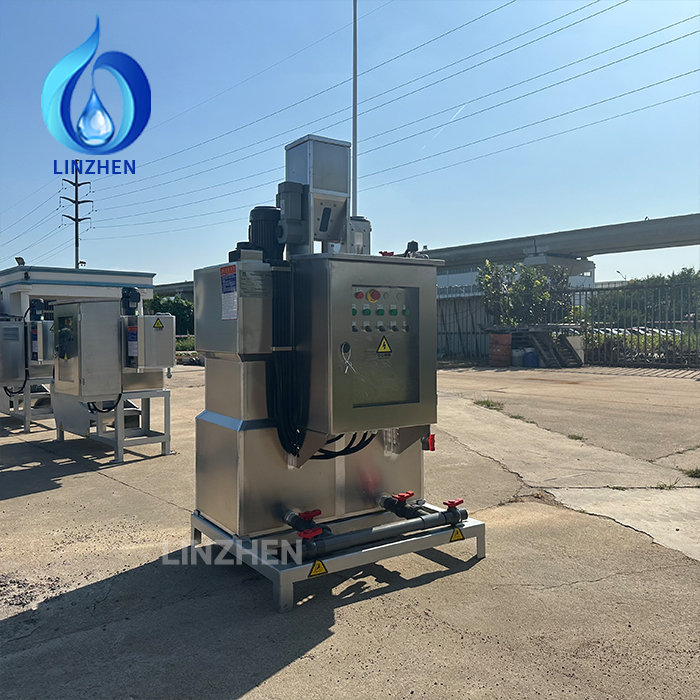
Operators at industrial effluent plants face multiple chemical pathways when selecting phosphorus removal chemicals, each with distinct cost, residue generation, and operational implications. The selection of specific phosphorus removal chemicals depends on influent phosphorus speciation, target effluent quality, existing treatment infrastructure, and local disposal constraints. Understanding the strengths and limitations of each class of phosphorus removal chemicals enables plant managers to design robust, cost-effective phosphorus removal processes that meet permit requirements while minimizing operational burden and sludge disposal expense.
Chemical Coagulants and Precipitants for Phosphorus Removal
Ferric Salts and Iron-Based Coagulants as Phosphorus Removal Chemicals
Ferric chloride and ferric sulfate function as primary iron-based phosphorus removal chemicals widely deployed across the municipal sewage facility sector. When dosed into wastewater, these iron-based phosphorus removal chemicals form insoluble iron-phosphate complexes that precipitate rapidly, removing both dissolved and particulate phosphorus. Typical dosing for these phosphorus removal chemicals ranges from 10 to 30 mg Fe/L, calibrated to the influent phosphorus concentration and alkalinity. Iron-based phosphorus removal chemicals deliver rapid precipitation kinetics, allowing wastewater treatment plant operators to achieve target removals within conventional settling tanks without requiring extended retention times.
Ferrous sulfate and ferrous chloride offer alternative iron-based phosphorus removal chemicals that oxidize upon aeration or chlorination, generating ferric species in-situ. This approach reduces chemical handling hazards and can produce slightly softer floc characteristics. Industrial effluent plants handling high-strength wastewaters often prefer iron-based phosphorus removal chemicals due to superior settling velocity and lower sludge hydration compared to aluminum-based alternatives. However, these phosphorus removal chemicals increase total dissolved solids and generate an iron-rich sludge requiring careful dewatering and disposal.
Aluminum-Based Coagulants as Phosphorus Removal Chemicals
Aluminum sulfate, or alum, remains a cost-competitive class of phosphorus removal chemicals employed extensively by municipal sewage facilities for phosphorus precipitation. Aluminum ions bind with phosphate species, forming aluminum phosphate precipitates that settle effectively. Typical dosing for aluminum-based phosphorus removal chemicals ranges from 5 to 20 mg Al/L, with optimization required based on pH, alkalinity, and phosphorus speciation. A wastewater treatment plant utilizing aluminum-based phosphorus removal chemicals must carefully monitor pH stability, as effective precipitation occurs within a narrow pH window typically between 6.5 and 7.5.
Polyaluminum chloride and other pre-hydrolyzed aluminum compounds offer enhanced performance over traditional alum phosphorus removal chemicals by reducing pH sensitivity and generating superior floc properties. Industrial effluent plants processing variable-strength influents often favor polyaluminum phosphorus removal chemicals due to improved robustness across fluctuating feed conditions. However, sludges created by aluminum-based phosphorus removal chemicals can present long-term disposal challenges if aluminum leaches during landfill storage, warranting residue characterization and environmental compliance verification.
Lime-Based Phosphorus Removal Strategies
Chemical Precipitation Using Lime as Phosphorus Removal Chemicals
Calcium hydroxide, or lime, functions among the traditional phosphorus removal chemicals enabling nutrient removal through calcium phosphate precipitation at elevated alkalinity conditions. A municipal sewage facility applying lime phosphorus removal chemicals typically raises pH to 10.5 to 11, facilitating conversion of soluble orthophosphate to insoluble hydroxyapatite and other calcium phosphate minerals. Lime-based phosphorus removal chemicals require careful pH control and extended settling time to allow crystal formation and sedimentation. The resulting chemical sludge contains predominantly calcium phosphate, which can be recovered and beneficially reused as a soil amendment or industrial feedstock, reducing disposal costs.
Lime dosing rates typically range from 200 to 400 mg/L as CaO equivalent, making lime among the most chemical-intensive phosphorus removal chemicals available. Despite high chemical demand, many industrial effluent plants select lime phosphorus removal chemicals when recovering phosphorus holds economic value or when existing infrastructure supports alkaline precipitation stages. Post-lime treatment usually includes pH adjustment with carbon dioxide or acidic bypass streams to reduce alkalinity before discharge, adding operational complexity and cost.
Magnesium-Amended Lime Precipitation and Struvite Recovery
Magnesium oxide or magnesium chloride combined with lime represents a specialized mixture of phosphorus removal chemicals that enhances nutrient recovery through struvite precipitation. The wastewater treatment plant operating a struvite precipitation process can recover phosphorus as a valuable product suitable for fertilizer manufacture, particularly where nutrient recovery economics justify added capital and chemical costs. Successful struvite precipitation occurs at pH 8 to 9 when magnesium is stoichiometrically excess relative to phosphorus and ammonia. Upon recovery, crystals from struvite precipitation can be mechanically separated from sludge and sold to agricultural buyers, offsetting treatment expense.
Magnesium-amended phosphorus removal chemicals increase overall chemical consumption and require precise stoichiometric control to maximize struvite precipitation yield while minimizing residual nutrients in treated effluent. Municipal sewage facilities implementing struvite precipitation must invest in specialized crystallization tanks, crystal separation equipment, and product dewatering infrastructure. Industrial effluent plants processing nutrient-rich streams represent prime candidates for struvite precipitation, where recovered fertilizer value justifies heightened operational oversight.
Advanced and Integrated Phosphorus Control Methods
Composite Dosing of Phosphorus Removal Chemicals
Many modern wastewater treatment plants employ combined chemical strategies, dosing iron or aluminum phosphorus removal chemicals in primary settling stages while applying lime or struvite precipitation in tertiary polishing stages. This integrated approach allows industrial effluent plants to capture easily settleable phosphorus early, minimizing chemical demand in subsequent stages while maintaining robust removal across variable influent conditions. Composite dosing of phosphorus removal chemicals distributes chemical cost and sludge generation across multiple treatment zones, improving overall process efficiency and reliability.
Automated dosing systems using real-time monitoring optimize the feed of phosphorus removal chemicals, reducing over-application waste and improving cost control. A municipal sewage facility equipped with online phosphorus analyzers can adjust feed rates of phosphorus removal chemicals within minutes, responding to influent fluctuations and maintaining consistent effluent quality. This automation transforms phosphorus removal into a responsive, data-driven function that minimizes waste from phosphorus removal chemicals while guaranteeing permit compliance.
Biological Phosphorus Removal Enhancement
Biological phosphorus removal relies on specialized microorganisms that accumulate phosphorus intracellularly without initial chemical addition. However, biological removal alone frequently cannot achieve the most stringent discharge limits, requiring polishing stages using phosphorus removal chemicals downstream. Many industrial effluent plants combine biological phosphorus removal with secondary iron or aluminum phosphorus removal chemicals in final polishing tanks, balancing lower biological chemical demand against the reliability of chemical precipitation.
Enhancing biological phosphorus removal through operational optimization reduces downstream demand for phosphorus removal chemicals significantly. Strategic selection of solids retention time, dissolved oxygen set-points, and aeration patterns strengthens phosphorus-accumulating organism dominance, increasing the biological process capture rate. A wastewater treatment plant investing in biological optimization can reduce requirements for phosphorus removal chemicals by 30 to 50 percent, lowering operational expense and secondary sludge contamination from chemical residues.
FAQ
What are the most cost-effective phosphorus removal chemicals for a municipal sewage facility?
Aluminum sulfate, or alum, typically offers the lowest cost among phosphorus removal chemicals per pound of phosphorus removed, making it an economical choice for a municipal sewage facility. Ferric salts provide comparable performance as phosphorus removal chemicals but may require slightly higher dosing. Selection depends on local pricing, sludge disposal costs, and existing treatment infrastructure compatibility.
Can an industrial effluent plant recover phosphorus using struvite precipitation?
Yes, struvite precipitation using magnesium and lime enables phosphorus recovery in crystal form suitable for fertilizer manufacture. An industrial effluent plant processing nutrient-rich streams can justify investment in struvite precipitation equipment to produce saleable fertilizer products, offsetting operational costs for phosphorus removal chemicals.
How does pH affect the efficiency of phosphorus removal chemicals at a wastewater treatment plant?
pH significantly influences precipitation efficiency for all phosphorus removal chemicals. Iron and aluminum phosphorus removal chemicals achieve optimal precipitation between pH 6.5 and 7.5, requiring pH monitoring. Lime-based phosphorus removal chemicals require elevated pH above 10.5. A wastewater treatment plant must maintain precise pH control to ensure consistent performance from phosphorus removal chemicals.
 EN
EN