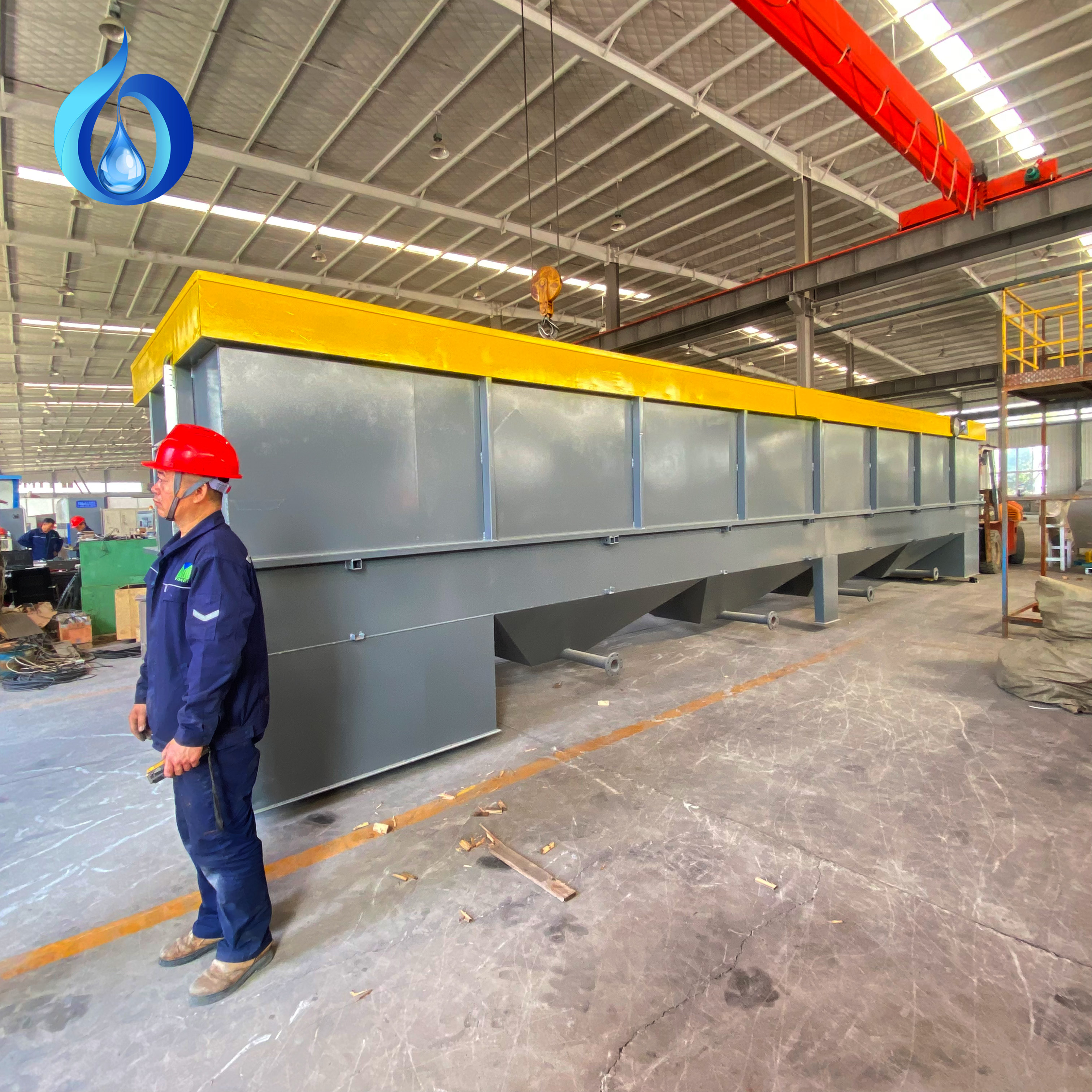
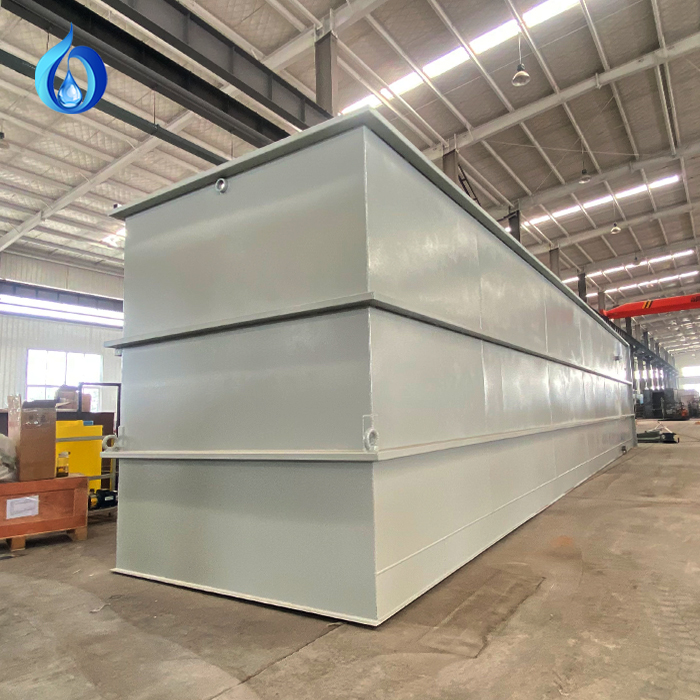
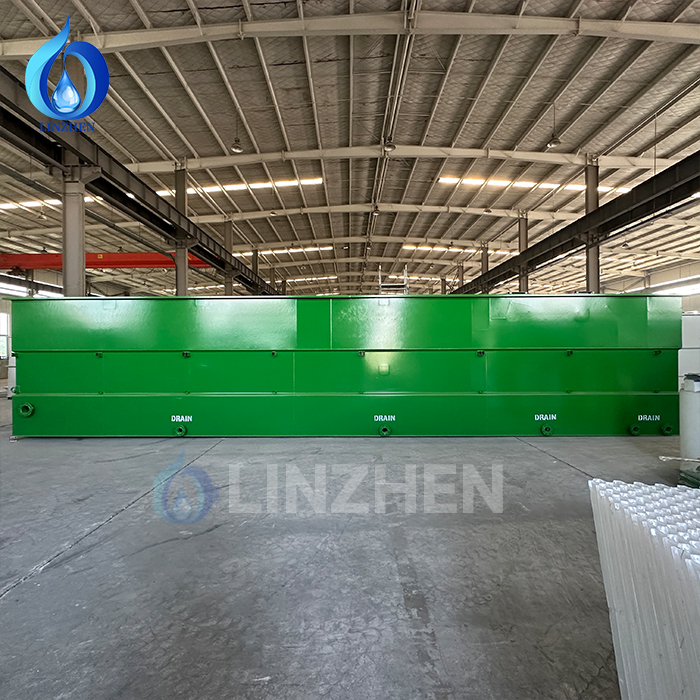
Municipal and industrial sectors face rising environmental standards and escalating freshwater costs, making a modern wastewater treatment system central to corporate sustainability strategy. Contemporary facilities rely on integrated physical, biological, and chemical process units to strip out harmful pollutants, heavy metals, and persistent pathogens before discharge. Operating a high-efficiency wastewater treatment system allows plant managers to meet regional permit limits, protect downstream ecosystems, and reclaim valuable water for internal utility loops. Understanding how these distinct treatment phases operate ensures optimal plant configuration and reduces long-term operational costs.
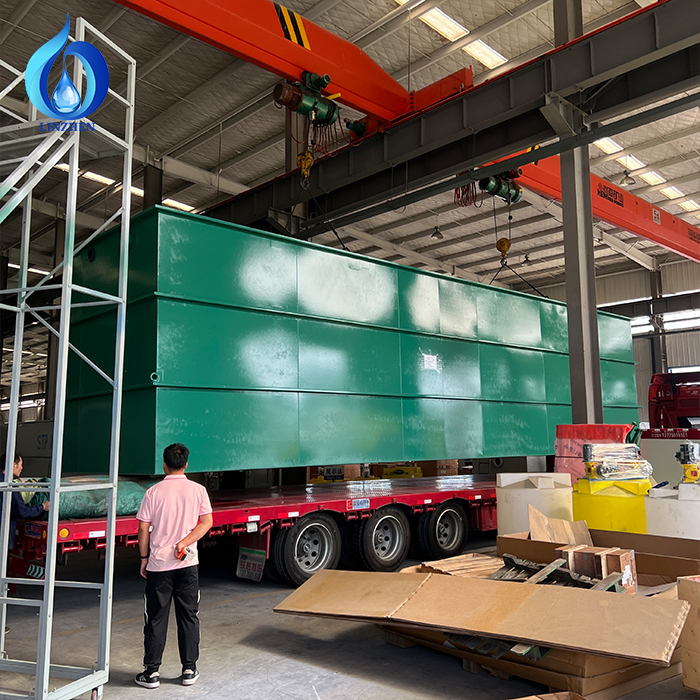
Achieving high effluent purity requires a progressive multistage approach. A typical municipal or commercial wastewater treatment system sequences primary solids separation, biological digestion, high-grade membrane filtration, and automated disinfection. Furthermore, integrating smart sensor networks into a primary wastewater treatment system yields real-time process monitoring, minimizing energy expenditure while preventing compliance failures. This technical guide outlines the fundamental mechanical, biological, and resource-recovery mechanisms that form the backbone of today's advanced water infrastructure.
Primary Clarification and Mechanical Pretreatment Infrastructure
Coarse Screening and Mechanical Separation Units
Every high-capacity wastewater treatment system initiates process flows with mechanical screening and grit removal. Coarse bar screens and fine mesh strainers intercept large floating debris, plastics, and fibrous material that could otherwise clog downstream pumps or damage delicate membrane modules. Following screening, grit channels in the wastewater treatment system utilize differential settling velocities to drop out heavy inorganic sand and gravel particles. Installing automated cleaning mechanisms on these intake screens reduces manual labor requirements and stabilizes hydraulic flow throughout the entire wastewater treatment system inlet structure.
Gravitational Sedimentation and Coagulation Vessels
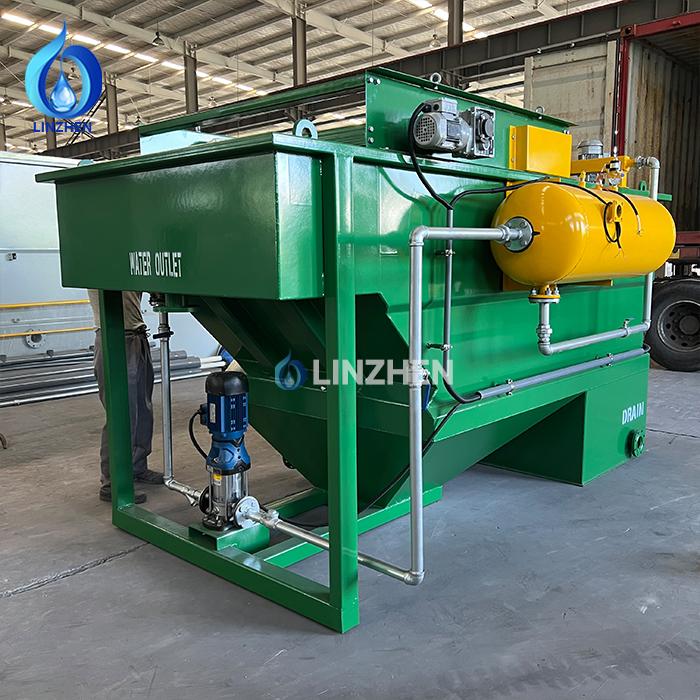
Primary clarifiers form a critical structural foundation in any industrial wastewater treatment system. Quiet hydraulic conditions inside gravity settling tanks allow dense suspended solids to sink as primary sludge, while lighter oils and floatables are continuously skimmed off the top. To accelerate settling rates, operators can dose chemical coagulants and flocculating polymers upstream of the primary wastewater treatment system basins. Combining chemical dosing with inclined lamella plate settlers increases effective surface area, enabling a compact wastewater treatment system to process high hourly influent volumes within a minimal physical footprint.
Secondary Biological Conversion and Advanced Membrane Filtration
Activated Sludge Digestion and Microbial Processing
Secondary processing within a biological wastewater treatment system leverages active microbial communities to consume soluble organic matter. In conventional activated sludge setups, blowers supply compressed air to aerobic tanks, allowing heterotrophic bacteria to convert carbonaceous pollutants into stable biomass, carbon dioxide, and water. An advanced biological wastewater treatment system incorporates alternating aerobic, anoxic, and anaerobic zones to achieve simultaneous biological nitrogen and phosphorus removal. Careful management of mixed liquor suspended solids (MLSS) inside the wastewater treatment system ensures consistent biological digestion despite fluctuating influent loading rates.
Membrane Bioreactor Integration and High-Purity Filtration
Facilities facing space constraints or strict discharge requirements frequently integrate microfiltration or ultrafiltration membranes into their wastewater treatment system architecture. Membrane bioreactor configurations merge biological degradation with physical barrier separation, eliminating the need for secondary clarifiers. A membrane-equipped wastewater treatment system produces high-quality permeate virtually free of suspended solids, coliform bacteria, and turbidity. When followed by reverse osmosis, this multi-barrier wastewater treatment system generates high-purity reclaimed water suitable for boiler feed, cooling tower makeup, or direct industrial reuse.
Tertiary Disinfection, Automation, and Resource Recovery
Advanced Chemical Oxidation and Disinfection Stages
Tertiary treatment serves as the final polishing barrier in a high-performance wastewater treatment system. Ultraviolet (UV) irradiation, ozonation, and chlorine dioxide dosing are routinely deployed to neutralize recalcitrant microorganisms and break down trace micropollutants. Ultraviolet reactors offer chemical-free pathogen destruction, making them a safe choice for any modern wastewater treatment system discharging into sensitive aquatic environments. Combining ozone oxidation with granular activated carbon filters enhances the ability of a wastewater treatment system to remove persistent pharmaceutical compounds and industrial dyes.
Digital Automation, Biosolids Dewatering, and Resource Recovery
Modern plant management relies heavily on digital supervisory control systems (SCADA) and artificial intelligence algorithms to optimize daily operations. Automated dissolved oxygen sensors, turbidimeters, and flow meters feed live data into the wastewater treatment system controller, automatically adjusting blower speeds and chemical pump rates to curb energy consumption. Meanwhile, removed solids undergo anaerobic digestion and mechanical dewatering via belt presses or centrifuges. Advanced wastewater treatment system facilities capture the resulting biogas to produce renewable onsite electricity, turning a traditional utility cost center into an energy-recovering circular asset.
FAQ
What is the primary function of secondary processing in a wastewater treatment system?
Secondary processing in a wastewater treatment system uses microorganisms to biologically degrade soluble organic compounds, substantially reducing Biochemical Oxygen Demand (BOD) and nutrient levels before final filtration or discharge.
How does a membrane bioreactor enhance a wastewater treatment system?
A membrane bioreactor replaces conventional secondary gravity clarifiers with physical membrane filtration, allowing the wastewater treatment system to operate at higher biomass concentrations while delivering crystal-clear effluent in a much smaller physical footprint.
Can a modern wastewater treatment system achieve energy neutrality?
Yes, advanced facilities utilize anaerobic digestion to convert collected sludge into methane biogas. Burning this biogas in combined heat and power units enables an optimized wastewater treatment system to generate its own electricity and heat.
 EN
EN