Selecting the correct tank depth for a dissolved air flotation system is one of the most critical design decisions in food processing wastewater treatment. The depth of your dissolved air flotation system directly impacts treatment efficiency, residence time, solids removal rates, and overall operational cost. Many food processors overlook this fundamental parameter, leading to inadequate clarification, increased chemical usage, and premature equipment failure. Understanding the relationship between DAF tank depth, hydraulic loading, and treatment outcomes enables you to optimize your dissolved air flotation system for maximum performance and longevity in demanding food production environments.
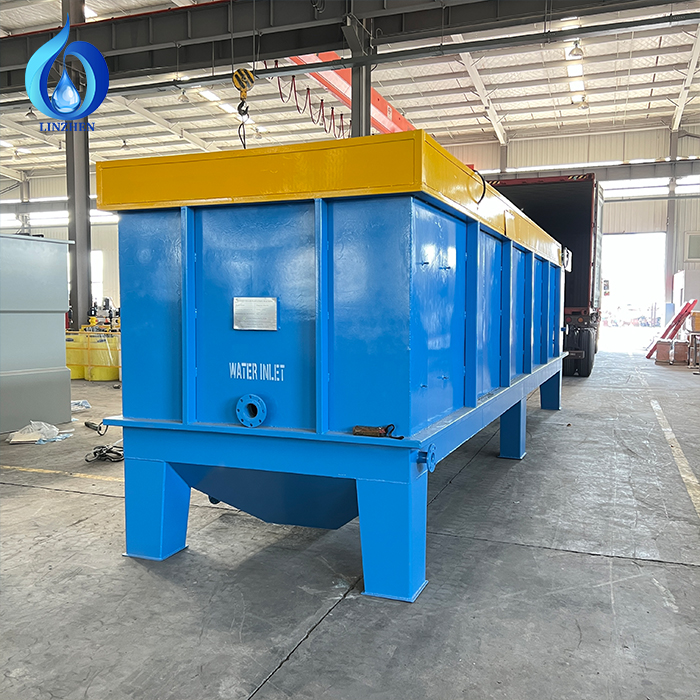
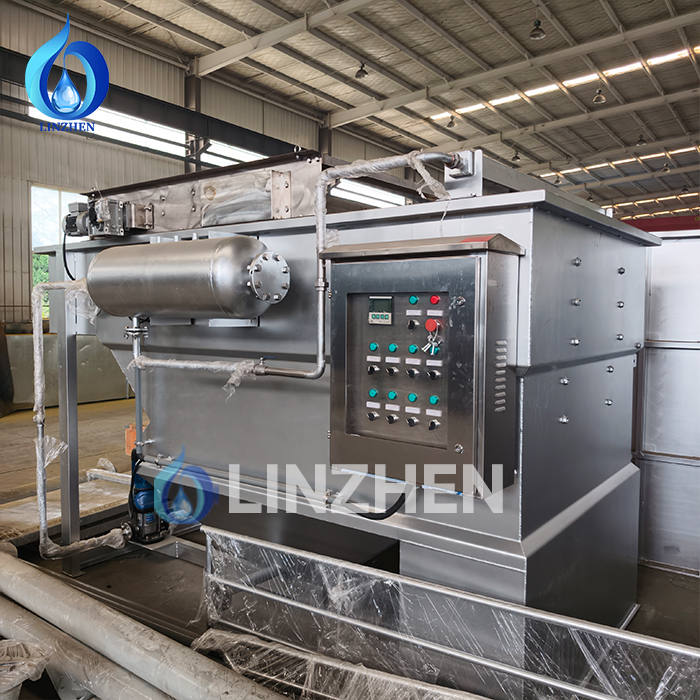
Food processing facilities generate complex wastewater containing oils, proteins, suspended solids, and organic matter that standard settling methods struggle to remove efficiently. A properly designed dissolved air flotation system uses microscopic air bubbles to attach to suspended particles, causing them to rise to the surface for removal. Tank depth acts as the primary variable controlling residence time, bubble-particle contact opportunity, and sludge accumulation capacity within your dissolved air flotation system. Without adequate industrial DAF depth, particles escape treatment; excessive depth wastes capital investment and operational space.
Understanding Tank Depth Requirements
Typical Depth Specifications for Dissolved Air Flotation Systems
Most industrial dissolved air flotation system installations operate effectively at depths ranging from 2 to 4 meters, with 2.5 to 3.5 meters representing the optimal range for food processing wastewater treatment. Your dissolved air flotation system depth must balance residence time against physical space constraints and capital budget. A dissolved air flotation system operating at 2 meters depth typically requires higher hydraulic loading rates and shorter contact times, suitable only for pre-treatment stages or facilities with abundant land area. Conversely, a dissolved air flotation system at 4 meters or deeper creates excessive residence time, increasing sludge accumulation and requiring more frequent solids removal cycles.
Hydraulic Loading and Depth Correlation
The relationship between DAF tank depth and hydraulic loading rate directly governs how effectively your dissolved air flotation system removes contaminants. Standard design protocols specify that hydraulic loading for a dissolved air flotation system should not exceed 4 to 6 cubic meters per square meter per hour, depending on wastewater characteristics and food processing type. When implementing your dissolved air flotation system, engineers calculate the required surface area based on expected flow rates, then determine depth to achieve target residence time. A dissolved air flotation system treating high-oil-content wastewater from rendering operations may require deeper tanks to ensure FOG removal DAF efficiency, while a dissolved air flotation system handling moderate protein loads can operate effectively at shallower depths.
Design Factors Influencing Optimal Depth
Wastewater Characteristics in Food Processing Wastewater Treatment
Different food processing streams present unique challenges that directly affect dissolved air flotation system depth selection. Seafood processing wastewater contains high suspended solids and oils requiring deeper tanks for effective separation; your dissolved air flotation system may need 3.5 to 4 meters to achieve adequate removal. Dairy processing effluent contains emulsified fats and proteins that require sustained bubble contact; a dissolved air flotation system for dairy applications typically operates at 3 to 3.5 meters depth. Vegetable processing wastewater, though containing significant fiber and starch, often settles more predictably and may function adequately in a dissolved air flotation system at 2.5 to 3 meters depth. Meat processing facilities generate particularly challenging effluent requiring a dissolved air flotation system designed with 3 to 4 meters depth to handle combined oil, blood, and protein loads.
Sludge Accumulation and Removal Capacity in Industrial DAF Depth Design
Tank depth directly determines how much sludge your dissolved air flotation system can accumulate between removal cycles. A shallow dissolved air flotation system operating at 2 meters accumulates sludge rapidly in the clarified water zone, requiring daily or twice-daily removal operations. Deeper dissolved air flotation system designs with 3 to 3.5 meters depth provide significantly greater sludge storage capacity, enabling operators to extend removal intervals to once daily or every other day depending on loading intensity. Food processing facilities operating at high throughput benefit substantially from deeper dissolved air flotation system installations because the increased sludge capacity reduces operational frequency and labor costs. However, excessively deep dissolved air flotation system designs can create anaerobic conditions in the sludge zone if removal becomes infrequent, generating odors and potentially releasing dissolved gases that interfere with treatment performance.
Performance Optimization and Practical Implementation
Balancing Depth with Treatment Objectives
The ideal depth for your dissolved air flotation system emerges from careful analysis of your specific processing operations, not from generic industry standards. A dissolved air flotation system designed for preliminary treatment before extended aeration might operate at 2.5 meters, emphasizing rapid throughput over absolute purity. A dissolved air flotation system serving as primary treatment before discharge or water recycling typically requires 3 to 3.5 meters depth to achieve removal efficiencies exceeding 80 percent for suspended solids and 60 to 70 percent for oils. When specifying your dissolved air flotation system depth, collaborate with equipment manufacturers to model treatment outcomes across varying load scenarios. Your dissolved air flotation system performance testing should include peak-hour simulations, seasonal variation scenarios, and seasonal changes in wastewater composition typical of your food processing wastewater treatment operation.
Construction and Operational Considerations for Dissolved Air Flotation Systems
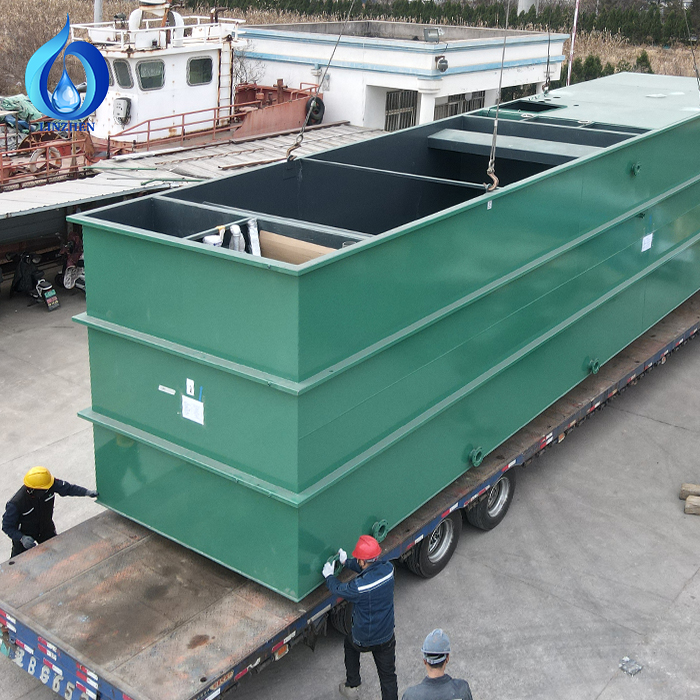
Once you determine optimal DAF tank depth for your dissolved air flotation system, construction methods and ongoing maintenance become critical implementation factors. Concrete tank construction for a dissolved air flotation system at 3 meters depth requires reinforcement planning, sealing specifications, and access provisions for internal inspection and sludge removal. Your dissolved air flotation system internal components, including clarification zones, collection troughs, and flotation cell configurations, must be sized proportionally to accommodate the selected industrial DAF depth. Maintenance protocols for your dissolved air flotation system should address depth-specific challenges such as sludge accumulation monitoring, air saturation pump calibration, and chemical injection system tuning. Operators managing your dissolved air flotation system must understand how depth affects residence time, bubble dispersion patterns, and solids release rates to maximize FOG removal DAF performance across operational variables.
FAQ
What happens if my dissolved air flotation system tank is too shallow?
If your dissolved air flotation system tank depth falls below 2 meters, residence time becomes insufficient for adequate bubble-particle contact and solids consolidation. Untreated suspended matter escapes overflow during peak loading periods, your dissolved air flotation system treatment efficiency drops below acceptable thresholds, and downstream treatment processes become overloaded. Shallow dissolved air flotation system installations force higher air saturation rates to compensate, increasing operating costs.
Can a deeper dissolved air flotation system improve treatment beyond 4 meters?
While deeper designs provide greater sludge capacity, a dissolved air flotation system exceeding 4 meters offers diminishing returns in treatment efficiency for most food processing applications. Your dissolved air flotation system beyond 4 meters depth creates excessive residence time, increasing capital costs, tank footprint, and operational complexity without proportional treatment improvements in food processing wastewater treatment.
How does food processing type influence dissolved air flotation system depth selection?
High-oil-content streams from rendering, meat processing, or seafood operations require deeper dissolved air flotation system tanks, typically 3.5 to 4 meters, to ensure complete separation. Moderate-load operations such as vegetable processing or fruit preparation may achieve adequate treatment in a shallower dissolved air flotation system at 2.5 to 3 meters depth, balancing industrial DAF depth against overall operational footprint.
 EN
EN