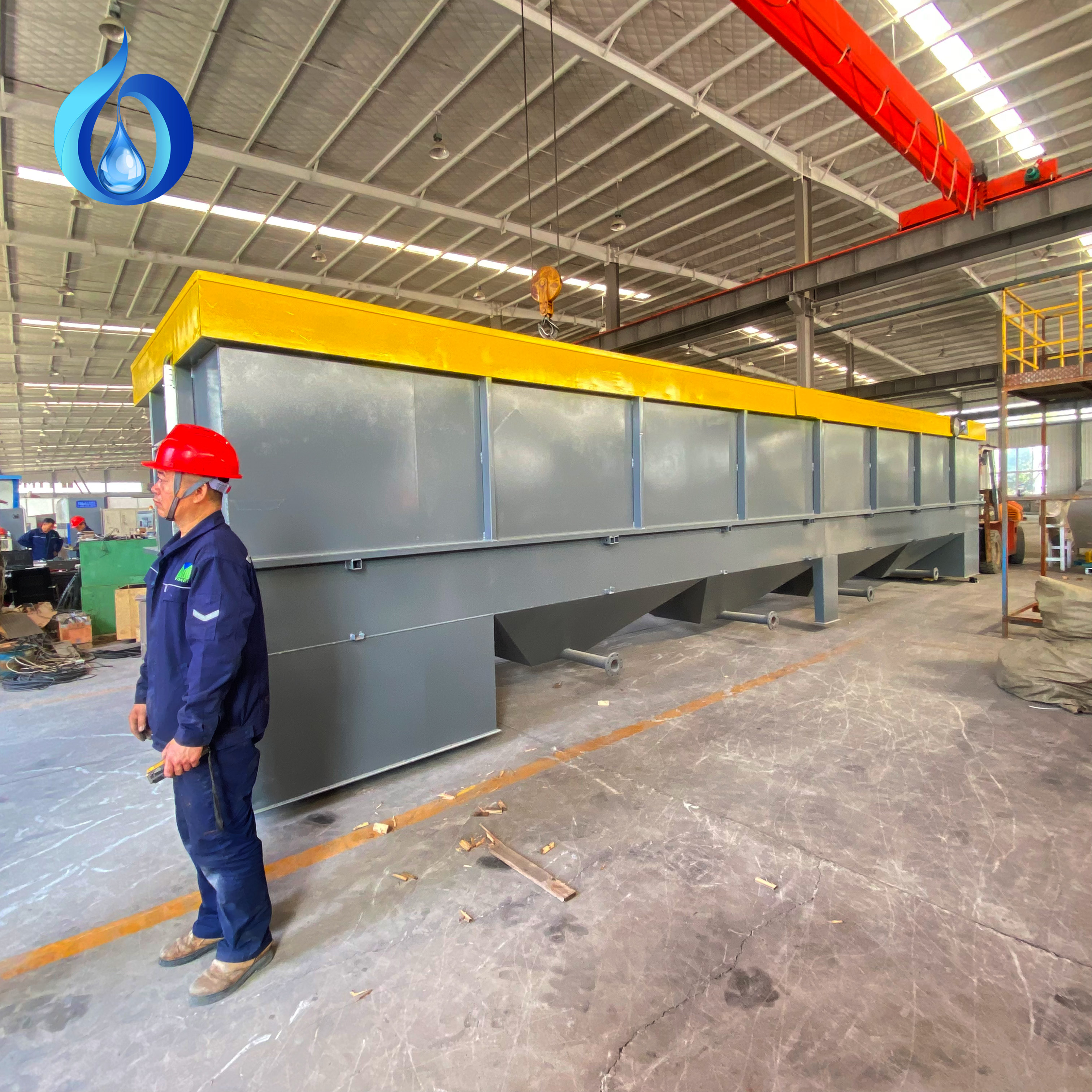
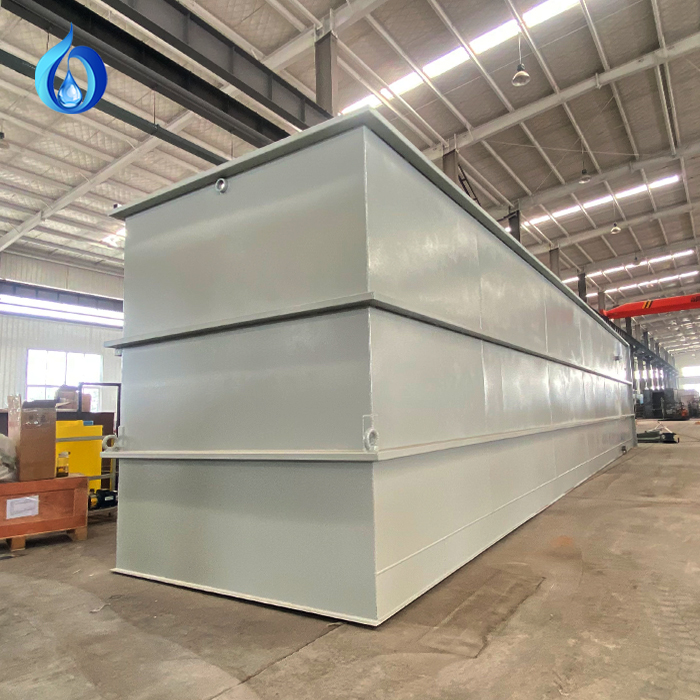
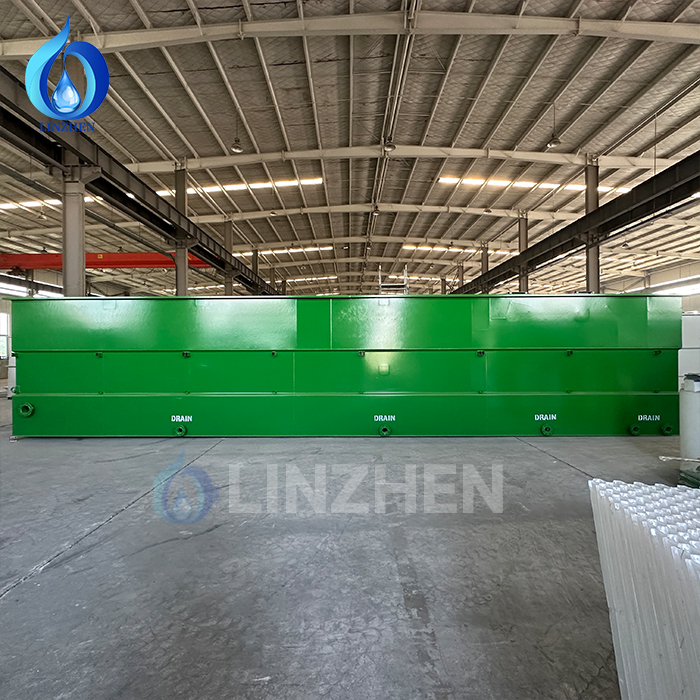
Electricity overhead accounts for up to 40% of total operating expenses across municipal utility facilities. Operating a modern wastewater treatment plant requires continuous power to run aeration blowers, mechanical mixers, pumping stations, and solids handling equipment. Managing power demands at a wastewater treatment plant is essential for facility engineers seeking to curb high operational budgets while staying compliant with strict environmental discharge permits. Implementing proactive energy management across a wastewater treatment plant lowers facility operating expenditure, stabilizes utility budgets, and supports ongoing environmental sustainability initiatives without reducing treatment reliability.
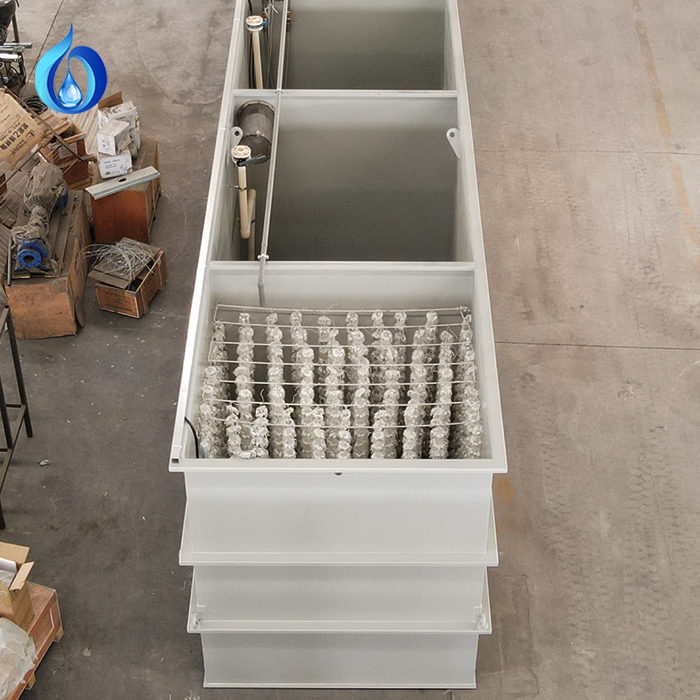
Driving down kilowatt-hour consumption within a wastewater treatment plant involves systematically targeting energy-intensive process units. The biological treatment stage of a wastewater treatment plant typically consumes the majority of baseline power. Upgrading legacy blowers, deploying dynamic process automation, and applying specialized biofilm retrofits empower facility managers to lower utility loads. Evaluating proven conservation practices allows a wastewater treatment plant to achieve substantial, long-term operational savings.
Aeration Optimization and Variable Speed Blower Controls
Upgrading Diffuser Systems in a Wastewater Treatment Plant
Biological aeration basins absorb 50% to 70% of total electricity consumed by a standard wastewater treatment plant. Outdated coarse-bubble diffusers vent air rapidly through liquid basins, yielding poor oxygen transfer efficiency rates between 15% and 20%. Replacing old aeration hardware in a wastewater treatment plant with fine-bubble membrane diffusers increases oxygen transfer efficiency to 35%. This hardware upgrade allows a wastewater treatment plant to deliver required dissolved oxygen levels using significantly less compressed air, lowering blower power consumption by 15% to 25%.
Correct grid placement and diffuser submergence depth further improve oxygen transfer within a wastewater treatment plant aeration basin. Re-engineering bubble distribution patterns in an active wastewater treatment plant extends contact time between rising micro-bubbles and liquid effluent. This practical retrofit optimizes basin mixing dynamics without full structural reconstruction. A wastewater treatment plant adopting modified grid geometry typically achieves an additional 10% reduction in blower power draw, making aeration grid modernizations an attractive choice for facility upgrades.
Automated Control via VFD for Blowers in a Wastewater Treatment Plant
Fixed-speed aeration blowers in a wastewater treatment plant operate at full load continuously, leading to excessive energy waste during low-flow overnight hours. Installing a VFD for blowers allows a wastewater treatment plant to dynamically regulate motor speeds according to real-time oxygen demand. A wastewater treatment plant utilizing automated blower speed adjustments cuts biological aeration power draw by 30% to 50% compared to legacy constant-speed blower setups.
Integrating real-time optical dissolved oxygen sensors with automated control loops transforms a wastewater treatment plant into a responsive, demand-driven process. Sensor networks measure basin oxygen levels continuously, prompting the central SCADA system to regulate blower speed automatically. This precise control mechanism prevents over-aeration during diurnal flow troughs at a wastewater treatment plant. Operators introducing automated dissolved oxygen control routinely cut total blower power demand by 25% to 40%, securing rapid payback on instrumentation investments.
Advanced Compact Biological Treatment and Resource Recovery
MBBR Retrofit Integration for High-Density Processing
Incorporating attached-growth technologies offers another high-efficiency pathway for a wastewater treatment plant expanding treatment capacity within a limited footprint. Executing an MBBR retrofit introduces mobile plastic carriers into aeration basins, encouraging high-density biofilm development. A wastewater treatment plant running MBBR technology processes larger organic contaminant loads per cubic meter of tank volume than traditional activated sludge reactors. This intensified biological capacity lets a wastewater treatment plant process high-strength influent using reduced aeration energy inputs.
Engineers easily integrate bio-carrier media into existing concrete basins during a wastewater treatment plant modernization project. The media protected surface area supports robust microbial communities, maintaining rapid biological breakdown while lowering mechanical mixing energy needs. Facilities completing an MBBR retrofit routinely report 20% to 35% lower specific energy consumption for biological treatment. This footprint-saving technology allows an aging wastewater treatment plant to expand capacity without incurring massive infrastructure expansion expenses.
Membrane Separation and Resource Recovery at a Wastewater Treatment Plant
Advanced membrane separation technologies provide secondary efficiency benefits for a progressive wastewater treatment plant. Incorporating ultrafiltration or membrane bioreactors into a wastewater treatment plant produces high-purity recycled water suitable for industrial reuse or cooling water makeup. Generating high-quality reusable water allows a wastewater treatment plant to create new commercial revenue streams that directly offset baseline power fees.
Additionally, extracting valuable nutrients like phosphorus and nitrogen converts operational waste into marketable fertilizer products. Operating a wastewater treatment plant with integrated nutrient recovery capabilities transforms compliance mandates into profitable operational activities. Financial returns generated from recovered resources help balance ongoing equipment operating expenses at a modern wastewater treatment plant.
Preventive Maintenance and Operational Optimization
Preventive Maintenance Programs in a Wastewater Treatment Plant
Gradual mechanical wear on pumps, blowers, and mixers creates hidden energy losses across a wastewater treatment plant. Unmaintained equipment running in a wastewater treatment plant experiences internal friction, scale buildup, and motor efficiency losses over extended operating cycles. Implementing structured preventive maintenance ensures all mechanical equipment within a wastewater treatment plant operates at peak design efficiency. Routine impeller clearing, bearing lubrication, and air filter maintenance preserve 5% to 10% of total facility baseline energy use.
Promptly fixing valve leaks, clearing fouled heat exchangers, and repairing worn pump wear rings restores nominal operating efficiency at a wastewater treatment plant. Neglecting routine maintenance causes facility equipment to consume up to 20% more power to move identical fluid volumes. Implementing predictive maintenance techniques—such as vibration monitoring, thermal scanning, and sub-metering—helps a wastewater treatment plant fix mechanical issues before severe efficiency losses occur.
Process Automation and Staff Training at a Wastewater Treatment Plant
Real-time process telemetry enables continuous operating optimizations that manual control methods cannot achieve. Upgrading the central SCADA architecture at a wastewater treatment plant gives operators immediate visibility into energy consumption alongside key water quality parameters. Sub-metering major equipment assets helps a wastewater treatment plant identify power spikes, locate inefficient machinery, and apply immediate operational adjustments.
Cultivating energy awareness among operational personnel represents a cost-effective optimization strategy for any wastewater treatment plant. Educating facility technicians on the power cost impacts of daily operational choices builds a culture of active efficiency. Many facilities cut overall energy consumption by 8% to 15% solely through improved operator awareness, procedural adjustments, and refined process tuning, requiring zero capital expenditure for the wastewater treatment plant.
FAQ
What is the average payback timeframe for energy projects at a wastewater treatment plant?
Most energy-saving initiatives at a wastewater treatment plant achieve full financial payback within 2 to 7 years. Installing VFDs or fine-bubble diffusers at a wastewater treatment plant typically yields payback in 3 to 5 years through direct power savings alone, without factoring in reduced maintenance costs.
How does a wastewater treatment plant calculate actual energy savings following equipment upgrades?
A wastewater treatment plant calculates savings by tracking baseline energy metrics (kWh per pound of COD removed) prior to project execution. Installing dedicated electrical sub-meters allows a wastewater treatment plant to monitor real-time power consumption per process stage, verifying exact energy reductions.
Can a wastewater treatment plant cut energy costs without major capital spending?
Yes, a wastewater treatment plant can reduce total energy consumption by 8% to 15% through low-cost operational adjustments. Improving preventive maintenance schedules, refining dissolved oxygen setpoints, and training operators require minimal capital while delivering immediate energy savings for the wastewater treatment plant.
 EN
EN