Achieving sustainable water management requires modern facilities to convert industrial effluent into high-quality reclaimed water. Operating a high-efficiency wastewater recycling system enables enterprises to dramatically decrease municipal water consumption while complying with strict environmental discharge mandates. From raw effluent intake to final distribution, executing a multi-stage wastewater recycling process transforms contaminated streams into purified assets. By understanding each operational phase in the water reuse treatment steps, plant managers and process engineers can optimize treatment efficiency, protect secondary equipment, and maintain consistent output quality for industrial applications.
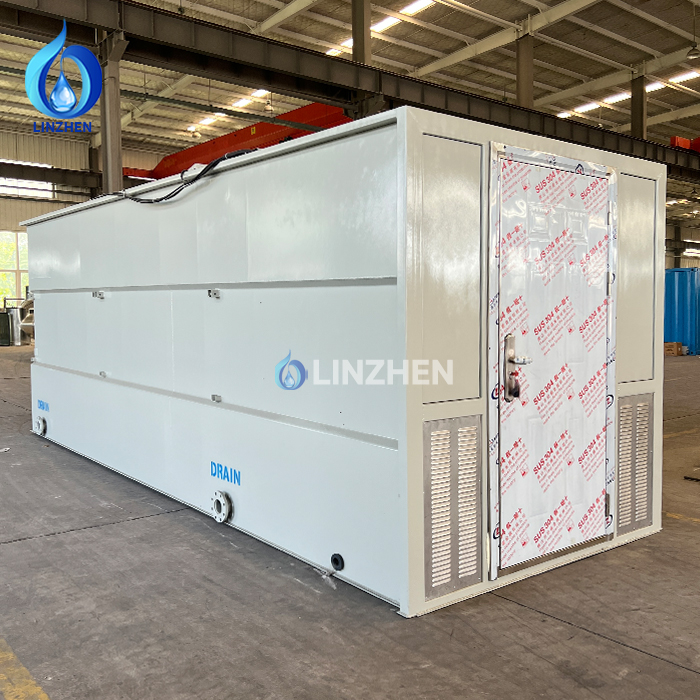
Every industrial facility generates waste streams with distinct chemical compositions, organic loads, and total dissolved solids. Consequently, no single filtration mechanism can guarantee safe water reuse on its own. A comprehensive wastewater recycling system relies on integrated physical separation, biological degradation, advanced chemical oxidation, and high-pressure membrane polishing. Establishing robust control protocols across all treatment stages ensures that the deployed wastewater recycling system handles variable influent characteristics while yielding reliable water quality suitable for cooling towers, boiler feed, and equipment washdown.
Preliminary Physical Separation and Primary Clarification
Bar Screening and Grit Extraction in a Wastewater Recycling System
The initial phase of any commercial wastewater recycling system focuses on physical separation to capture coarse debris and heavy inorganic particulates. Mechanical bar screens intercept large floating debris, rags, and plastics that could damage downstream pumps. Following screening, raw water flows through aerated grit chambers where high-density sand, gravel, and mineral fragments settle under controlled velocity. Protecting downstream infrastructure during these early water reuse treatment steps reduces mechanical wear, prevents pipe blockages, and ensures that the core wastewater recycling process operates without premature equipment failures.
Once preliminary screening concludes, effluent enters primary clarification basins to eliminate settleable organic solids under quiet hydraulic conditions. Gravity sedimentation within the primary clarifiers allows heavy sludge particles to collect at the bottom while floating oils are skimmed off the surface. A well-maintained wastewater recycling system reduces biochemical oxygen demand (BOD) and total suspended solids (TSS) by up to forty percent during primary treatment. Removing bulk organic matter early in the overall wastewater recycling process prevents excessive loading on biological reactors in subsequent purification stages.
Secondary Biological Degradation and Chemical Oxidation
Activated Sludge and Biofilm Processing for Safe Water Reuse
Biological treatment forms the core degradation engine of an industrial wastewater recycling system. Aerobic bioreactors and membrane bioreactors utilize concentrated microbial populations to metabolize dissolved organic compounds, nitrogen, and phosphorus. Continuous aeration supplies oxygen to aerobic bacteria, accelerating organic pollutant destruction. Maintaining balanced food-to-microorganism ratios and dissolved oxygen levels within the wastewater recycling system guarantees high removal rates. Effective biological treatment is essential to achieve safe water reuse parameters before water proceeds to advanced polishing zones.
Following biological oxidation, secondary clarification or membrane separation isolates microbial biomass from the treated liquid. To address non-biodegradable synthetic chemicals and color compounds, engineers incorporate chemical conditioning into the sequential water reuse treatment steps. Coagulants and flocculants destabilize fine colloidal suspensions, promoting rapid particle aggregation. Incorporating chemical polishing within the wastewater recycling process enhances effluent clarity, lowers chemical oxygen demand, and prepares the water stream for sensitive membrane filtration infrastructure.
Tertiary Membrane Filtration, Disinfection, and Quality Control
Advanced Tertiary Treatment for Recycling and Polishing
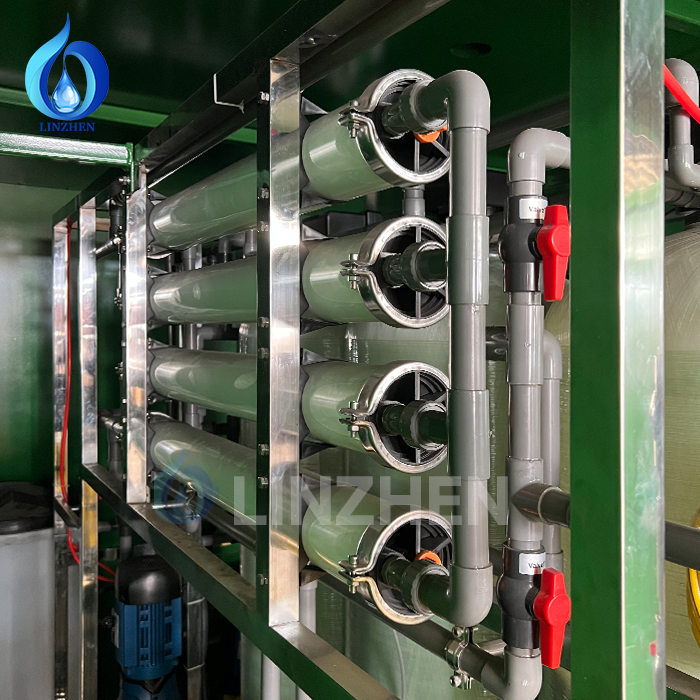
When industrial applications require process-grade purity, integrating tertiary treatment for recycling becomes mandatory. Modern wastewater recycling system configurations incorporate ultrafiltration and reverse osmosis membrane units. Ultrafiltration barriers remove microscopic suspended solids, bacteria, and macromolecules, while reverse osmosis membranes eliminate dissolved salts, heavy metals, and trace organics. Implementing robust tertiary treatment for recycling produces purified water meeting stringent industrial standards, making it ideal for high-pressure boilers and closed-loop process loops.
Final disinfection represents the ultimate safety checkpoint prior to distribution. A multi-barrier wastewater recycling system utilizes ultraviolet radiation, ozone oxidation, or sodium hypochlorite injection to deactivate pathogenic viruses, bacteria, and protozoa. Disinfection guarantees safe water reuse across all facility operations. Continuous online sensors monitor turbidity, conductivity, pH, and residual disinfectant levels in real time, ensuring the entire wastewater recycling process operates within strict regulatory compliance bounds.
Storage, Monitoring, and Industrial Distribution Architecture
Distribution Safeguards in a Wastewater Recycling System
Purified water exiting a wastewater recycling system enters dedicated storage tanks featuring automated turnover controls to prevent stagnation and microbial regrowth. Color-coded piping networks, clear labeling, and cross-connection control devices separate recycled water lines from municipal drinking water infrastructure. Sourcing engineers designing comprehensive water reuse treatment steps include automated divert valves that re-route off-spec water back to equalization tanks if quality metrics deviate. Robust storage management preserves finished water quality throughout distribution.
FAQ
What are the essential water reuse treatment steps in a wastewater recycling system?
The primary water reuse treatment steps comprise physical screening, primary clarification, biological oxidation, chemical conditioning, high-pressure membrane separation, and final disinfection. Following these sequential phases ensures the wastewater recycling process yields high-purity water suitable for industrial applications.
How does tertiary treatment for recycling ensure safe water reuse?
Utilizing tertiary treatment for recycling—such as ultrafiltration and reverse osmosis—removes dissolved minerals, trace chemicals, and micro-pollutants that pass through standard biological systems. This advanced filtration layer guarantees safe water reuse in sensitive utility equipment.
Which industrial processes benefit most from installing a wastewater recycling system?
Facilities with high utility demands, including chemical manufacturing, food processing, textile mills, and power stations, gain substantial savings from a wastewater recycling system. Reclaiming effluent reduces freshwater acquisition costs and eliminates expensive municipal surcharge fees.
 EN
EN