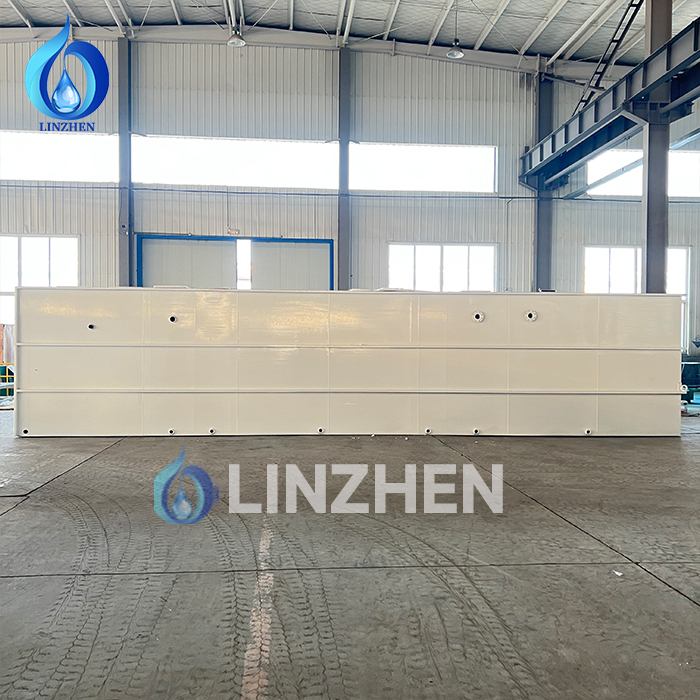
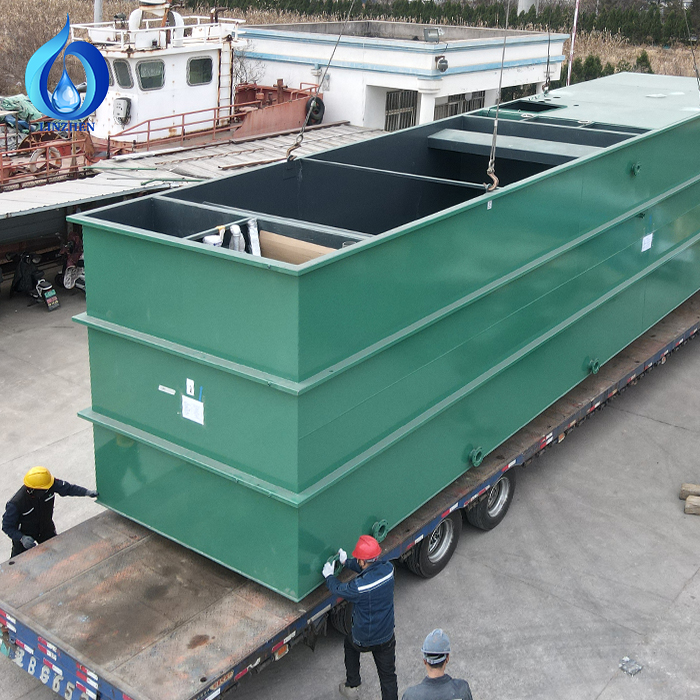
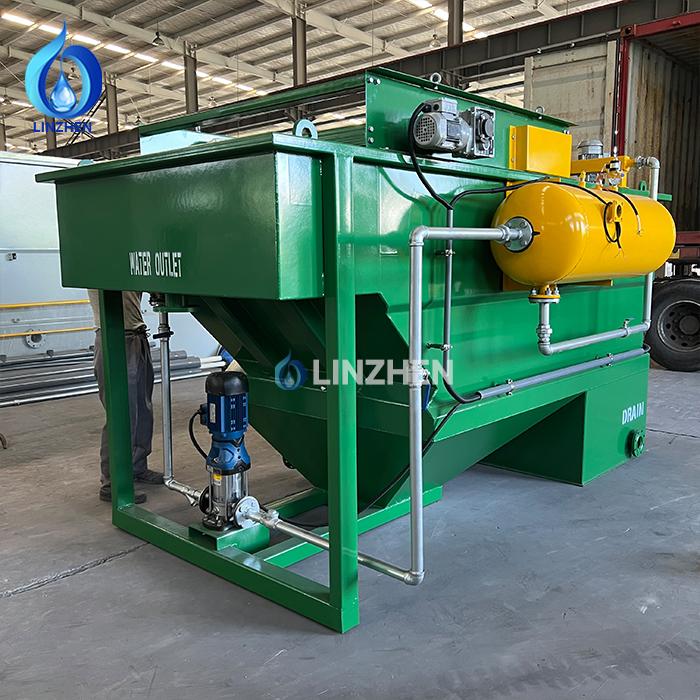
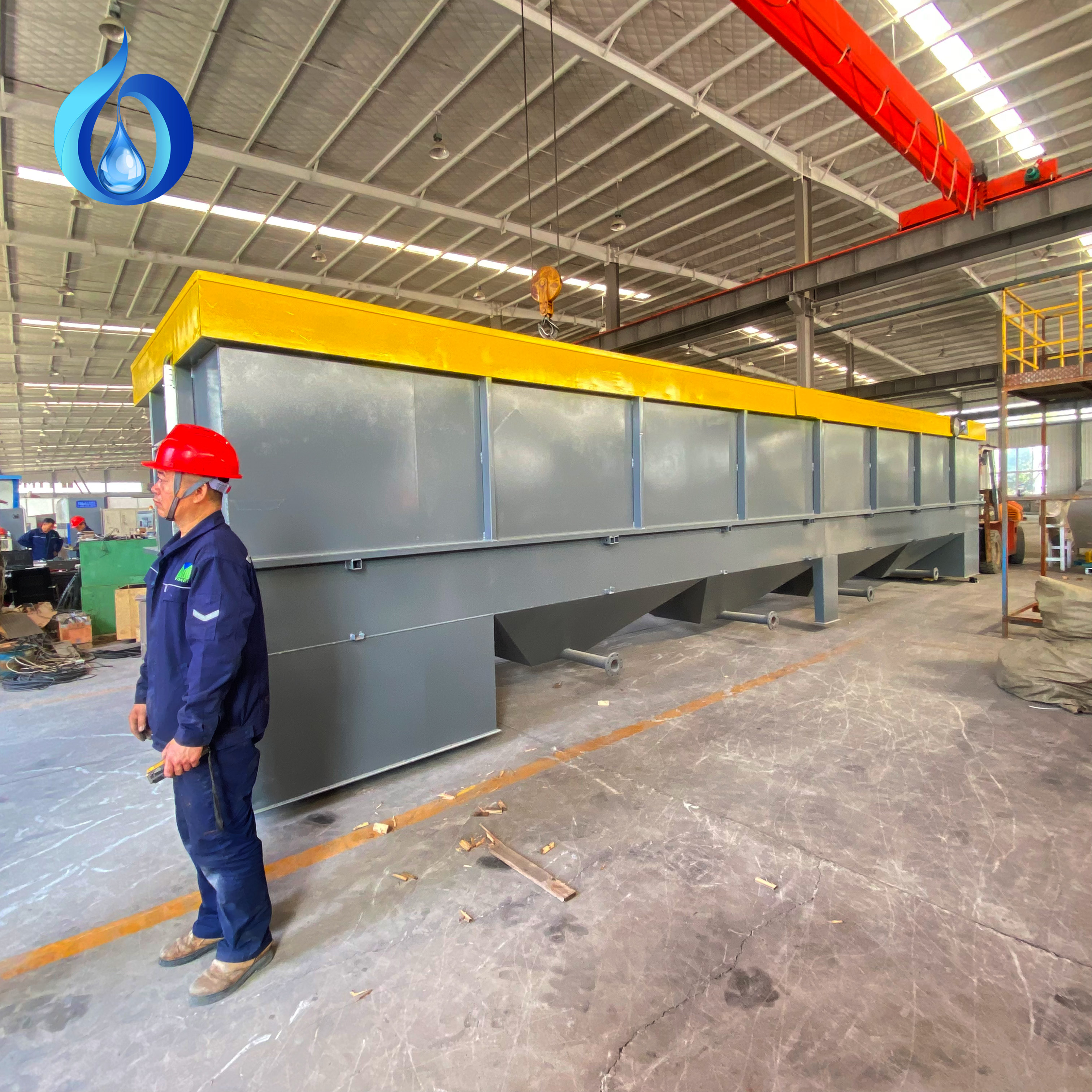
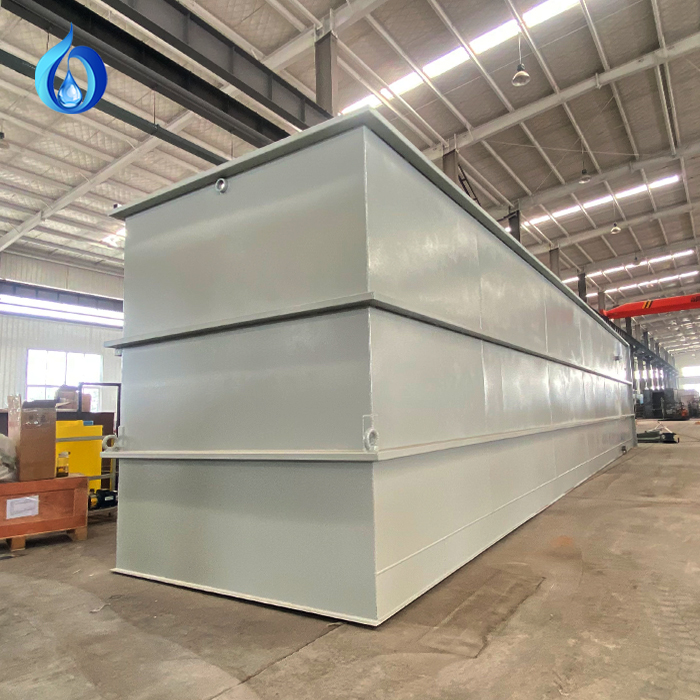
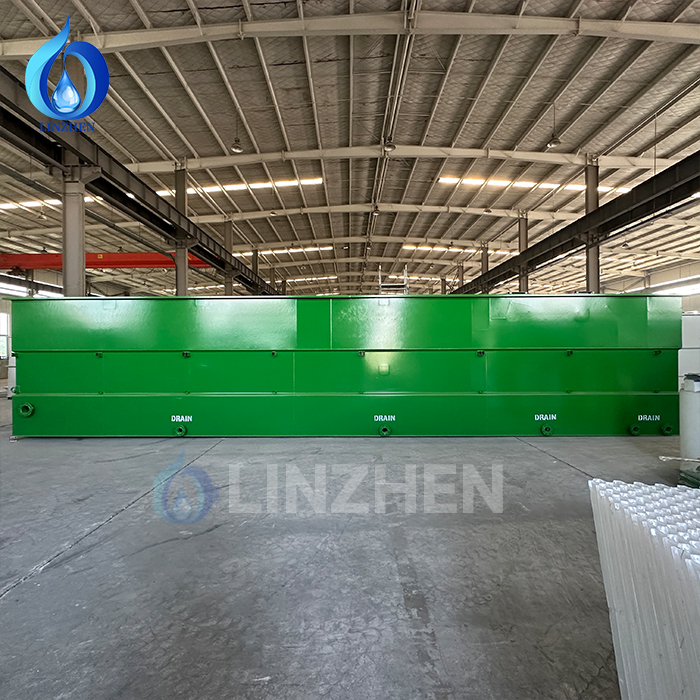
Refineries produce complex wastewater streams containing hydrocarbons, heavy metals, and suspended solids that demand specialized treatment before discharge or reuse. An effective industrial wastewater treatment system must meet rigorous regulatory standards while maintaining operational efficiency under the facility's specific processing conditions. Installing a robust industrial wastewater treatment system ensures total compliance, reduces environmental risk, and optimizes treatment capital investment across the entire refinery site.
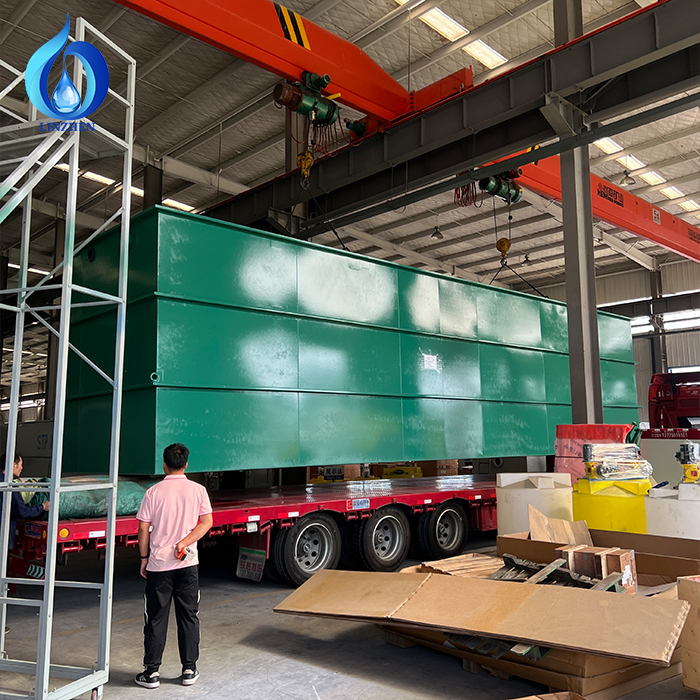
Refineries operate with varying production volumes, maintenance cycles, and seasonal demand fluctuations that all directly influence wastewater characteristics and overall treatment requirements. Selecting the correct treatment architecture depends on matching the industrial wastewater treatment system design to local discharge standards, available land footprint, energy costs, and long-term operational flexibility. Deploying an advanced industrial wastewater treatment system protects downstream water bodies and prevents costly regulatory fines. This guide covers the core specifications every refinery must evaluate when selecting or upgrading an industrial wastewater treatment system.
Hydraulic Capacity Sizing and Flow Requirements
Understanding Peak Flow Demand for the Industrial Wastewater Treatment System
Hydraulic capacity sizing forms the foundation of system dimensioning for any industrial wastewater treatment system. Peak flow handling capacity within the industrial wastewater treatment system must exceed the maximum hourly wastewater generation during full-load refinery operations, plus contingency for surge events. Most refineries require an industrial wastewater treatment system with hydraulic capacity sizing that accommodates 1.5 to 2.5 times the average daily flow to prevent overflow and treatment failure during high-demand periods. The industrial wastewater treatment system must also manage equalization storage to dampen hourly flow spikes effectively.
Retention Time and Performance in an Industrial Wastewater Treatment System
Adequate retention time ensures sufficient contact between wastewater and treatment media or microorganisms inside the industrial wastewater treatment system. Most industrial wastewater treatment system designs require minimum retention times of 4 to 8 hours in biological reactors, depending on influent pollutant concentration and target effluent quality. Shorter retention times in an industrial wastewater treatment system lead to incomplete contaminant removal and non-compliance, while excessive retention increases capital and operational costs unnecessarily. Properly calibrated retention time keeps the industrial wastewater treatment system running at peak efficiency.
Organic Loading Calculation and Biochemical Oxygen Demand
Determining Pollutant Load Characteristics for Industrial Wastewater Treatment System Design
An accurate organic loading calculation quantifies the mass of biodegradable and recalcitrant pollutants entering the industrial wastewater treatment system daily, typically expressed as kilograms of chemical oxygen demand (COD) or biochemical oxygen demand (BOD) per day. Refinery wastewater typically carries 500 to 5,000 milligrams per liter of COD depending on the crude type, hydrocarbon composition, and processing intensity. A well-designed industrial wastewater treatment system must provide sufficient biological or chemical treatment capacity to reduce influent COD to below 50 to 100 milligrams per liter for most discharge permits. Relying on precise organic loading calculation data guarantees the industrial wastewater treatment system is correctly sized.
Balancing Nutrient and Energy Requirements in the Industrial Wastewater Treatment System
Biological processes in an industrial wastewater treatment system require precise nitrogen and phosphorus ratios to sustain microbial communities that degrade organic carbon. Performing a detailed organic loading calculation helps engineers determine if wastewater nutrient ratios require supplementation or if nutrient levels are already sufficient for activated sludge processes in the industrial wastewater treatment system. Systems with inadequate nutrient balance experience reduced microbial activity, rising sludge production, and deteriorating effluent quality, threatening the entire industrial wastewater treatment system operation.
Separation Efficiency and Peak Flow Handling
Selecting Treatment Train Configuration for the Industrial Wastewater Treatment System
Proper peak flow handling determines whether the industrial wastewater treatment system includes primary clarifiers, dissolved air flotation, or coarse screening upstream of secondary biological reactors. When peak hydraulic flows exceed design limits, solids inside the industrial wastewater treatment system settle poorly or float without adequate separation, carrying pollutants into downstream processes. A correctly specified industrial wastewater treatment system includes clarifier surface area and sludge detention volume sufficient for peak flow handling under maximum load scenarios.
Automation and Real-Time Monitoring of the Industrial Wastewater Treatment System
Modern industrial wastewater treatment system designs incorporate automated flow equalization, aeration control, and sludge recycling to maintain consistent treatment performance across varying inlet conditions. Robust peak flow handling becomes manageable when programmable logic controllers (PLCs) automatically adjust treatment intensity, bypass flows, or nutrient addition in response to real-time monitoring data within the industrial wastewater treatment system. This adaptive approach stabilizes effluent quality and extends the service life of the industrial wastewater treatment system by preventing surge-related damage.
FAQ
What regulatory standards govern refinery discharge limits for an industrial wastewater treatment system?
Discharge limits vary by jurisdiction and receiving water body. Most refineries operating an industrial wastewater treatment system must meet federal standards specifying maximum concentrations for oil, grease, suspended solids, and COD. An industrial wastewater treatment system design must verify applicable state water quality standards, municipal pretreatment ordinances, and facility-specific permit conditions before finalizing specifications.
How does organic loading calculation affect industrial wastewater treatment system technology selection?
Higher organic loads revealed by an organic loading calculation typically require extended aeration periods or larger biological reactor volumes within the industrial wastewater treatment system to prevent treatment failure. Lower-load applications may use trickling filters, while high-load facilities demand an advanced industrial wastewater treatment system using activated sludge or membrane bioreactors.
Why is peak flow handling capacity critical for an industrial wastewater treatment system?
Undersized systems experience operational upsets during production surges, leading to permit violations. Effective peak flow handling ensures the industrial wastewater treatment system maintains minimum required retention time and treatment efficiency across all operating scenarios, keeping the entire industrial wastewater treatment system safe and compliant.
 EN
EN