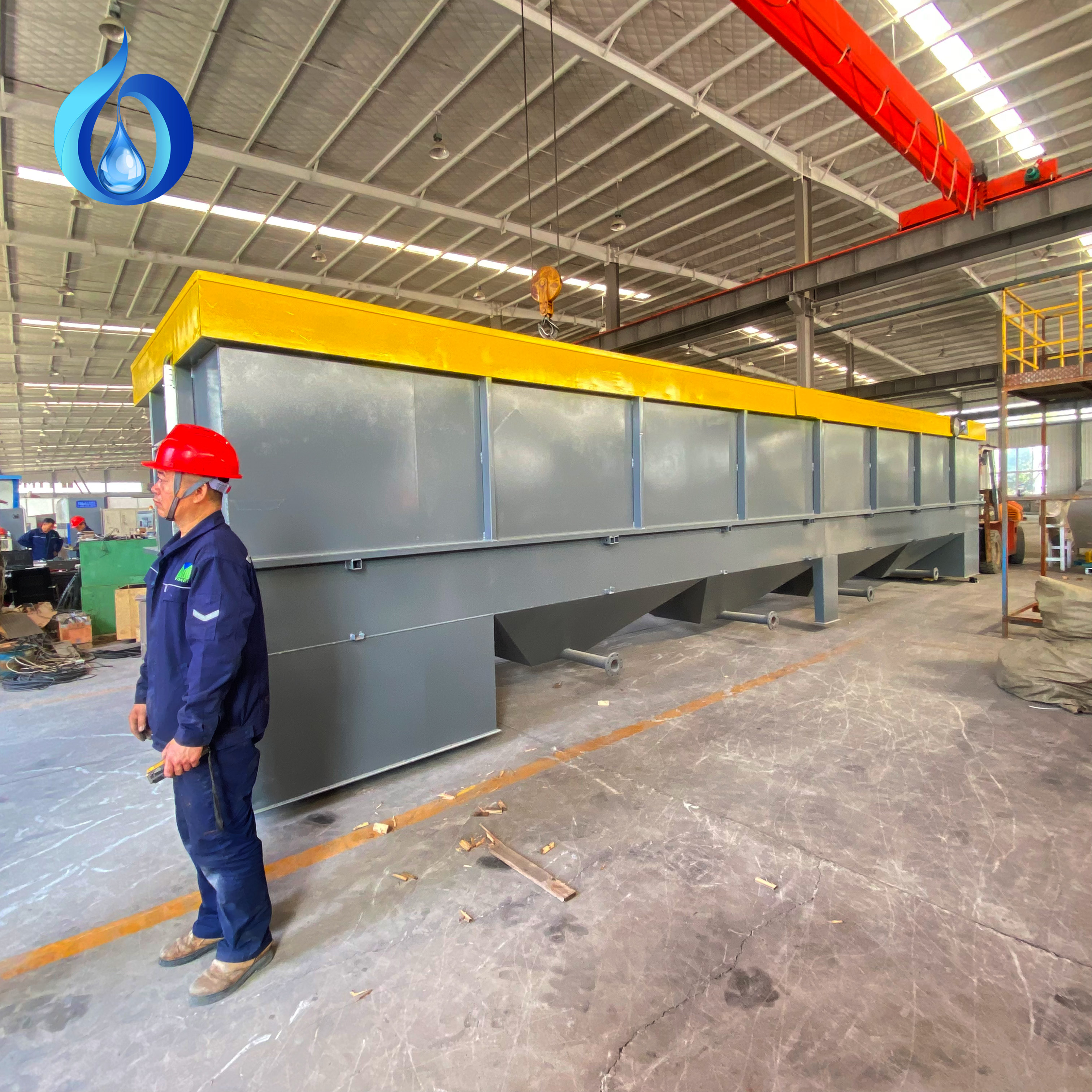
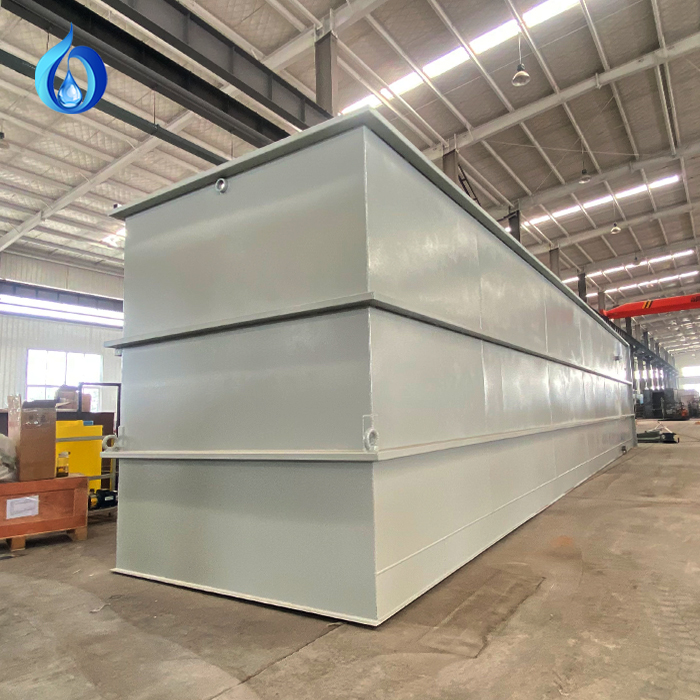
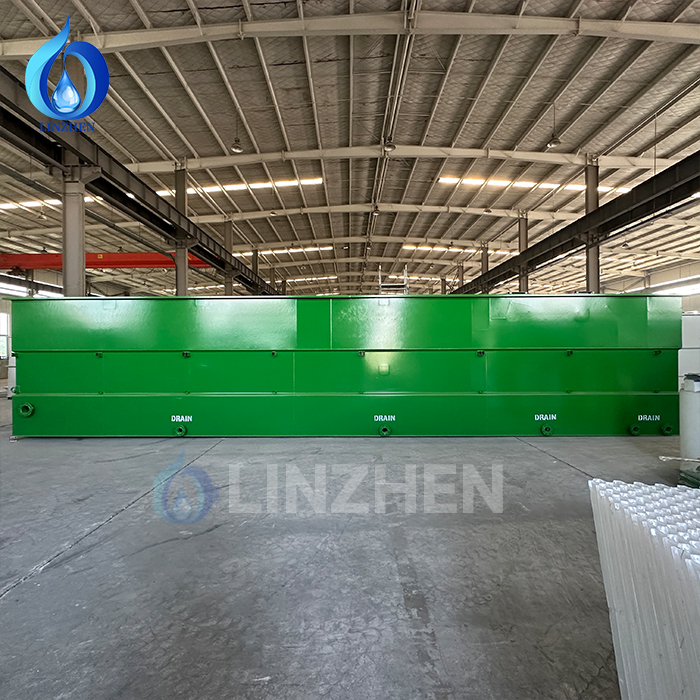
Establishing municipal water infrastructure represents an unprecedented investment for expanding municipalities, making sewage treatment plant site selection a pivotal determination in long-term urban planning. Building a modern sewage treatment plant demands far more than evaluating treatment technologies; planners must pinpoint an operational location that balances environmental preservation, community safety, and long-term capacity requirements. Selecting an unsuitable physical footprint for a sewage treatment plant creates severe vulnerabilities, including permit non-compliance, fierce public opposition, environmental degradation, and catastrophic relocation costs. Implementing a comprehensive strategy for wastewater infrastructure planning helps municipal authorities navigate these critical siting decisions effectively.
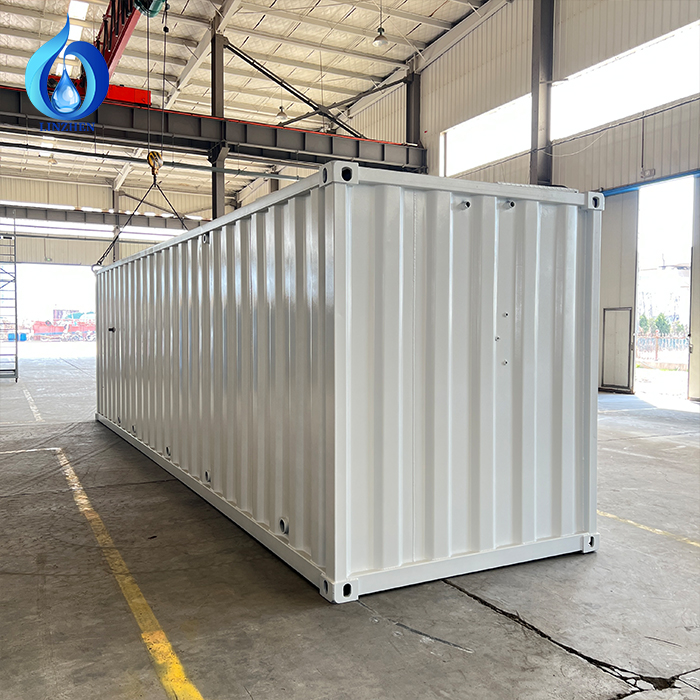
Rapidly expanding suburban districts frequently struggle to anticipate influent volumes and build utility infrastructure early enough. Siting decisions for a new sewage treatment plant must account for present baseline flows, projected population surges, industrial waste loads, and weather volatility. Identifying proper municipal wastewater site criteria guarantees that a candidate sewage treatment plant facility seamlessly accommodates future capacity upgrades without requiring total facility abandonment. By evaluating hydrological, structural, and regulatory parameters early, engineering teams safeguard capital investments and build resilient public health utilities.
Hydrological and Geotechnical Siting Considerations
Waterway Proximity and Gravity Flow Design for a Sewage Treatment Plant
An ideal sewage treatment plant should occupy topographically lower elevations downstream of residential populations to enable cost-effective gravity wastewater conveyance. Siting a sewage treatment plant near receiving water bodies simplifies final effluent discharge, yet discharge points remain strictly regulated by environmental protection agencies. Positioned too close to drinking water intakes, recreational beaches, or sensitive aquatic habitats, a sewage treatment plant will trigger public opposition and regulatory rejection. Establishing a robust sewage treatment plant site selection framework ensures adequate separation distances from critical ecosystems while optimizing natural drainage pathways.
Subsurface geological characteristics and shallow water tables fundamentally govern the structural stability of any major sewage treatment plant installation. Permeable sand or gravel formations increase subsurface contamination risks during accidental containment breaches, whereas dense clay formations offer valuable natural containment barriers. Constructing a heavy-duty sewage treatment plant requires solid soil capable of bearing concrete basins without differential settlement. Comprehensive geotechnical assessments validate whether candidate locations meet established municipal wastewater site criteria, preventing excessive foundation reinforcement expenses during plant construction.
Utility Access and Infrastructure Integration
Transportation Networks and Power Requirements in Wastewater Infrastructure Planning
Continuous access via heavy transport corridors is an indispensable requirement during sewage treatment plant site selection. Facilities require steady road transit for chemical deliveries, heavy equipment maintenance, and daily sludge haulage trucks. Positioning a sewage treatment plant close to primary collection trunk sewers minimizes deep trenching and lift station pumping energy, while maintaining sufficient buffer distance to suppress odor complaints. Smart wastewater infrastructure planning aligns facility placement with existing transport corridors, improving emergency maintenance response times and lowering long-term municipal logistics expenses.
An operational sewage treatment plant consumes continuous electrical power to drive aeration blowers, influent pumps, and automated processing equipment. Siting a major sewage treatment plant where primary electrical grids lack spare capacity leads to severe commissioning delays and expensive substation upgrades. Confirming high-voltage utility availability early in the sewage treatment plant site selection phase prevents unforeseen utility connection surcharges. Furthermore, adequate land area must be reserved at the sewage treatment plant plot for redundant backup generators and transformer yards to guarantee uninterrupted operation during power grid outages.
Zoning Regulations, Buffer Distances, and Expansion Space
Regulatory Compliance and Community Buffers for a Sewage Treatment Plant
Municipal zoning codes and environmental health regulations dictate strict setback distances and land-use compatibility for every industrial sewage treatment plant. Establishing a compliant sewage treatment plant requires acquiring land explicitly zoned for public utilities or securing municipal variance permits. Surrounding residential communities often oppose sewage treatment plant developments due to potential odor emissions and noise. Incorporating proper municipal wastewater site criteria early in the planning process helps planners establish adequate greenbelt buffer zones, implement advanced odor control scrubbers, and earn public trust before breaking ground.
Expanding municipalities require flexible wastewater infrastructure planning that allows treatment plants to scale without complete civil infrastructure replacement. Siting a sewage treatment plant on a spatially constrained plot limits future process upgrades, forcing communities into expensive off-site treatment partnerships. Securing extra acreage during initial sewage treatment plant site selection permits the seamless addition of parallel clarifiers, tertiary filtration units, and bio-solids processing systems as regional populations grow over a 30-year operational horizon.
Frequently Asked Questions
What is the recommended buffer distance for a sewage treatment plant?
Most environmental agencies recommend establishing a sewage treatment plant buffer zone of 300 to 500 feet from residential property lines. However, integrating covered treatment basins and modern odor control systems into the sewage treatment plant design can safely reduce these separation requirements.
How does population growth impact sewage treatment plant site selection?
Anticipated population growth dictates future flow volumes, requiring a sewage treatment plant plot that accommodates physical expansion over 20 to 30 years. Proper wastewater infrastructure planning ensures the site supports modular treatment train upgrades without requiring facility relocation.
Is relocating a sewage treatment plant financially feasible if a site becomes constrained?
Relocating an established sewage treatment plant is extremely costly and complex, often requiring tens of millions of dollars in civil works. Thorough initial sewage treatment plant site selection and adhering to proven municipal wastewater site criteria prevents the need for future facility relocation.
 EN
EN