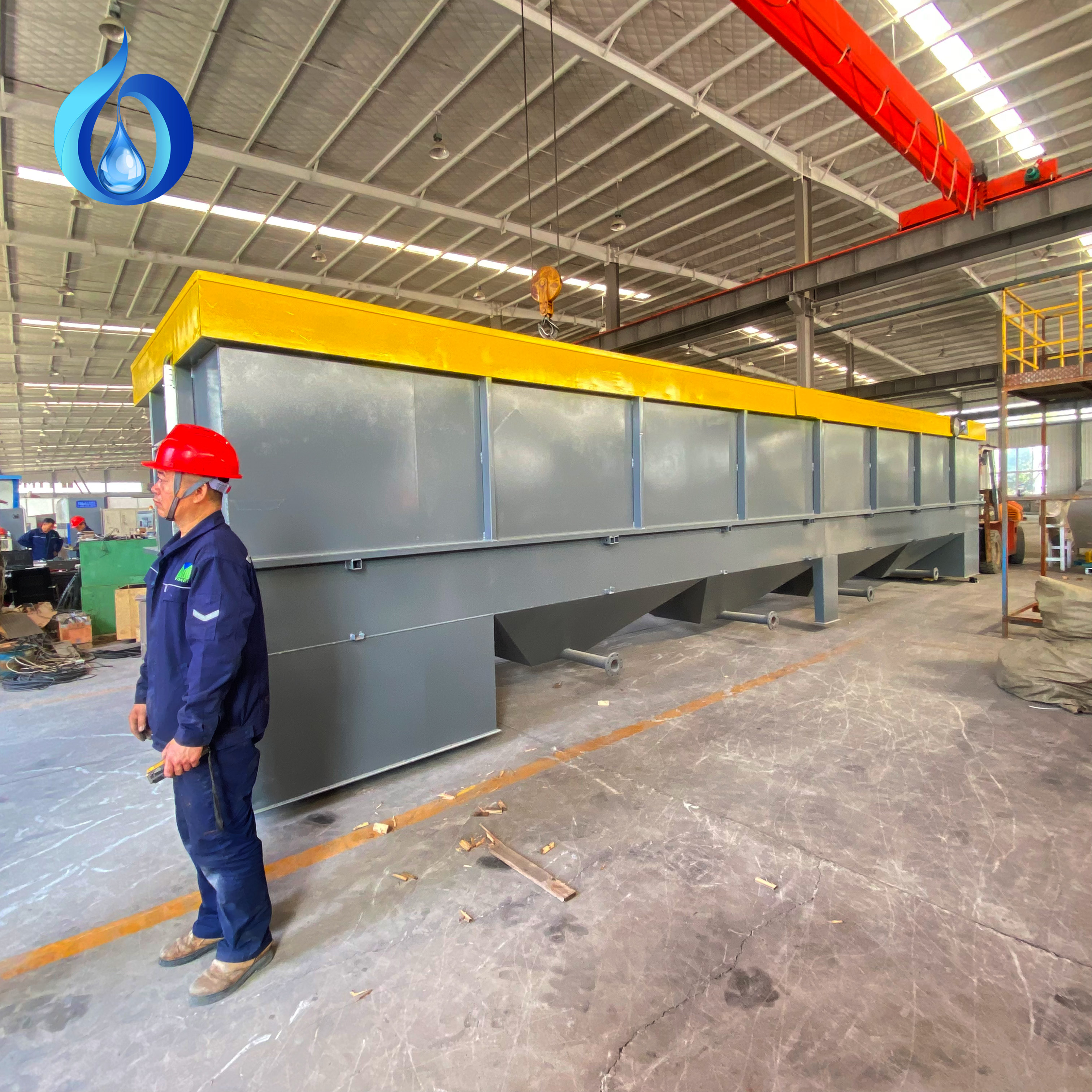
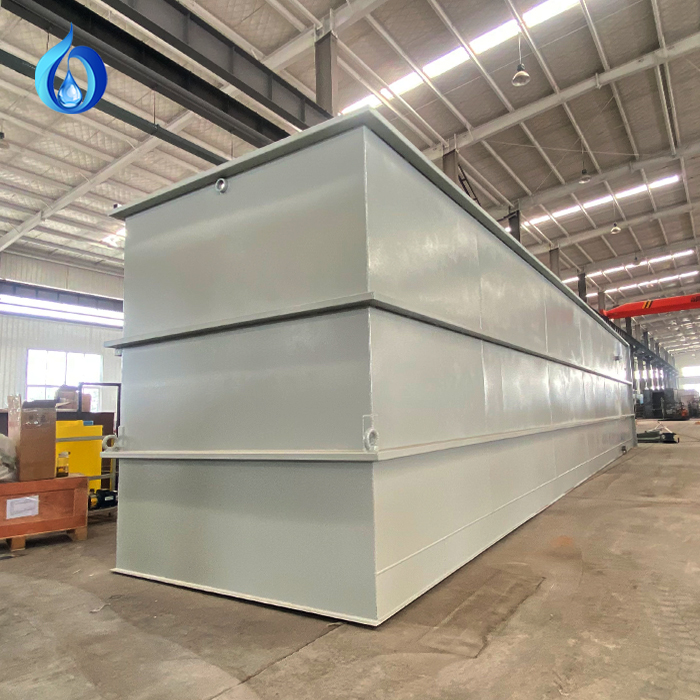
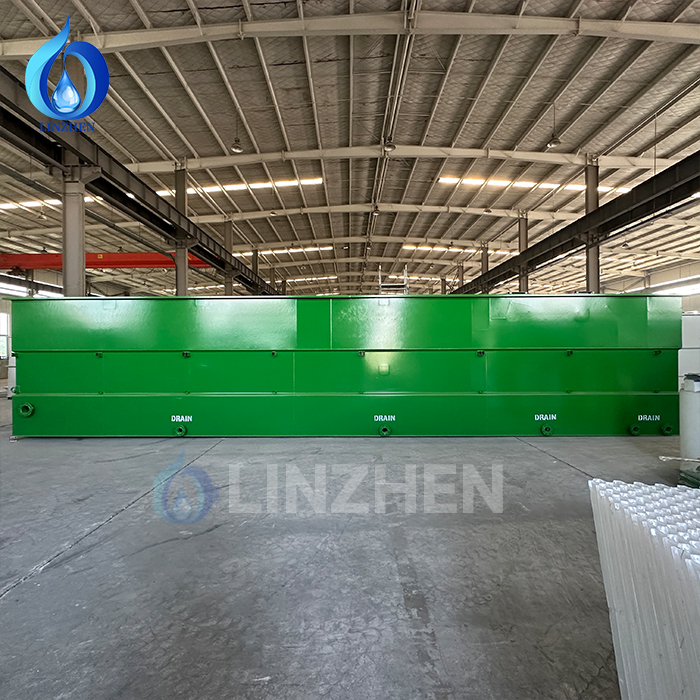
Achieving environmental compliance with an mbbr system involves more than just optimizing the biological reactor. Although an integrated mbbr system excels at breaking down complex organic compounds, the downstream discharge still requires systematic polishing. A fully configured mbbr system relies heavily on subsequent processing stages to transform raw treated water into reusable or safely dischargeable effluent.
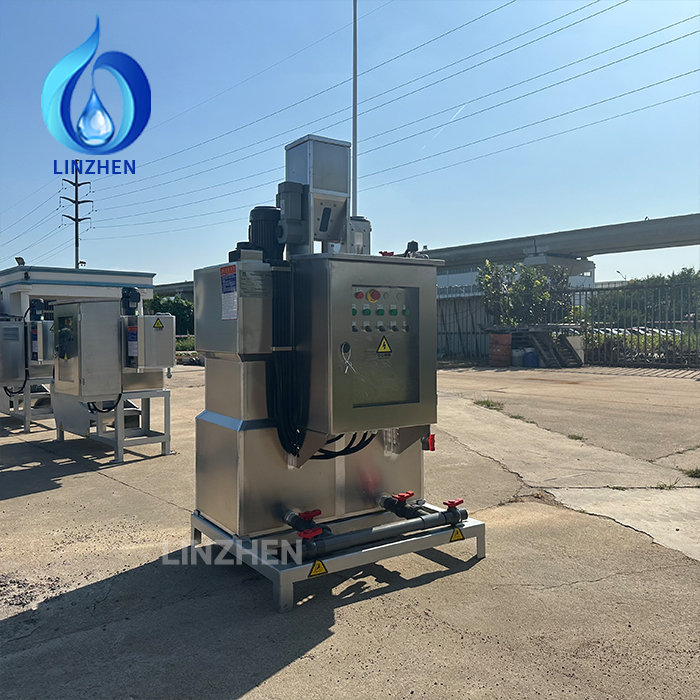
During primary biological breakdown, an mbbr system relies on active biofilms attached to suspended plastic carriers. As wastewater moves past these carriers, microbial biomass continuously sloughs off into the fluid stream. Consequently, the output stream of an mbbr system carries particulate matter, traces of unreacted nutrients, and residual micro-organisms. Implementing structured downstream operations ensures your mbbr system meets stringent local environmental mandates without risking operational bottlenecks.
Phase 1: Particulate Separation and Sludge Clarification
Managing Biomass Retention from your MBBR System
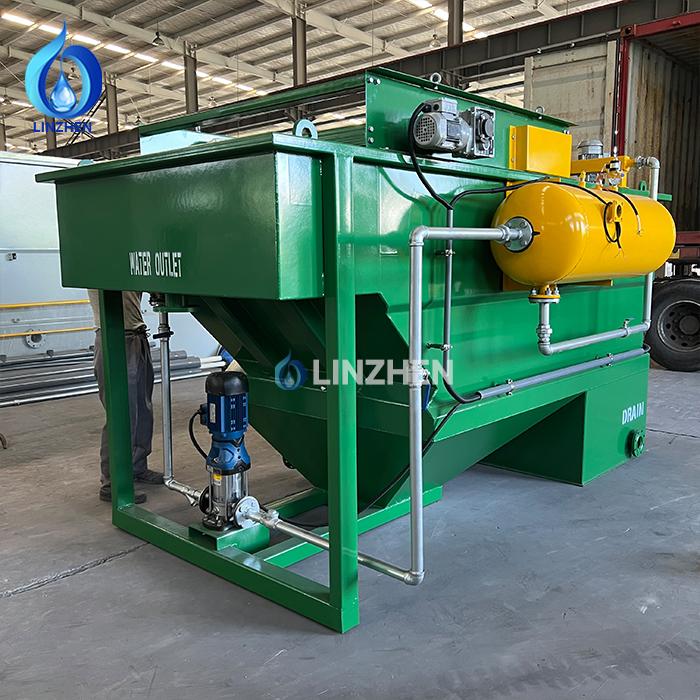
The initial obstacle after biological digestion inside an mbbr system is capturing detached biofilm particles and suspended solids. Plant operators typically position secondary clarifiers directly after the primary mbbr system tank. Gravity-based settling mechanisms allow dense biological flocs generated by the mbbr system to aggregate at the basin floor while clarified water rises toward overflow launders.
A properly calibrated settling stage following an mbbr system routinely extracts up to 95 percent of coarse suspended solids. Hydraulic loading rates for clarifiers attached to an mbbr system must be carefully balanced between 0.5 and 1.5 meters per hour to avoid turbulence. Unlike conventional activated sludge networks, sludge recovered downstream of an mbbr system is rarely recirculated into the main reactor, simplifying overall solids management for the entire mbbr system layout.
Advanced Filtration Technologies for High-Purity Needs
When facility discharge limits mandate suspended solids concentrations under 10 milligrams per liter, basic gravity settling following an mbbr system is insufficient. Installing secondary media filters downstream of the primary mbbr system clarifier intercepts micro-particles that escape initial settling. Utilizing multimedia filters, cloth disc units, or deep-bed sand filtration after an mbbr system establishes a robust safeguard against peak hydraulic surges, elevating final water clarity for industrial reuse.
Phase 2: Chemical Adjustments and Nutrient Refinement
Polishing Residual Phosphorus and Nitrogen Streams
Although a well-managed mbbr system facilitates substantial nitrification, micro-amounts of soluble phosphorus and nitrate compounds often persist in the discharge flow. To counteract persistent nutrients, plants introduce specialized chemical precipitation units immediately downstream of the core mbbr system. Coagulants such as alum or ferric chloride bind with leftover phosphorus exiting the mbbr system, allowing easy capture during secondary filtration.
Constant monitoring of nitrogen profiles at the mbbr system outlet dictates whether supplementary biological polishing or chemical dosing is required. If effluent leaving the main mbbr system shows total phosphorus exceeding 1 milligram per liter, targeted chemical injection becomes vital. Integrating automated chemical dosing directly after the mbbr system prevents downstream eutrophication while keeping operational costs tightly controlled.
Alkalinity Restoration and Neutralization
Biological conversion of ammonia within an mbbr system consumes significant amounts of natural alkalinity, causing the pH level inside the mbbr system basin to drop over time. Acidic discharge from an mbbr system can corrode plant piping and violate municipal discharge permits. Dosing sodium hydroxide, lime, or soda ash into the water after it leaves the mbbr system restores normal pH balance (6.5 to 8.5) prior to final discharge into public waterways.
Phase 3: Pathogen Inactivation and Contaminant Removal
Disinfection Options After Biological Conversion
While an active mbbr system significantly decreases total microbial counts via natural competition, raw mbbr system discharge still contains pathogens. Disinfection acts as a non-negotiable step before releasing water from an mbbr system into public streams or irrigation systems. Common disinfection setups for an mbbr system include ultraviolet light arrays, inline chlorination systems, and ozone oxidation contact tanks.
Ultraviolet disinfection installed after an mbbr system has gained widespread adoption due to its chemical-free operation and low footprint. However, effective UV performance requires low turbidity, making pre-filtration downstream of the mbbr system essential. Alternatively, chemical chlorination following an mbbr system provides lasting residual protection throughout long discharge pipelines, provided contact times are properly controlled to prevent harmful byproduct formation.
Handling Persistent Micro-Pollutants
Certain industrial facility streams processed through an mbbr system contain recalcitrant chemical compounds that resist standard biological oxidation. Adding granular activated carbon or advanced oxidation processes after the primary mbbr system stage effectively traps remaining synthetic organics and heavy metals. Incorporating these polishing barriers guarantees that your full mbbr system configuration consistently adheres to stringent toxicological limits.
Phase 4: Operational Management and Troubleshooting
Analytical Monitoring and Quality Control
Long-term reliability of an mbbr system depends heavily on routine sample collection at every post-treatment node. Plant technicians must measure parameters right at the mbbr system exit before water enters secondary separation steps. Tracking chemical oxygen demand, nutrient levels, and turbidity levels leaving the mbbr system provides early warnings of biomass sloughing or internal media clogging.
Handling the residual sludge generated by an mbbr system represents another key operational responsibility. Settled solids captured from an mbbr system require systematic thickening, dewatering, and stabilization. Utilizing mechanical filter presses or anaerobic digesters downstream of the mbbr system ensures safe solids disposal while maximizing overall plant efficiency.
Preventing Common Process Disruptions
When an operational mbbr system encounters performance degradation downstream, the culprit is frequently improper hydraulic retention timing or overloaded clarifiers. Operators must ensure mixed liquor suspended solids within the mbbr system remain stable (typically between 8,000 and 12,000 milligrams per liter). Allowing solids levels to surge beyond design tolerances forces excessive particulate carryover from the mbbr system, blinding downstream tertiary filters and risking permit non-compliance.
FAQ
Why does an mbbr system require dedicated downstream steps?
An mbbr system effectively breaks down dissolved organic pollutants but does not automatically clarify the final water stream. Effluent leaving an mbbr system contains sloughed biomass, micro-pathogens, and leftover nutrients. Adding secondary separation, chemical polishing, and disinfection stages after an mbbr system ensures the final water meets environmental discharge regulations.
What is the typical timeframe for processing water after an mbbr system?
Post-processing duration following an mbbr system ranges from 3 to 6 hours depending on plant configuration. Secondary settling after an mbbr system typically requires 2 to 4 hours, while tertiary filtration requires 15 to 45 minutes. Final disinfection contact chambers downstream of the mbbr system usually add another 15 to 30 minutes of detention time.
Can any facility bypass downstream steps after an mbbr system?
Bypassing post-processing after an mbbr system is extremely rare and only applicable where discharge standards are minimal or where effluent undergoes secondary centralized treatment elsewhere. Modern environmental frameworks mandate complete solids separation and disinfection following an mbbr system to protect public health and aquatic habitats.
 EN
EN