Modern manufacturing operations face unprecedented environmental regulatory pressure regarding wastewater management. While standard physical and biological filtration easily removes basic suspended solids, specific hazardous substances continuously evade classic industrial effluent treatment protocols. These recalcitrant pollutants demand sophisticated technological approaches and customized remediation trains to prevent severe ecological impact. Recognizing which chemical compounds remain impervious to baseline industrial effluent treatment allows engineering teams to optimize capital allocation and design highly resilient treatment infrastructure.
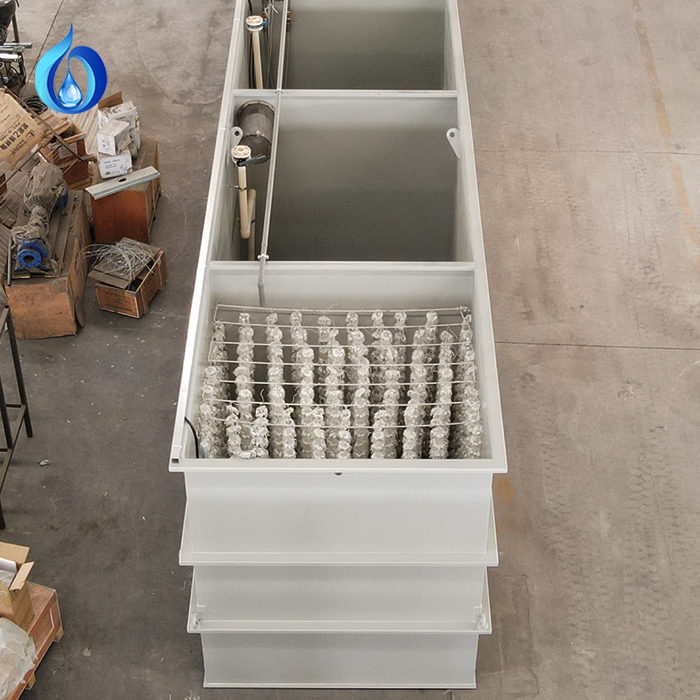
The distinct defiance shown by persistent target contaminants during industrial effluent treatment stems from intricate atomic bonding, low volatility, and high solubility in liquid matrices. Many non-biodegradable agents pass straight through conventional biological reactors without breakdown. Other complex organic compounds require specialized advanced oxidation or intensive sorption media that ordinary industrial effluent treatment facilities do not possess. This analysis explores the most problematic pollutants, uncovers why typical industrial effluent treatment processes fail to eliminate them, and outlines cutting-edge destruction methodologies.
Persistent Organic Pollutants and Heavy Metals in Industrial Effluent Treatment
Molecular Stability and Industrial Effluent Treatment Constraints
Persistent organic pollutants (POPs)—including polychlorinated biphenyls, dioxins, and halogenated agricultural residues—constitute a major obstacle for standard industrial effluent treatment units. The exceptionally stable chemical bonds and aromatic carbon rings within POPs resist natural enzymatic breakdown. Because these synthetic molecules do not readily react under normal biological or chemical conditions, standard activated sludge industrial effluent treatment secondary circuits fail to neutralize them.
Heavy metals represent a parallel challenge within industrial effluent treatment applications. Although routine hydroxide precipitation separates many dissolved metals, high-risk elements like mercury, cadmium, and lead frequently stay bound in soluble chelates. Mercury in particular complicates industrial effluent treatment due to its tendency to transform into highly toxic methylmercury, which easily bypasses single-stage filtration. Achieving stringent discharge limits requires multi-stage polishing steps beyond basic industrial effluent treatment.
Bioaccumulation Risks in Industrial Effluent Treatment Streams
Contaminants that resist primary and secondary industrial effluent treatment often feature high bioaccumulation potential, accumulating exponentially up the food chain. Discharge containing even micro-quantities of these persistent molecules inflicts long-term damage on surrounding aquatic environments. Trace pharmaceuticals, synthetic hormones, and endocrine disruptors exemplify this danger; they frequently slip past traditional industrial effluent treatment monitoring equipment while generating chronic toxicity downstream.
Emerging Refractory Toxins Challenging Industrial Effluent Treatment
PFAS Removal Barriers in Industrial Effluent Treatment
Per- and polyfluoroalkyl substances (PFAS) are among the most notorious pollutants troubling modern industrial effluent treatment plants. Engineered specifically for thermal endurance and hydrophobic performance, PFAS molecules feature exceptionally powerful carbon-fluorine bonds. Consequently, PFAS removal cannot be achieved through standard thermal, biological, or basic chemical aeration techniques. Incomplete PFAS removal during secondary industrial effluent treatment necessitates expensive tertiary polishing, such as granular activated carbon (GAC) beds or specialized ion exchange resin beds.
Microplastics present a dual threat to industrial effluent treatment system performance. Beyond acting as physical debris that bypasses coarse screens, these microscopic polymers absorb hazardous hydrophobic chemicals, effectively shielding concentrated resistant toxins from chemical oxidation. Modern industrial effluent treatment facilities must integrate advanced ultrafiltration or membrane bioreactors to intercept microplastics before final discharge.
Nitrogen and Nutrient Overload in Industrial Effluent Treatment
Concentrated nitrogen compounds from pharmaceutical, chemical, and agrochemical manufacturing demand precise control within industrial effluent treatment frameworks. Simple aerobic biological digestion often fails to reduce total nitrogen below strict regulatory thresholds. High concentrations of free ammonia inhibit microbial activity, forcing industrial effluent treatment operators to implement specialized nitrification-denitrification sequences with extended retention times to prevent severe aquatic eutrophication.
Advanced Solutions for Removing Resistant Toxins in Industrial Effluent Treatment
Multi-Stage Advanced Oxidation for Industrial Effluent Treatment
Eliminating recalcitrant resistant toxins requires moving beyond conventional primary-secondary designs toward multi-barrier industrial effluent treatment architectures. Advanced Oxidation Processes (AOPs)—utilizing ozone, ultraviolet radiation, and Fenton catalysts—generate powerful hydroxyl radicals ($\text{OH}^\bullet$). These unselective oxidants attack stable carbon-fluorine and aromatic rings, converting complex resistant toxins like POPs and persistent organochlorines into harmless carbon dioxide, water, and inorganic salts during industrial effluent treatment.
Adsorption technologies remain vital for polishing streams containing refractory compounds. Granular activated carbon (GAC) and synthetic ion exchange media selectively capture dissolved resistant toxins that escape biological digestion. Combining AOP pre-treatment with specialized carbon adsorption ensures successful PFAS removal and pharmaceutical destruction, providing a reliable defense strategy for high-risk industrial effluent treatment operations.
Optimized Biological and Membrane Technologies in Industrial Effluent Treatment
Upgraded biological systems, such as Moving Bed Biofilm Reactors (MBBR) and Sequencing Batch Reactors (SBR), enhance the breakdown of complex pollutants in industrial effluent treatment. By maintaining high biomass concentrations and specialized bacterial strains, these systems improve the degradation rate of complex organic molecules. Paired with high-pressure reverse osmosis or nanofiltration membranes, modern industrial effluent treatment plants can achieve near-complete retention of non-biodegradable pollutants and heavy metal complexes.
FAQ
Why do certain resistant toxins survive standard industrial effluent treatment?
Certain compounds survive standard industrial effluent treatment because of their rigid chemical bonds, synthetic halogenation, low volatility, and resistance to enzymatic digestion. Substances like PFAS and POPs feature stable molecular chains that ordinary microbes cannot digest. Effective removal requires advanced industrial effluent treatment technologies, including ozone-based AOPs, microfiltration, or active carbon media.
Can conventional biological methods achieve effective PFAS removal?
No, conventional biological methods cannot achieve effective PFAS removal. The carbon-fluorine bonds in PFAS are too strong for standard microorganisms in an industrial effluent treatment plant to break down. Complete capture or destruction requires targeted high-surface-area sorption media (such as GAC or specialized resins) combined with high-pressure membrane separation or destruction technologies.
How do advanced oxidation processes destroy resistant toxins in industrial effluent treatment?
Advanced oxidation processes generate highly reactive hydroxyl radicals within the industrial effluent treatment matrix. These short-lived, high-energy radicals break the resilient chemical bonds of complex organics, converting hazardous resistant toxins into simple, non-toxic substances like water, carbon dioxide, and mineral ions before final release.
 EN
EN