Automotive assembly factories generate significant volumes of contaminated water daily, making effective waste water treatment essential for operational compliance and environmental protection. Manufacturing processes including painting, welding, cleaning, and coating operations discharge water laden with oils, heavy metals, suspended solids, and chemical residues. Without proper waste water treatment and sewage purification systems, these toxic contaminants pose serious risks to surrounding water systems, soil quality, and local communities. The automotive sector faces strict regulatory requirements that mandate comprehensive effluent management protocols before any industrial discharge occurs.
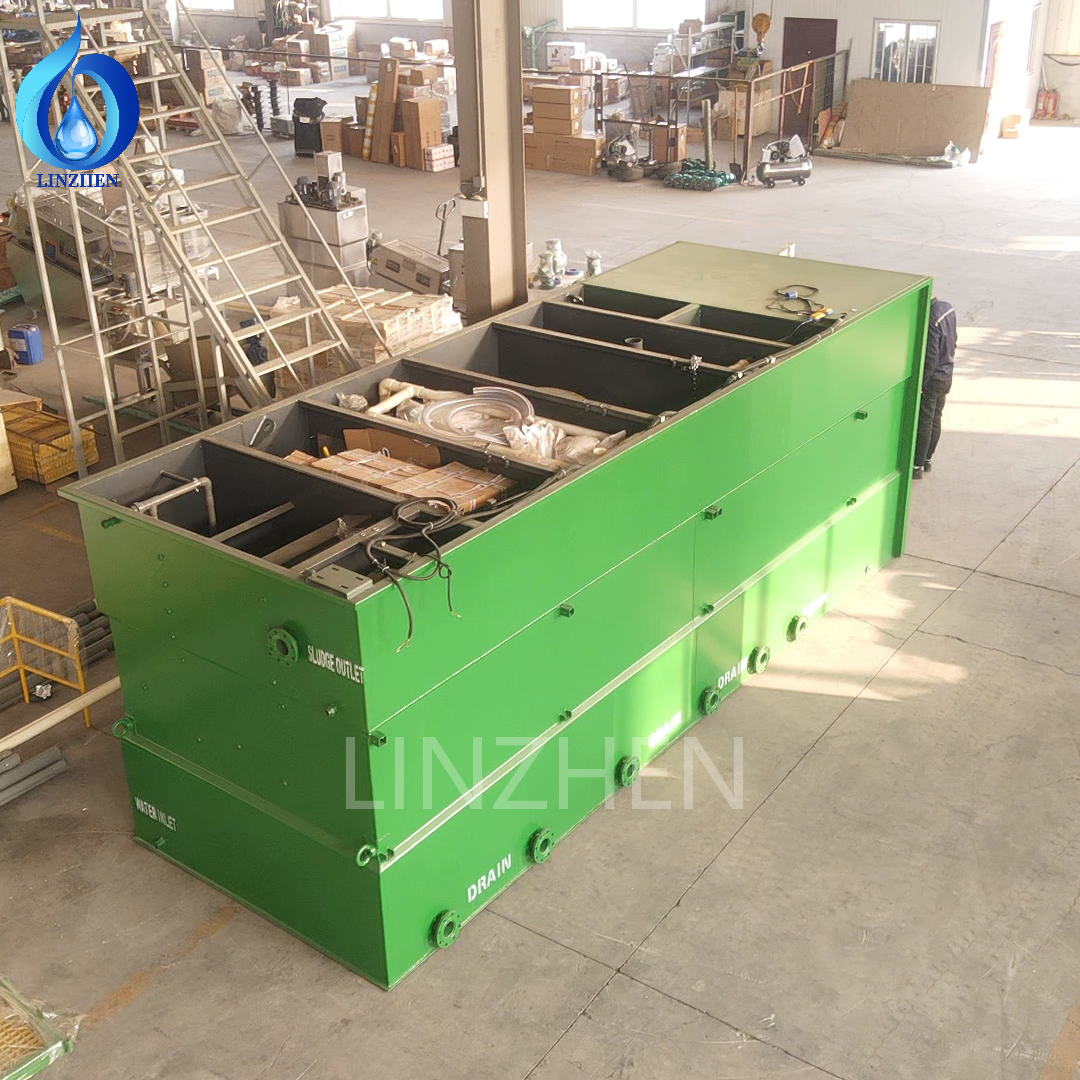
Understanding the main steps involved in waste water treatment helps factory managers design efficient systems, reduce environmental liability, and maintain continuous production. Each stage of waste water treatment serves a specific purpose, removing different contaminant types through physical, chemical, and biological processes. Modern automotive factories integrate these core steps into unified effluent management systems that handle high volumes while meeting legal discharge standards. This comprehensive guide walks through the core waste water treatment stages that car assembly facilities must implement to safely manage their industrial wastewater.
Pre-Treatment and Solids Removal in Waste Water Treatment
Initial Screening and Grit Removal
The first phase of waste water treatment involves removing large debris and settling abrasive particles that could damage downstream equipment. Mechanical screens catch rags, plastics, metal fragments, and solid waste common in automotive manufacturing. After screening, water flows into grit chambers where sand and heavy mineral particles settle. This initial physical filtration during waste water treatment protects pumps, pipes, and treatment machinery from blockages and excessive wear. Properly designed pre-treatment stations in a waste water treatment plant remove 30 to 50 percent of suspended solids before water enters primary units.
Equalization and Flow Regulation for Waste Water Treatment
Automotive factories experience fluctuating wastewater volumes throughout production shifts, requiring equalization tanks that buffer flow variations. These holding tanks allow waste water treatment systems to process water at consistent rates rather than experiencing sudden hydraulic surges. Equalization also provides essential retention time for initial oil separation and gravity settling. By stabilizing incoming flow, subsequent waste water treatment becomes significantly more efficient, and chemical dosing requirements decrease. Factory operators can monitor incoming water characteristics and adjust waste water treatment parameters based on composition variations detected in equalization basins.
Primary Treatment and Oil Removal
Separation of Oil and Floating Solids in Waste Water Treatment
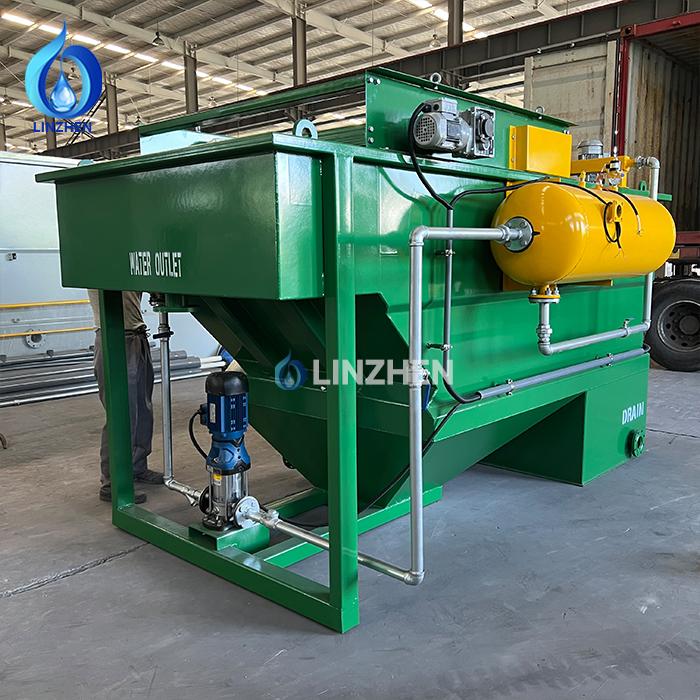
Oil and grease removal represents a critical step in waste water treatment at automotive assembly plants, since machining, painting, and coating operations introduce petroleum-based contaminants. Skimming tanks and parallel plate interceptors within the waste water treatment line allow oil droplets to float to the surface while dense solids settle. Coalescers enhance oil separation during waste water treatment by encouraging small oil particles to combine into larger globules. Modern waste water treatment systems often employ corrugated plate separators that achieve 90 to 95 percent oil removal efficiency. Recovered oils enter segregated collection systems for recycling, reducing total waste volumes in waste water treatment operations.
Coagulation and Chemical Precipitation in Waste Water Treatment
Chemical waste water treatment follows mechanical separation, with coagulants and flocculants added to aggregate suspended particles into larger settleable masses. Common chemicals in waste water treatment include ferric chloride, aluminum sulfate, and polyaluminum chloride. The chemical stage of waste water treatment involves rapid mixing followed by slow stirring to promote floc formation. Heavy metals, particularly zinc, chromium, and nickel, precipitate as hydroxides at specific pH levels controlled during waste water treatment. Flocculated particles quickly settle into a sludge layer that can be separately managed in the waste water treatment facility.
Biological and Secondary Treatment Methods
Activated Sludge and Aerobic Waste Water Treatment
After primary stages remove solids and oils, waste water treatment typically enters activated sludge systems where microorganisms consume organic compounds. Aeration tanks bubble oxygen through the water, creating aerobic conditions essential for biological waste water treatment. The activated sludge process in waste water treatment removes 85 to 95 percent of biochemical oxygen demand and suspended solids. Microorganisms in biological waste water treatment also assist in denitrification, converting nitrogen compounds into harmless gases. Clarifiers following aeration tanks allow biomass to settle, producing cleaner effluent ready for advanced waste water treatment polishing or final discharge.
Nutrient Removal and Advanced Polishing in Waste Water Treatment
Modern industrial waste water treatment systems incorporate nutrient removal stages to address nitrogen and phosphorus before discharge. Sequential anoxic and aerobic zones within biological waste water treatment reactors achieve simultaneous nitrification and denitrification. Additional polishing steps, including sand filtration and membrane bioreactors, remove remaining dissolved substances during tertiary waste water treatment. Advanced waste water treatment methods align with increasingly stringent environmental regulations while enabling automotive facilities to recycle treated water for non-potable applications like cooling or washdown.
Sludge Management and Discharge Control
Dewatering and Solids Disposal in Waste Water Treatment
Sludge accumulated throughout waste water treatment processes requires separate handling, including thickening, stabilization, and dewatering. Gravity thickeners concentrate sludge solids, reducing total volume before further processing in the waste water treatment plant. Belt press filters dewater concentrated sludge to minimize disposal volume and transportation costs. Final sludge management represents a significant operational cost but remains essential for comprehensive waste water treatment compliance.
Final Monitoring and Regulatory Compliance
Treated effluent undergoes continuous monitoring to verify that waste water treatment meets regulatory discharge standards before release into municipal systems or waterways. Automotive factories test for suspended solids, oil, heavy metals, pH, and oxygen demand. Automated equipment provides real-time alerts when waste water treatment parameters approach limit thresholds, ensuring complete environmental safety.
FAQ
Why is waste water treatment critical in automotive manufacturing?
Automotive assembly introduces oils, heavy metals, paint residues, and chemical contaminants that require waste water treatment before release. Comprehensive waste water treatment protects facilities from substantial fines and production shutdowns while ensuring safe discharge.
How long does the complete waste water treatment process take?
Total retention time in a waste water treatment facility typically ranges from 24 to 48 hours from initial screening through final polishing, depending on continuous flow rates and retention capacity.
Can treated water from waste water treatment systems be reused?
Yes, many automotive factories reuse water processed through advanced waste water treatment systems for cooling tower makeup, washdown, and utility needs, significantly reducing freshwater consumption.
 EN
EN