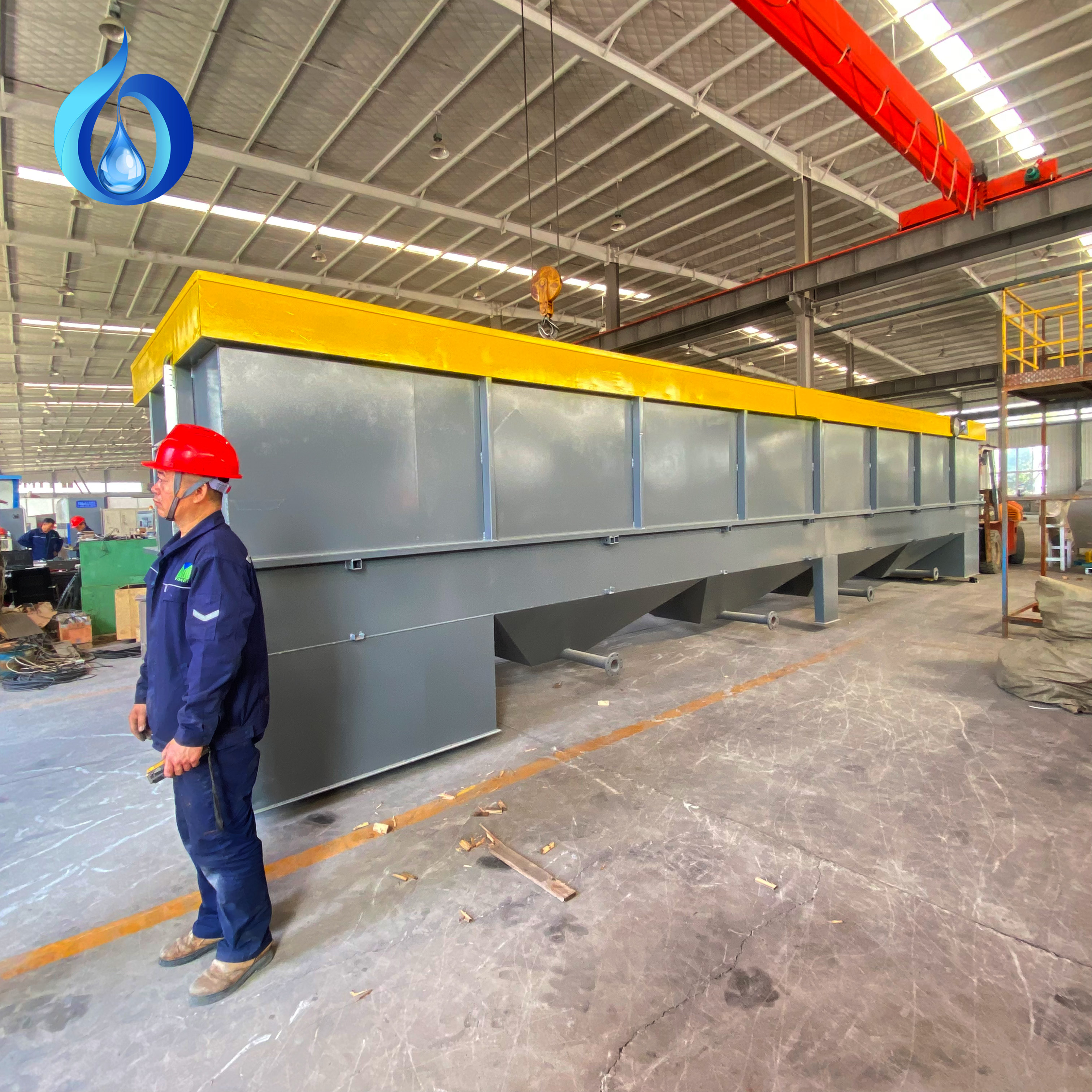
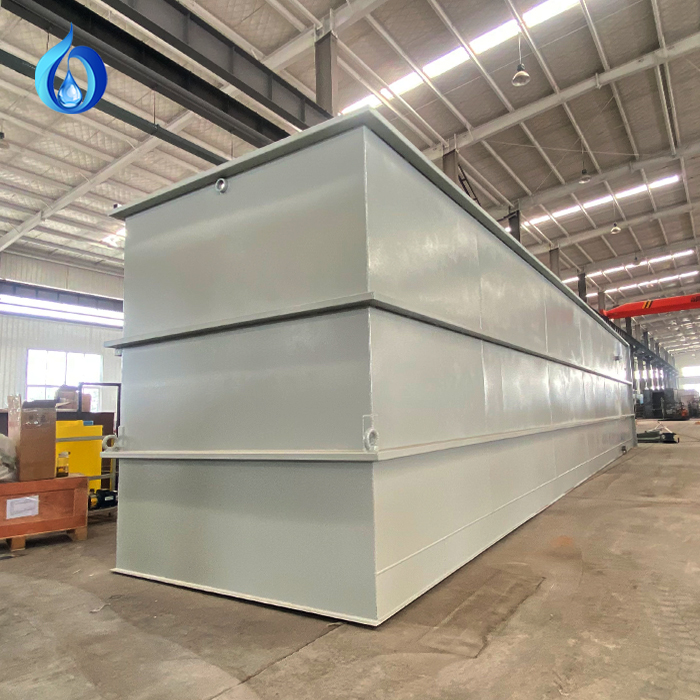
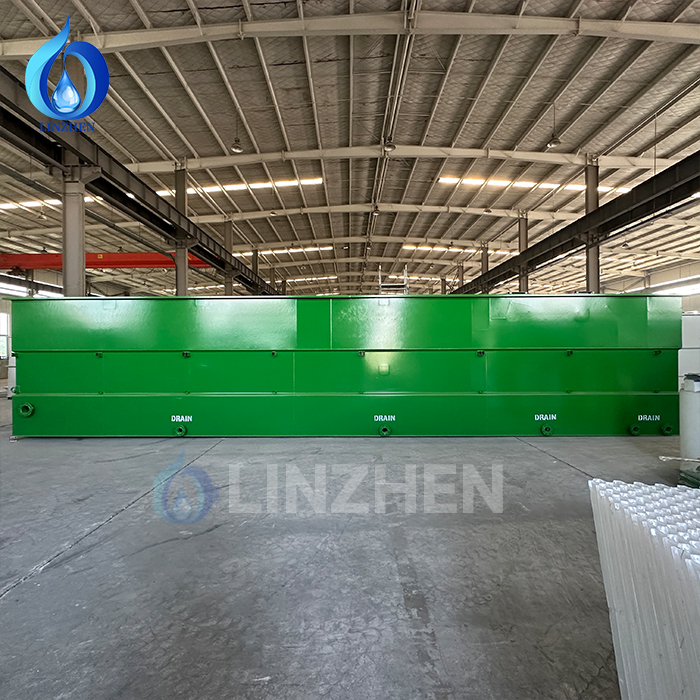
When planning an industrial wastewater management project, understanding lead times for bespoke wastewater treatment equipment is critical to project success. Standard off-the-shelf solutions may not address your facility's unique discharge requirements, chemical composition, or regulatory compliance needs. Customized wastewater treatment equipment offers tailored performance, but it requires longer manufacturing and installation timelines compared to stock systems. This extended timeframe demands careful planning, realistic expectations, and early coordination with equipment suppliers to avoid costly project delays or operational disruptions.
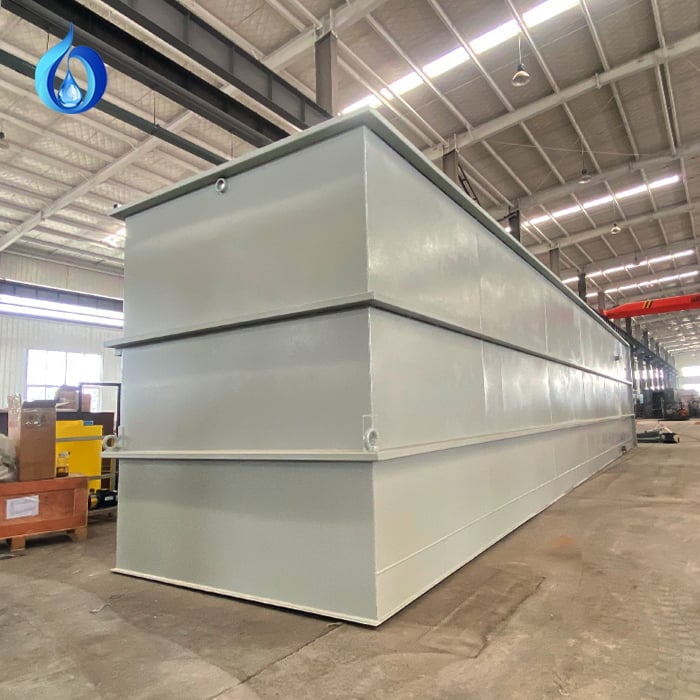
The lead time for bespoke wastewater treatment equipment typically ranges from 8 to 16 weeks from order placement to delivery, though complex installations may extend beyond this window. This duration encompasses engineering design, component sourcing, manufacturing, quality testing, documentation, and logistics coordination. Understanding what drives these timelines helps facility managers set realistic expectations, secure budget approval, and align procurement schedules with construction or upgrade projects. The actual delivery window depends on system complexity, customization depth, component availability, and regulatory approval requirements specific to your industry and location.
Factors Influencing Lead Times for Custom Wastewater Treatment Equipment
System Complexity and Design Specifications
The engineering requirements of your bespoke wastewater treatment equipment directly impact production schedules. Simple treatment systems with standard configurations may require only 6 to 8 weeks, while advanced multi-stage systems with specialized biological reactors, membrane filtration, or nutrient recovery modules demand 12 to 16 weeks. Each additional treatment stage requires separate design verification, component testing, and integration validation. Highly customized wastewater treatment equipment that incorporates flow equalization tanks, chemical dosing systems, UV disinfection, or advanced controls extends the engineering phase significantly. Facilities with unusual influent characteristics, such as high organic loads or toxic industrial compounds, require additional design iterations to ensure treatment efficacy.
Component Sourcing and Supply Chain Dependencies
Lead times for bespoke wastewater treatment equipment are heavily influenced by component availability and supplier networks. Specialized materials such as corrosion-resistant stainless steel, fiberglass reinforced plastic vessels, or membrane cartridges may require 4 to 6 weeks from specialized manufacturers. Global supply chain disruptions, semiconductor shortages affecting automated controls, and geopolitical factors can extend procurement windows unpredictably. When your customized wastewater treatment equipment requires imported components or long-lead items, the overall timeline can stretch beyond standard estimates. Early communication with equipment manufacturers about critical path items and alternative component sourcing options helps mitigate supply chain risks and prevents project delays.
Typical Lead Time Breakdown for Wastewater Treatment Equipment
Engineering and Design Phase
The initial engineering phase for custom wastewater treatment equipment typically requires 2 to 3 weeks. During this period, equipment designers assess your facility's wastewater characteristics, flow rates, contaminant profiles, and discharge regulations. Preliminary process design, hydraulic calculations, and component sizing occur during this stage. Client reviews and design approvals add an additional 1 to 2 weeks depending on internal decision-making processes. Complex biological systems or advanced treatment trains may require pilot testing or simulation modeling, extending the design phase to 4 weeks or longer. Rushing this stage by failing to provide complete wastewater data or delaying design feedback directly increases overall lead times for your wastewater treatment equipment.
Manufacturing, Assembly, and Testing
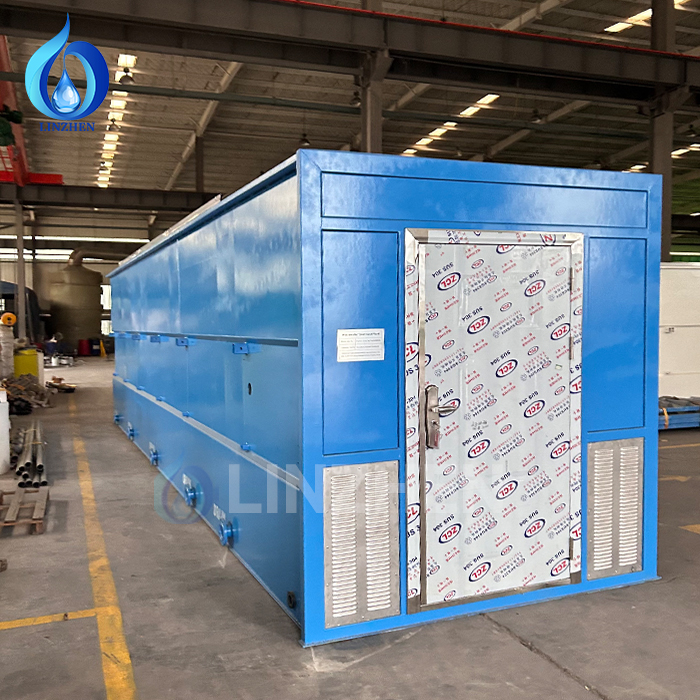
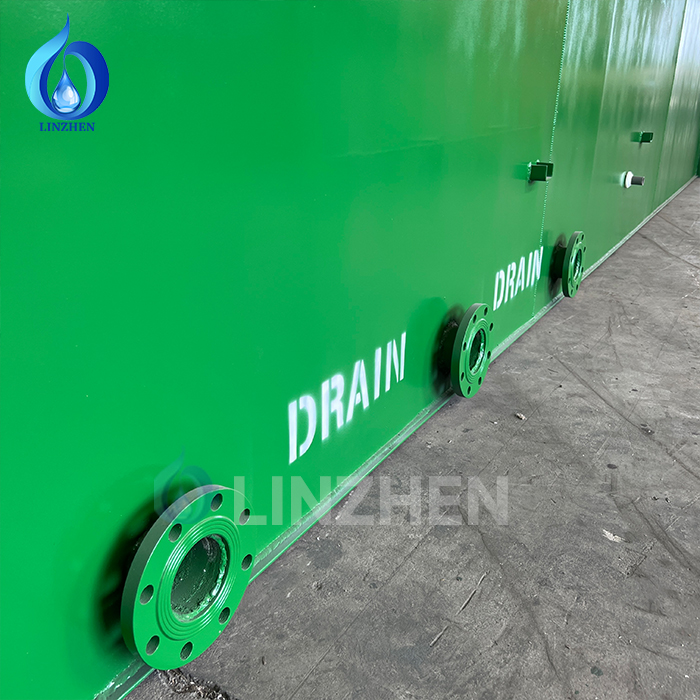
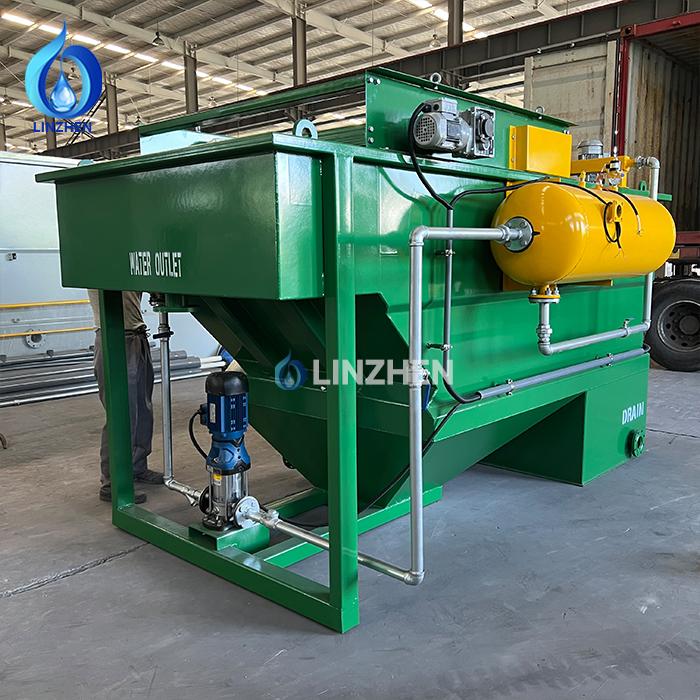
Once designs are finalized and components secured, manufacturing of your custom wastewater treatment equipment begins. Tank fabrication, reactor assembly, control system programming, and mechanical installation typically require 4 to 8 weeks depending on system scale and complexity. Factory performance testing, including hydraulic tests, electrical safety checks, and treatment efficacy validation, consumes 1 to 2 weeks. Quality assurance inspections, pressure tests, and operator training documentation add another week to the schedule. Large-capacity bespoke wastewater treatment equipment installations may require factory acceptance tests where clients visit manufacturing facilities to witness performance verification before shipment. This validation step ensures the equipment meets design specifications and builds confidence in system reliability.
Regulatory Approvals and Installation Scheduling
Environmental Permitting and Compliance Documentation
Regulatory approval timelines significantly affect total lead times for bespoke wastewater treatment equipment projects. Environmental agencies require detailed operation and maintenance manuals, performance documentation, and design compliance reports for your customized wastewater treatment equipment. Obtaining discharge permits, underground injection control approvals, or stormwater management certifications may add 2 to 4 weeks to the overall schedule. Different jurisdictions and industries have varying approval requirements; pharmaceutical facilities face stricter scrutiny than general manufacturing operations. Agencies occasionally request design modifications or additional testing data, further extending the regulatory review process. Beginning permit applications early and maintaining regular communication with environmental reviewers prevents these approval stages from becoming project bottlenecks for your wastewater treatment equipment installation.
Logistics, Installation, and Commissioning
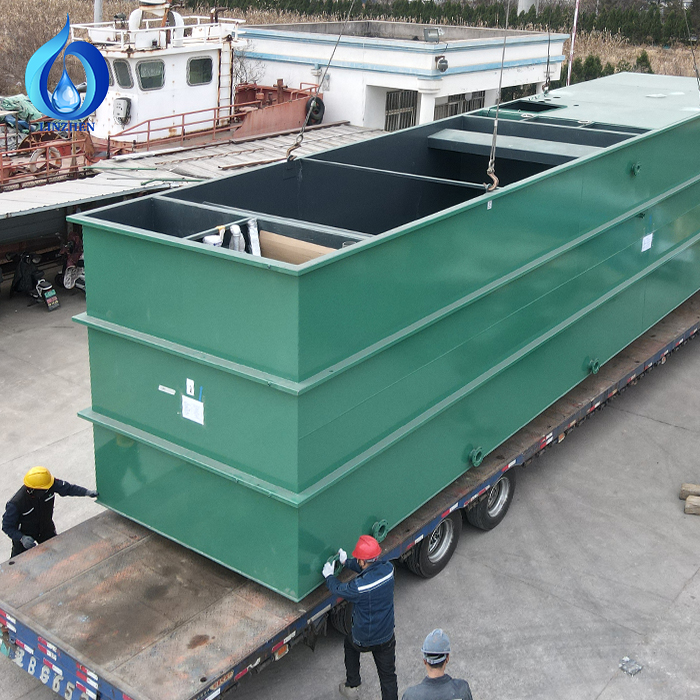
Transportation of large bespoke wastewater treatment equipment requires careful logistics planning. Specialized shipping for oversized tanks, reinforced containers, or modular systems typically requires 1 to 3 weeks depending on distance and transport complexity. Site preparation, including foundation work, utility connections, and safety infrastructure, often occurs in parallel with equipment manufacturing. Installation of your customized wastewater treatment equipment at the facility typically requires 2 to 4 weeks. Commissioning, operator training, and performance validation under real operating conditions add another 1 to 2 weeks. Seasonal constraints, weather conditions, and site access limitations may extend installation windows. Coordinating with site contractors and scheduling equipment delivery to align with construction progress prevents costly equipment storage and accelerates the path to operational status for your wastewater treatment equipment.
Strategies to Optimize Lead Times for Custom Equipment
Early Planning and Specification Clarity
The most effective strategy for managing lead times on bespoke wastewater treatment equipment is starting procurement early and providing complete wastewater characterization data. Months before finalizing designs, engage equipment manufacturers to discuss your facility's treatment requirements and expected timelines. Clear specifications, complete chemical analyses, and realistic flow projections reduce design iterations and accelerate the engineering phase for your wastewater treatment equipment. Establishing preliminary budgets and timelines with suppliers creates accountability and prevents misaligned expectations. Facilities that allocate 12 to 18 months for planning, procurement, and installation of custom wastewater treatment equipment experience fewer delays and achieve better project outcomes than those rushing decisions under compressed timelines.
Standardized Components and Modular Approaches
Selecting modular configurations of bespoke wastewater treatment equipment can reduce lead times compared to fully custom designs. Standardized treatment modules combined with custom integration and controls may reduce manufacturing periods by 2 to 3 weeks. Manufacturers often maintain inventory of common reactor types, clarifier vessels, and filtration units, allowing faster assembly of your customized wastewater treatment equipment. Discussing standardization options with suppliers during initial consultations helps identify opportunities to accelerate timelines without compromising treatment performance. Flexibility in component selection and willingness to adopt proven modular solutions can meaningfully shorten lead times for your wastewater treatment equipment project.
FAQ
What is the shortest possible lead time for bespoke wastewater treatment equipment?
The shortest realistic lead time for bespoke wastewater treatment equipment is 6 to 8 weeks for simple, standardized systems with readily available components and minimal regulatory approval requirements. However, most industrial-scale custom installations require 10 to 12 weeks minimum. This accelerated timeline is only achievable when clients provide complete wastewater data upfront, approve designs quickly, secure permits in parallel with manufacturing, and have straightforward site conditions. Rushing lead times by cutting design verification or testing phases creates significant risks of performance failures and regulatory non-compliance after installation.
How can I reduce lead times for wastewater treatment equipment without compromising quality?
Reducing lead times for your bespoke wastewater treatment equipment without sacrificing quality requires early engagement with manufacturers, providing comprehensive wastewater characterization, and beginning permit applications immediately. Selecting proven modular designs rather than fully custom configurations can save 2 to 3 weeks. Authorizing design variations that accommodate readily available components or standard configurations shortens sourcing periods. Coordinating site preparation and utility installations in parallel with equipment manufacturing accelerates installation. Participating in factory acceptance testing and operator training during the manufacturing phase rather than after delivery compresses the commissioning period for your wastewater treatment equipment.
Are lead times for wastewater treatment equipment affected by seasonal factors?
Yes, lead times for bespoke wastewater treatment equipment can be influenced by seasonal demand, weather conditions, and holidays. Manufacturing backlogs increase during peak industrial seasons, potentially extending lead times by 1 to 2 weeks. Winter weather and frozen ground conditions may delay site installation even if equipment is ready for deployment. Global manufacturing shutdowns during holidays can interrupt production schedules for your custom wastewater treatment equipment. Seasonal considerations are important when planning project schedules; starting procurement during lower-demand periods or accounting for seasonal factors in project timelines prevents unexpected delays in receiving and installing your equipment.
 EN
EN