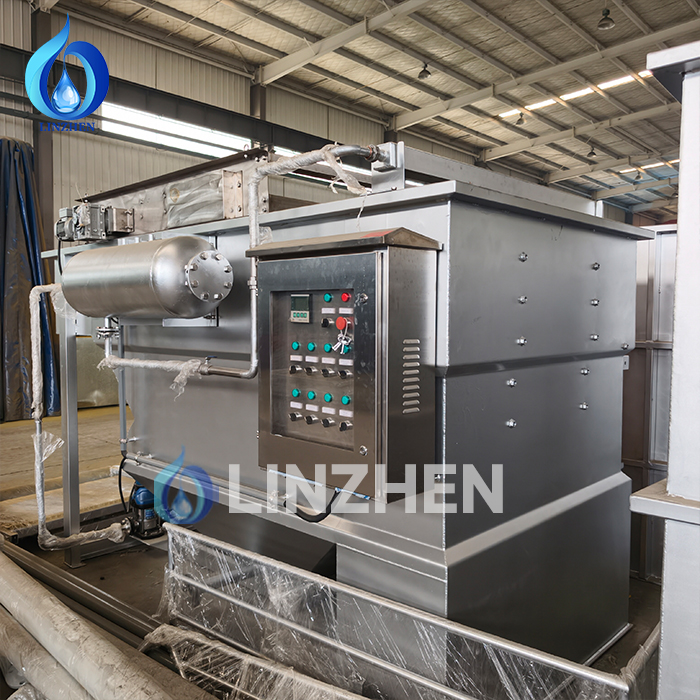
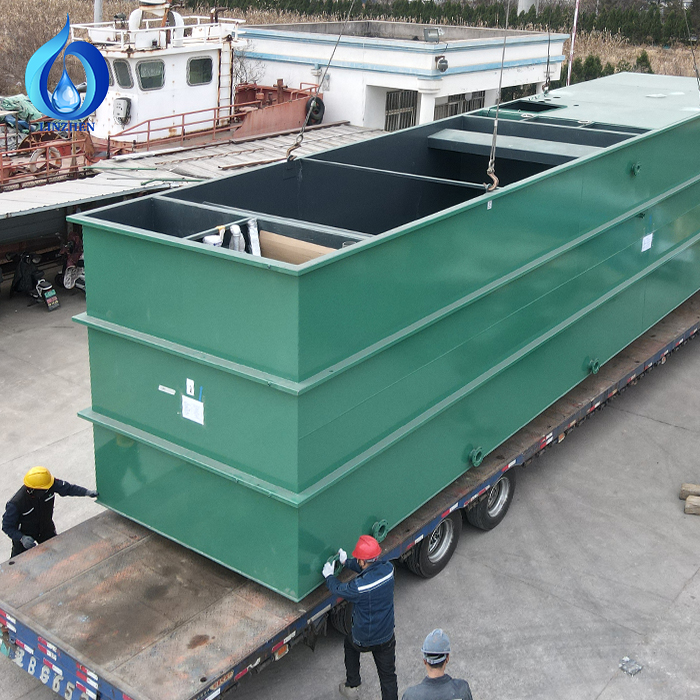
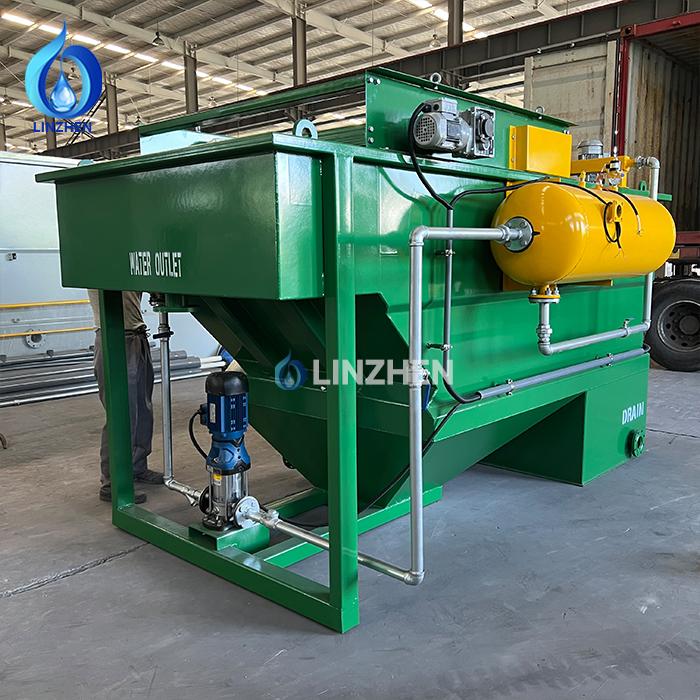
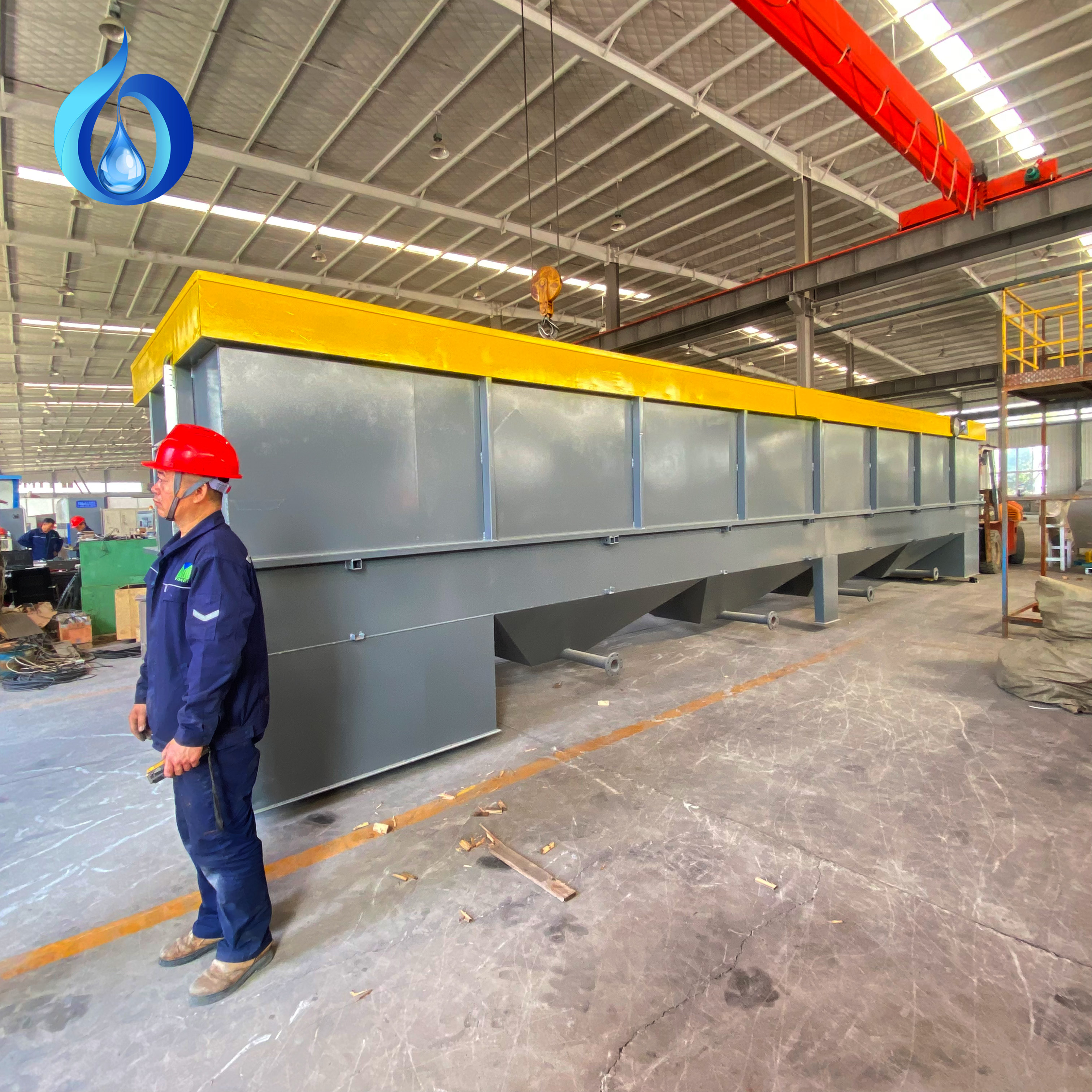
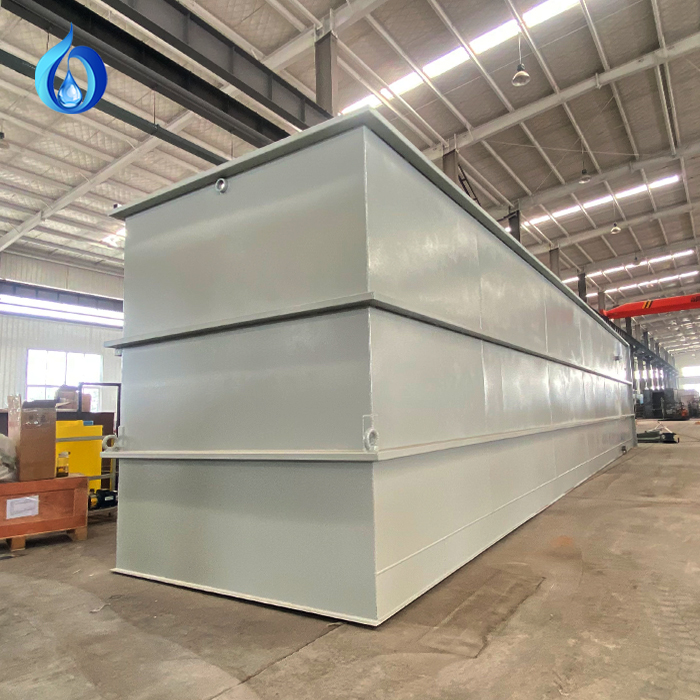
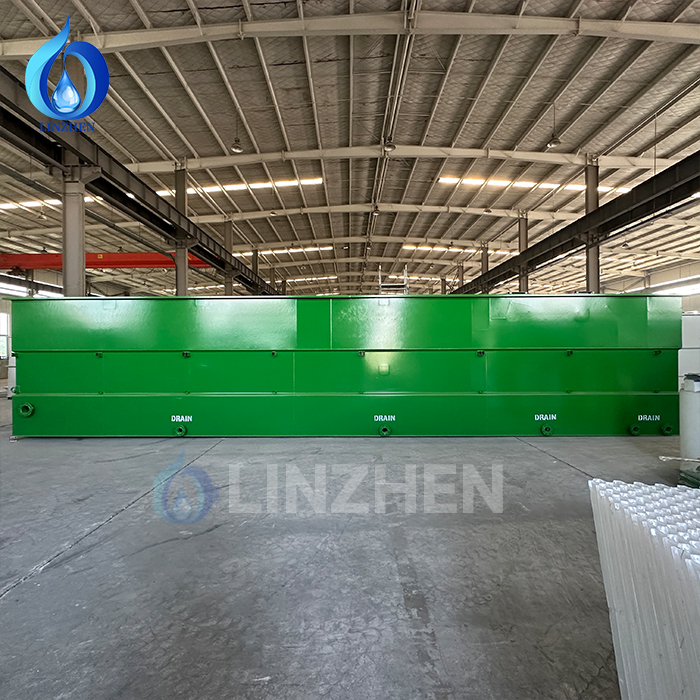
A dissolved air flotation system has become essential infrastructure across numerous industrial sectors that generate high volumes of suspended solids and oil-based contaminants in their wastewater. This technology uses pressurized air dissolution followed by rapid depressurization to create microscopic bubbles that attach to suspended particles, causing them to float to the surface for easy removal. Understanding which industries rely on a dissolved air flotation system for effective DAF pre-treatment is crucial for facility managers and environmental compliance teams seeking reliable industrial wastewater treatment solutions.
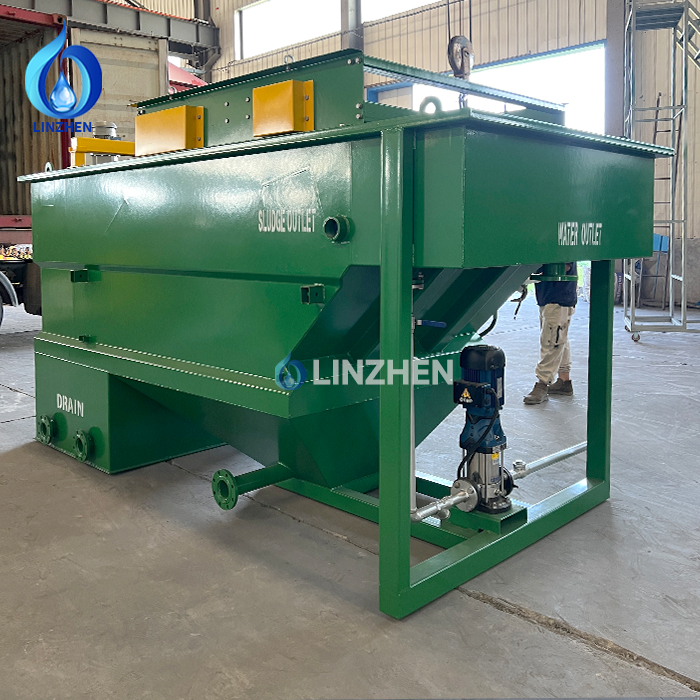
The versatility of a dissolved air flotation system stems from its ability to handle diverse contaminant types and flow rates while maintaining consistent separation efficiency. Industries facing regulatory pressure, operational challenges, or rising disposal costs increasingly turn to this proven flotation technology. This article explores the major industrial sectors that depend on a dissolved air flotation system for their pre-treatment needs, emphasizing how a dissolved air flotation system achieves high-rate oil and grease removal and suspended solids removal across challenging processing environments.
Food and Beverage Processing Industry
Grease and Suspended Solids Removal
The food and beverage processing sector generates substantial quantities of grease, oils, and organic suspended solids that traditional settling cannot adequately remove. A dissolved air flotation system excels in this environment by targeting fats, proteins, and emulsified oils that would otherwise clog downstream treatment equipment or violate discharge standards. Dairy facilities, meat processing plants, and cooking oil manufacturers have adopted a dissolved air flotation system as their primary DAF pre-treatment stage because flotation lifts lighter-than-water particles that settling tanks cannot capture effectively, ensuring rapid oil and grease removal.
Compliance and Operational Cost Reduction
Food processors operating under strict municipal and federal discharge limits require rapid, reliable pre-treatment to avoid fines and production shutdowns. A dissolved air flotation system achieves 70 to 90 percent removal of biochemical oxygen demand and chemical oxygen demand precursors in the flotation step alone, reducing the burden on secondary biological treatment. The recovered sludge from a dissolved air flotation system also has lower water content than settled sludge, reducing overall disposal volume and associated tipping fees significantly during daily industrial wastewater treatment operations.
Oil and Gas Refining Operations
Separation of Oil and Hydrocarbon Compounds
Petroleum refineries and oilfield service companies produce enormous volumes of process water laden with free and emulsified oil, which a dissolved air flotation system removes at rates exceeding conventional oil-water separators. The pressurized air bubbles in a dissolved air flotation system preferentially attach to oil droplets rather than water, creating a concentrated oil layer at the tank surface that can be skimmed and recovered for reuse or proper disposal. Refineries favor a dissolved air flotation system because it handles both crude oil and refined product residues across multiple process streams simultaneously, delivering complete oil and grease removal.
Environmental Compliance in Harsh Conditions
Oilfield wastewater treatment presents extreme challenges due to high salinity, temperature variations, and complex chemical additives that interfere with biological processes. A dissolved air flotation system operates reliably under these harsh conditions and does not depend on biological activity, making it ideal for DAF pre-treatment before deeper treatment stages. The system's ability to handle variable oil concentrations while maintaining consistent discharge quality has made a dissolved air flotation system standard equipment in offshore platforms and desert refining operations.
Mining and Mineral Processing
Tailings and Metal-Bearing Solids Treatment
Mining operations generate tailings containing fine mineral particles, metal ions, and process chemicals that settle very slowly or form colloidal suspensions resistant to gravity separation. A dissolved air flotation system combined with chemical coagulation achieves rapid suspended solids removal for these ultra-fine particles, preventing environmental contamination of groundwater and surface streams. Copper, gold, and iron ore processors rely on a dissolved air flotation system to recover valuable minerals from process water while meeting stringent water discharge regulations imposed by environmental agencies.
Water Recycling and Operational Efficiency
Mining operations in water-scarce regions depend heavily on recycling treated process water back into mineral extraction cycles to reduce freshwater consumption and associated extraction costs. A dissolved air flotation system enables this circular approach by producing clarified effluent suitable for recirculation after polishing. The compact footprint of a dissolved air flotation system relative to its treatment capacity makes it particularly attractive for mining sites where land availability is limited and operational reliability is non-negotiable for industrial wastewater treatment.
Chemical Manufacturing and Industrial Processing
Pharmaceutical and Fine Chemical Waste Treatment
Pharmaceutical manufacturers and specialty chemical producers generate wastewater containing suspended solids, unreacted compounds, and process residues that require rigorous pre-treatment before biological or advanced oxidation processes. A dissolved air flotation system removes colloidal and emulsified impurities that would otherwise foul membrane systems or reduce the effectiveness of enzymatic biological treatment stages. The reproducibility and control offered by a dissolved air flotation system make it ideal for regulated industries where efficient suspended solids removal and consistent effluent quality documentation are mandatory for compliance audits.
Regulatory Documentation and Performance Monitoring
Chemical plants operating under permits that specify removal efficiency percentages for defined contaminant classes appreciate the transparent, measurable performance of a dissolved air flotation system. Operators can easily adjust coagulant dosing, air injection pressure, and retention time within a dissolved air flotation system to optimize removal rates for specific waste streams, and the changes are immediately reflected in sludge production and effluent clarity metrics. This controllability ensures that a dissolved air flotation system maintains compliance with discharge permits even when upstream process changes alter wastewater composition.
FAQ
Which specific contaminant types does a dissolved air flotation system remove most effectively?
A dissolved air flotation system excels at oil and grease removal as well as suspended solids removal for fine particulates, colloidal matter, and emulsified compounds conditioned with chemical coagulants. These contaminants are typically lighter than water or have been rendered hydrophobic by pre-treatment chemistry, causing them to attach readily to microscopic air bubbles generated within a dissolved air flotation system.
What is the typical removal efficiency range for a dissolved air flotation system in industrial applications?
Industrial installations of a dissolved air flotation system typically achieve 70 to 95 percent efficiency for suspended solids removal, depending on coagulation effectiveness and hydraulic loading rate. Furthermore, oil and grease removal efficiency from a dissolved air flotation system commonly reaches 80 to 98 percent when combined with appropriate chemical pre-treatment during industrial wastewater treatment.
Are there industries where a dissolved air flotation system is not suitable for DAF pre-treatment?
A dissolved air flotation system has limitations in treating wastewater streams that contain very fine colloidal particles without effective coagulation chemistry, or streams with extremely high total dissolved solids. Industries producing predominantly soluble organic waste streams with minimal suspended solids may find a dissolved air flotation system unnecessary for DAF pre-treatment, as the primary contaminants require biological or oxidation-based treatment instead.
 EN
EN