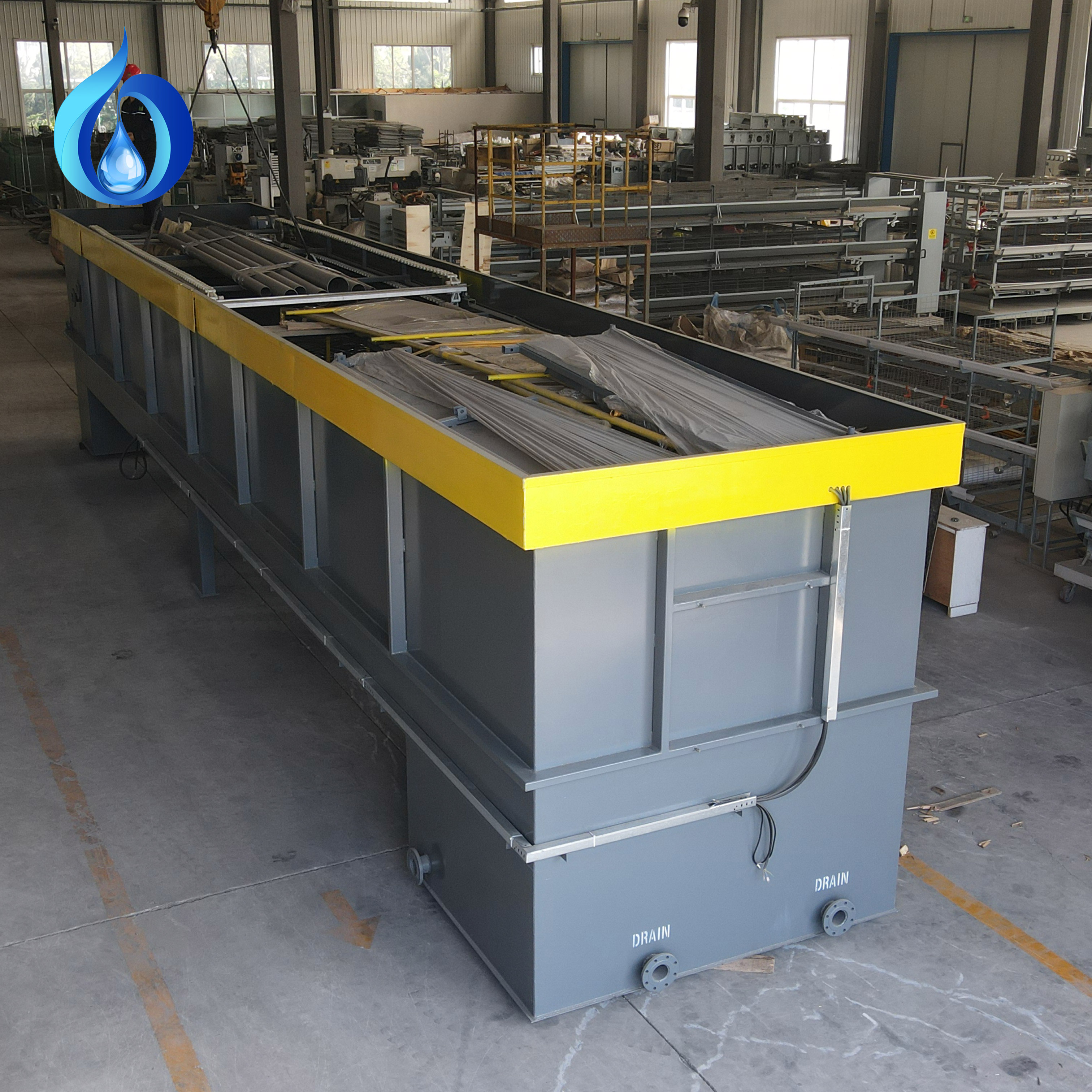
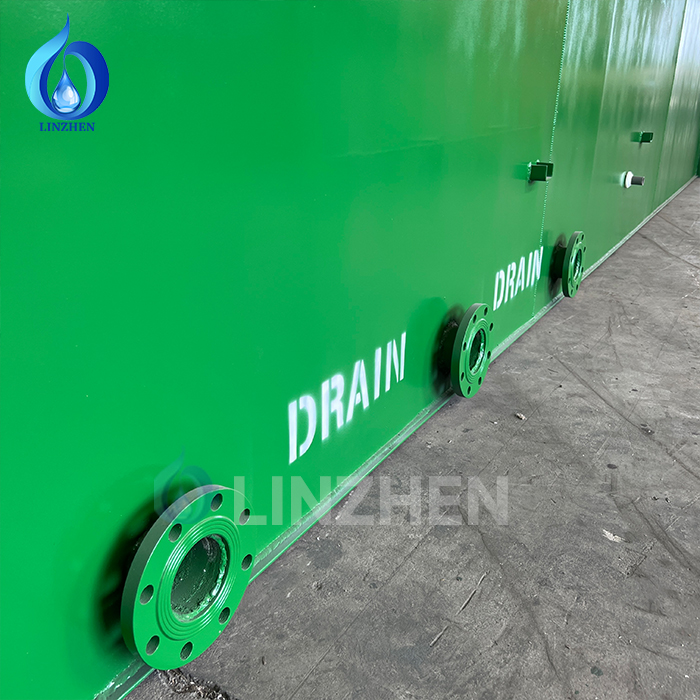
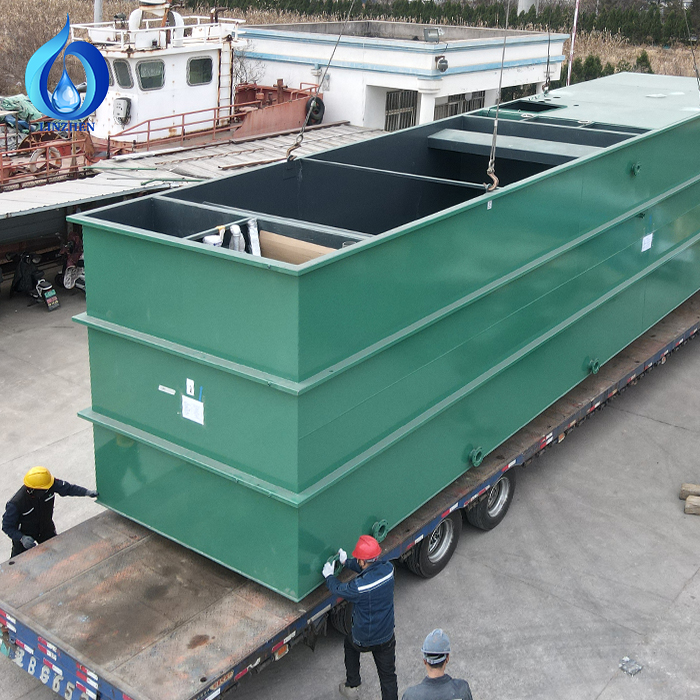
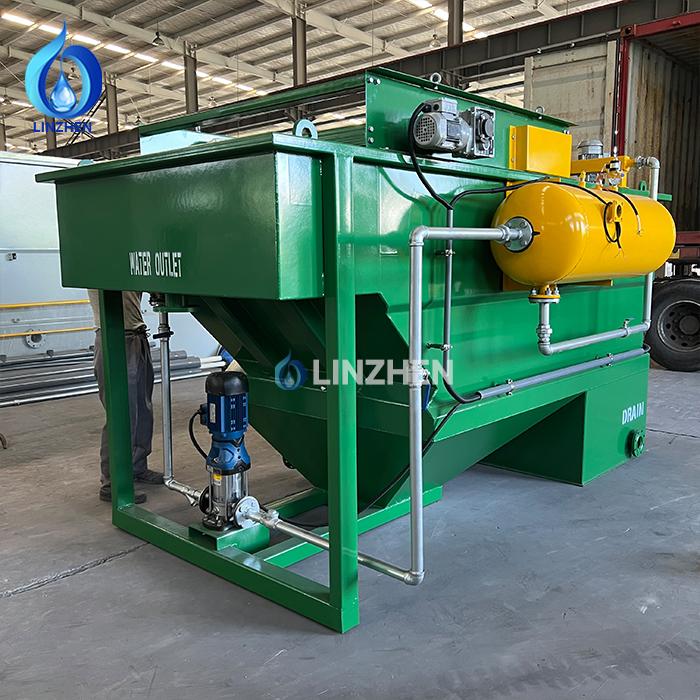
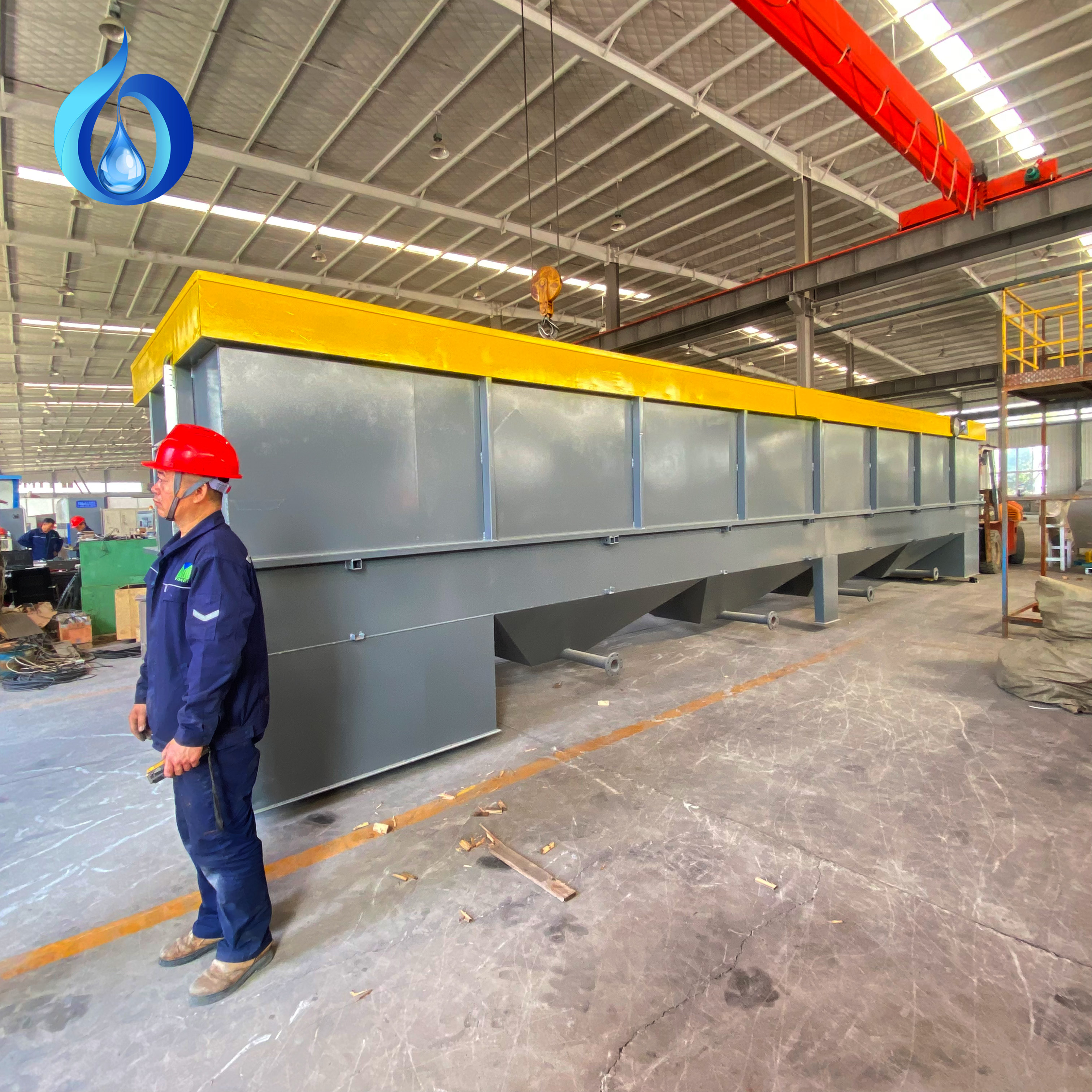
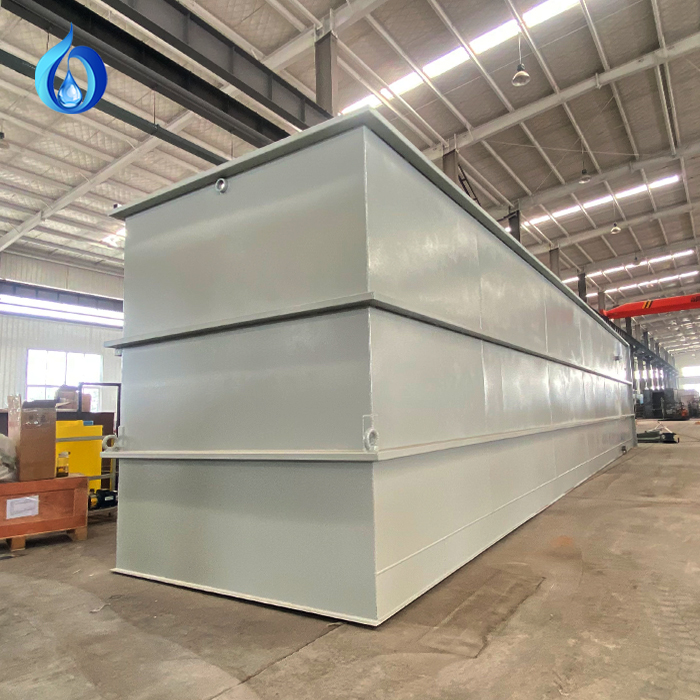
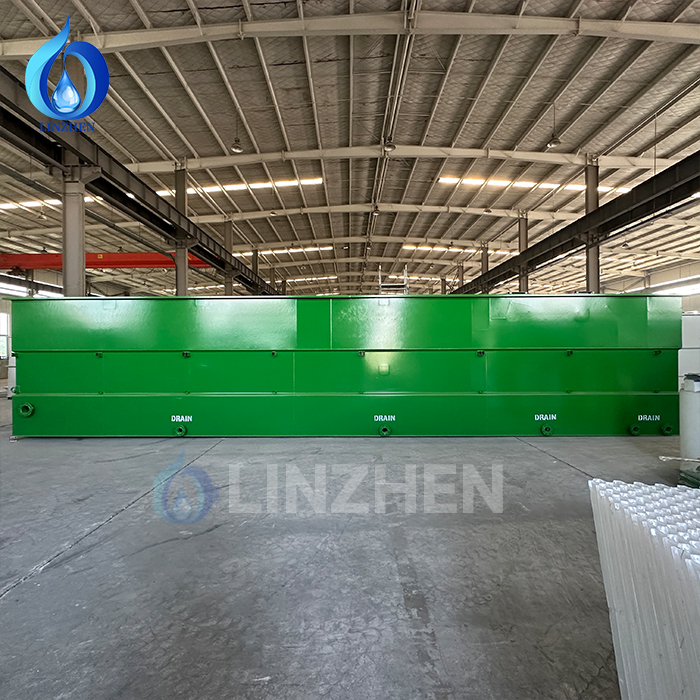
Dissolved air flotation has become an essential wastewater treatment technology across numerous industrial sectors. This advanced separation process uses micro air bubbles to remove suspended solids, oils, and other contaminants from wastewater, making it particularly valuable for industries facing strict environmental regulations and operational efficiency demands. Understanding which industries benefit most from dissolved air flotation systems helps facility managers make informed decisions about their treatment infrastructure investments.
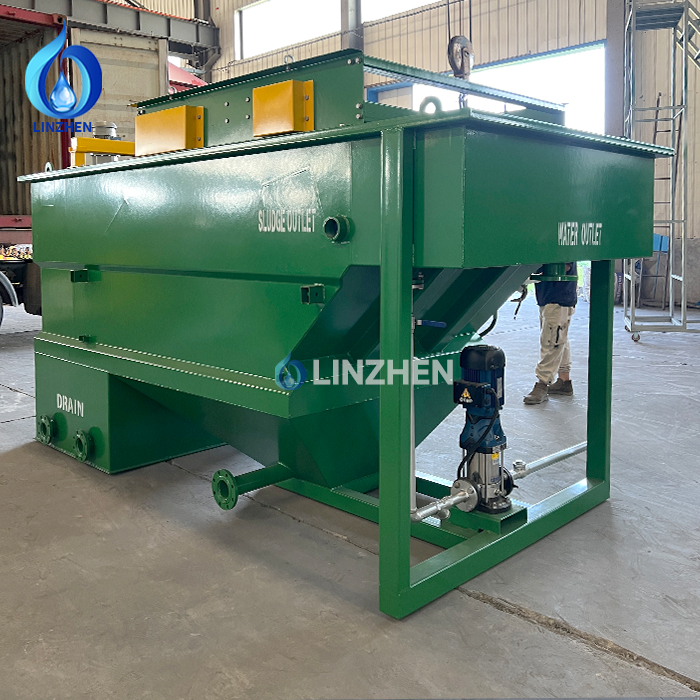
The effectiveness of dissolved air flotation technology lies in its ability to achieve rapid treatment rates while maintaining high removal efficiency for diverse contaminant types. When properly configured, a dissolved air flotation system can remove up to 95 percent of suspended solids and significantly reduce oil and grease content, making it compatible with virtually any industry that generates high-volume wastewater streams.
Food and Beverage Processing Industries
Meat and Poultry Processing Facilities
Meat and poultry processing plants generate wastewater with exceptionally high concentrations of suspended solids, proteins, and fats that traditional settling methods struggle to remove efficiently. Dissolved air flotation excels in these environments because the micro air bubbles attach to fat globules and suspended particles, allowing them to rise rapidly to the surface for removal. This capability makes dissolved air flotation particularly valuable for facilities processing hundreds of thousands of pounds of meat daily, where wastewater treatment directly impacts operational costs and regulatory compliance.
Dairy and Cheese Manufacturing
Dairy operations produce wastewater rich in lactose, proteins, and emulsified fats that resist conventional treatment approaches. Dissolved air flotation systems handle this challenging waste stream effectively by breaking emulsions and separating fatty compounds before they can reach treatment lagoons or municipal systems. For cheese manufacturers especially, dissolved air flotation provides the treatment performance needed to meet increasingly stringent discharge limits while recovering valuable byproducts from their wastewater streams.
Oil, Gas, and Petrochemical Sectors
Upstream Oil and Gas Operations
Oil and gas exploration and production facilities confront wastewater containing crude oil, produced water, and dissolved hydrocarbons that demand specialized treatment solutions. Dissolved air flotation technology efficiently separates free and dispersed oil from water, achieving separation rates that directly support downstream processing and environmental discharge compliance. The rapid flotation action of dissolved air flotation systems enables these facilities to treat large wastewater volumes on site, reducing transportation costs and environmental risk while improving recovery rates for valuable hydrocarbon products.
Refinery and Petrochemical Plants
Refinery operations generate wastewater with complex mixtures of oils, suspended solids, and chemical residues requiring multi-stage treatment protocols. A dissolved air flotation system functions as a critical intermediate treatment stage, removing bulk oil and suspended matter before water proceeds to biological treatment or polishing stages. The dissolved air flotation process's ability to handle fluctuating influent conditions and variable contaminant compositions makes it essential for refinery facilities operating across multiple feedstock scenarios and seasonal demand variations.
Manufacturing and Industrial Processing
Metal Fabrication and Finishing Operations
Metal fabrication shops and finishing facilities generate wastewater containing suspended metallic particles, cutting fluids, and chemical residues from various manufacturing processes. Dissolved air flotation systems remove these contaminants efficiently, achieving the clarity required for water reuse or safe discharge to treatment systems. By implementing dissolved air flotation, metal fabricators reduce their fresh water consumption while meeting discharge limits for suspended solids and oil content, directly improving their environmental profile and operational economics.
Textile and Dyeing Mills
Textile dyeing and finishing operations discharge wastewater containing suspended dyes, pigments, fibers, and chemical auxiliaries that create treatment challenges for conventional systems. Dissolved air flotation excels in this application because the flotation bubbles effectively separate fibrous solids and colloidal particles from water, achieving color reduction and suspended solid removal in a single treatment step. For textile mills processing thousands of liters daily, dissolved air flotation provides the treatment capacity and efficiency needed to meet environmental standards while supporting water reuse initiatives.
Environmental and Municipal Applications
Stormwater Treatment Facilities
Urban stormwater runoff carries suspended solids, oils, and sediments that contaminate receiving waters and impact public health. Dissolved air flotation technology treats stormwater efficiently by removing these suspended contaminants before discharge, protecting downstream water resources and supporting environmental compliance objectives. Municipal authorities increasingly recognize that dissolved air flotation systems provide cost-effective stormwater treatment capacity without consuming valuable land area, making them particularly suitable for densely developed urban environments where treatment space is limited.
Wastewater Treatment Plant Enhancements
Existing municipal and industrial wastewater treatment plants often add dissolved air flotation as an upgrade to existing primary or secondary treatment stages. When existing capacity becomes insufficient or treatment performance must improve to meet new regulations, dissolved air flotation retrofits enhance overall system efficiency without requiring extensive facility reconstruction. The dissolved air flotation process's rapid treatment rates enable facilities to expand effective treatment capacity by 20 to 40 percent, making technology retrofit more economical than building entirely new treatment infrastructure.
Specialized Industrial Sectors
Beverage and Bottling Plants
Soft drink production, beer brewing, and bottling operations generate wastewater with sugars, proteins, and suspended solids requiring efficient treatment before discharge or reuse. Dissolved air flotation removes these organic compounds and suspended matter, enabling facilities to meet discharge limits while supporting water recycling programs that reduce operational costs. The dissolved air flotation system's ability to handle variable flow rates during production scheduling changes makes it particularly valuable for beverage producers managing seasonal demand fluctuations.
Pharmaceutical and Chemical Manufacturing
Pharmaceutical manufacturers and specialty chemical producers generate highly regulated wastewater containing active ingredients, excipients, and suspended solids requiring rigorous treatment compliance. Dissolved air flotation provides initial treatment that removes bulk suspended matter and oils, preparing wastewater for subsequent biological or chemical polishing stages. The regulatory requirements for pharmaceutical wastewater make dissolved air flotation a critical component of comprehensive treatment systems that achieve required removal efficiencies while maintaining operational safety and cost-effectiveness.
FAQ
What makes dissolved air flotation suitable for so many different industries?
Dissolved air flotation technology works across diverse industries because the fundamental mechanism of micro air bubble separation applies to most suspended solids and oily contaminants regardless of their specific origin. The dissolved air flotation process achieves high removal efficiency for fats, oils, proteins, and particles, making it compatible with wastewater from food processing, petroleum operations, manufacturing facilities, and municipal sources. This versatility, combined with rapid treatment rates and adjustable operating parameters, allows dissolved air flotation systems to address contamination challenges across virtually any industrial sector generating significant wastewater volumes.
How does dissolved air flotation compare to traditional settling or lagoon treatment approaches?
Traditional settling relies on gravity to separate particles over extended time periods, often requiring large lagoon footprints and delivering slower treatment rates than dissolved air flotation systems can achieve. Dissolved air flotation accelerates separation through active bubble flotation, removing suspended solids and oils within minutes rather than hours, enabling industries to treat wastewater on-site within compact equipment footprints. For industries like meat processing or oil refining where large wastewater volumes contain difficult-to-separate contaminants, dissolved air flotation delivers superior performance compared to passive settling approaches, justifying the additional equipment investment.
Can dissolved air flotation be retrofitted into existing wastewater treatment systems?
Yes, dissolved air flotation systems integrate readily into existing treatment infrastructure as a primary, intermediate, or polishing stage, depending on facility requirements and current treatment performance. Municipalities and industries frequently retrofit dissolved air flotation equipment to upgrade aging treatment plants or increase processing capacity without major facility reconstruction. The modular design of dissolved air flotation technology enables flexible integration that accommodates existing piping, pumping systems, and downstream treatment stages, making retrofit projects more economical than building entirely new treatment facilities.
 EN
EN