Managing industrial discharge budget allocations represents a massive financial priority for heavy production facilities, where controlling overall wastewater treatment costs can dictate long-term site profitability. Comparing petrochemical refineries against commercial food manufacturing reveals massive variances in operational economics. Because these sectors deal with fundamentally distinct contaminant streams and regulatory frameworks, their required capital investment and daily operating expenses fluctuate dramatically. Examining these unique cost structures helps site directors and environmental managers optimize capital deployment and lower ongoing wastewater treatment costs.
Both refining facilities and food manufacturing plants invest heavily in utility infrastructure, yet their financial expenditure profiles stem from different operational pressures. Oil refineries manage toxic hydrocarbons, heavy metals, and persistent sulfur compounds, whereas food processing facilities primarily target high chemical oxygen demand (COD), suspended solids, and nutrient loading. These divergent contamination profiles dictate system selection and ultimate overall wastewater treatment costs for both initial construction and long-term facility maintenance.
Contamination Drivers and Influent Profile Impacts
Refinery Effluent Characteristics and Financial Impacts
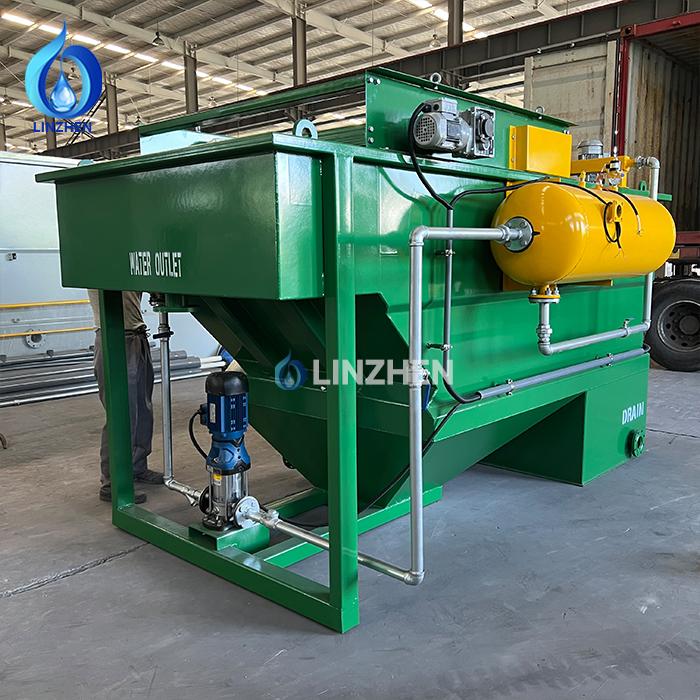
Refineries discharge highly recalcitrant hydrocarbon fractions that require complex multi-stage purification trains, directly elevating ongoing wastewater treatment costs. Raw effluent containing crude oils, dissolved benzene, phenol compounds, and heavy metal ions cannot be processed using standard single-stage biological units. Consequently, refineries must install advanced coalescing separators, dissolved gas flotation units, and tertiary activated carbon polishing loops. Incorporating these specialized processing technologies inflates both upfront equipment procurement expense and routine maintenance wastewater treatment costs.
Furthermore, managing toxic hazardous waste streams within refining operations increases overhead significantly. Hazardous sludge handling, frequent membrane element replacements, and specialized chemical oxidation reagents represent substantial recurring baseline wastewater treatment costs. Because hydrocarbon contaminants resist natural biological degradation, refineries must also employ highly trained, certified environmental operators, adding permanent, high-tier payroll obligations to annual operational wastewater treatment costs.
Food Processing Effluent Characteristics and Financial Impacts
In contrast, food processing wastewater contains concentrated biodegradable organic loads comprising fats, proteins, sugars, and cleaning sanitizers. While these waste streams feature high organic strength, they respond rapidly to standard biological oxidation, resulting in lower baseline wastewater treatment costs per cubic meter treated. Food processors prioritize biological reactors, anaerobic digesters, and secondary clarification, which carry lower initial equipment pricing than refinery advanced oxidation systems, thereby reducing initial capital-based wastewater treatment costs.
However, managing biological solids and high nutrient concentrations creates distinct financial demands. Municipalities enforce strict nitrogen and phosphorus discharge limits, requiring food facilities to install biological nutrient removal (BNR) stages that increase electrical aeration usage and increase monthly energy wastewater treatment costs. Additionally, generating large volumes of biological sludge demands continuous mechanical dewatering and off-site disposal, making solids management a primary driver of recurring operational wastewater treatment costs for food plants.
Capital Equipment Investment and Infrastructure Scale
Refinery System Infrastructure and Capital Expenditure
Refining operations require massive capital outlays to establish compliant water purification infrastructure, driving initial facility wastewater treatment costs into tens of millions of dollars. A standard refinery system integrates primary API oil separators, secondary dissolved air flotation, activated sludge basins, and tertiary polishing filtration. Building in mechanical redundancy and explosion-proof electrical systems ensures continuous operation but substantially increases upfront project engineering wastewater treatment costs.
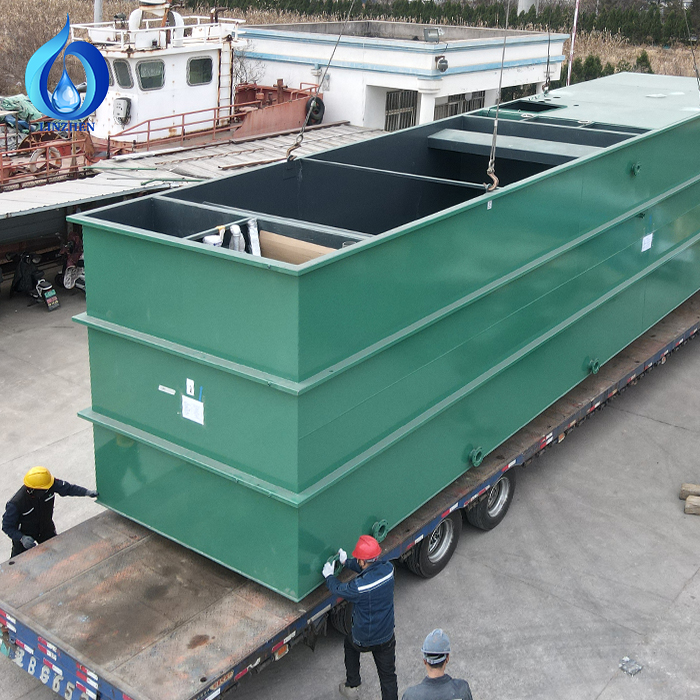
The sheer volumetric scale of refinery operations further amplifies capital expenditure. Sizing large-scale steel basins, high-pressure pumps, and automated SCADA control networks requires massive initial capital. These substantial initial wastewater treatment costs are amortized over decades, making equipment selection highly sensitive to long-term crude processing forecasts and regional discharge permit evolution.
Food Processing Infrastructure and Capital Expenditure
Food processing facilities generally incur lower initial capital wastewater treatment costs, deploying standardized, modular biological treatment equipment. A mid-sized dairy or protein processing plant typically spends a fraction of what an equivalent refinery spends on civil construction and equipment procurement. Utilizing standardized package plants, modular membrane bioreactors (MBR), and prefabricated equalization tanks allows food processors to manage capital-based wastewater treatment costs effectively.
While initial construction costs are lower, system scalability remains vital for food production plants facing seasonal capacity swings. Facility managers lower lifetime wastewater treatment costs by choosing flexible, expandable biological configurations. Integrating automated chemical feed systems and efficient sludge dewatering presses early in the design stage helps food processors control long-term operational wastewater treatment costs over multi-year production cycles.
FAQ
Why are overall wastewater treatment costs higher for refineries than food processing plants?
Refineries process toxic, non-biodegradable hydrocarbons and heavy metals that demand complex chemical oxidation, multi-stage filtration, and hazardous sludge disposal. These specialized processes dramatically increase both capital investments and ongoing operational wastewater treatment costs compared to the biological methods used in food processing.
What is the primary operational expense driver for food processing wastewater treatment?
Electrical power consumed by biological aeration blowers and third-party sludge haulage fees represent the largest continuous baseline wastewater treatment costs for food manufacturing facilities.
How can industrial facilities effectively reduce long-term wastewater treatment costs?
Facilities reduce long-term wastewater treatment costs by implementing automated chemical dosing controls, upgrading to energy-efficient aeration equipment, segregating high-strength waste streams at the source, and incorporating water recycling loops to lower utility municipal surcharge fees.
 EN
EN