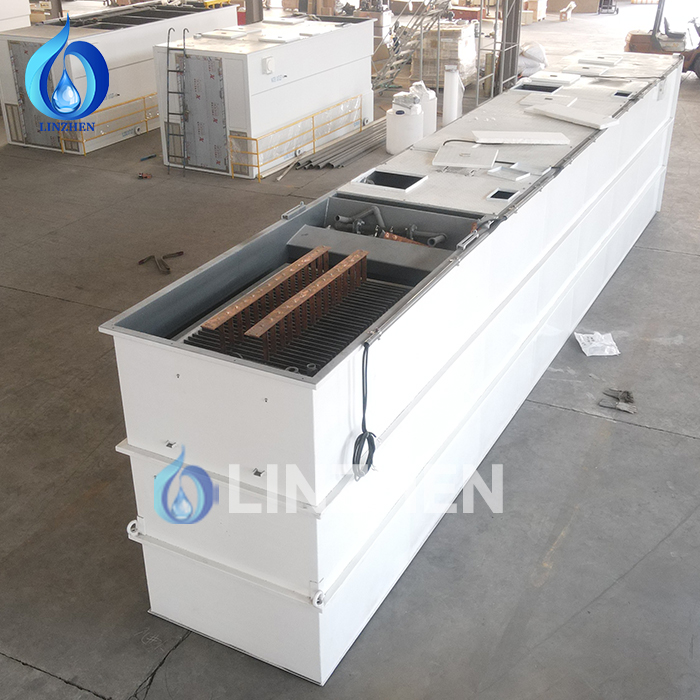
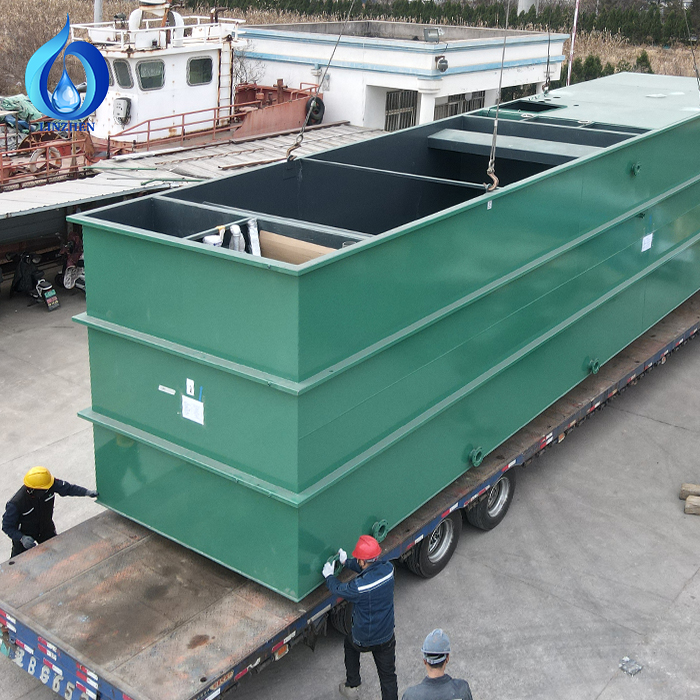
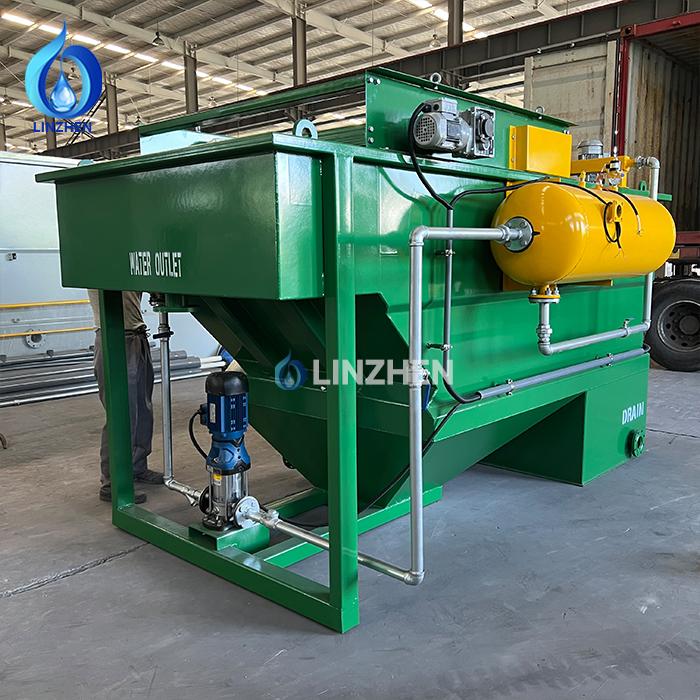
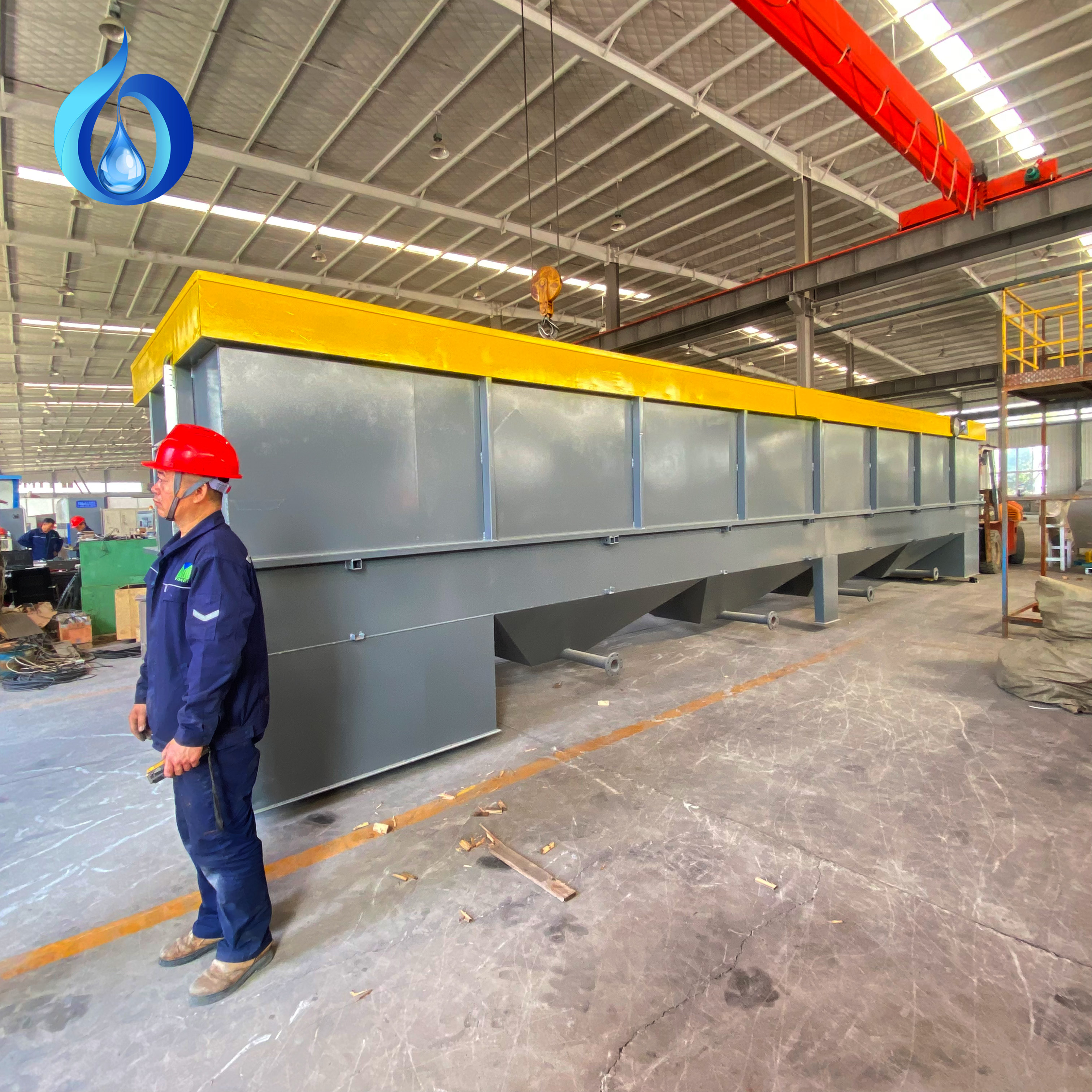
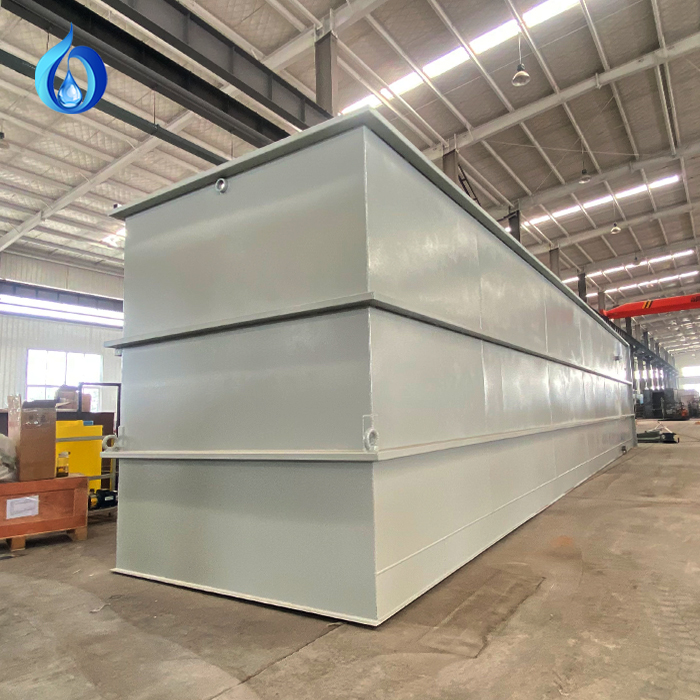
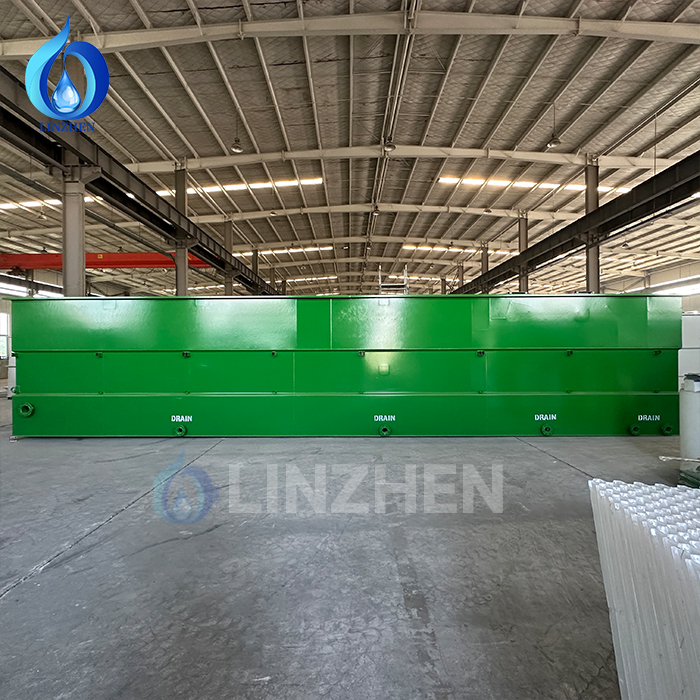
Allocating enterprise capital toward an industrial wastewater treatment system represents a transformative financial decision for modern processing plants. Evaluating the true economic value of an industrial wastewater treatment system requires facility leadership to move beyond basic regulatory obligation and assess long-term operational impact. Rather than viewing liquid waste management purely as an overhead expense, forward-thinking organizations leverage an industrial wastewater treatment system to drive bottom-line margin expansion, mitigate operational risk, and achieve substantial resource efficiency across their entire manufacturing ecosystem.
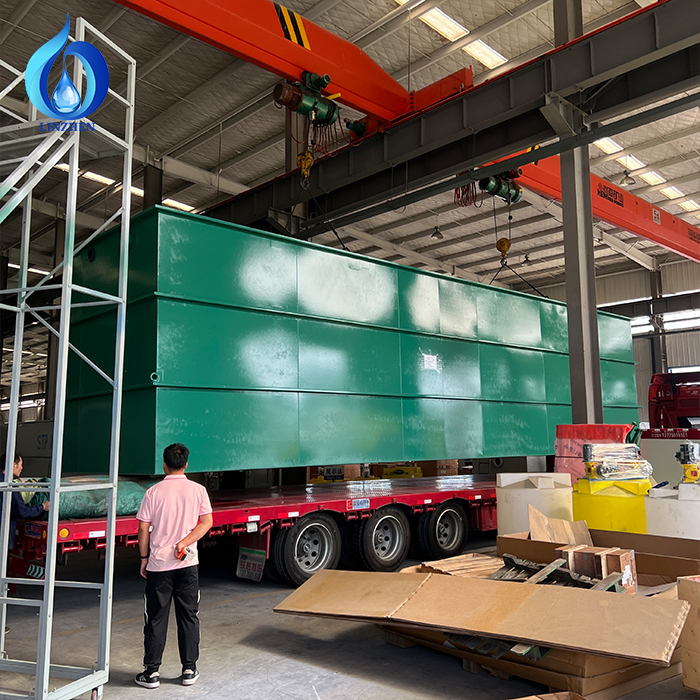
Industrial operations produce complex liquid discharge that, when left unconditioned, creates massive environmental and corporate liabilities. Installing a high-performance industrial wastewater treatment system systematically turns these regulatory burdens into measurable financial returns. Most plants implementing an optimized industrial wastewater treatment system realize full capital cost recovery within three to seven years. This rapid financial payback is driven by eliminated municipal non-compliance fines, optimized internal water recycling, reduced sludge handling fees, and enhanced operational stability.
Mitigating Risk and Ensuring Permit Compliance
Averting Regulatory Fines with an Industrial Wastewater Treatment System
Environmental regulators worldwide continue to tighten discharge limits and escalate non-compliance penalties, making risk mitigation a primary pillar of industrial wastewater treatment ROI. A single accidental spill or permit violation can result in catastrophic financial sanctions, legal liabilities, and forced plant shutdowns. A reliable industrial wastewater treatment system eliminates these severe financial risks by consistently stripping out toxic compounds, heavy metals, and organic pollutants before discharge. Investing in a robust industrial wastewater treatment system effectively secures the facility's legal license to operate while safeguarding corporate brand equity.
Furthermore, modern manufacturing schedules require continuous compliance despite fluctuating production volume and changing chemical oxygen demand (COD) levels. An advanced industrial wastewater treatment system integrates automated monitoring sensors and dynamic chemical dosing controls. This continuous process automation allows the industrial wastewater treatment system to self-adjust during influent spikes, preventing accidental permit breaches. Protecting plant operations against unexpected regulatory audits makes an industrial wastewater treatment system an essential risk-hedge asset for enterprise risk managers.
Resource Recovery and Operational Cost Optimization
Unlocking Water Reuse Economics via an Industrial Wastewater Treatment System
Implementing a closed-loop industrial wastewater treatment system equipped with advanced filtration allows facilities to reclaim 40 to 90 percent of their process effluent. Reusing purified water for cooling towers, boiler feed, or equipment washdown significantly reduces reliance on municipal water utilities. A high-capacity industrial wastewater treatment system generates immediate, recurring monthly utility savings, directly contributing to accelerated wastewater treatment system payback. In regions facing severe water scarcity or rising municipal water tariffs, an industrial wastewater treatment system quickly transforms wastewater from an expensive disposal problem into a renewable asset.
In addition to liquid recovery, an effective industrial wastewater treatment system targets solid waste minimization to deliver significant industrial wastewater cost savings. Traditional treatment configurations generate heavy wet sludge that requires expensive third-party transport and specialized landfill disposal. By incorporating mechanical dewatering equipment within the industrial wastewater treatment system, facilities reduce solid waste volume by up to 75 percent. Minimizing waste haulage expenses ensures that the industrial wastewater treatment system continuously reduces monthly operating costs year after year.
Asset Protection and Strategic Value Creation
Protecting Plant Infrastructure with an Industrial Wastewater Treatment System
Untreated industrial effluent contains highly corrosive chemicals, acidic compounds, and abrasive suspended solids that rapidly degrade downstream piping networks, pumps, and valves. Integrating an upstream industrial wastewater treatment system neutralizes aggressive pH levels and extracts harmful particulate matter before it damages surrounding machinery. By preventing early equipment degradation, the industrial wastewater treatment system protects capital investments across the entire production facility. Facility maintenance managers recognize that an industrial wastewater treatment system extends overall asset service life while dramatically reducing unscheduled mechanical repairs.
Finally, deploying a state-of-the-art industrial wastewater treatment system provides strategic competitive advantages in modern commercial markets. Global supply chains increasingly require manufacturing partners to demonstrate verified environmental sustainability and low water footprints. A modern industrial wastewater treatment system enhances enterprise ESG ratings, helping facilities win contracts with environmentally conscious corporate clients. Moreover, selecting an adaptable industrial wastewater treatment system guarantees that the plant can accommodate stricter future environmental standards without requiring disruptive, emergency capital upgrades.
FAQ
What is the typical timeline for an industrial wastewater treatment system payback?
Most processing facilities achieve full wastewater treatment system payback within three to seven years. The exact timeline depends on daily discharge volume, local sewer surcharge rates, regional water purchasing costs, and the specific technological design of the industrial wastewater treatment system.
How does an industrial wastewater treatment system generate direct cost savings?
An industrial wastewater treatment system lowers operational expenses by cutting municipal water intake fees, minimizing third-party sludge disposal costs, avoiding non-compliance fines, and preventing corrosion damage to downstream plant machinery, driving continuous industrial wastewater cost savings.
Can an industrial wastewater treatment system protect facilities against future regulatory changes?
Yes, specifying a modular industrial wastewater treatment system with excess treatment capacity provides a regulatory safety buffer. This ensures the plant can seamlessly meet future discharge limits without requiring a complete overhaul of the existing industrial wastewater treatment system.
 EN
EN