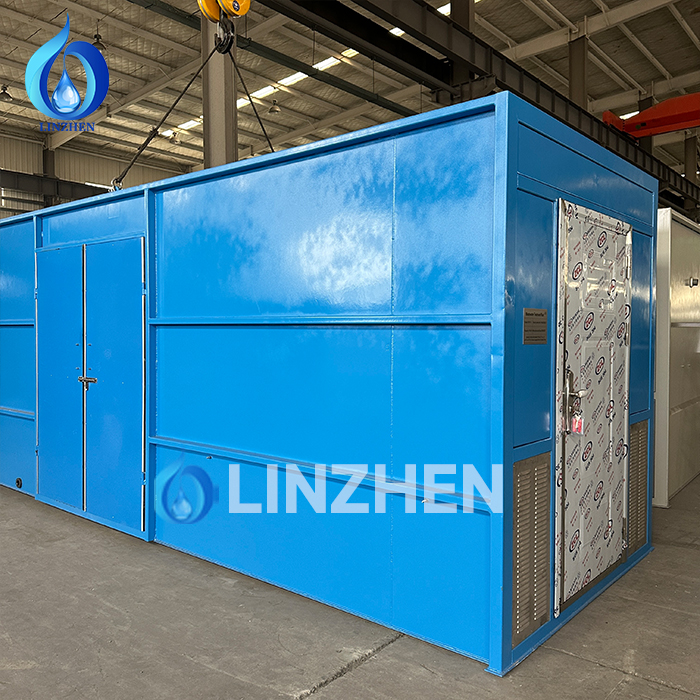
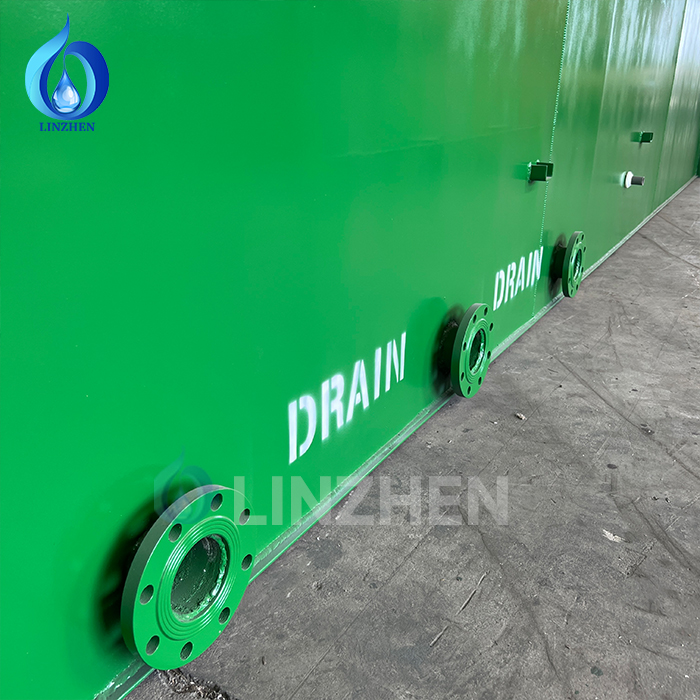
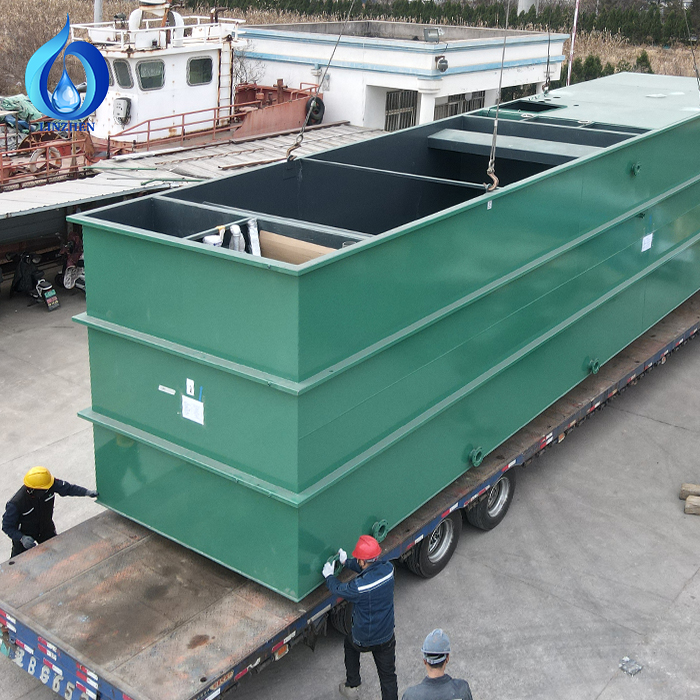
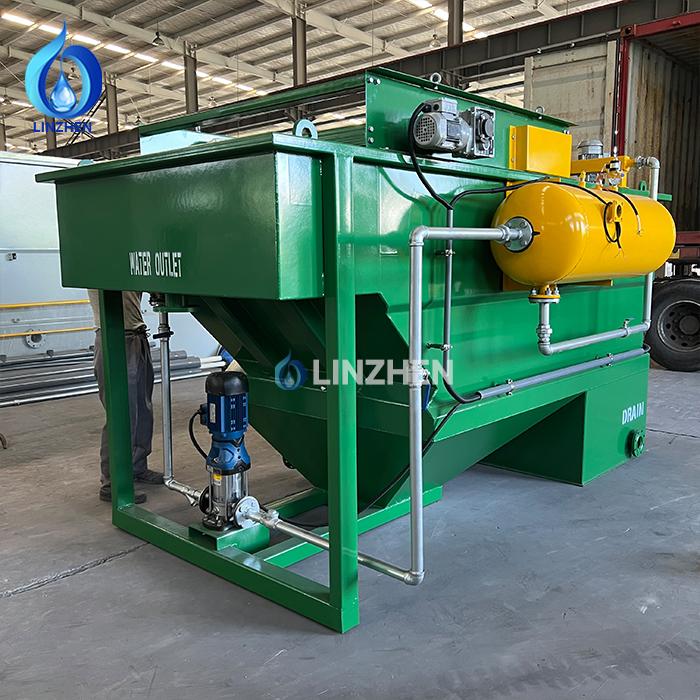
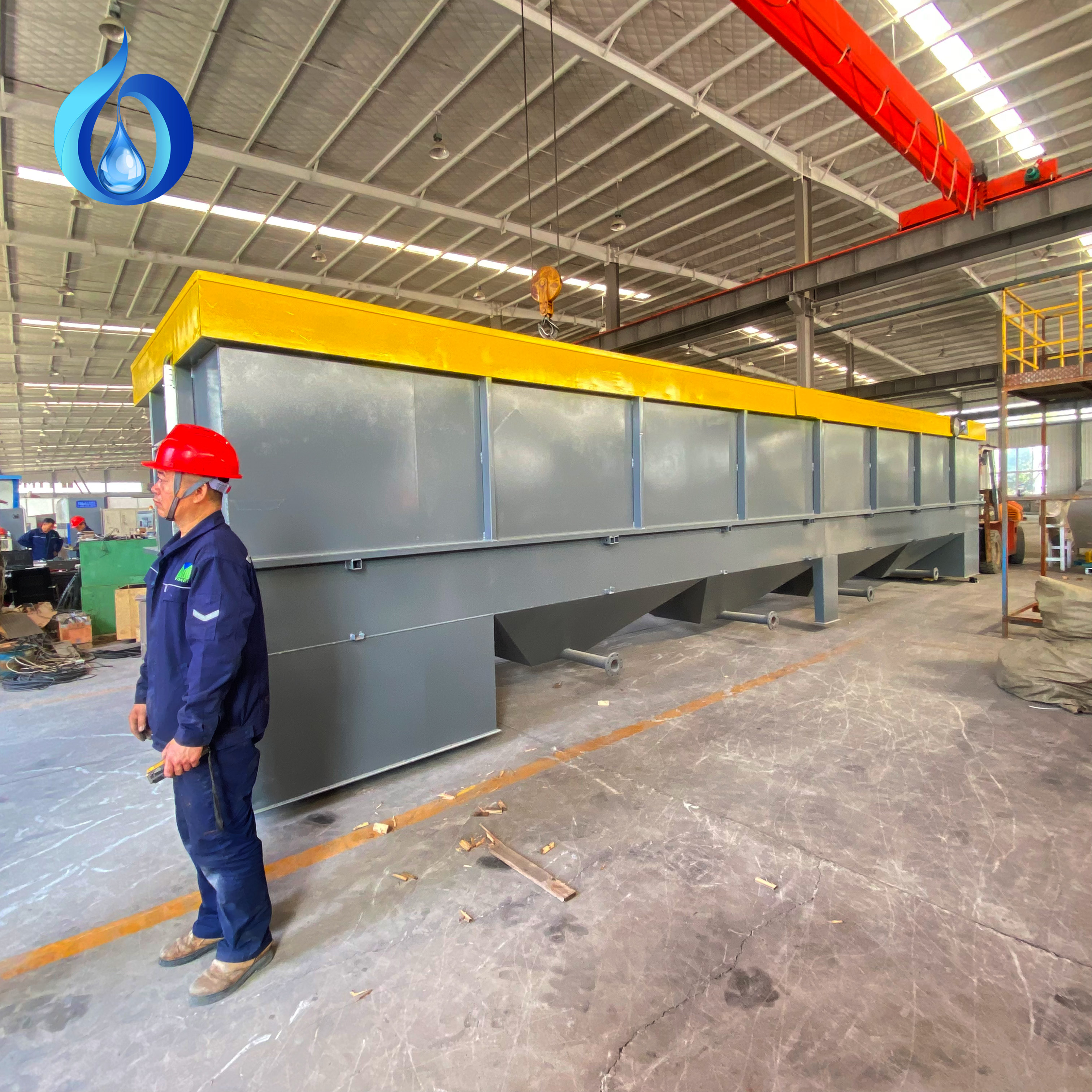
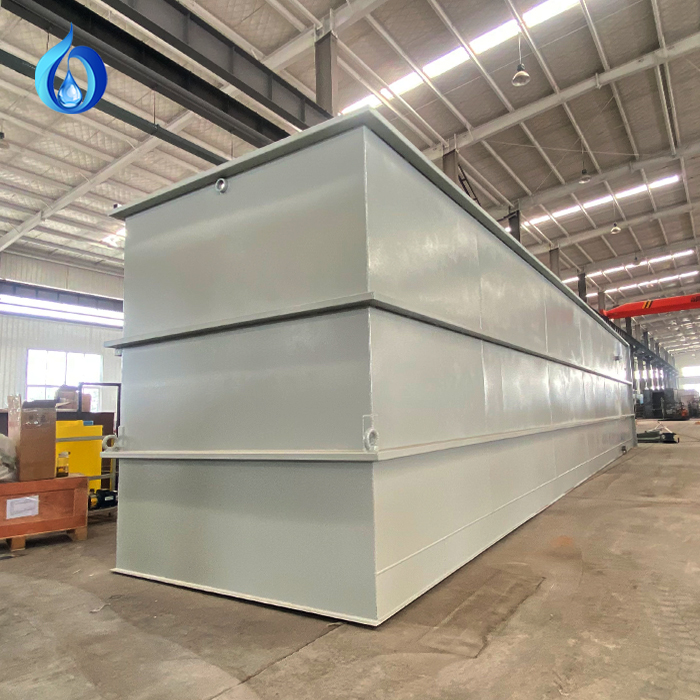
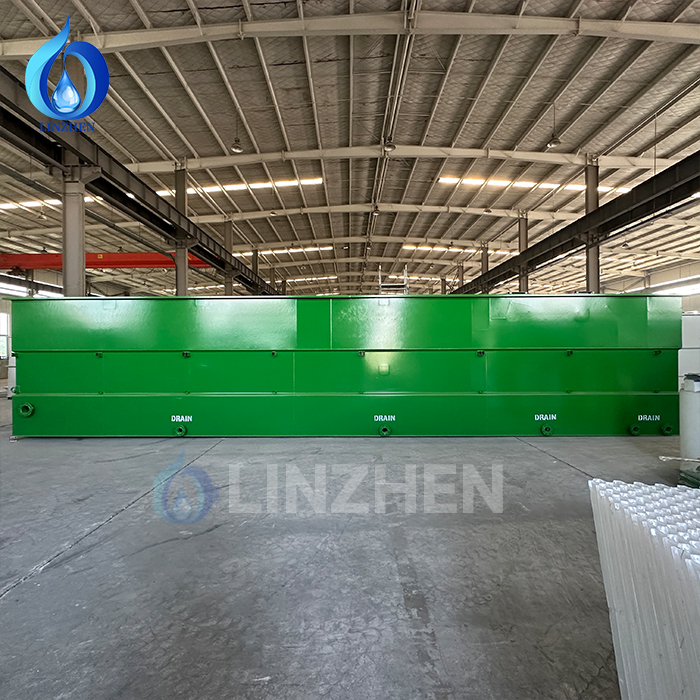
A containerized wastewater treatment system represents a complete, integrated solution for on-site water purification and effluent management. These modular units combine multiple treatment technologies into a single, portable package designed for rapid deployment and reliable performance across diverse industrial and municipal applications. Understanding the core components that make up a wastewater treatment system is essential for facility managers, environmental engineers, and operators who need to evaluate system capabilities, troubleshoot operational issues, and optimize treatment efficiency.
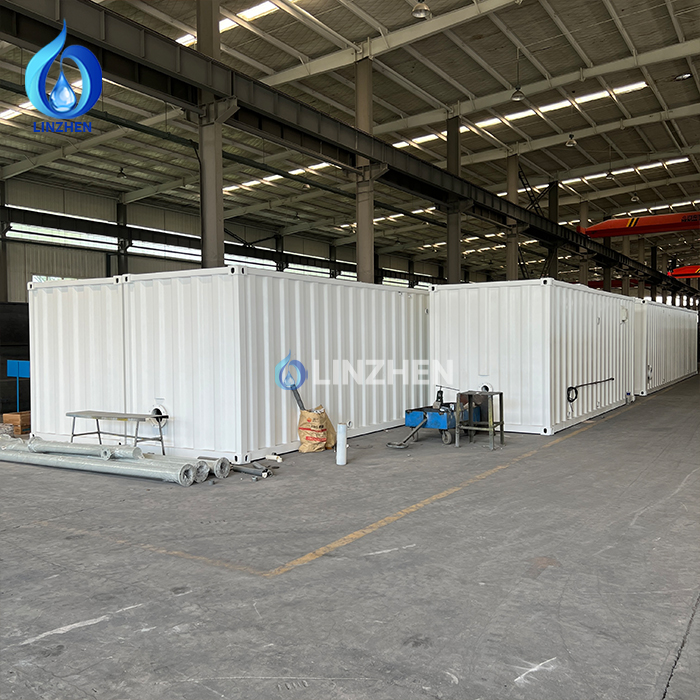
Containerized units standardize treatment into distinct functional stages, each addressing specific contaminant removal requirements. These systems eliminate the need for large onsite construction, reduce project timelines, and provide flexibility for temporary or permanent installations. Whether deployed at manufacturing facilities, construction sites, remote communities, or temporary operations, a containerized wastewater treatment system delivers consistent performance by integrating proven treatment technologies into one cohesive design.
Primary Treatment Components
Screening and Preliminary Treatment
The first stage of any containerized wastewater treatment system removes large solids, debris, and grit that could damage downstream equipment. Mechanical screens, bar racks, and grit removal systems protect the biological treatment unit and other sensitive components from clogging or wear. This preliminary filtration stage operates continuously, capturing rags, plastics, sand, and other coarse particles before liquid enters more sophisticated treatment zones. Removing these materials early reduces maintenance demands on the biological treatment unit and extends equipment lifespan significantly.
Flow Equalization and Buffering
Most containerized units include an equalization tank that smooths flow variations and buffers fluctuations in influent volume and strength. This component allows the biological treatment unit and downstream processes to operate under more stable conditions, improving treatment consistency and reducing upset conditions. The physical separation stage benefits directly from steady flow rates, as separation efficiency depends on controlled hydraulic loading. Equalization capacity also allows operators to manage peak flows during rainfall events or production surges without overwhelming treatment capacity.
Biological and Chemical Treatment Core
Biological Treatment Unit Design
The biological treatment unit forms the central purification engine of modern containerized wastewater treatment systems. Moving bed biofilm reactor (MBBR) technology, suspended growth systems, and fixed-film bioreactors each provide aerobic or anaerobic biodegradation of organic contaminants. The biological treatment unit uses microorganisms to metabolize dissolved organic matter, converting pollutants into biomass and carbon dioxide. Performance depends on aeration intensity, retention time, and sludge management, all optimized within the compact container footprint.
Chemical Dosing Module Integration
A chemical dosing module works alongside the biological treatment unit to address contaminants that microorganisms cannot efficiently metabolize. Coagulation, flocculation, pH adjustment, and advanced oxidation require precise chemical injection and mixing. The chemical dosing module automates nutrient addition for nitrogen and phosphorus removal when needed, preventing deficiencies that would limit biological treatment unit performance. Automated sensors trigger chemical dosing module activation based on real-time treatment parameters, maintaining optimal chemical balance without manual intervention or overdosing.
Separation and Polishing Systems
Physical Separation Stage Technology
After biological oxidation and chemical treatment, the physical separation stage removes suspended solids, flocs, and residual particulates from treated liquid. Clarifiers, lamella plates, membrane filters, and sand filtration devices all function as physical separation stage technologies within containerized systems. The physical separation stage achieves low turbidity and removes fine particles that would otherwise pass through to discharge or reuse streams. This stage directly improves water clarity, reduces microbial load, and prepares effluent for final disinfection or environmental release.
Disinfection and Polishing
Final treatment within a containerized wastewater treatment system often includes ultraviolet light, chlorination, or ozone to eliminate pathogens and meet discharge permits. Polishing filters and dual-media contactors may supplement the physical separation stage to achieve target effluent quality standards. These final barriers ensure that treated water meets regulatory requirements for aquatic ecosystems or potable reuse applications. Automated monitoring throughout the wastewater treatment system tracks residual chlorine, turbidity, and microbial indicators to verify disinfection effectiveness.
Supporting Infrastructure and Controls
Instrumentation and Automation
Modern containerized wastewater treatment system designs incorporate sensors, controllers, and automated dosing systems that manage the entire treatment process without constant operator presence. Dissolved oxygen probes monitor aeration in the biological treatment unit, while turbidity sensors verify physical separation stage performance. The chemical dosing module responds automatically to parameter changes, injecting coagulants or pH adjustment chemicals as needed. SCADA systems and remote monitoring platforms allow operators to track wastewater treatment system performance from offsite, reducing labor costs and enabling rapid response to anomalies.
Sludge Management and Dewatering
Containerized wastewater treatment systems generate biosolids that must be managed, dewatered, and disposed of responsibly. Clarifier underflow, biological treatment unit waste sludge, and chemical sludge require collection, storage, and processing. Integrated sludge thickening, belt press dewatering, or centrifuge technology reduces sludge volume within the container envelope, minimizing disposal frequency and transport costs. Proper sludge management ensures sustained performance of the biological treatment unit and prevents odor or environmental liability issues.
FAQ
What is the typical capacity range for a containerized wastewater treatment system?
Containerized wastewater treatment systems range from 5 cubic meters per day for small portable units to over 500 cubic meters per day for large industrial configurations. Standard 20-foot or 40-foot shipping containers accommodate biological treatment unit, physical separation stage, and chemical dosing module technologies within compact dimensions. Capacity depends on influent contamination levels, treatment targets, retention time, and available surface area for each component. Larger systems may use multiple containers arranged in series or parallel to achieve municipal-scale treatment capacity.
How long does a containerized wastewater treatment system remain operational after installation?
Well-maintained containerized wastewater treatment systems operate reliably for 15 to 20 years or more, with individual components such as the biological treatment unit, physical separation stage, and chemical dosing module replaced on appropriate maintenance schedules. Aeration membranes typically require replacement every 5 to 7 years, while pumps and dosing equipment need servicing annually. Regular monitoring, preventive maintenance, and timely repairs of the biological treatment unit and chemical dosing module extend system lifespan significantly. Climate and influent characteristics influence component longevity, requiring site-specific maintenance planning.
Can a containerized wastewater treatment system be relocated after installation?
Yes, containerized wastewater treatment systems are designed for portability and can be relocated using standard lifting equipment and transportation methods. The biological treatment unit, physical separation stage, chemical dosing module, and supporting infrastructure fit within standard shipping containers that can be lifted by cranes or transported by flatbed trucks. Relocation requires draining, securing internal components, and reconnecting utilities at the new site, typically taking one to two weeks. This mobility makes containerized systems ideal for temporary installations, project-based applications, or situations where treatment needs migrate over time.
 EN
EN