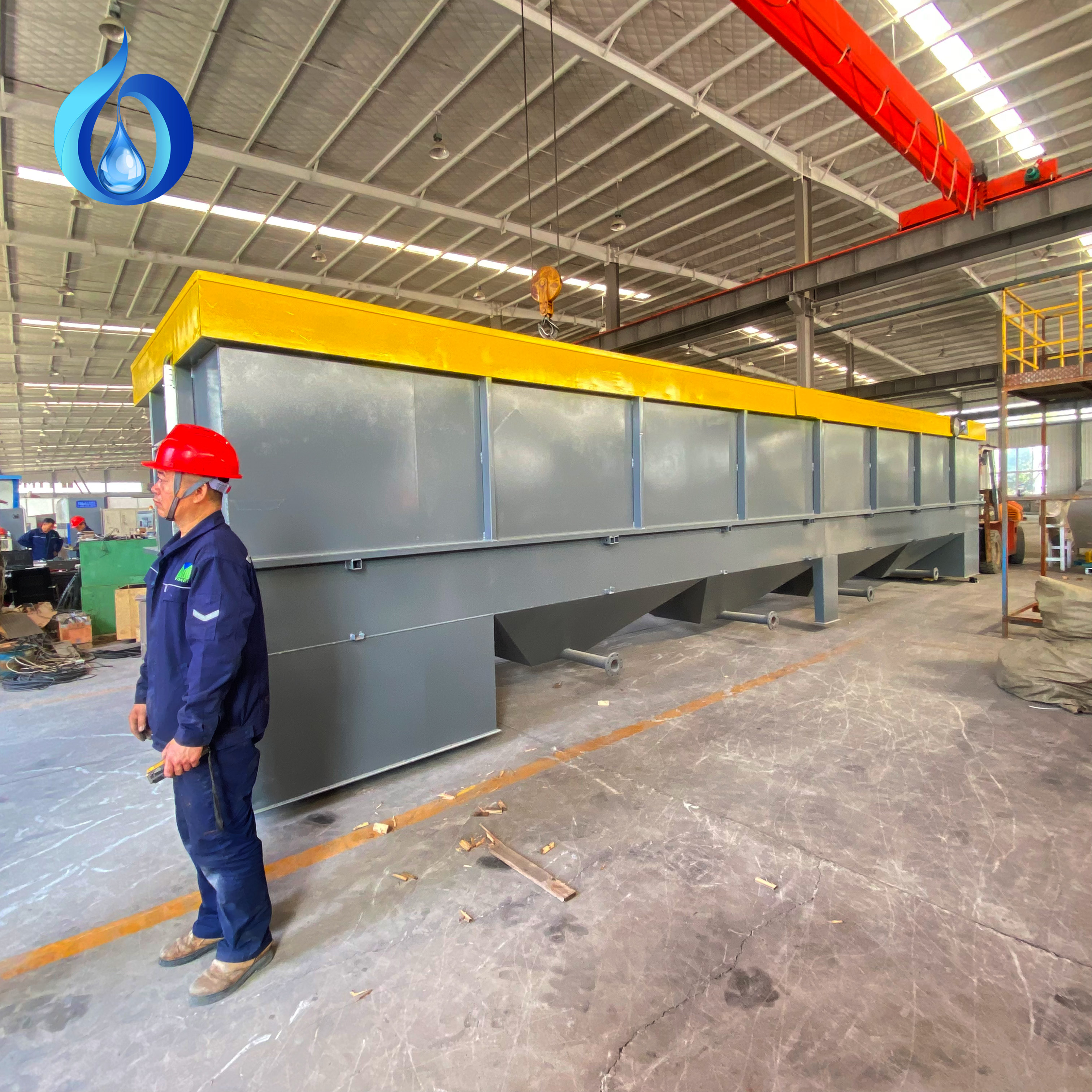
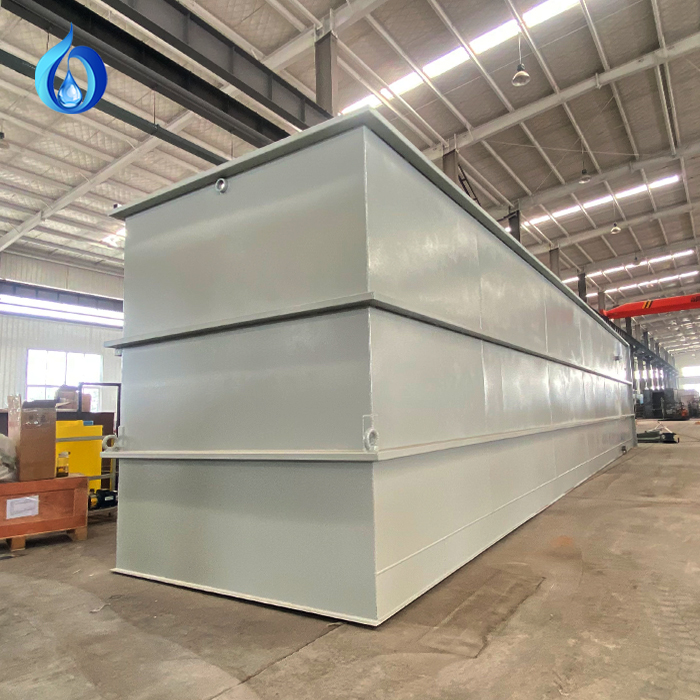
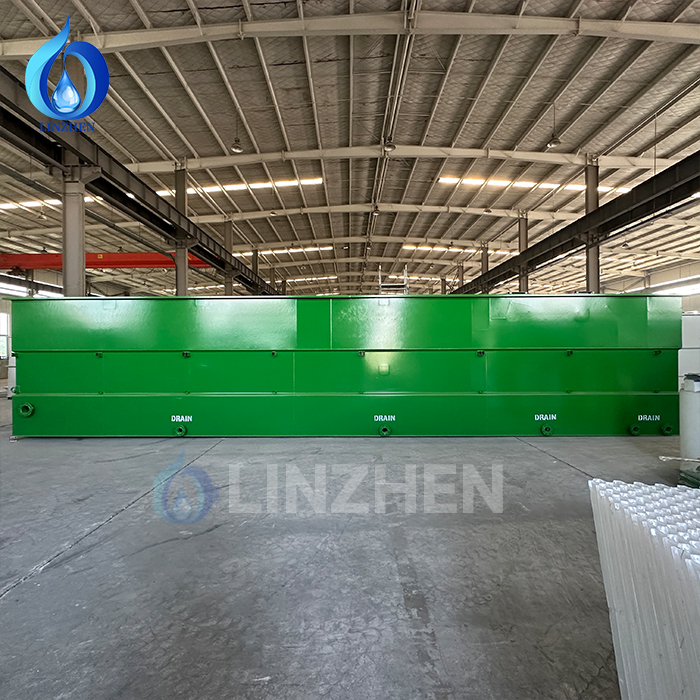
Maintaining sustainable manufacturing operations requires robust utility infrastructure, making a modern wastewater management system an indispensable asset for commercial and enterprise facilities. Industrial discharge contains diverse pollutant matrices, including suspended solids, complex organic compounds, nitrogen, phosphorus, and trace heavy metals that require multi-stage processing. Operating an unoptimized or undersized wastewater management system exposes industrial facilities to severe regulatory penalties, equipment fouling, unexpected operational downtime, and high operating expenses. Implementing a fully customized, high-efficiency wastewater management system guarantees consistent effluent quality, protects natural receiving water bodies, and enables internal water reclamation initiatives across diverse manufacturing sectors.
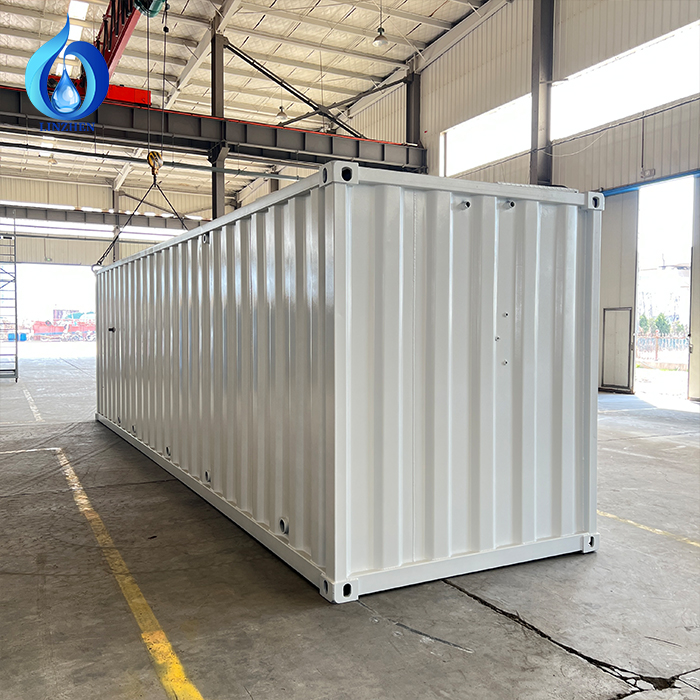
Engineering a commercial wastewater management system demands a systematic approach to unit operations and fluid mechanics. Rather than relying on isolated equipment modules, a high-performance wastewater management system connects mechanical separation, biological degradation, chemical polishing, and automated digital monitoring into a unified treatment sequence. Understanding how these individual functional units interact within a comprehensive wastewater management system helps plant engineers optimize daily hydraulic throughput, reduce chemical consumption, lower power draw, and extend machinery service life across the entire manufacturing plant.
Front-End Physical Pretreatment and Equalization Operations
Mechanical Screening and Grit Separation in a Wastewater Management System
The initial stage of any industrial wastewater management system focuses on physical solid-liquid separation to protect downstream rotary equipment and pumps. Influent streams pass through coarse bar screens and fine perforated mesh to capture rags, plastics, and large particulate debris. Following screening, grit removal chambers extract inorganic sand, gravel, and heavy mineral particles. Eliminating abrasive materials at the inlet prevents premature impeller wear in centrifugal pumps and protects fine-bubble diffusers within the main wastewater management system biological reactors.
Flow variations present significant challenges to biological treatment processes. A well-designed wastewater management system incorporates hydraulic flow equalization basins to dampen volumetric surges and equalize pollutant concentration spikes. By delivering a uniform flow rate to downstream bioreactors, the equalization stage prevents toxic shock loading within the wastewater management system. Maintaining stable hydraulic and organic conditions enables the entire wastewater management system to operate at peak biological efficiency throughout changing production schedules and seasonal shifts.
Biological Processing, Clarification, and Biomass Separation
Biological Contaminant Degradation in a Wastewater Management System
Secondary biological processing forms the primary engine for organic contaminant removal within a modern wastewater management system. Utilizing specialized aerobic or anaerobic microbial consortia, biological reactors break down dissolved organic pollutants, measured as biochemical oxygen demand (BOD) and chemical oxygen demand (COD). Modern configurations—such as moving bed biofilm reactors, sequential batch reactors, or activated sludge units—serve as vital components within a wastewater management system. Proper continuous aeration and mechanical mixing inside the wastewater management system ensure optimal microbial growth and rapid pollutant degradation.
Following biological reaction, mixed liquor enters secondary clarifiers or membrane separation units to isolate treated water from active biological biomass. Gravity clarification allows biological solids to settle, returning concentrated sludge to the biological reactor to maintain cell mass concentration. In space-constrained industrial applications, membrane filtration replaces traditional gravity clarifiers within the wastewater management system, producing crystal-clear effluent free of suspended bacteria. This separation step completes the core biological phase of the wastewater management system.
Advanced Polishing, Sludge Dewatering, and Digital Control Systems
Tertiary Disinfection and Sludge Dewatering in a Wastewater Management System
When industrial facilities target non-potable water reuse, tertiary polishing units become essential within the overall wastewater management system. Advanced oxidation, ultraviolet (UV) irradiation, or ozone dosing eliminate persistent organic compounds, color, and microscopic pathogens. Concurrently, solid sludge generated across the wastewater management system undergoes dewatering via centrifuges or belt filter presses. Minimizing sludge volume significantly reduces hazardous waste transportation fees, enhancing the economic sustainability of the entire wastewater management system investment.
Digital automation ties all physical and chemical treatment processes together seamlessly. A state-of-the-art wastewater management system relies on real-time sensor networks monitoring dissolved oxygen, turbidity, pH, oxidation-reduction potential, and flow rates continuously. Programmable logic controllers (PLCs) automatically adjust blower speeds and chemical dosing pumps based on live sensor feedback. Incorporating supervisory control and data acquisition (SCADA) platforms into a wastewater management system optimizes energy consumption, alerts operators to maintenance needs, and provides verifiable compliance documentation for environmental authorities.
FAQ
Why is flow equalization vital for a commercial wastewater management system?
Flow equalization buffers hydraulic surges and smooths out sudden chemical concentration spikes. Incorporating an equalization basin into a wastewater management system protects downstream biological reactors from toxic shock loads, ensuring consistent treatment performance during peak manufacturing washdowns.
How do biological processes function within a complete wastewater management system?
Biological units rely on specialized microorganisms to metabolize dissolved organic contaminants into carbon dioxide, water, and biomass. As key treatment stages within a wastewater management system, these reactors remove BOD and COD from industrial discharge with high efficiency.
What role does SCADA automation play in a modern wastewater management system?
SCADA automation continuously collects data from inline sensors, automatically adjusting aeration blowers and chemical feed pumps. Automation maintains peak operating efficiency across the wastewater management system while minimizing manual operator intervention and utility power costs.
 EN
EN