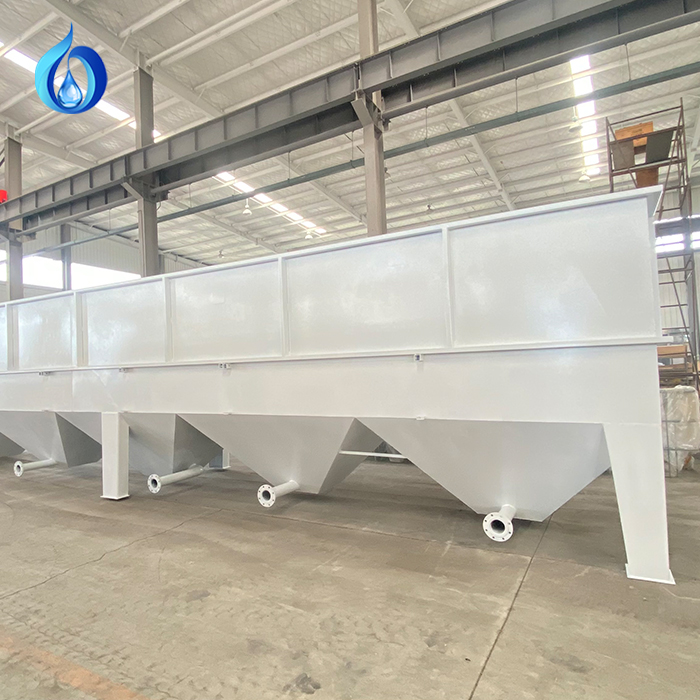
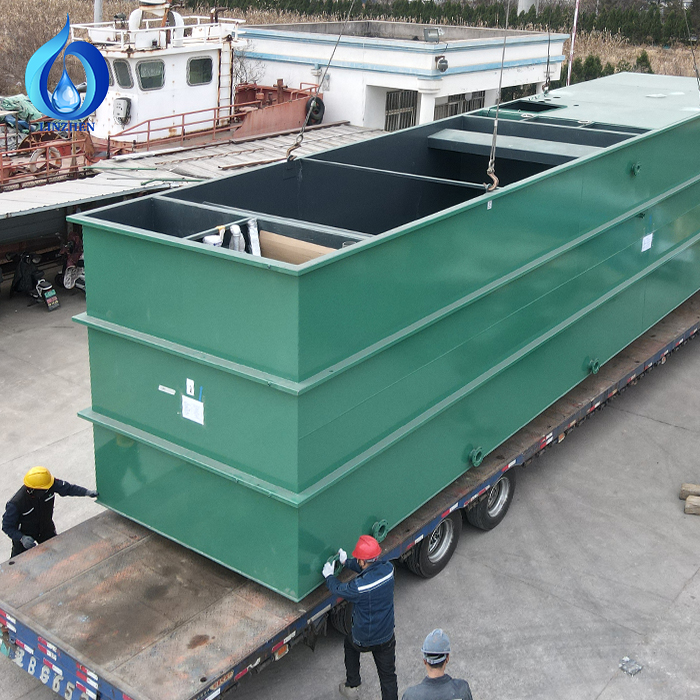
Plate scaling represents one of the most persistent operational challenges in mine water treatment systems, particularly within lamella clarifier units that rely on inclined surfaces for solids separation. When mineral deposits, biological growth, and suspended sediments accumulate on the inclined plates of a lamella clarifier, they create a hard crust that reduces overall treatment efficiency, increases backwash frequency, and ultimately compromises water clarity and compliance. Understanding the root causes of lamella clarifier plate scaling and deploying targeted cleaning methods directly impact operational costs, downtime reduction, and long-term asset reliability for every operating lamella clarifier.
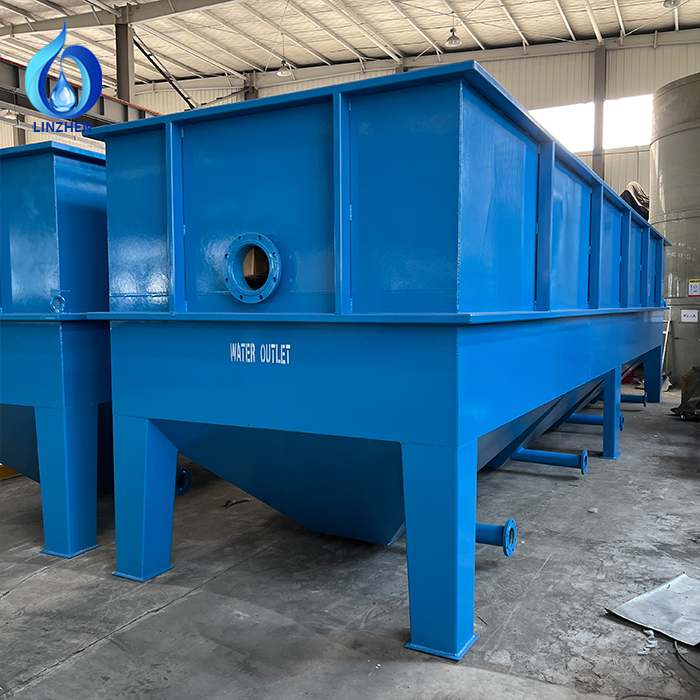
Mine water environments introduce unique scaling challenges due to high iron content, low pH, and suspended solids that differ significantly from municipal water sources. The inclined plate settler configuration within a lamella clarifier, while highly efficient for rapid solids capture, accelerates scale formation because compact geometry concentrates contaminants on plate surfaces. Selecting the right mine water treatment cleaning method depends on scaling type, water chemistry, plate material, and operational frequency. This article explores proven techniques to stop lamella clarifier plate scaling, restore high rate clarifier performance, and extend lamella clarifier equipment lifespan.
Understanding Plate Scaling Mechanisms in Mine Water Treatment
Chemical Composition and Mineral Buildup in a Lamella Clarifier
Mine water contains dissolved minerals such as iron hydroxides, calcium carbonates, and manganese oxides that precipitate directly onto internal plates. When pH rises within a high rate clarifier, these compounds solidify into adherent scales that resist routine backwashing inside the lamella clarifier. The compact design of a modern lamella clarifier concentrates flow through narrow gaps, allowing minerals to settle and bond chemically to polypropylene or stainless steel plates. Temperature variations amplify crystallization rates, while acidic mine drainage accelerates corrosion and subsequent scale formation within the lamella clarifier. Understanding this chemistry guides selection of appropriate chemical and mechanical cleaning protocols for inclined plate settler maintenance.
Biofilm and Organic Scale Formation in a Lamella Clarifier
Bacteria and algae thrive in a lamella clarifier environment where organic matter accumulates and light penetrates translucent modules. Biofilm acts as a binding matrix that traps mineral particles, creating composite scales that adhere strongly to the tube settler module surface inside the lamella clarifier. Once established, biofilm resists simple backwashing and requires enzymatic or biocidal intervention. In mine water systems with moderate temperatures, organic scaling in a lamella clarifier can develop within weeks if idle time allows stagnation. Early detection and preventive biofilm management significantly reduce long-term lamella clarifier maintenance burdens.
Mechanical Cleaning Methods for Scale Removal
High-Pressure Backwashing for Lamella Clarifier Operations
High-pressure backwashing remains the first line of defense against scale in lamella clarifier operations. Water jets at 2 to 4 bar pressure, combined with simultaneous air injection, create shear forces that dislodge loose deposits and biofilm from lamella clarifier inclined surfaces. Backwash frequency typically ranges from every 2 to 6 hours depending on mine water turbidity. The inclined plate settler design allows backwash water to flow downward, carrying loosened solids toward the sludge hopper of the lamella clarifier. However, hardened mineral scales often survive standard backwashing, making escalated mechanical intervention necessary for proper inclined plate settler maintenance. Air scouring alone proves insufficient for established scale, but combined air-water backwashing extends deep cleaning intervals for any lamella clarifier by 15 to 25 percent.
Manual Mechanical Cleaning for Severe Lamella Clarifier Scaling
When scale thickness exceeds 3 to 5 mm inside a lamella clarifier, manual intervention becomes necessary. Technicians may remove the high rate clarifier module and use soft brushes, plastic scrapers, or foam media to gently remove scale without damaging underlying plate material. For severe buildup, wet-blasting with plastic media or fine sand provides controlled, non-abrasive surface treatment for the lamella clarifier. The inclined geometry requires careful technique to avoid gouging or creating stress points. Media blasting extends operational intervals significantly for a heavy-duty lamella clarifier. This method works best for calcium-based scales but proves less effective on iron oxide deposits, which may require chemical pretreatment prior to mine water treatment cleaning.
Chemical and Enzymatic Cleaning Solutions
Acid and Alkaline Treatments for a Lamella Clarifier
Chemical cleaning directly targets mineral composition and accelerates scale dissolution inside a lamella clarifier. Dilute hydrochloric acid at pH 2 to 3 effectively dissolves calcium carbonate and iron hydroxide scales within 2 to 4 hours of contact time, making it ideal for routine lamella clarifier maintenance. Citric acid offers a gentler alternative for sensitive plate materials, though cleaning time extends to 6 to 8 hours. Alkaline solutions containing sodium hydroxide work best on silica-based scales and organic residues in a lamella clarifier. The lamella clarifier must be isolated during chemical treatment to manage corrosive runoff. Chemical cleaning offers an excellent cost-benefit ratio for severe scaling in a high rate clarifier.
Enzymatic Biofilm Degradation in a Lamella Clarifier
Enzymatic cleaners containing protease and lipase break down biofilm matrix proteins and organic binding compounds without harsh chemicals inside the lamella clarifier. These products work synergistically with mechanical agitation to remove composite scales from lamella clarifier plates. Enzymatic cleaning requires 8 to 12 hours contact time and works optimally at temperatures above 15°C. For lamella clarifier systems in cooler climates or underground mine environments, heating the enzyme solution accelerates reaction rates. This method proves particularly valuable as a preventive treatment, stopping biofilm establishment before mineral scales form on lamella clarifier surfaces. Monthly enzymatic treatments can reduce cleaning intensity by 40 percent compared to chemical-only protocols.
Integrated Preventive Strategy and Operational Best Practices
Water Chemistry Management in a Lamella Clarifier
Preventing scaling in a lamella clarifier begins upstream with pH optimization and coagulant selection. Adjusting influent pH toward neutral ranges reduces mineral precipitation rates on lamella clarifier plates by 30 to 50 percent. Optimized coagulation chemistry produces denser, faster-settling floc that minimizes adhesion to lamella clarifier surfaces. Regular water quality monitoring identifies seasonal scaling patterns, allowing operators to adjust cleaning frequency proactively. The lamella clarifier responds well to consistent alkalinity and reduced dissolved iron through pre-clarification or oxidation stages.
Maintenance Schedule and Design Selection for a Lamella Clarifier
Establishing a predictive maintenance schedule prevents emergency shutdowns caused by severe lamella clarifier plate scaling. Weekly visual inspections of clarity and flow distribution inside the lamella clarifier identify early scaling signs. Performing routine backwashing maintains lamella clarifier efficiency and extends mechanical cleaning intervals by months. Selecting plate materials resistant to corrosion—such as stainless steel over standard polypropylene—reduces long-term scaling severity in an aggressive lamella clarifier environment. Installing a lamella clarifier with optimized spacing improves overall backwash effectiveness and simplifies ongoing inclined plate settler maintenance.
FAQ
How often should lamella clarifier plates be cleaned to prevent severe scaling?
Cleaning frequency depends on mine water composition, but a lamella clarifier operating in a high rate clarifier system typically requires backwashing every 2 to 6 hours and deep mechanical or chemical cleaning every 3 to 6 months. Monthly inspections help identify when scaling accelerates on lamella clarifier plates, signaling the need for increased cleaning intensity.
What is the difference between an inclined plate settler and a tube settler module in a lamella clarifier?
An inclined plate settler uses flat, parallel plates arranged at 45 to 60 degrees to increase settling area, while a tube settler module arranges smaller channels. Both configurations serve as lamella clarifier variants optimizing space and settling efficiency. Tube modules often resist scaling better due to superior drainage design, though both require regular mine water treatment cleaning in heavy-duty applications.
Can enzymatic cleaning prevent the need for chemical treatment in a lamella clarifier?
Enzymatic cleaning effectively prevents biofilm-based scaling and extends intervals between chemical treatments, potentially reducing chemical cleanings in a lamella clarifier by 40 percent. However, mineral scales composed of calcium carbonates or iron oxides still require chemical dissolution to maintain optimal lamella clarifier performance.
 EN
EN