Industrial effluent treatment is a critical process that protects environmental water resources and ensures regulatory compliance across manufacturing sectors. Every facility producing industrial effluent treatment outputs must follow structured stages to remove contaminants, reduce pollution, and meet discharge standards. Understanding the key stages in industrial effluent treatment helps facility managers design effective systems, allocate resources efficiently, and minimize environmental impact while maintaining operational continuity.
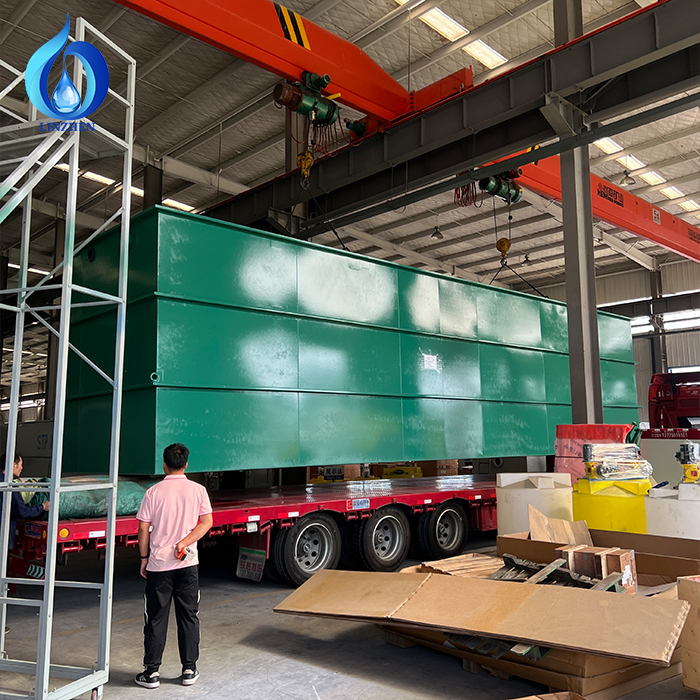
The industrial effluent treatment journey begins at the point of generation within manufacturing facilities and concludes only after final discharge into receiving water bodies or municipal systems. Each stage serves a distinct purpose, progressively removing specific pollutants and preparing the treated water for safe release. By learning the stages in industrial effluent treatment, operators can troubleshoot problems, optimize performance, and demonstrate environmental stewardship to regulators and stakeholders.
Preliminary Treatment and Screening
Solids Removal and Screening
The first stage of industrial effluent treatment involves removing coarse solids and large debris that could damage downstream equipment. Screening gates, mesh filters, and grates capture rags, plastics, wood fragments, and other bulky materials before they enter the main treatment train. This preliminary step protects pumps, pipes, and treatment vessels from blockages and mechanical failure, reducing maintenance costs and system downtime. Without effective screening during industrial effluent treatment, subsequent treatment stages become inefficient and equipment lifespan shortens significantly.
Flow Equalization
Industrial facilities often discharge effluent in variable volumes throughout operating hours, creating hydraulic shocks that destabilize downstream treatment. Flow equalization tanks smooth these fluctuations, allowing industrial effluent treatment equipment to operate under stable conditions. This stage buffers peak flows and ensures consistent residence time in biological reactors, settling tanks, and other treatment units. Proper equalization is essential in industrial effluent treatment because it prevents washout of biomass and maintains optimal treatment chemistry across all subsequent stages.
Primary and Secondary Treatment Mechanisms
Primary Physical Treatment
Primary treatment in industrial effluent treatment systems relies on gravity settling and chemical coagulation to remove suspended solids and organic matter. Clarifiers and sedimentation basins allow heavy particles to settle while lighter oils and greases float to the surface for skimming. The industrial effluent treatment operator adds coagulants and flocculants to bind small particles together, accelerating their removal and improving clarity of the liquid phase. This primary treatment stage reduces the organic load on secondary biological systems, improving their efficiency and treatment reliability.
Secondary Biological Treatment
Biological oxidation is the core mechanism in most industrial effluent treatment processes, where microorganisms consume dissolved organic pollutants and convert them into biomass and gases. Activated sludge reactors, trickling filters, and membrane bioreactors are common secondary industrial effluent treatment technologies that create aerobic or anaerobic environments suited to different effluent types. The industrial effluent treatment operator carefully controls oxygen levels, retention time, and nutrient balance to maintain healthy microbial populations. Secondary treatment typically removes 85 to 95 percent of biodegradable organic compounds, making it the most effective stage in most industrial effluent treatment systems.
Advanced Treatment and Final Polishing
Advanced Oxidation and Tertiary Polishing
After secondary treatment, industrial effluent treatment may require advanced oxidation processes to remove resistant pollutants, pharmaceuticals, dyes, or toxic compounds that biological systems cannot fully degrade. Ozonation, ultraviolet light, and hydrogen peroxide treatments break down stubborn molecules into simpler, less harmful substances. Tertiary filters using sand, activated carbon, or membrane technology polish the effluent to remove remaining suspended solids and color. These advanced stages in industrial effluent treatment become essential when discharge standards are stringent or when the facility handles particularly difficult waste streams.
Nutrient Removal and Final Discharge
Many regulatory frameworks now require nitrogen and phosphorus removal from industrial effluent treatment systems to prevent eutrophication in receiving waters. Specialized biological reactors, chemical precipitation, and ion exchange technologies extract these nutrients during the treatment process. Once the industrial effluent treatment system achieves final polishing, the clarified effluent is either discharged to municipal treatment plants, surface waters, or recycled back into the industrial process if quality permits. Final monitoring, pH adjustment, and disinfection ensure that the treated water meets all discharge permits and environmental standards before leaving the facility.
FAQ
What factors determine the number of stages needed in industrial effluent treatment?
The complexity of industrial effluent treatment depends on the source industry, pollutant composition, regulatory discharge limits, and receiving water quality standards. A food processing facility may require fewer treatment stages than a chemical manufacturing plant producing persistent toxins. Local environmental agencies, national regulations, and international standards all influence how many stages the industrial effluent treatment system must include. Site-specific risk assessments and pilot testing typically inform the final design of industrial effluent treatment configurations.
How long does each stage of industrial effluent treatment typically require?
Retention times vary significantly across industrial effluent treatment stages. Screening takes seconds, primary settling takes two to four hours, biological oxidation requires four to twenty-four hours depending on the process, and secondary settling takes another one to three hours. Advanced treatment stages in industrial effluent treatment systems may add minutes to hours depending on the technology selected. Overall, industrial effluent treatment residence time ranges from several hours to over a day, depending on the effluent volume, treatment intensity, and pollutant characteristics.
Can industrial effluent treatment stages be automated or monitored remotely?
Modern industrial effluent treatment systems increasingly integrate sensors, programmable logic controllers, and cloud-based monitoring platforms to optimize performance and ensure compliance. Dissolved oxygen, pH, turbidity, and flow rate sensors provide real-time feedback on each stage of industrial effluent treatment, allowing operators to adjust chemical dosing and aeration automatically. Remote monitoring enables early detection of equipment failures, foaming events, or effluent quality drift during industrial effluent treatment operations. Automation improves treatment reliability, reduces operator workload, and ensures consistent discharge quality throughout the facility's operating hours.
 EN
EN