Managing complex liquid discharge streams has become a core operational imperative for modern manufacturing sites, chemical complexes, food processing plants, and refineries across the globe. Executing reliable industrial wastewater treatment processes allows commercial entities to adhere strictly to local discharge permits, prevent natural aquatic ecosystem degradation, and facilitate internal water recycling programs. Understanding the exact mechanical, biological, and chemical mechanisms behind standard industrial wastewater treatment processes empowers facility managers, plant operators, and environmental engineers to optimize overall system efficiency, lower ongoing operational expenses, and maintain reliable regulatory compliance across all manufacturing shifts.
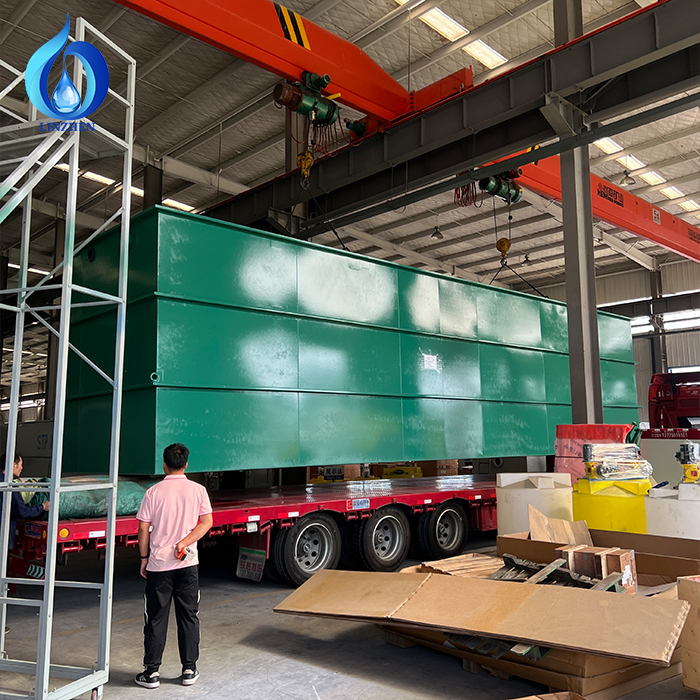
Every effective liquid purification train relies on a carefully configured sequence of unit operations designed to isolate and eliminate distinct classes of aqueous pollutants. Typical multi-stage industrial wastewater treatment processes begin with physical debris separation before transitioning into primary settling, aerobic or anaerobic biological digestion, and advanced chemical polishing stages. Integrating these comprehensive industrial wastewater treatment processes into a seamless facility workflow ensures high-volume hydraulic throughput while delivering consistent effluent quality tailored to strict municipal or environmental permit standards.
Preliminary Physical Screening and Primary Sedimentation Mechanisms
Coarse Material Removal and Equipment Protection
The initial phase within comprehensive industrial wastewater treatment processes focuses on eliminating large suspended debris, rags, wood fragments, grit, and coarse plastics entering the facility headworks. Automated mechanical bar screens and grit collection channels perform this essential physical separation, protecting downstream transfer pumps, flow control valves, and instruments from catastrophic clogging or premature mechanical wear. Integrating robust preliminary screening into overall industrial wastewater treatment processes minimizes emergency maintenance downtime and preserves steady hydraulic movement throughout the entire treatment plant facility.
Primary Clarification and Gravity Settling
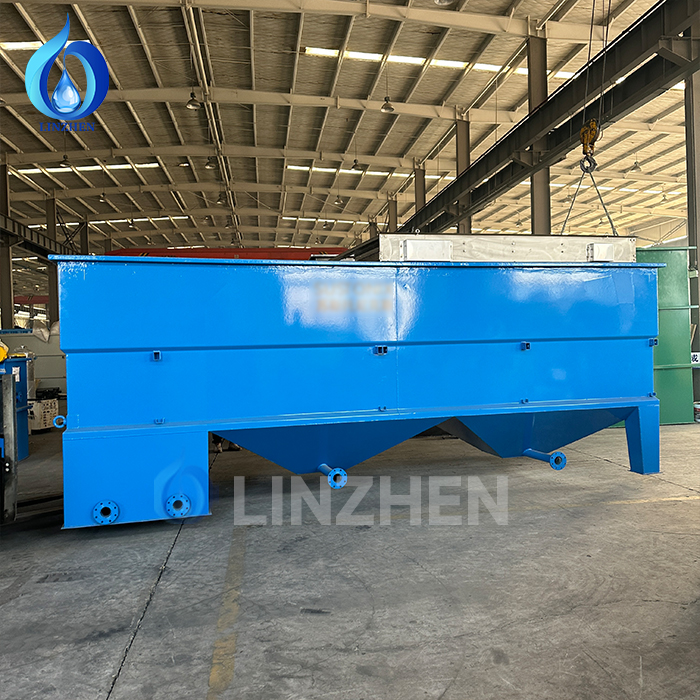
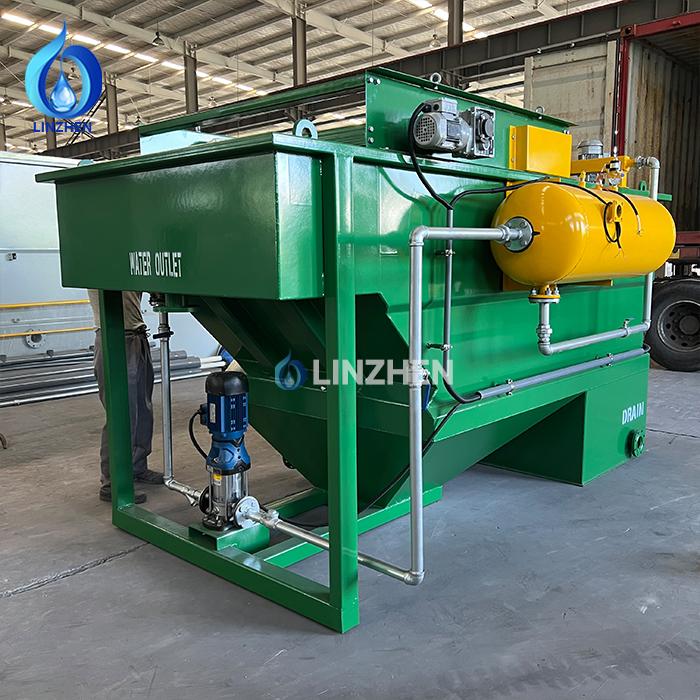
Following coarse screening, industrial wastewater treatment processes direct incoming liquid flows into primary clarification basins where gravitational forces settle heavy suspended solids out of suspension. During this primary sedimentation phase, physical industrial wastewater treatment processes remove roughly 50 to 70 percent of total suspended solids while significantly reducing the raw biochemical oxygen demand (BOD) entering biological units. Settled primary sludge is continually scraped toward bottom collection hoppers for extraction, effectively lightening the heavy organic loading placed on subsequent high-energy biological treatment stages.
Secondary Biological Digestion and Microbial Degradation
Suspended Growth Systems and Aeration Management
Secondary digestion relies on living microorganisms to consume dissolved organic compounds, making biological degradation central to effective industrial wastewater treatment processes. Suspended-growth activated sludge systems represent some of the most common biological industrial wastewater treatment processes utilized in modern industrial plants. In these continuous aeration basins, mechanical blowers supply dissolved oxygen, enabling aerobic bacterial populations to digest complex carbonaceous pollutants rapidly. Efficient aeration control is critical within these industrial wastewater treatment processes to ensure steady biological activity while keeping overall facility electrical power consumption under control.
Biofilm Architecture and Fixed-Film Treatments
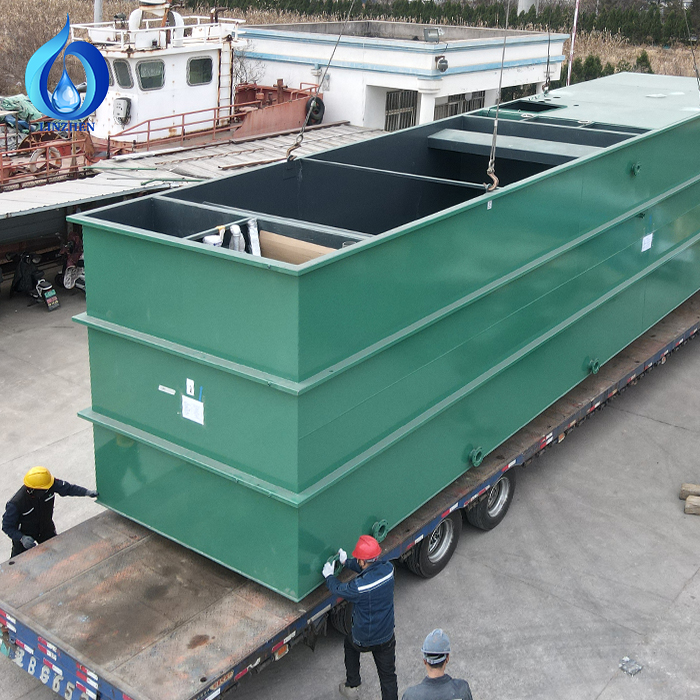
Alternative secondary options include fixed-film bioreactors, moving bed biofilm reactors, and trickling filters, which provide highly resilient options among industrial wastewater treatment processes. Instead of floating freely in liquid, microbes attach to fixed or mobile plastic media, forming dense protective biofilms capable of surviving toxic chemical spikes and heavy volume surges. Selecting fixed-film industrial wastewater treatment processes gives compact manufacturing sites a distinct footprint advantage, achieving elevated mass transfer rates and superior organic removal within smaller total tank volumes.
Tertiary Polishing, Advanced Filtration, and Sludge Handling
Nutrient Reduction and Polishing Operations
When manufacturing facilities face strict local regulatory limits regarding nitrogen and phosphorus discharge, plant designs incorporate specialized tertiary industrial wastewater treatment processes. Excess nutrients released into receiving rivers cause severe algal blooms and environmental damage. Advanced tertiary industrial wastewater treatment processes utilize chemical precipitation modules or biological nutrient removal (BNR) sequencing to strip lingering dissolved nitrates and phosphates from clarified water prior to final environmental discharge.
Membrane Purification and Resource Recovery
Facilities aiming for zero liquid discharge or total water recycling implement advanced membrane filtration within their multi-barrier industrial wastewater treatment processes. High-pressure reverse osmosis, ultrafiltration, and ultraviolet disinfection allow these advanced industrial wastewater treatment processes to eliminate dissolved salts, heavy metals, micro-pollutants, and pathogens completely. Concurrently, comprehensive industrial wastewater treatment processes incorporate solid management systems—such as anaerobic digesters and filter presses—to dewater accumulated sludge, converting environmental waste into manageable cake or renewable biogas energy.
FAQ
What are the fundamental stages included in industrial wastewater treatment processes?
Comprehensive industrial wastewater treatment processes typically incorporate four consecutive phases: physical preliminary screening, primary gravity settling, secondary biological digestion, and tertiary membrane or chemical polishing to achieve full discharge compliance through optimized industrial wastewater treatment processes.
Why are biological digestion units essential in industrial wastewater treatment processes?
Biological units are essential because physical screening cannot capture dissolved organic contaminants. Microorganisms utilized within secondary industrial wastewater treatment processes absorb dissolved pollutants and convert them into settleable biomass and harmless gases.
How do advanced industrial wastewater treatment processes support industrial water recycling?
Advanced industrial wastewater treatment processes deploy ultrafiltration membranes and reverse osmosis systems that filter out microscopic ions, heavy metals, and bacteria, turning industrial wastewater into high-purity process water suitable for cooling towers, boilers, or facility washdown via integrated industrial wastewater treatment processes.
 EN
EN