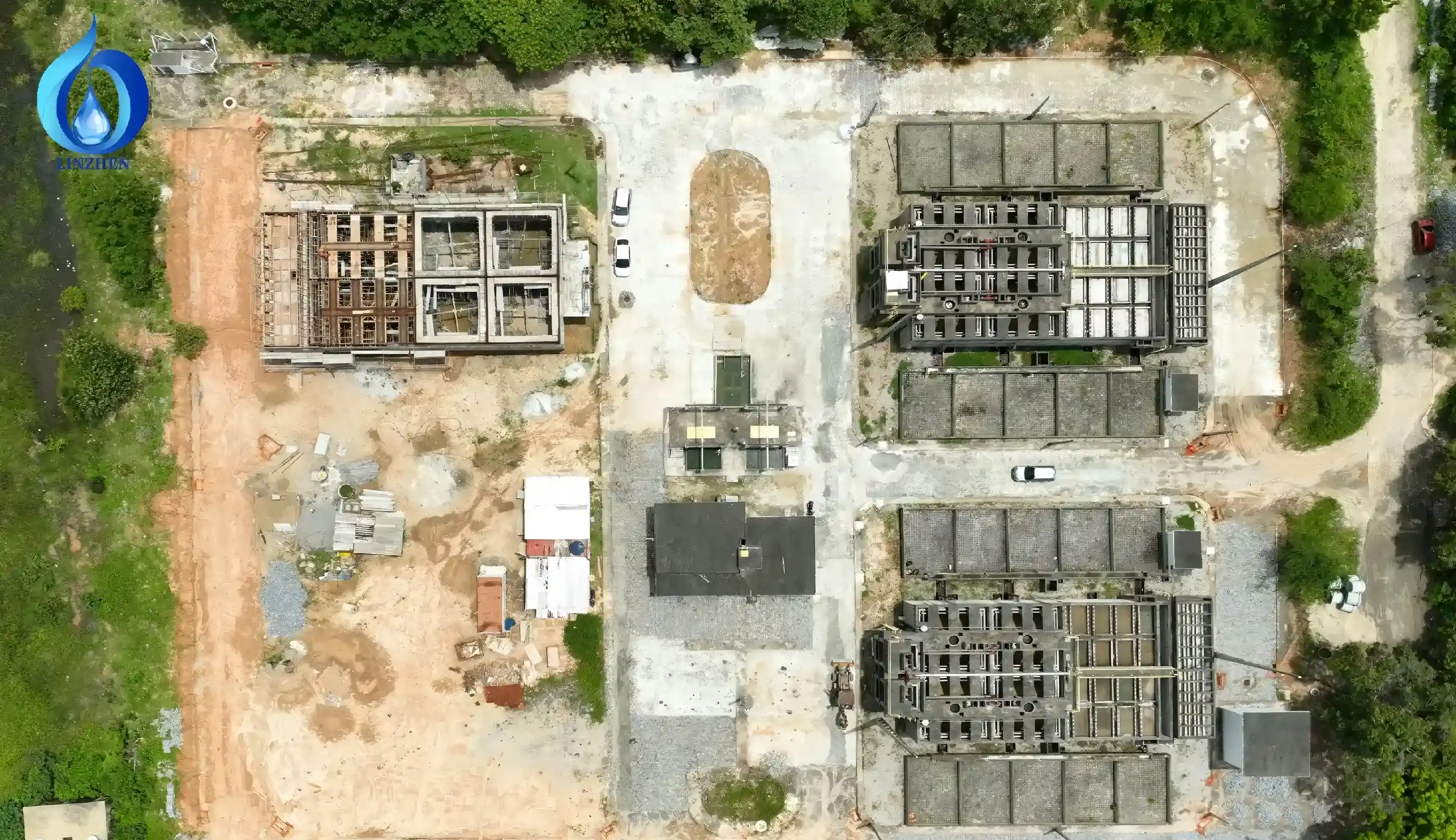
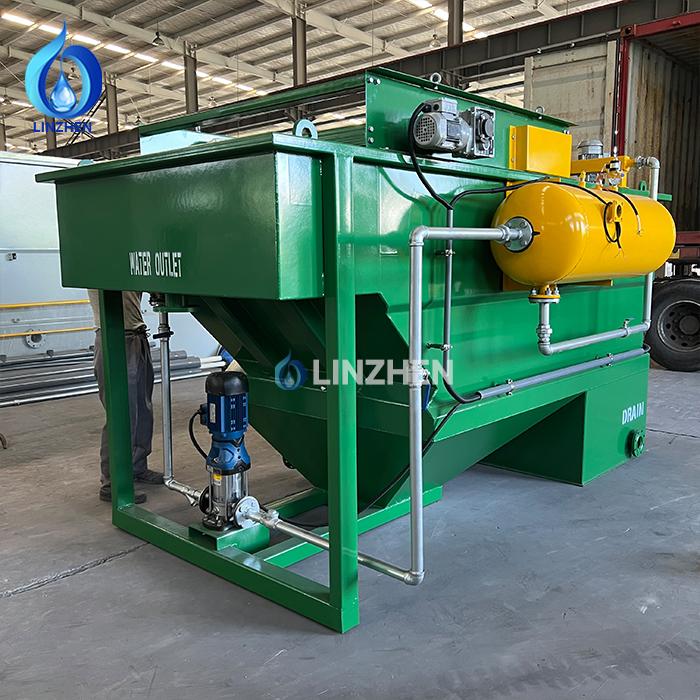
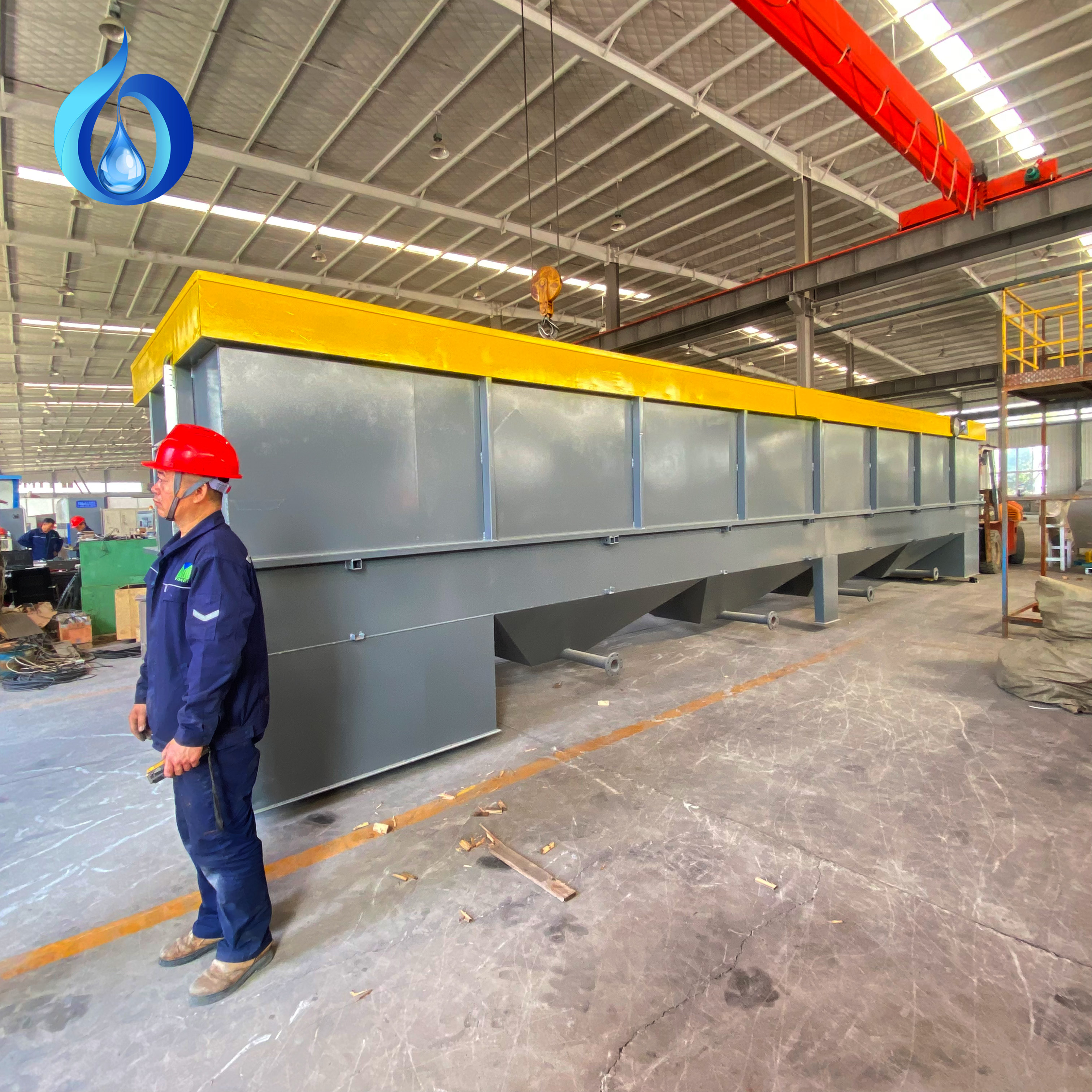
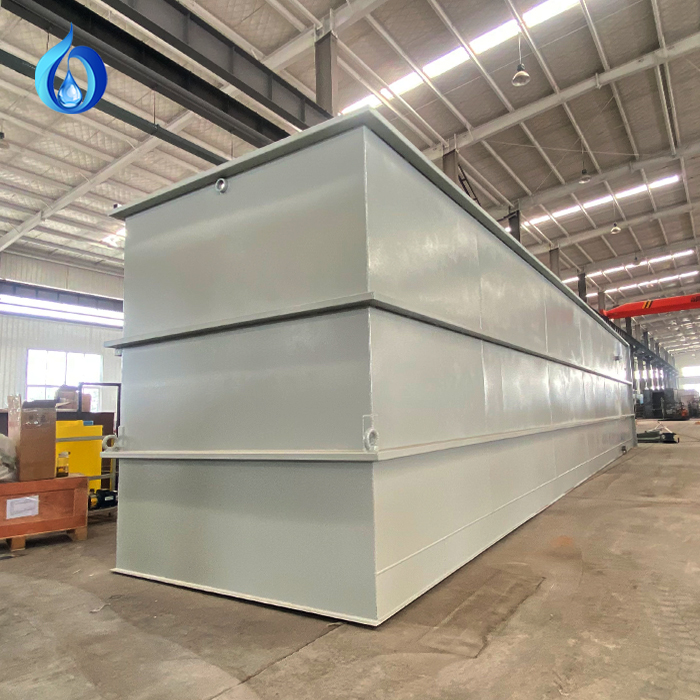
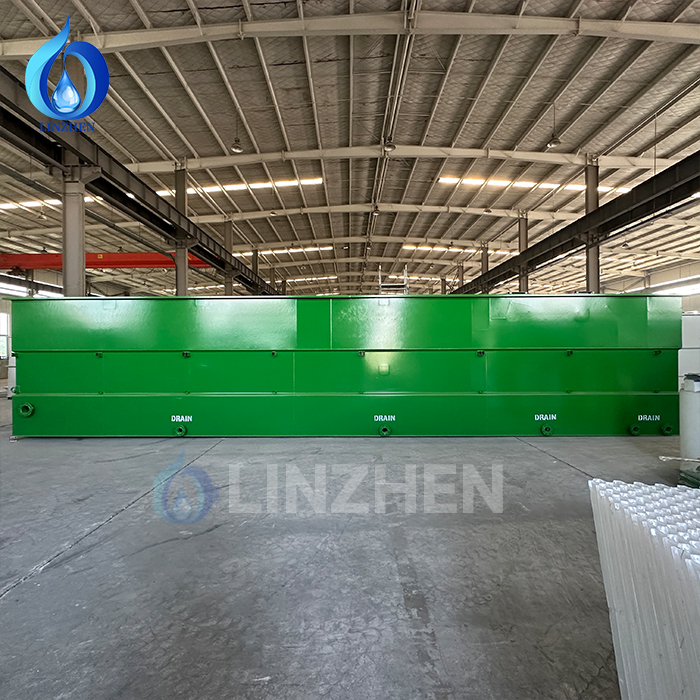
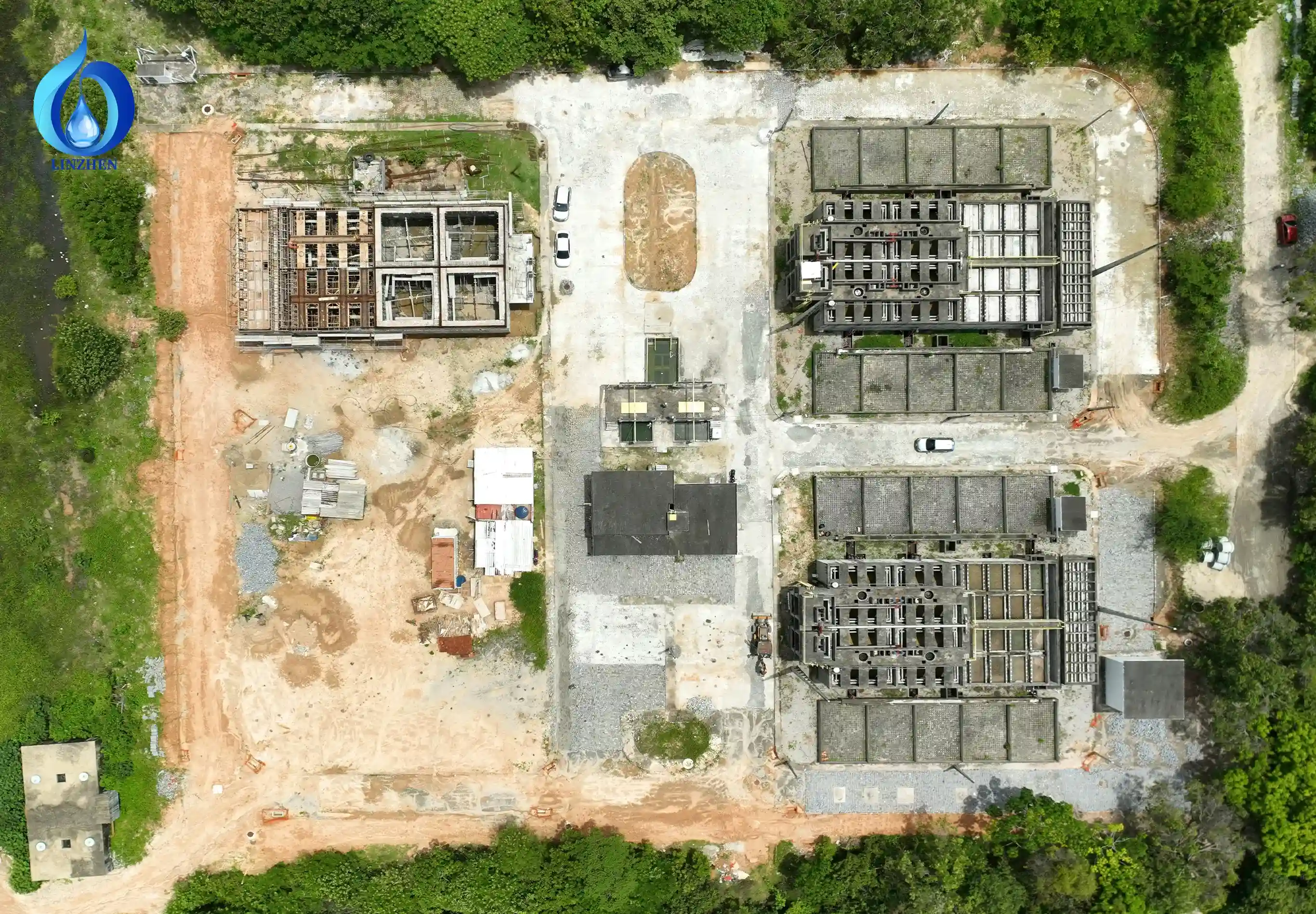
Managing domestic effluent in modern housing developments demands speed, footprint minimization, and unwavering operational reliability. Across Colombia, rapid urban growth and expanding suburban real estate projects frequently outpace central municipal infrastructure. Relying exclusively on legacy concrete civil engineering can delay project handovers by six months or more, creating severe bottlenecks for property developers. To bridge this critical infrastructure gap, implementing an advanced packaged wastewater treatment system provides an immediate, scalable solution that ensures strict environmental compliance while optimizing overall site economics.
Our specialized engineering team designs and manufactures turnkey environmental protection hardware tailored specifically for residential communities, commercial complexes, and off-grid real estate endeavors. By integrating high-efficiency biological purification processes into factory-assembled modular structures, real estate developers eliminate long construction delays while maintaining consistent effluent quality day after day.
Key Challenges in Residential Wastewater Management
Domestic sewage generated by modern residential complexes contains a complex mixture of pollutants, including high biochemical oxygen demand (BOD), chemical oxygen demand (COD), total suspended solids (TSS), active microbial pathogens, and varying levels of nitrogen and phosphorus. When regional municipal piping networks are unavailable or lack capacity, decentralized wastewater treatment becomes an absolute requirement for developer approval and regulatory sign-off.
Property management firms and site developers face several distinct operational hurdles when building localized treatment plants:
-
Land Availability Constraints: Traditional open air lagoon systems or massive concrete tanks consume expansive land areas, directly reducing the sellable footprint of the housing estate.
-
Hydraulic Load Fluctuations: Household water usage spikes sharply during morning and evening hours, creating intense hydraulic surges that destabilize conventional treatment systems.
-
Strict Regulatory Limits: Environmental protection authorities in South America enforce stringent water quality standards to protect rivers and underground aquifers from raw effluent pollution.
-
High Ongoing Maintenance: Outdated manual systems require round-the-clock technical operators, sharply driving up long-term operational costs (OPEX).
-
Odor and Noise Nuisances: Poorly managed treatment plants generate bad smells and excessive mechanical noise, leading to resident complaints and reduced property values.
Custom Engineering Architecture & Process Design
To address these field challenges directly, Linzhen engineered a compact packaged wastewater treatment system specifically tailored for rapid installation and stable long-term performance. The multi-barrier purification flow utilizes state-of-the-art biological treatment paired with physical separation mechanisms to ensure dependable water discharge or reuse.
|
Process Stage
|
Engineering Function & Mechanism
|
|
Coarse Screening & Pre-treatment
|
Intercepts inorganic debris, hair, and plastics to protect downstream pumps and prevent pipe blockage.
|
|
Equalization Tank
|
Acts as a hydraulic buffer zone, balancing peak morning/evening flow variations and homogenizing pollutant strength.
|
|
Biological Oxidation
|
Leverages specialized aerobic bacterial colonies to rapidly metabolize and decompose organic pollutants into carbon dioxide and water.
|
|
Secondary Clarification
|
Accelerates solid-liquid separation, allowing bio-sludge to settle out while clear liquid flows onward.
|
|
Disinfection Module
|
Eliminates remaining coliform bacteria, viruses, and pathogens prior to environmental discharge or landscape reuse.
|
Distinct Performance Benefits of Modular Units
Deploying an integrated packaged wastewater treatment system over legacy concrete structures provides developer partners with measurable financial and operational advantages:
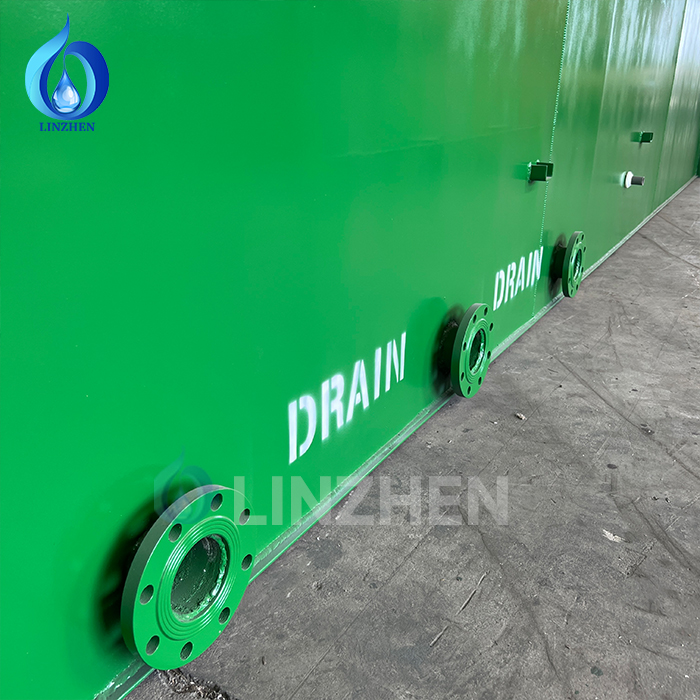
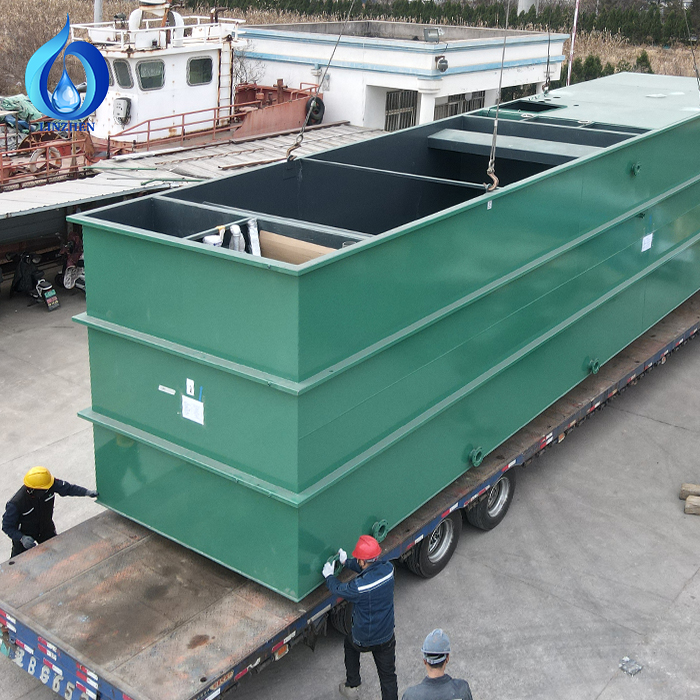
• Accelerated Deployment: Pre-assembled modular equipment arrives on-site ready for pipe hookup, reducing complete installation schedules to under 90 days.
• Compact Footprint Design: High-density internal tank layout reduces spatial requirements by up to 60% compared to traditional biological ponds, leaving valuable land open for amenities.
• Automated Operations: Programmable logic control (PLC) panels handle aeration cycles and pump switching automatically, minimizing ongoing labor needs.
• Flexible Scalability: Housing expansions can easily be matched by adding parallel treatment modules without disrupting original equipment operations.
• Effective Odor Suppression: Fully enclosed steel or fiberglass vessels prevent noxious gas leakage, ensuring a pleasant living environment for residents.
• Optimized Power Consumption: Energy-efficient blowers and smart cycling algorithms keep operational electricity costs extremely low.
Comprehensive Lifecycle Support & Maintenance
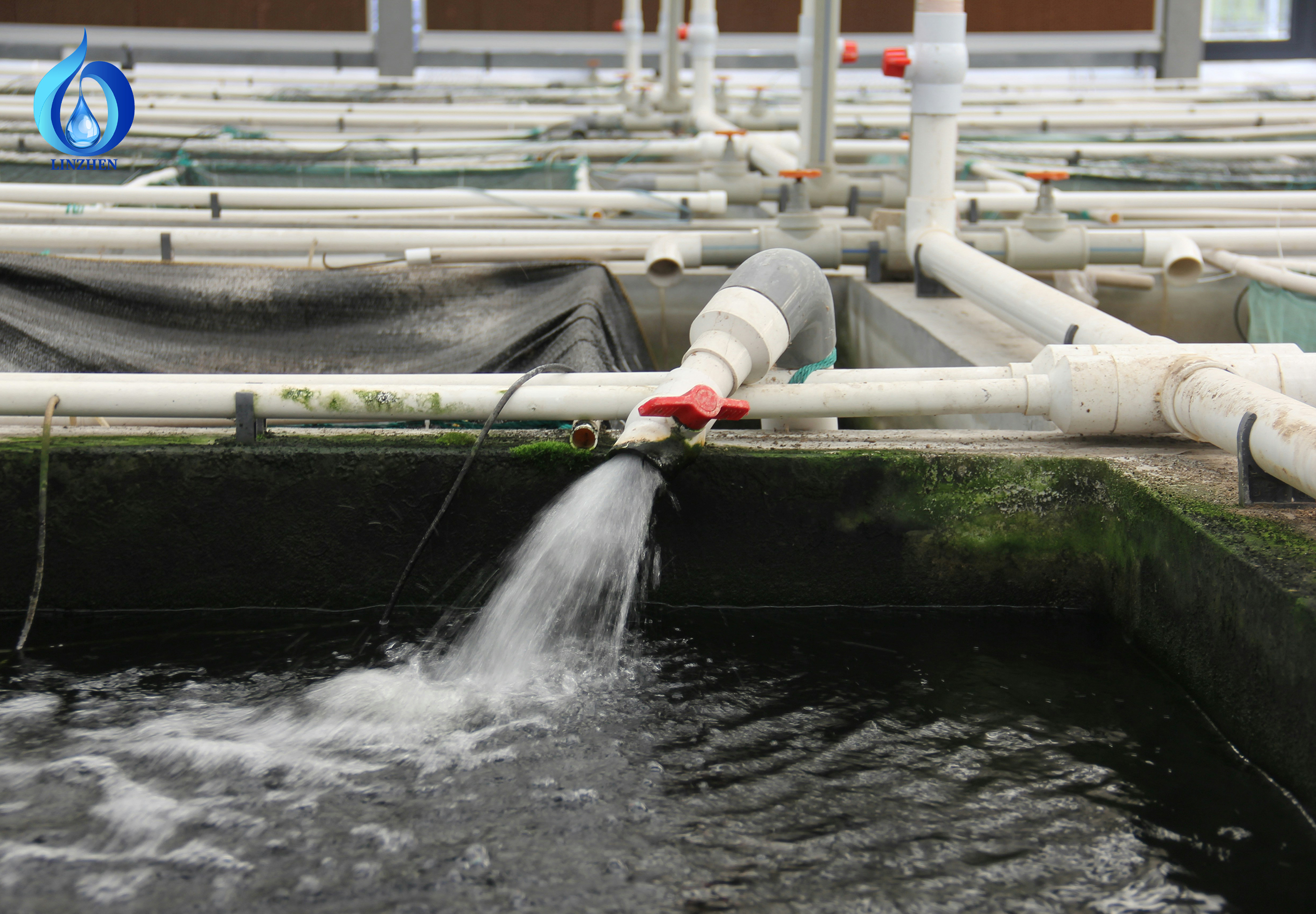
Even the most reliable processing hardware demands proper installation, professional commissioning, and routine service to ensure long-term stability. Our experienced engineering team delivers comprehensive end-to-end service support across the complete project lifecycle:
-
Turnkey Installation Guidance: On-site technical supervisors manage equipment positioning, manifold connection, and electrical wiring verification.
-
Operator Training Programs: Hands-on operational training empowers property maintenance personnel to perform daily inspections, system monitoring, and basic routine maintenance effortlessly.
-
24/7 Remote Technical Assistance: Remote diagnosis capabilities enable swift troubleshooting advice, preventing unexpected downtime and securing continuous water purification.
-
Spare Parts Availability: Readily accessible original replacement components guarantee long-term operational continuity without prolonged supply delays.
Proven Applications Across Latin America
The versatility of our integrated packaged wastewater treatment system extends far beyond standard urban apartment complexes. Modern decentralized wastewater treatment architectures are now widely deployed across diverse sectors, including remote mountain resorts, educational campuses, regional medical centers, mining work camps, and industrial parks throughout South America. Wherever centralized sewage connections are unfeasible, modular treatment units deliver dependable water purification performance.
Contact our engineering sales team today to schedule a technical evaluation and request a customized wastewater management proposal designed around your project's specific capacity and site requirements.
FAQ
Why choose a packaged wastewater treatment system for residential developments in Colombia?
A packaged system offers rapid site deployment (ready in 90 days or less), requires minimal land footprint, and eliminates long civil construction delays while maintaining strict compliance with regional environmental discharge regulations.
How does decentralized wastewater treatment benefit remote housing projects?
Decentralized treatment purifies sewage directly at the point of origin. This eliminates the massive capital costs associated with building long sewer mains to reach distant municipal infrastructure, allowing property developments to proceed independently.
What routine maintenance is required for a modular WWTP Colombia installation?
Routine upkeep includes periodic mechanical inspections of pumps and blowers, monitoring biological sludge accumulation, cleaning screen filters, and verifying chemical/disinfection levels—all simplified through automated PLC monitoring systems.
Can treated effluent from a packaged plant be safely reused on-site?
Yes. When equipped with tertiary filtration and advanced disinfection modules, treated effluent meets international non-potable standards, making it ideal for landscape irrigation, toilet flushing, and dust control.
 EN
EN