Industrial development and urban growth continue to put severe pressure on local freshwater reserves worldwide. In response to these pressing water security challenges, installing a modern wastewater treatment system has evolved from a simple regulatory necessity into a strategic operational advantage. By upgrading a traditional facility into a high-performance wastewater treatment system focused on water reuse, plant managers can easily transform complex effluent into valuable reclaimed water for cooling towers, boiler feed, agricultural irrigation, and process washing.
In water-scarce areas, relying strictly on municipal freshwater supply creates significant financial and operational risks. Implementing a comprehensive wastewater treatment system enables facilities to reduce overall water intake, lower utility bills, and shield operations against severe climate fluctuations. As local environmental discharge standards become increasingly stringent, a forward-thinking wastewater treatment system ensures continuous compliance while facilitating long-term water reuse strategies.
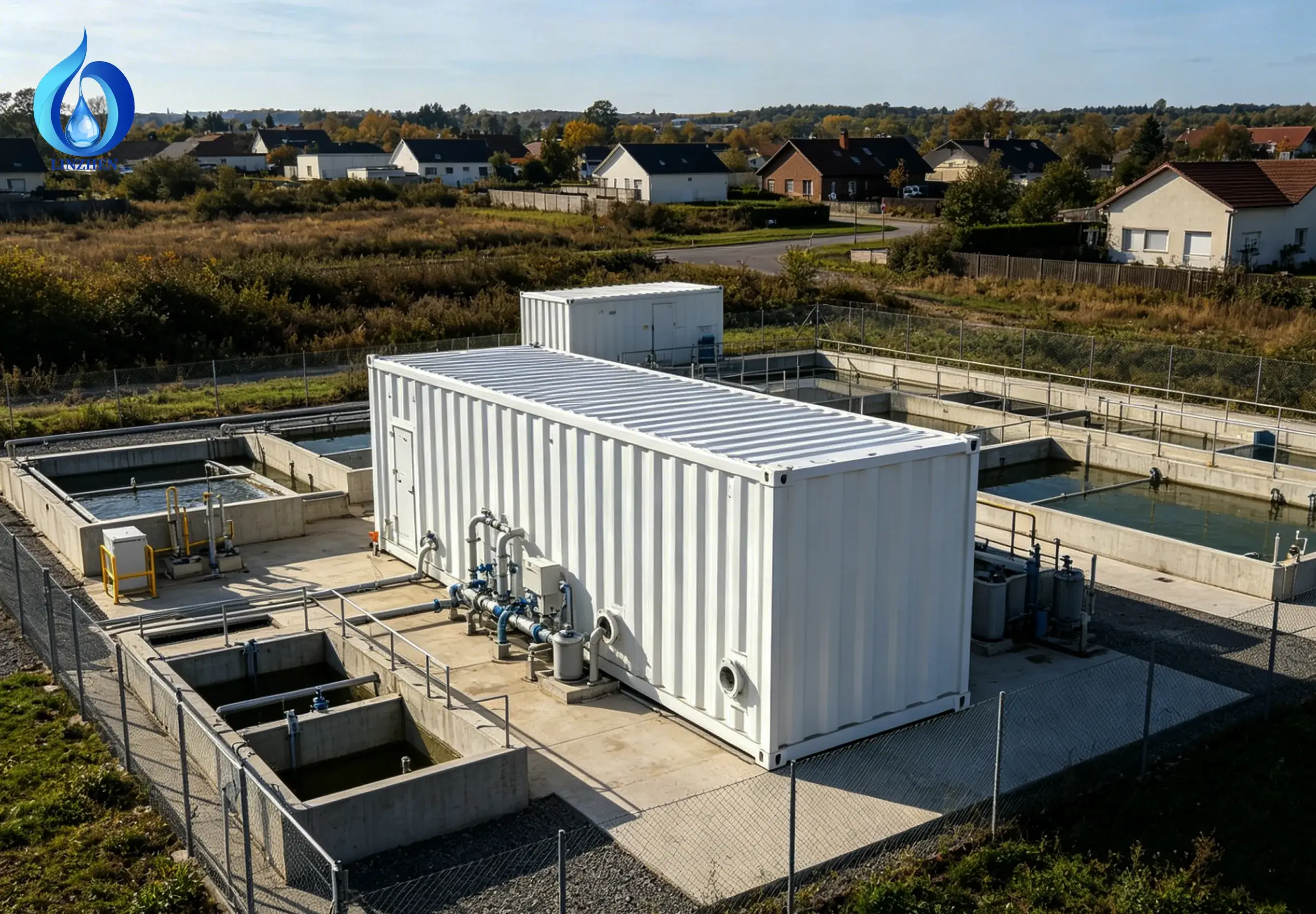
Key Elements of a Wastewater Treatment System Designed for Water Reuse
Building a reliable wastewater treatment system tailored for water reuse requires much more than simply adding an extra filter unit to an existing outlet. Engineers must design the complete process flow to accommodate changing influent streams, future capacity expansions, and strict quality demands for high-grade reclaimed water. An optimized wastewater treatment system integrates biological processes, chemical dosing, and advanced separation steps into a single cohesive network.
Whether retrofitting an existing plant or building a new facility, every industrial wastewater treatment project must strike a balance between capital expenditure and long-term operating costs. At Linzhen Wastewater Treatment, we specialize in configuring each customized wastewater treatment system to meet local environmental discharge limits while maximizing overall water reuse efficiency.
1. Scalable Modular Wastewater Treatment System Architecture
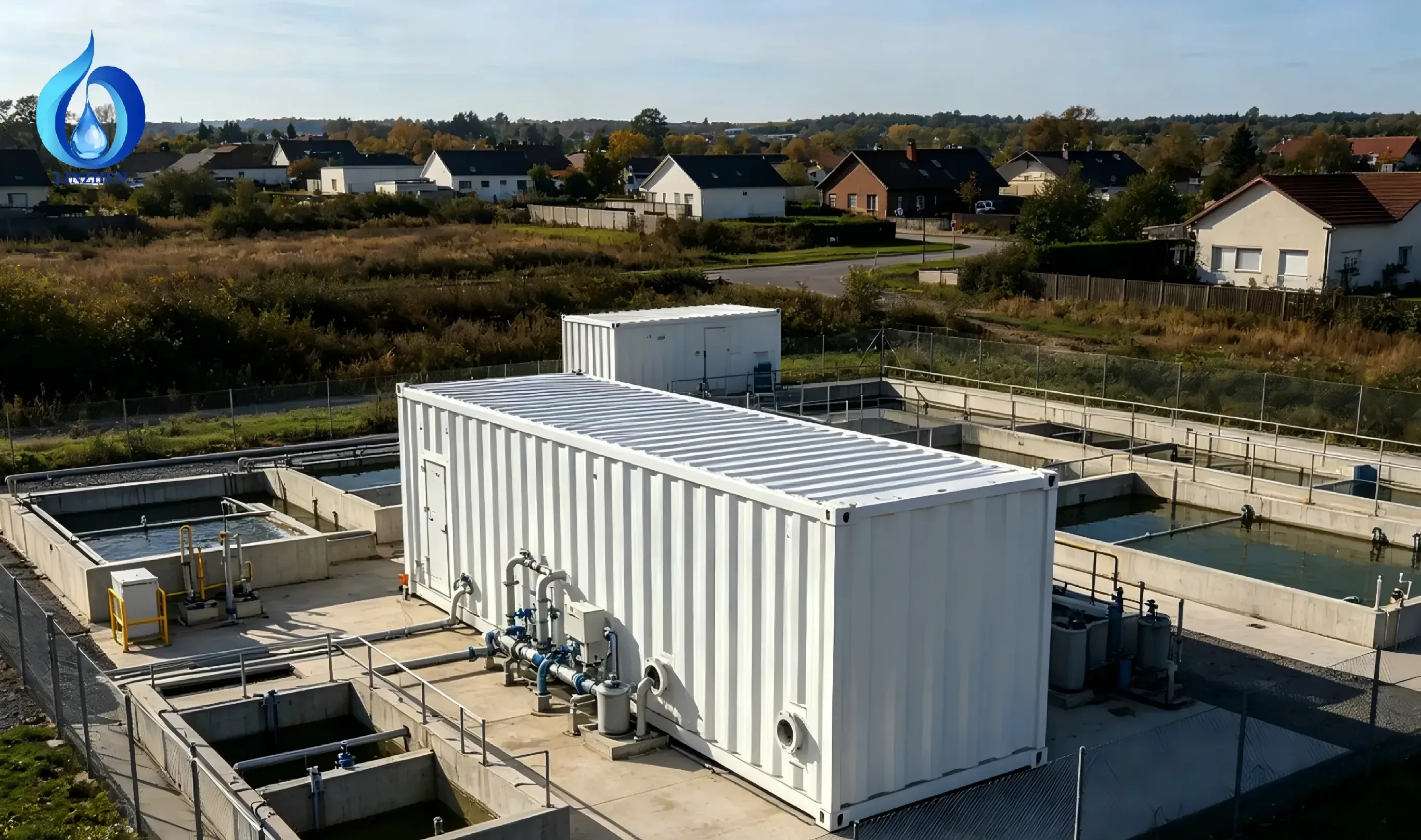
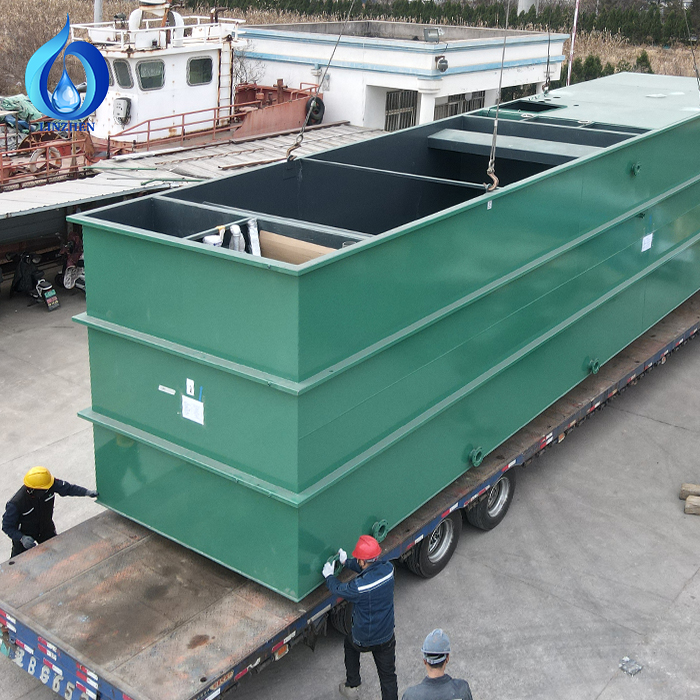
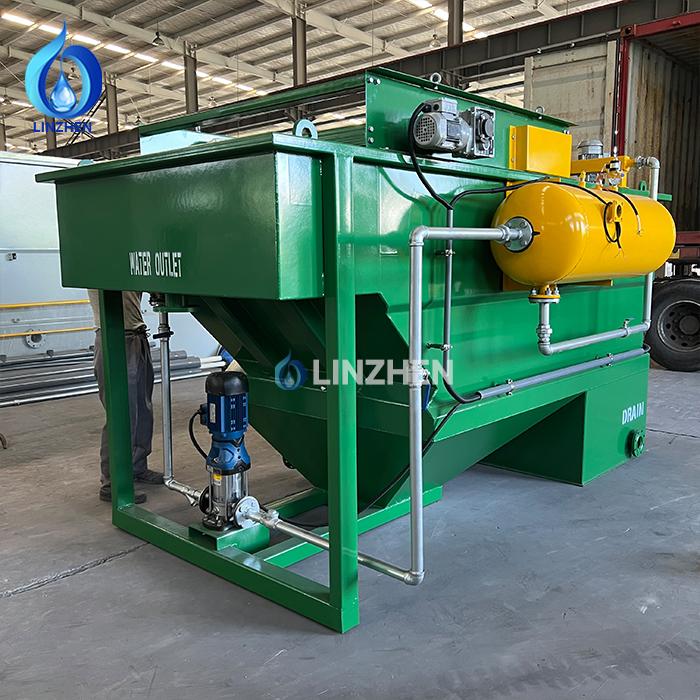
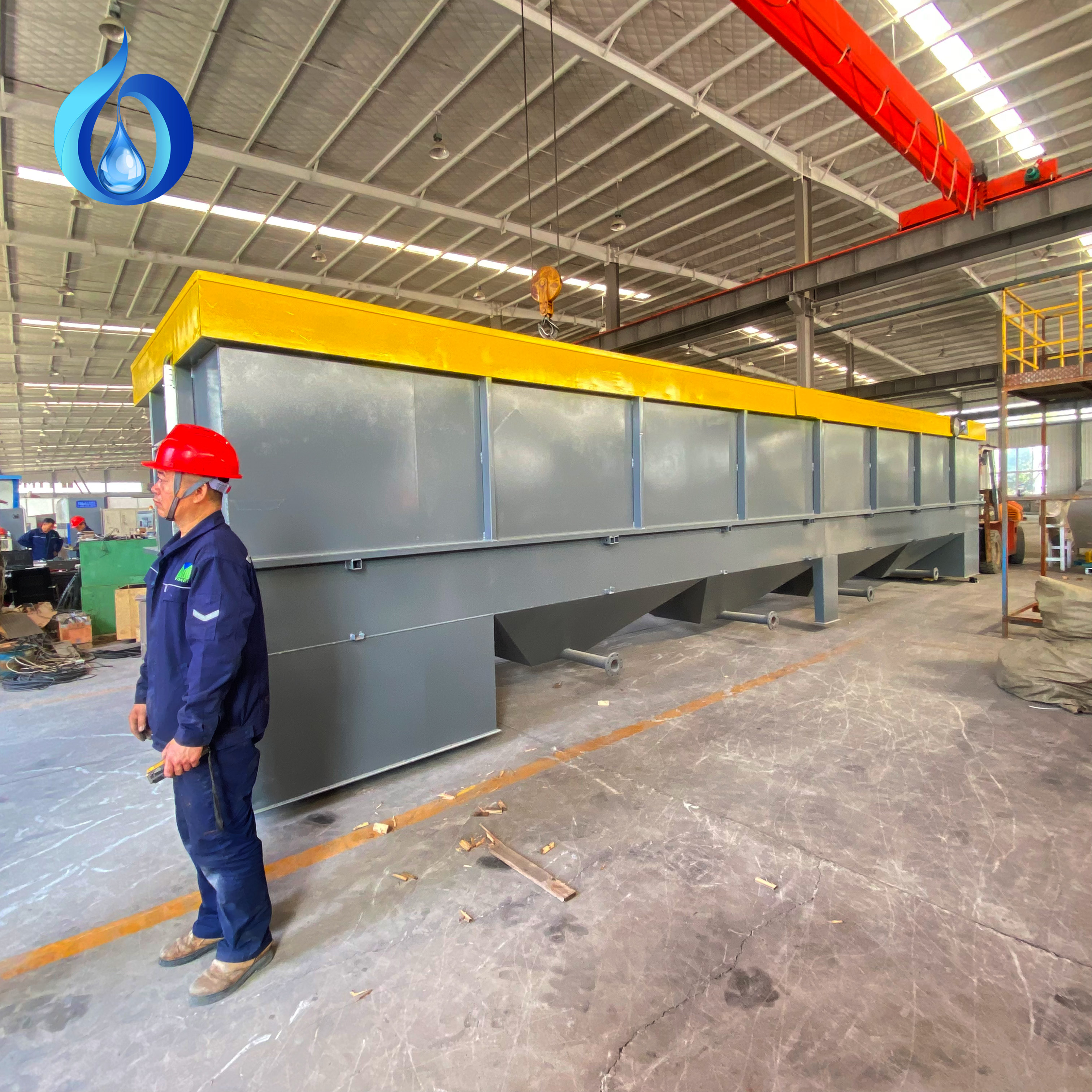
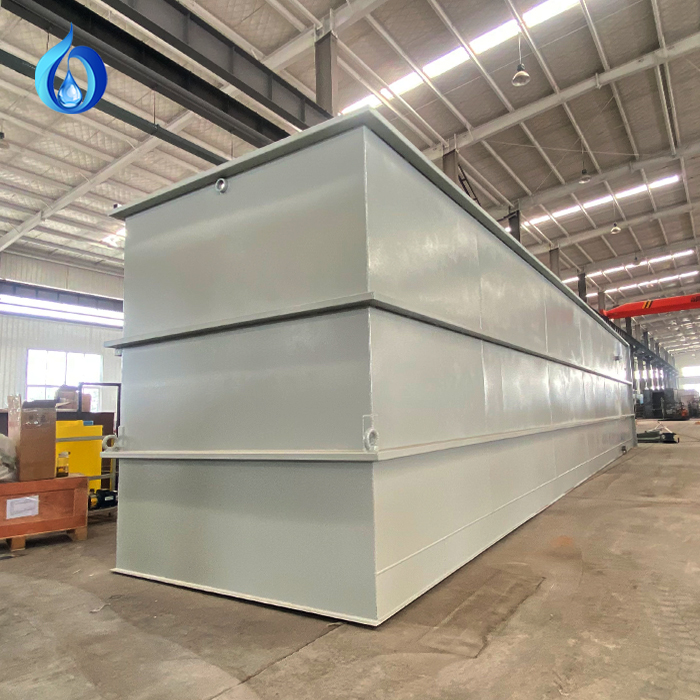
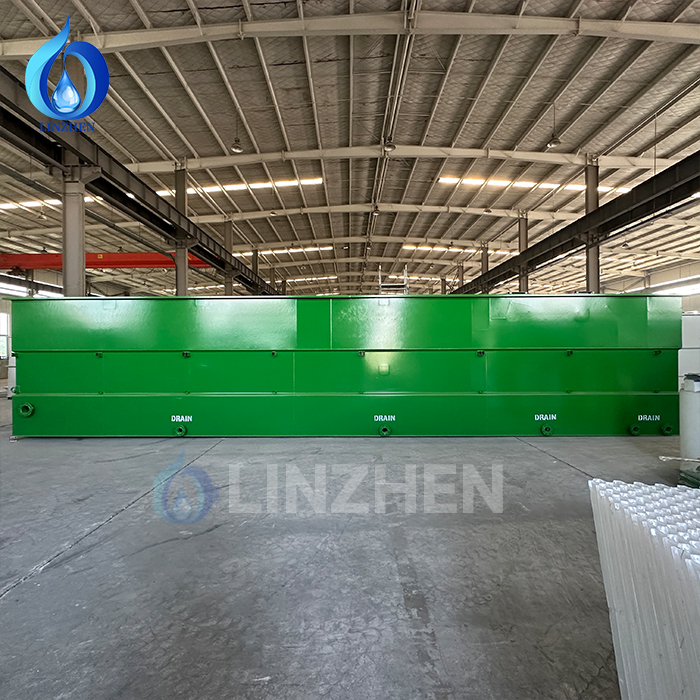
A modular wastewater treatment system gives plant owners the flexibility to scale operational capacity up or down without disrupting ongoing plant operations. By deploying containerized or skid-mounted units, operators can add advanced polishing processes as production scales. This adaptable wastewater treatment system layout ensures seamless integration of additional purification steps when regulations mandate higher standards for reclaimed water production.
2. High-Efficiency Biological Wastewater Treatment System Processes
Biological degradation is the foundational engine of any effective wastewater treatment system designed for water reuse. Utilizing advanced Moving Bed Biofilm Reactor (MBBR) or Membrane Bioreactor (MBR) modules allows a compact wastewater treatment system to reduce biological oxygen demand (BOD), chemical oxygen demand (COD), and nitrogen compounds efficiently. Establishing a robust biological stage prevents organic fouling in downstream polishing stages, protecting overall water reuse performance.
3. Precision Membrane Filtration in a Wastewater Treatment System
To transform treated effluent into crystal-clear reclaimed water, incorporating microfiltration, ultrafiltration (UF), or reverse osmosis (RO) is essential. A membrane filtration unit integrated within the overall wastewater treatment system effectively removes total suspended solids, fine particulates, bacteria, and dissolved salts. Utilizing membrane filtration ensures that the generated reclaimed water meets or exceeds strict industrial feed standards.
4. Smart Control Systems for Automated Wastewater Treatment System Operation
Consistent water quality output requires continuous monitoring and smart control. Modern sensors integrated throughout the automated wastewater treatment system measure pH, turbidity, dissolved oxygen, and conductivity in real time. This continuous feedback mechanism enables the automated wastewater treatment system to adjust chemical dosing pump speeds, blowers, and valves automatically, preventing operational downtime and minimizing manual labor requirements.
Long-Term Advantages of an Integrated Wastewater Treatment System
Investing in a modern, sustainable wastewater treatment system offers major economic and operational dividends over a typical 15-to-20-year operational lifecycle. Facilities that prioritize water reuse drastically cut down on municipal freshwater supply fees and effluent discharge surcharges. Furthermore, a resilient wastewater treatment system equips plants to navigate regional water restrictions effortlessly.
By combining robust biological treatment, scalable modular engineering, precise membrane filtration, and automated control systems, plant managers create a future-ready wastewater treatment system built for sustained performance. Adopting this holistic approach ensures consistent regulatory compliance while promoting closed-loop water reuse across all municipal wastewater treatment and industrial wastewater treatment applications.
Frequently Asked Questions
How does a wastewater treatment system enable effective water reuse?
A multi-stage wastewater treatment system purifies complex effluent streams through biological degradation, chemical precipitation, and advanced membrane filtration. This multi-barrier process removes suspended solids, dissolved organics, and pathogens, converting raw effluent into high-quality reclaimed water safe for industrial cooling towers, boiler feed, and secondary applications.
Why is membrane filtration essential in a modern wastewater treatment system?
Membrane filtration acts as a primary polishing barrier in a wastewater treatment system targeting water reuse. Technologies like ultrafiltration (UF) and reverse osmosis (RO) strip away micro-contaminants, bacteria, micro-pollutants, and dissolved salts that traditional settling tanks cannot catch, producing stable reclaimed water quality.
Can an existing wastewater treatment system be retrofitted for water reuse?
Yes. An older wastewater treatment system can be retrofitted by adding modular polishing units such as membrane filtration, activated carbon, or advanced oxidation skids. Upgrading biological aeration tanks and integrating automated PLC controls will also significantly enhance system capacity and reclaimed water output quality without necessitating complete plant rebuilding.
 EN
EN