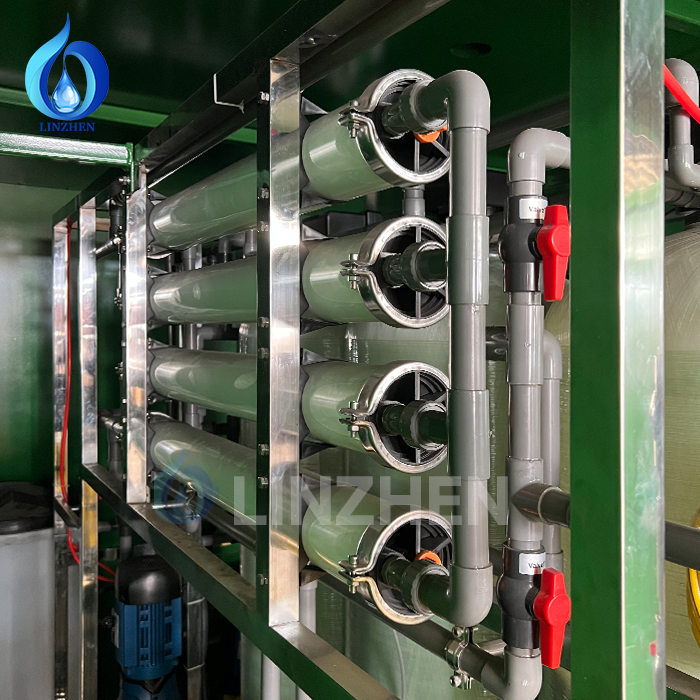
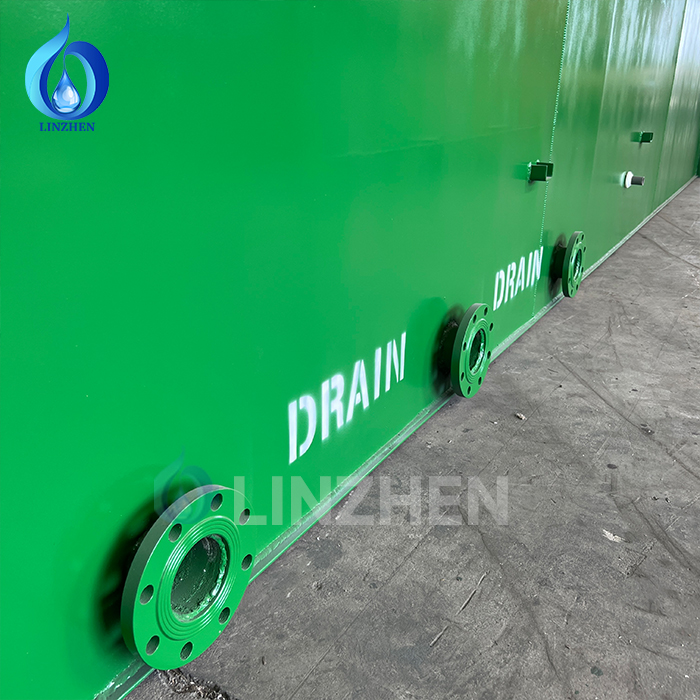
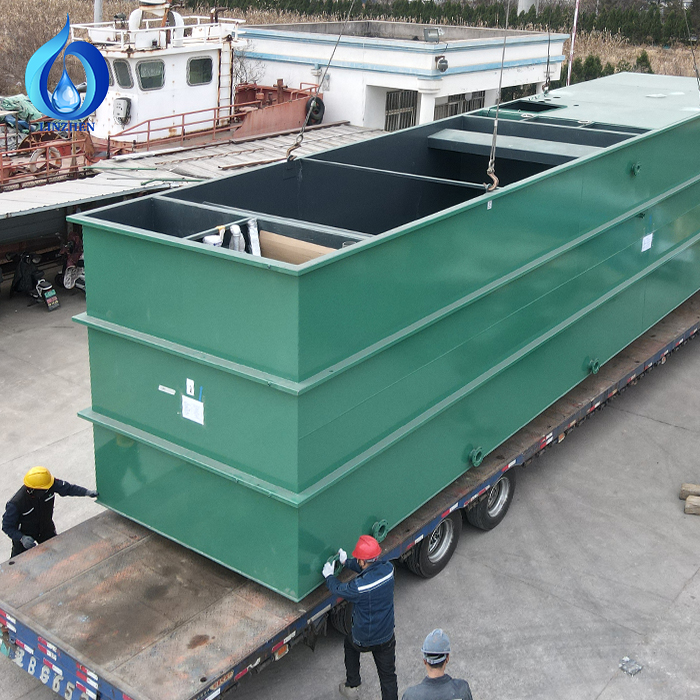
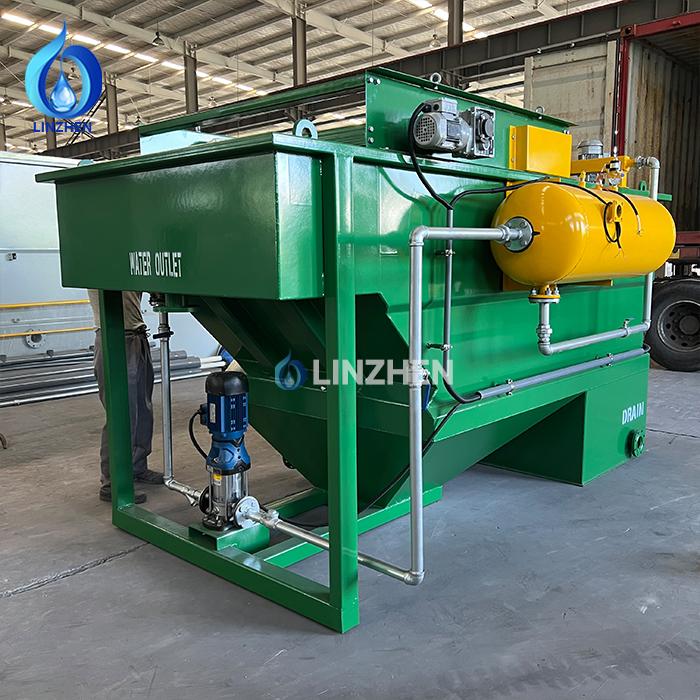
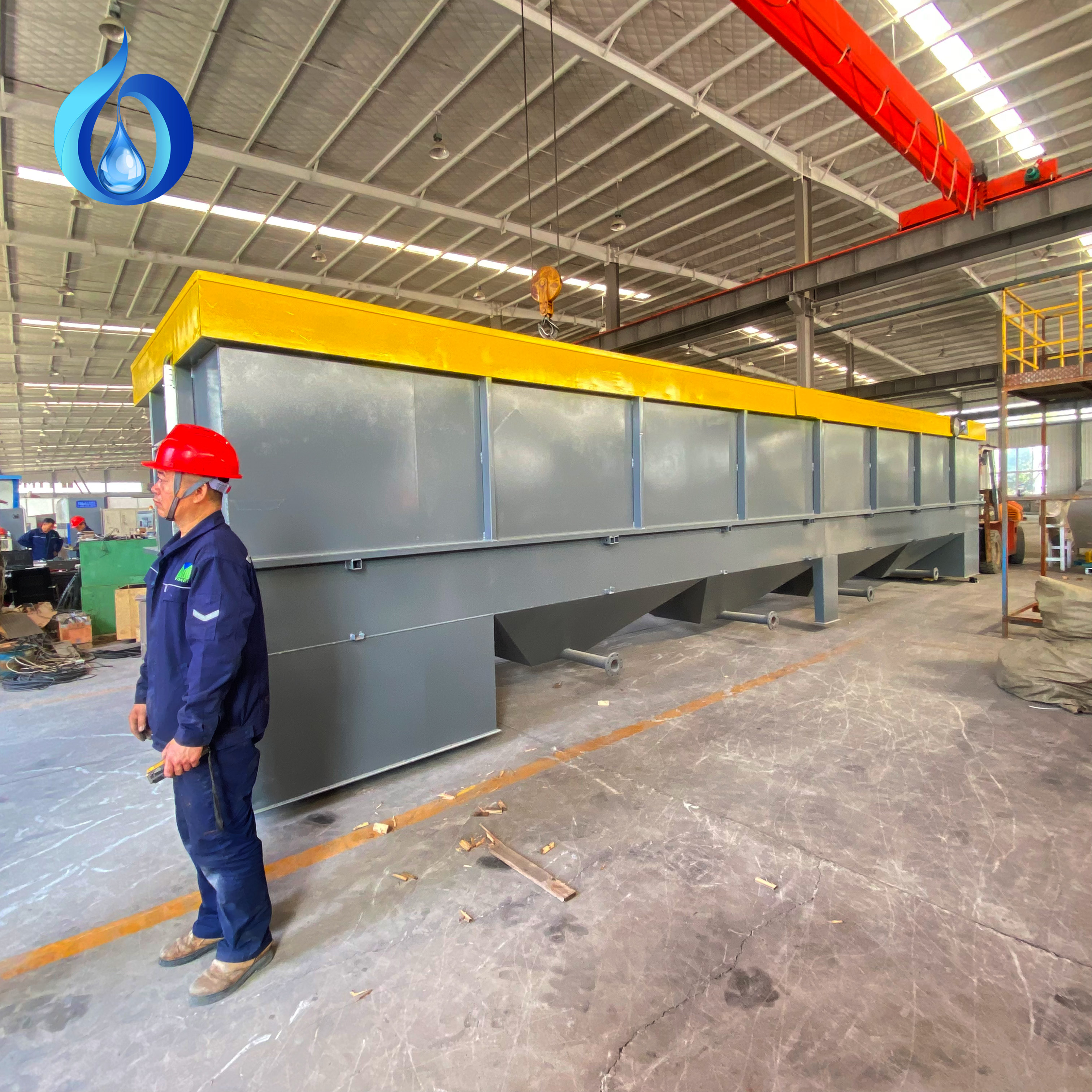
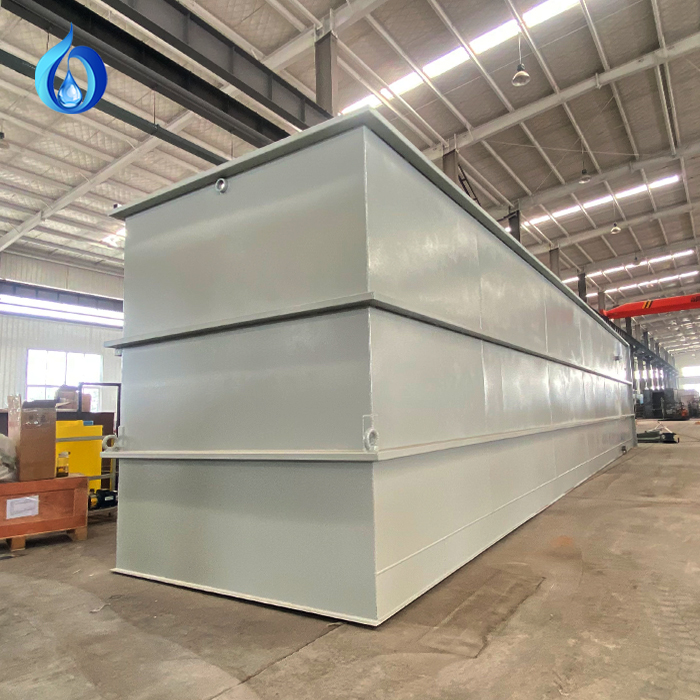
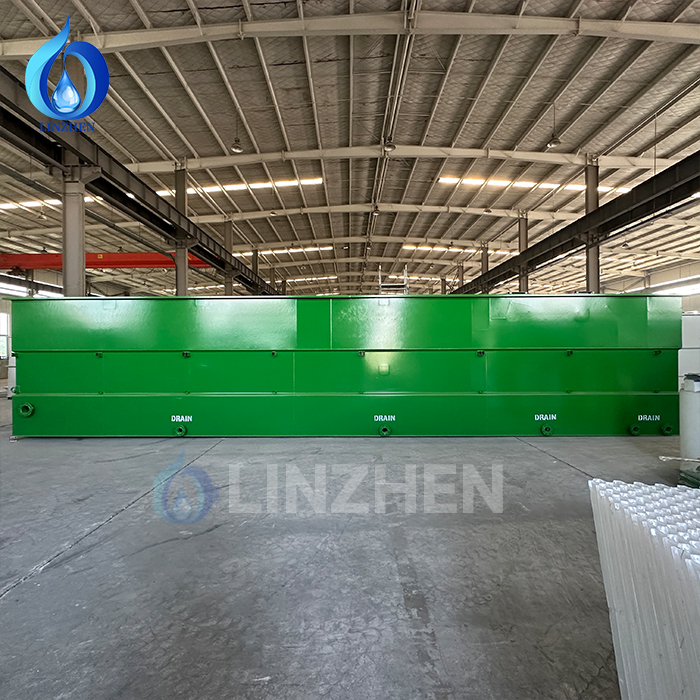
The question of whether public money should fund wastewater recycling systems continues to shape industrial policy and environmental strategy across manufacturing regions worldwide. Factories consume enormous quantities of fresh water, yet most discharge treated effluent without considering its potential reuse. A strategic wastewater recycling system transforms this linear waste model into a circular economy, where treated water returns to production processes. Public investment in a wastewater recycling system represents both an environmental imperative and an economic opportunity that warrants serious consideration from government bodies.
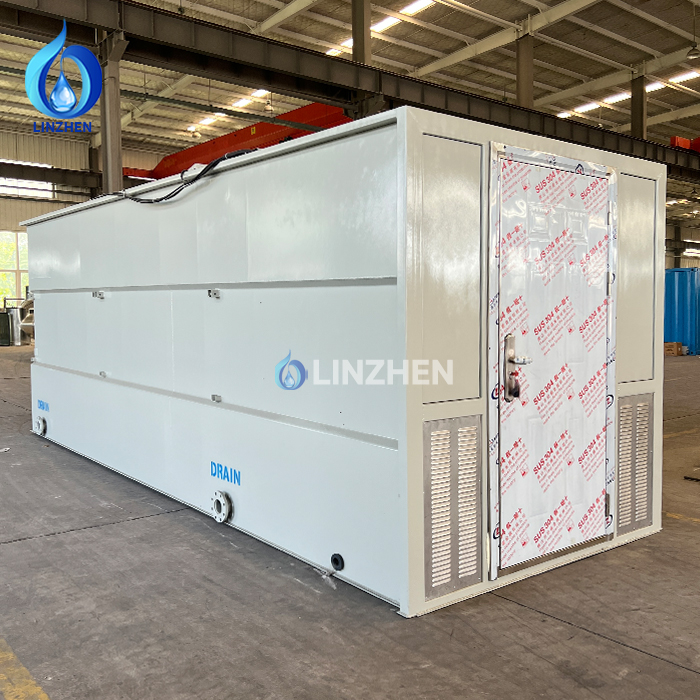
Implementing a wastewater recycling system requires substantial capital investment that often exceeds what individual factories can justify independently. Public funding mechanisms remove this financial barrier, enabling widespread adoption and creating measurable gains in water security, operational efficiency, and compliance with environmental regulations. When governments subsidize or co-fund a wastewater recycling system, they catalyze industrial transformation that benefits manufacturers, communities, and water resources simultaneously.
The Economic Case for Public Investment in Wastewater Recycling Systems
Reducing Long-Term Infrastructure Costs
A wastewater recycling system eliminates reliance on distant water sources and reduces discharge fees that manufacturers must pay. Over a 10 to 20-year horizon, factories operating a wastewater recycling system recover roughly 40 to 60 percent of their input water, directly lowering operational costs. Public funding accelerates this payback period, allowing manufacturers to redirect capital toward core production investments. When regional water scarcity threatens industrial viability, a wastewater recycling system becomes essential infrastructure that public money should reasonably support.
Job Creation and Supply Chain Resilience
Establishing a wastewater recycling system within an industrial zone creates local employment in construction, maintenance, monitoring, and process optimization. Suppliers of treatment equipment, automation systems, and monitoring technology build sustainable businesses around a wastewater recycling system. Public funding concentrates investment geographically, establishing regional expertise hubs that attract further industrial development. Manufacturing clusters with robust a wastewater recycling system gain competitive advantage in sectors sensitive to water availability, drawing investment and expanding employment.
Environmental and Social Benefits Justifying Public Support
Water Resource Protection and Community Resilience
Factories using groundwater or surface water reduce extraction pressure when they operate a wastewater recycling system, protecting aquifers and river systems that serve surrounding communities. A wastewater recycling system can reduce industrial water demand by 30 to 50 percent, preserving freshwater for domestic use and agriculture in water-stressed regions. Public funding ensures equitable distribution of this benefit rather than confining it to wealthy manufacturers who can afford independent solutions. Communities adjacent to manufacturing zones benefit directly from a wastewater recycling system, receiving cleaner waterways and more stable long-term water supplies.
Regulatory Compliance and Pollution Reduction
Stringent discharge regulations increasingly require factories to treat effluent to near-drinking-water standards, making a wastewater recycling system practically mandatory rather than optional. Public funding bridges the gap between regulatory requirements and manufacturer budgets, ensuring compliance without bankrupting smaller operations. A wastewater recycling system removes pollutants, heavy metals, and organic contaminants before water enters natural systems, preventing ecosystem damage and associated cleanup costs borne by taxpayers. Proactive public investment in a wastewater recycling system avoids expensive remediation projects and regulatory fines later.
Implementation Challenges and Public Funding Solutions
Technical Expertise and Technology Transfer
A wastewater recycling system requires sophisticated monitoring, membrane technology, chemical dosing systems, and automation expertise that many manufacturing regions lack. Public funding enables government agencies or research institutions to coordinate wastewater recycling system design, provide training, and maintain quality standards across multiple users. Shared technical support reduces per-factory costs and accelerates adoption of proven wastewater recycling system technologies. Government-backed a wastewater recycling system also attracts international technology partners and facilitates knowledge exchange.
Risk Mitigation and Financial Accessibility
Individual manufacturers hesitate to invest heavily in a wastewater recycling system due to upfront costs and uncertain payback periods. Public funding or subsidy programs convert a wastewater recycling system from a capital burden into an accessible opportunity, particularly for small and medium-sized factories that serve supply chains for larger corporations. Risk-sharing models where government co-funds a wastewater recycling system with factories reduce individual exposure and encourage broader participation. When public money lowers entry barriers, adoption of a wastewater recycling system accelerates, creating network effects where early adopters share operational knowledge with peers.
FAQ
What percentage of water can a wastewater recycling system recover for reuse?
Most industrial wastewater recycling system designs recover between 40 and 70 percent of input water depending on treatment processes, source water quality, and reuse applications. Advanced membrane technologies within a wastewater recycling system can achieve higher recovery rates, though energy costs rise accordingly. The actual percentage varies by industry, with food processing, textiles, and chemicals typically achieving recovery rates around 50 to 60 percent through a well-designed wastewater recycling system.
How does public funding accelerate wastewater recycling system adoption compared to private investment alone?
Public funding removes capital barriers that prevent smaller factories from installing a wastewater recycling system individually. Subsidies or co-funding models make a wastewater recycling system economically viable within shorter payback periods, encouraging widespread adoption. Centralized government support also enables shared infrastructure where multiple factories feed into one large wastewater recycling system, reducing per-unit costs below what individual installations could achieve.
Can a wastewater recycling system improve factory competitiveness in global supply chains?
Yes, manufacturers operating a wastewater recycling system reduce production costs through lower water and discharge fees, improving price competitiveness. Many international buyers and regulators now require suppliers to demonstrate water stewardship and sustainability practices, making a wastewater recycling system a qualification criterion. A wastewater recycling system also enhances supply chain resilience by reducing dependence on external water sources that may become restricted or expensive during scarcity periods.
 EN
EN