Rapid population growth and urban development have intensified environmental pressure on natural surface water resources across Southeast Asia. Implementing structured river restoration Philippines projects has become an urgent national priority to combat severe water clarity degradation, foul emissions, and biological oxygen depletion across local waterways. Without dedicated river restoration Philippines strategies, contaminated urban rivers generate severe public health hazards, destroy native aquatic life, and hinder local economic growth. Comprehensive river restoration Philippines frameworks depend on uniting scientific diagnostics, modern engineering design, and highly efficient integrated wastewater treatment systems to rebuild natural aquatic ecosystems fast.
Comprehensive Water Diagnostics for River Restoration Philippines
Every effective river restoration Philippines initiative relies on systematic water sampling and precise laboratory testing before selecting equipment. Environmental engineering teams preparing a river restoration Philippines project conduct detailed parameter monitoring to evaluate organic pollutant loading, oxygen consumption behavior, and biological self-purification limits.
Key diagnostic parameters evaluated during a river restoration Philippines feasibility study include:
- COD and BOD5 Assessment: Evaluating Chemical Oxygen Demand and Five-Day Biochemical Oxygen Demand helps engineers baseline total organic contamination, guiding the sizing of biological purification reactors within any river restoration Philippines program.
- Targeted Ammonia Nitrogen Removal: Excess ammonia concentrations deplete dissolved oxygen rapidly and cause severe odors; achieving continuous ammonia nitrogen removal serves as a primary metric for successful river restoration Philippines operations.
- Dissolved Oxygen and ORP Monitoring: Measuring Dissolved Oxygen (DO) and Oxidation-Reduction Potential (ORP) provides vital insight into anaerobic conditions, allowing specialists to design optimal continuous aeration systems for river restoration Philippines sites.
In the tropical climate of the Philippines, high year-round ambient temperatures dramatically accelerate microbial metabolic rates and organic decay. Consequently, basic physical dredging or seasonal floating aeration alone cannot maintain long-term ecosystem health. Sustainable river restoration Philippines strategies demand a multi-barrier approach that couples active black odor river treatment with continuous microbial breakdown.
Integrated Wastewater Treatment Engineering in River Restoration Philippines
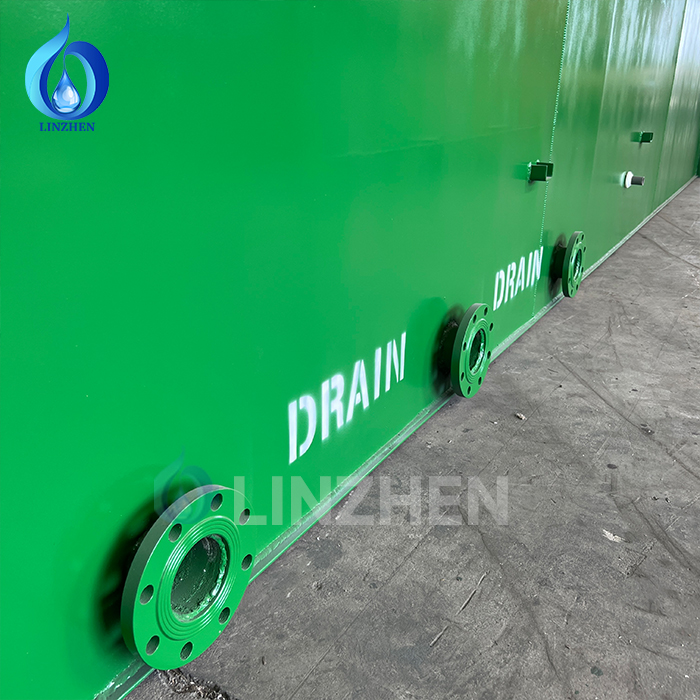
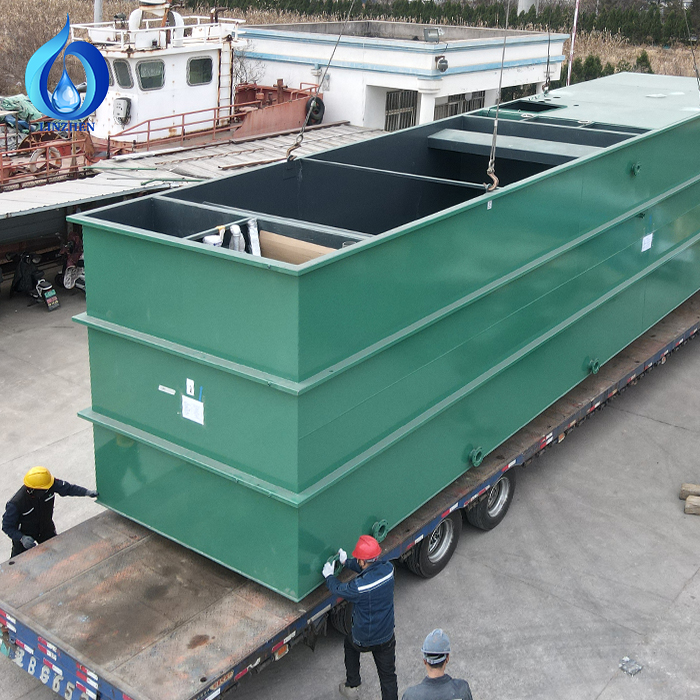
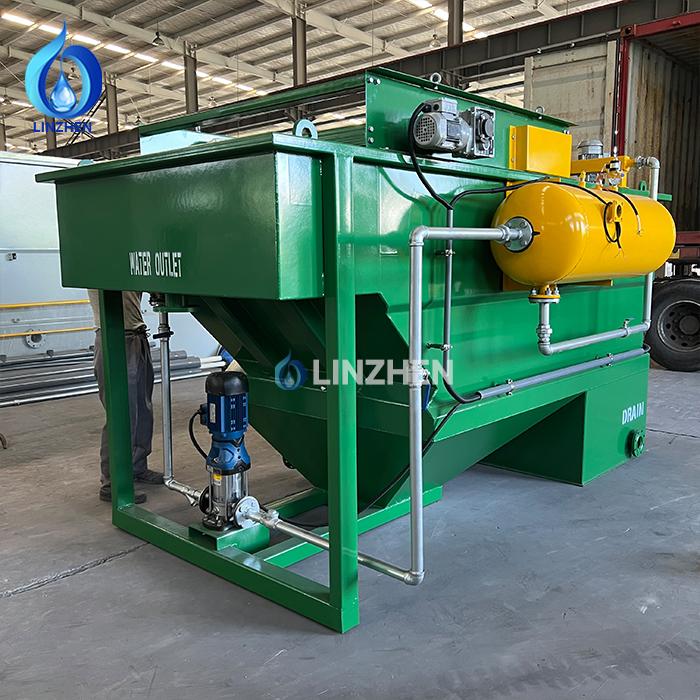
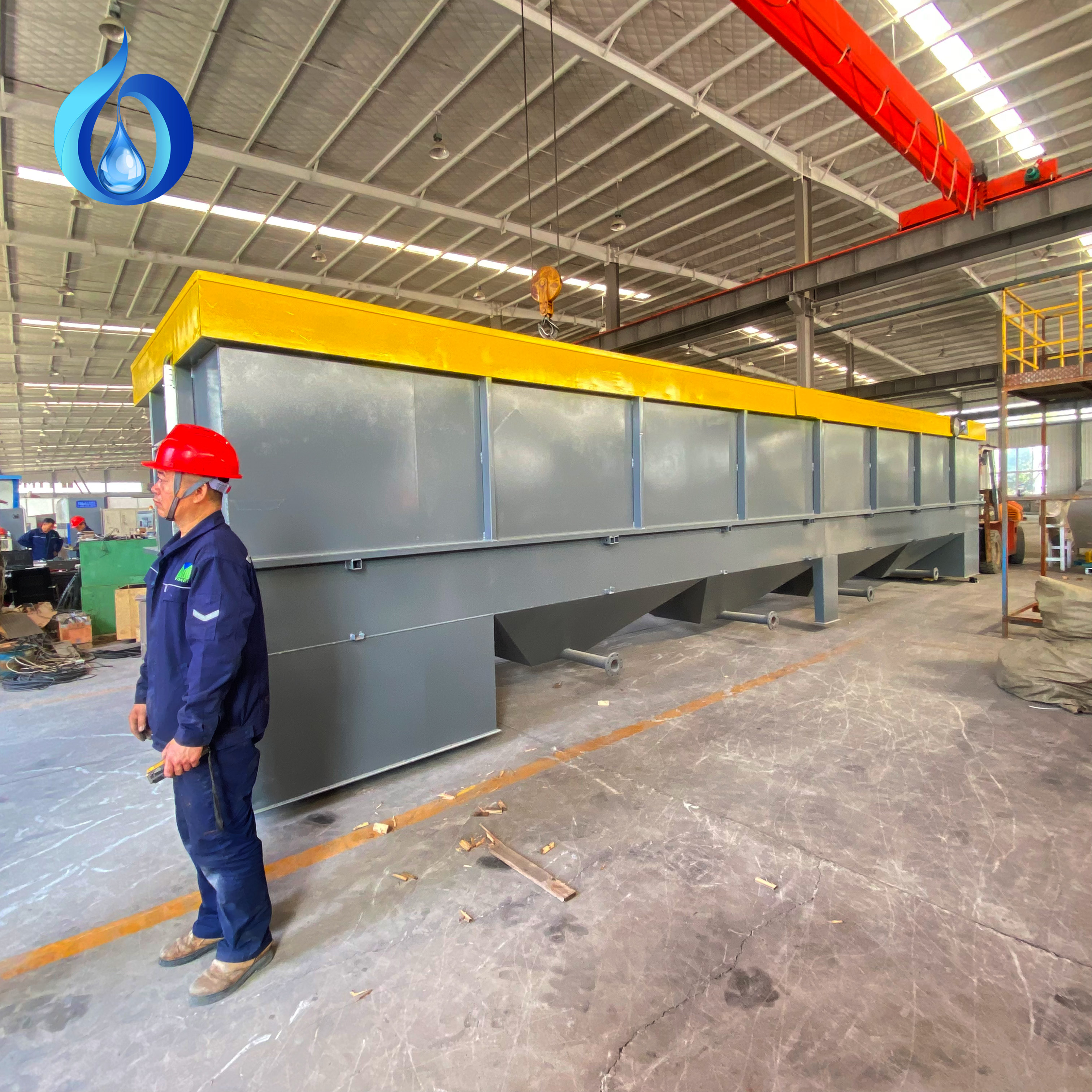
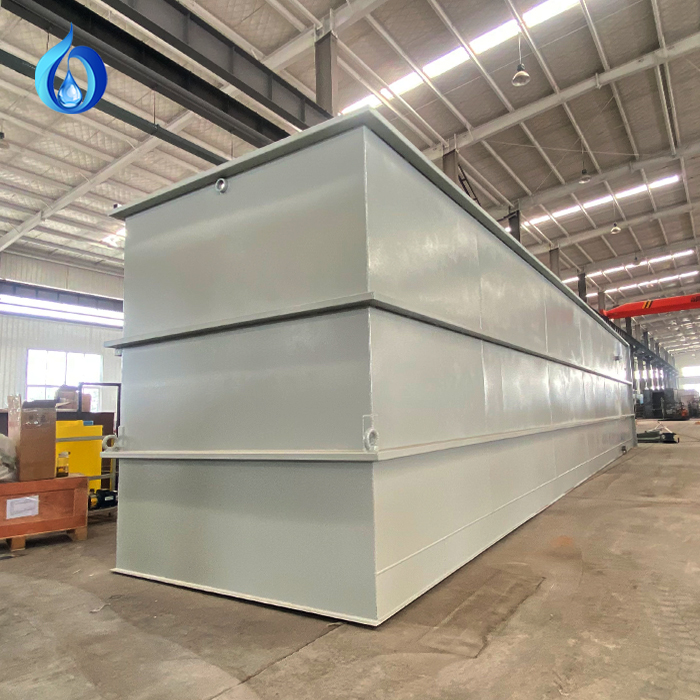
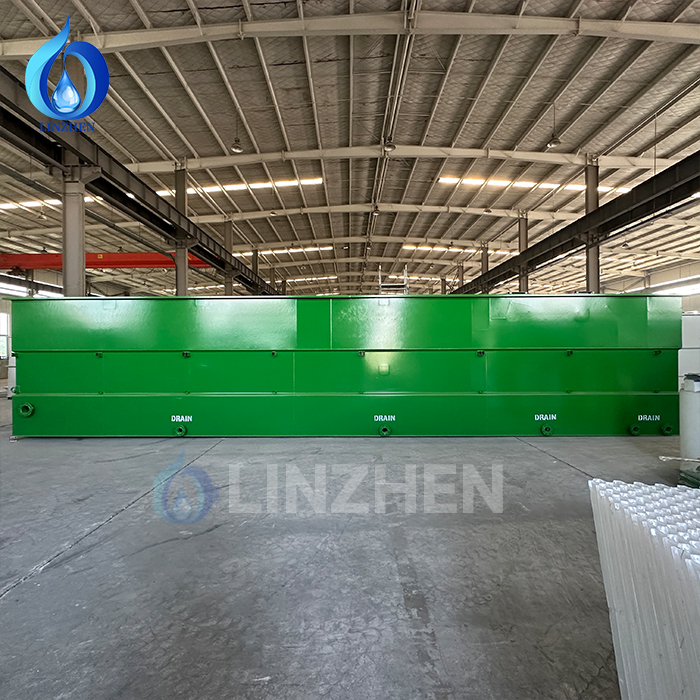
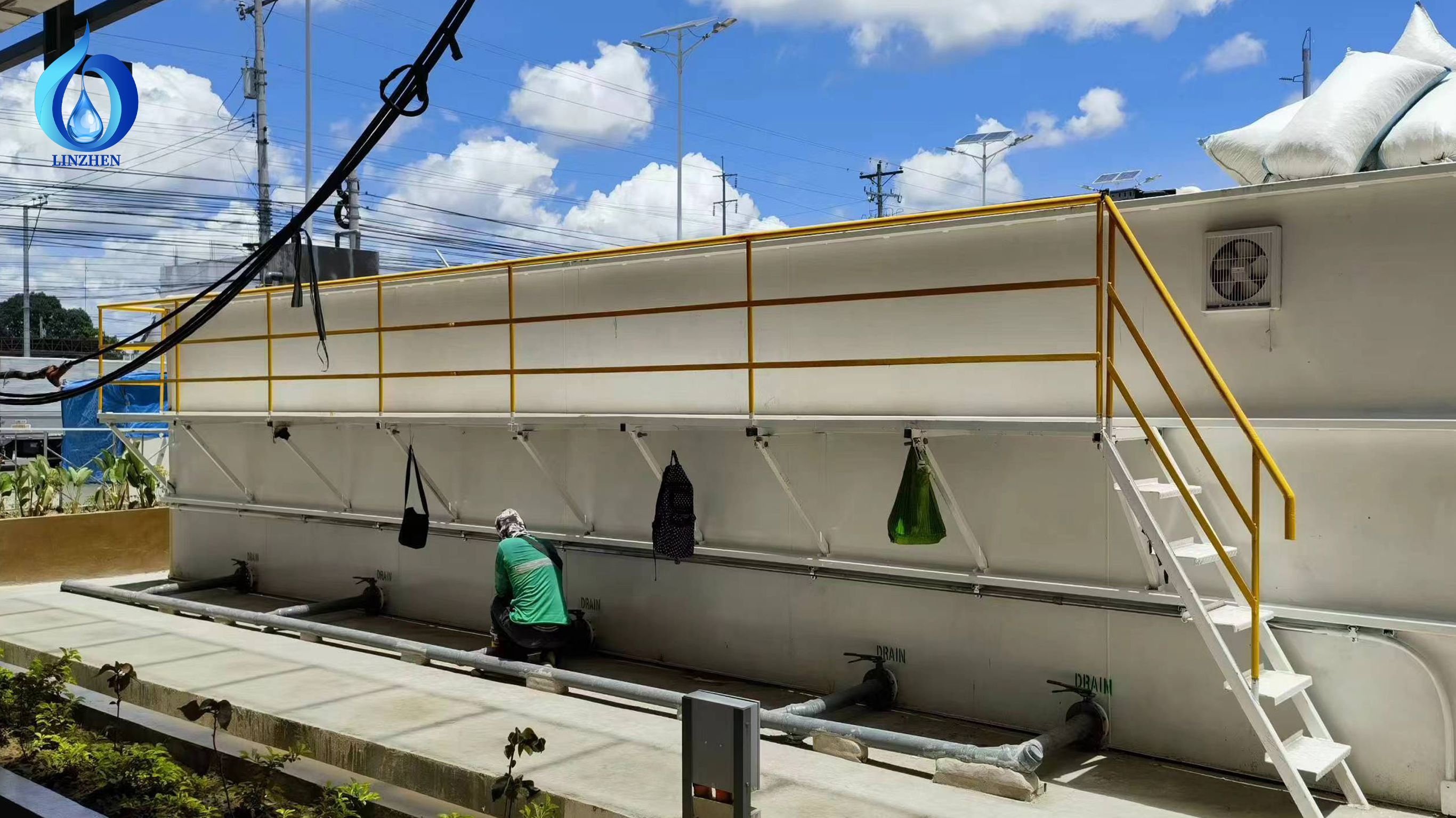
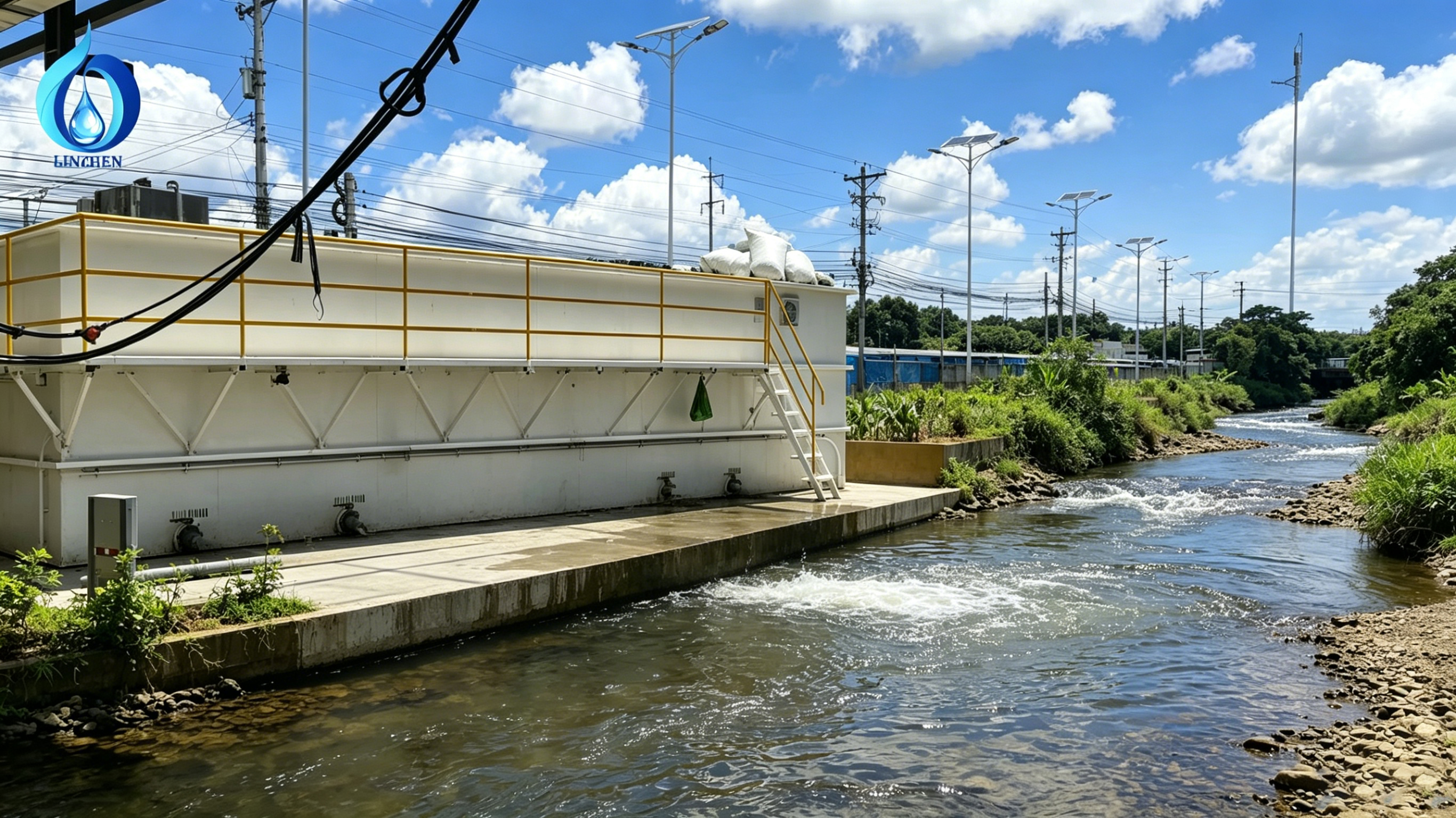
Geographical and spatial restrictions along crowded riverbanks necessitate compact engineering solutions designed specifically for river restoration Philippines requirements. Deploying high-efficiency integrated wastewater treatment plants enables centralized purification performance within a compact modular footprint, making them ideal for urban decentralized sewage treatment applications.
Core technical advantages driving successful river restoration Philippines installations include:
1. High-Density Biofilm Carriers (MBBR / MBR Integration): Integrating biological Moving Bed Biofilm Reactor (MBBR) or Membrane Bioreactor (MBR) processes provides high active surface areas for nitrifying bacteria. This dramatically speeds up organic degradation and ensures rapid ammonia nitrogen removal during critical phases of river restoration Philippines projects.
2. Pre-engineered Containerized System Design: Modularity allows equipment units to be prefabricated in factory environments and rapidly deployed on-site. Containerized solutions reduce on-site civil construction schedules by up to 40%, accelerating project delivery for time-sensitive river restoration Philippines schemes and remote decentralized sewage treatment networks.
3. Automated PLC System Oversight: Advanced Programmable Logic Controller (PLC) systems continuously monitor operating flow rates, dissolved oxygen levels, and chemical dosing. Real-time telemetry optimizes operational costs and maximizes performance across active black odor river treatment plants tied to river restoration Philippines missions.
Technical Specifications Matrix for River Restoration Philippines Equipment
The following technical parameters demonstrate standard engineering specifications for modular treatment plants configured for river restoration Philippines applications and regional integrated wastewater treatment installations:
| System Metric |
River Restoration Philippines Specification Details |
| Hourly Treatment Rate |
Up to 20,000 L/h designed for continuous river restoration Philippines work |
| Daily Operational Capacity |
1 – 500 m³/h flexible modular sizing for decentralized sewage treatment |
| Primary Process Technologies |
DAF, MBBR, MBR, SBR, Anoxic/Oxic (A/O) engineered for black odor river treatment |
| Control and Automation |
Fully Automatic PLC control custom-built for river restoration Philippines plants |
| Voltage Standardization |
220V – 480V configured to match local Philippine utility grid standards |
| Core Mechanical Hardware |
Pumps, Roots Blowers, Bio Media, Membranes for integrated wastewater treatment |
| Construction Materials |
Corrosion-resistant epoxy-coated Carbon Steel or Marine Grade Stainless Steel |
| Target Contaminant Removal |
High-efficiency COD, BOD, TSS, Oil & Grease, and ammonia nitrogen removal |
| Safety & Compliance Standards |
CE, ISO9001, SABER certified safety standards for river restoration Philippines |
| Warranty & Lifecycle Support |
1-Year Warranty with lifetime technical guidance for river restoration Philippines systems |
Environmental Rehabilitation Outcomes in River Restoration Philippines
Deploying advanced integrated wastewater treatment units yields measurable environmental improvements across active river restoration Philippines sites. Within three to six months of starting operations, field monitoring stations across river restoration Philippines zones record clear ecological recovery milestones:
- Water Clarity and Transparency Restoration: Fine suspended solids and organic sludge are efficiently removed, significantly enhancing water clarity throughout river restoration Philippines target zones.
- Rapid Odor Abatement: Continuous ammonia nitrogen removal eliminates volatile sulfur compounds and noxious odors typical of anaerobic black odor river treatment challenges.
- Dissolved Oxygen and Biodiversity Rebound: Sustained dissolved oxygen recovery enables natural aerobic bio-cycles to resume, allowing native fish, aquatic plants, and beneficial microorganisms to recolonize water bodies undergoing river restoration Philippines management.
Strategic Application Scenarios for River Restoration Philippines
The demand for adaptable river restoration Philippines solutions spans multiple key sectors across the nation:
Dense Urban Communities: Compact decentralized sewage treatment plants solve space constraints in crowded barangays along narrow river corridors, facilitating effective community-level river restoration Philippines projects.
Industrial Park Upgrades: Commercial manufacturing zones utilize modular integrated wastewater treatment plants aligned with local river restoration Philippines environmental guidelines to achieve zero liquid discharge or clean water reuse targets.
Ecological Tourism Protection: Premier island destinations such as Boracay, Palawan, and Cebu rely on low-noise, compact black odor river treatment modules, securing long-term river restoration Philippines gains while protecting critical coastal tourism assets.
Achieving long-term success in any river restoration Philippines program requires combining scientific water quality analysis with dependable integrated wastewater treatment systems. Contact our specialized engineering team today to request site assessments, detailed technical proposals, and custom equipment designs tailored for your river restoration Philippines initiative.
 EN
EN