 EN
EN
Our Key Advantages
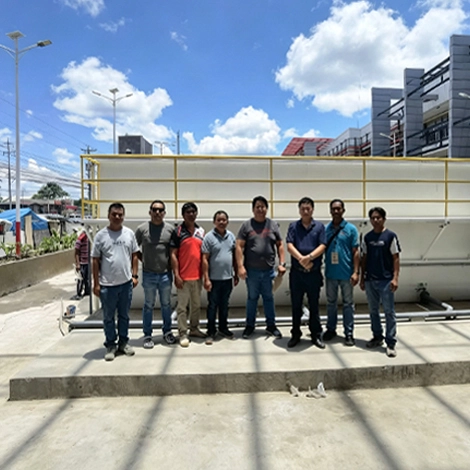
Successfully delivered wastewater treatment projects across multiple countries and industries. With an extensive project portfolio, we possess in‑depth knowledge of local environmental regulations and wastewater characteristics.
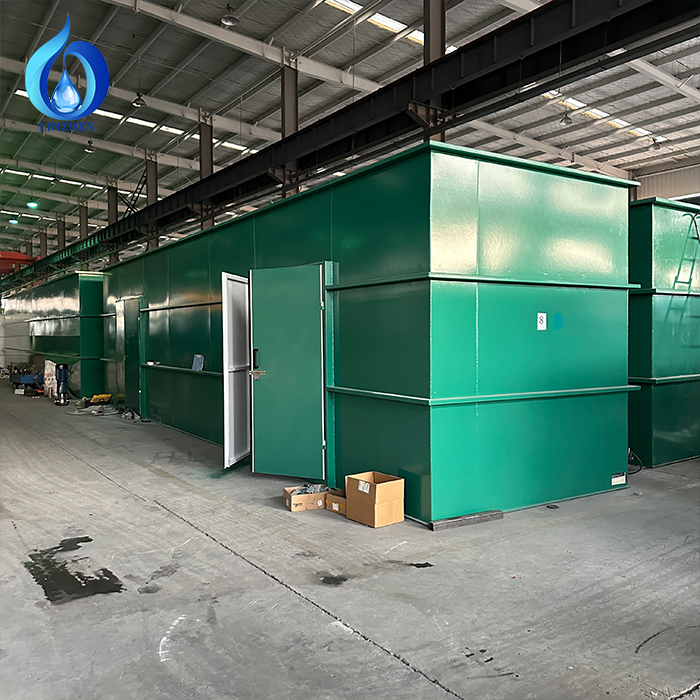
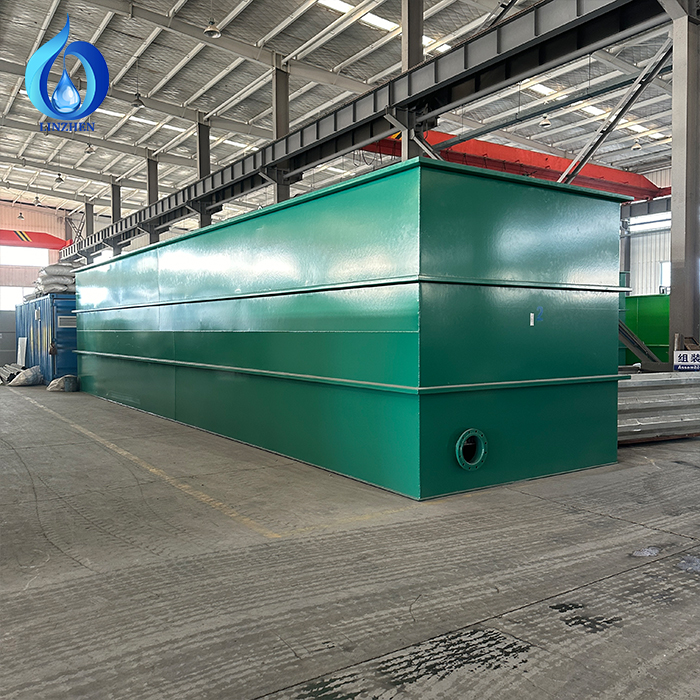
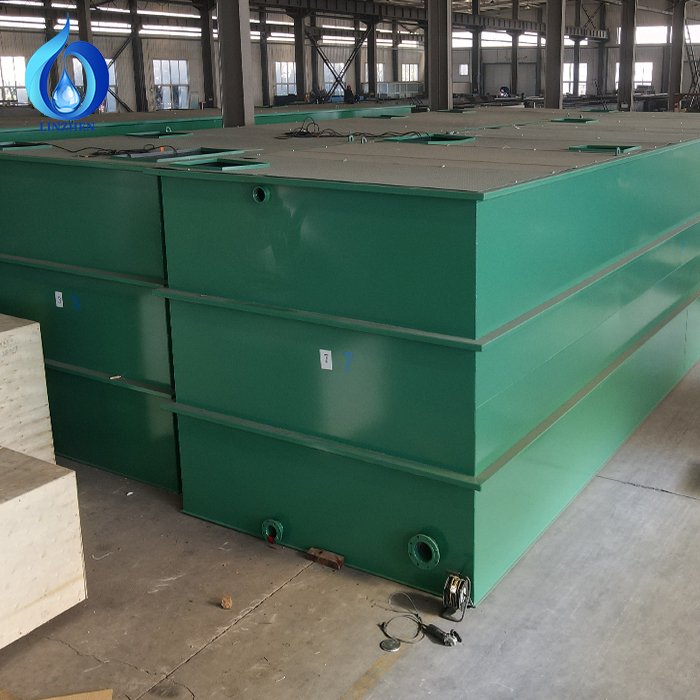
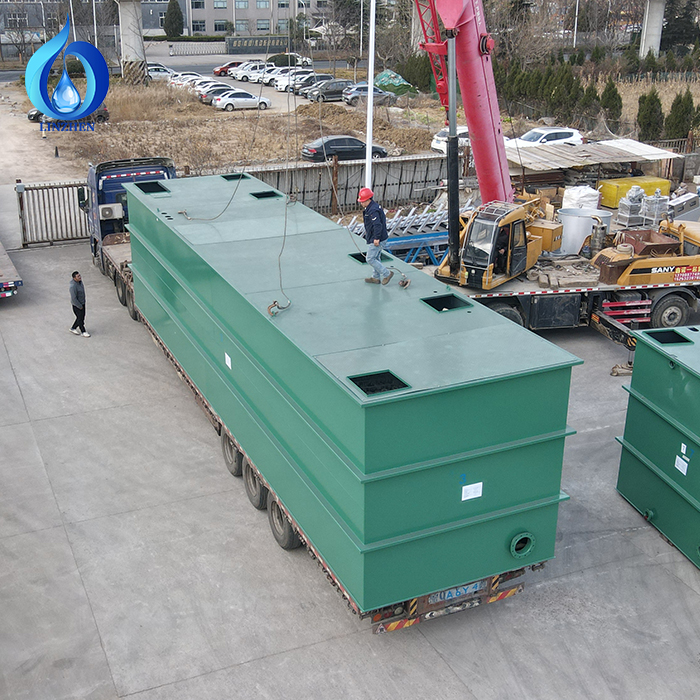
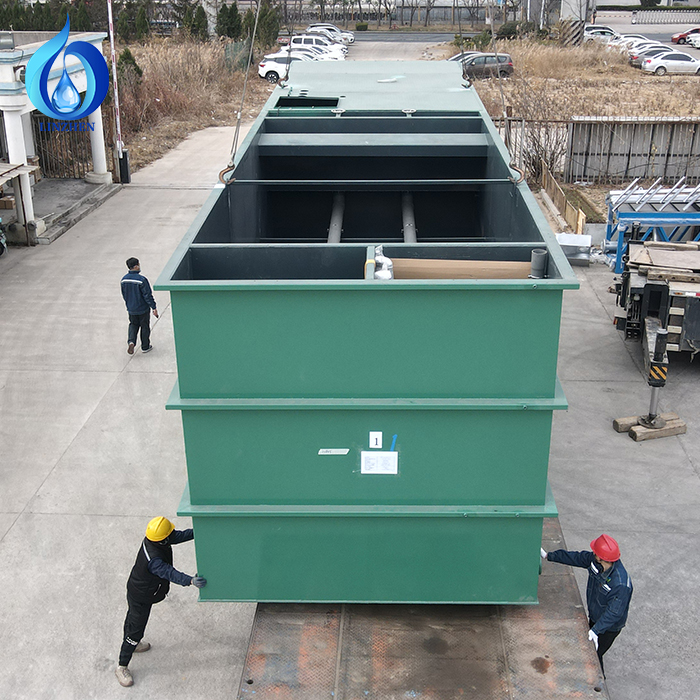
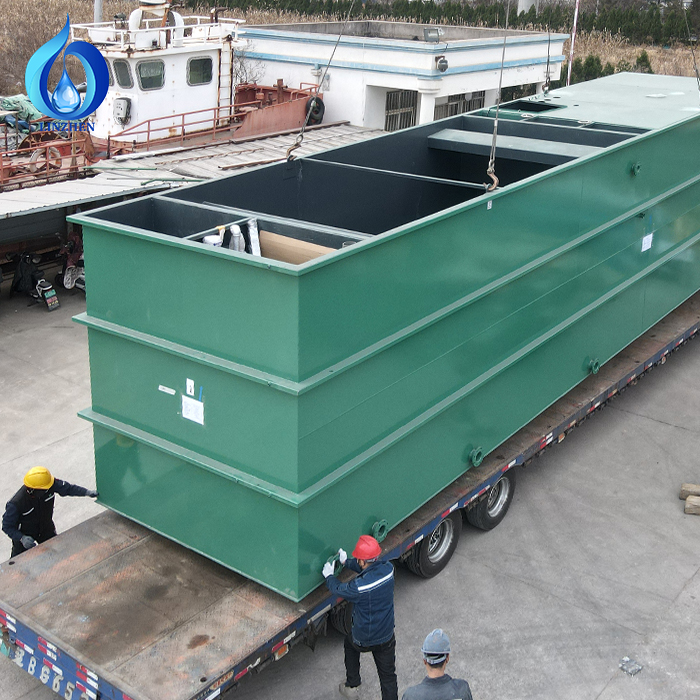
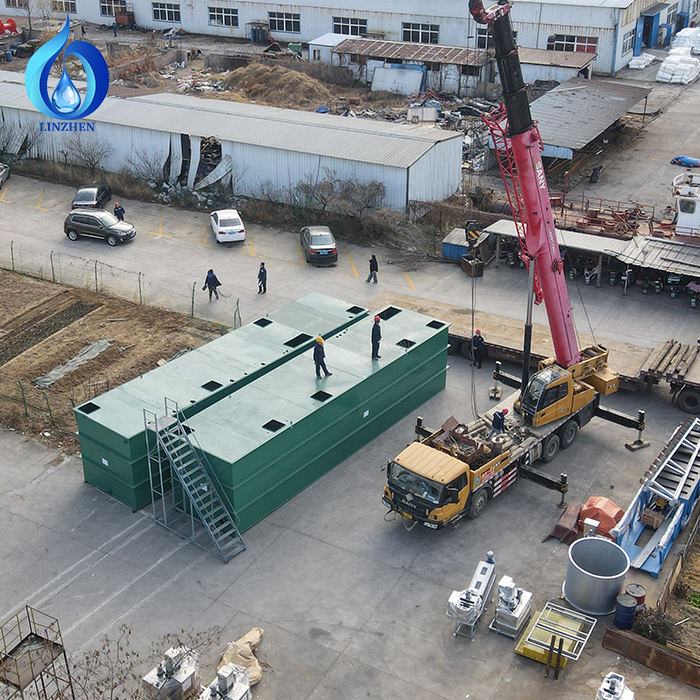
· Optional tank materials: FRP fiberglass, rubber-lined carbon steel, 304/316 stainless
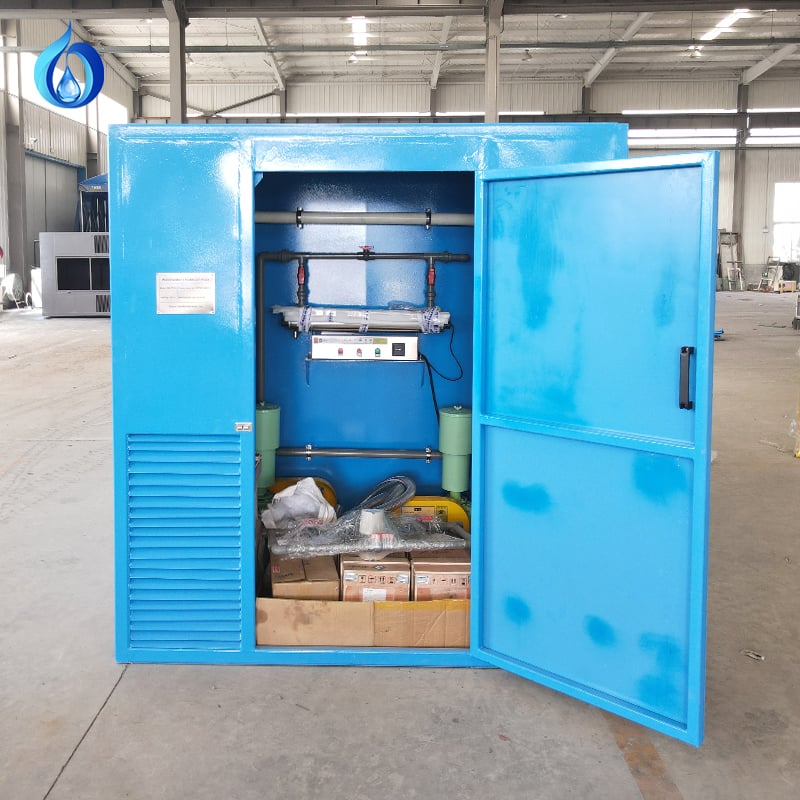
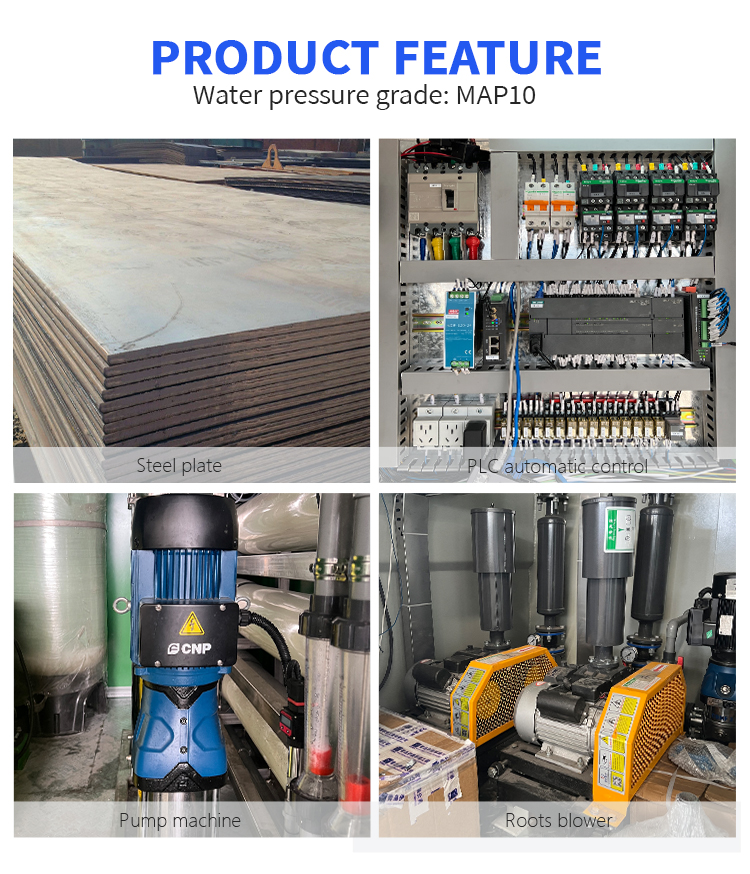
· Steel Core components (blowers, submersible sewage pumps, solenoid valves) from renowned international brands Low overall operating noise of the complete unit
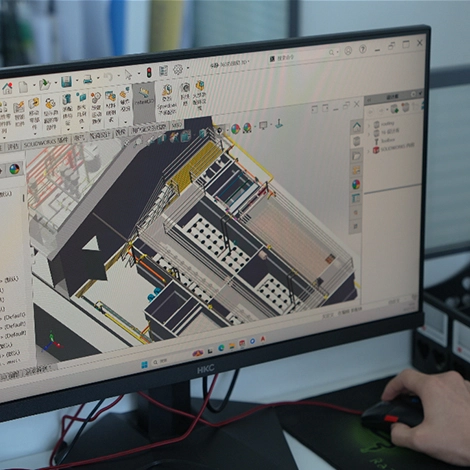
· 3D drawing solutions
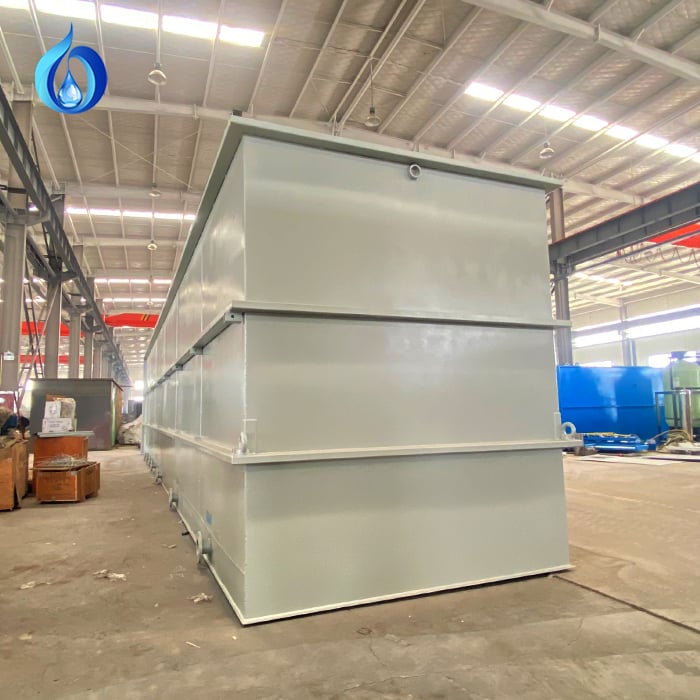
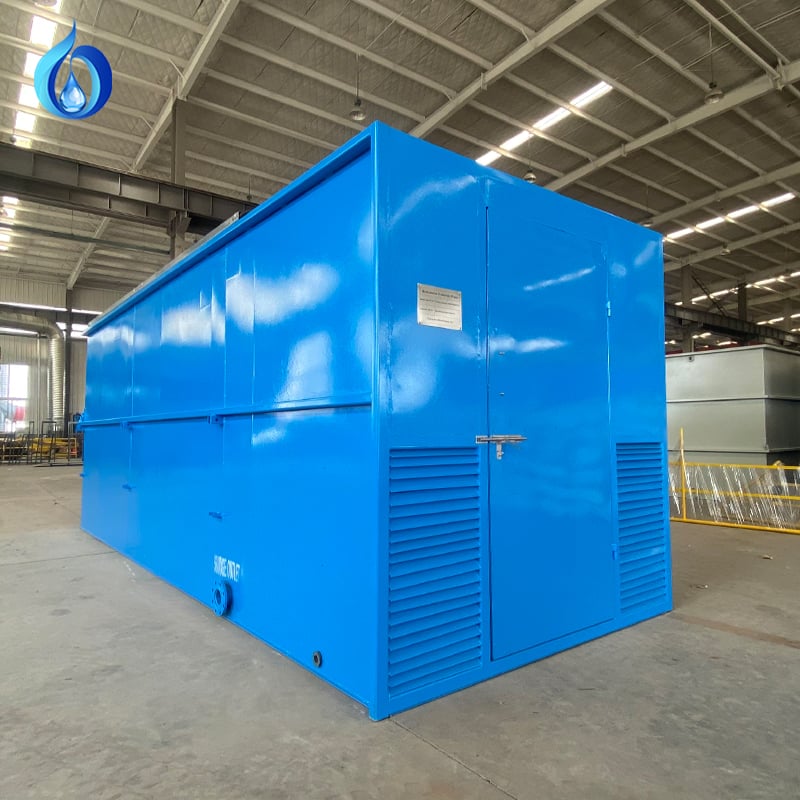
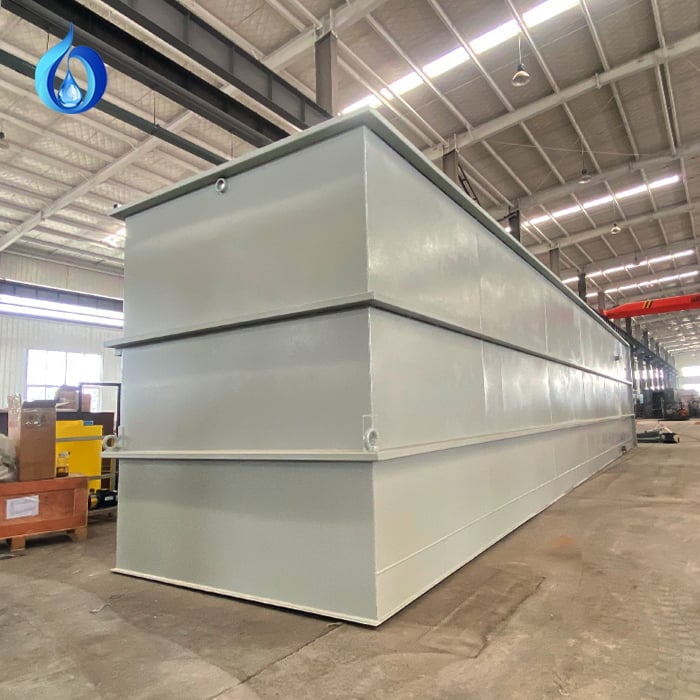
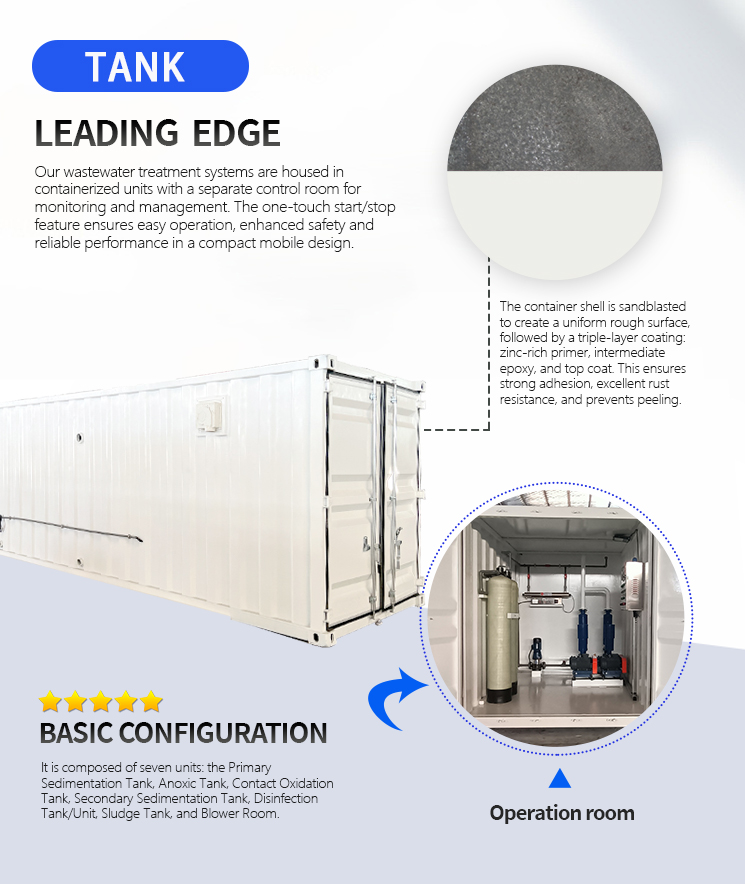
The LINZHEN MBR/MBBR Wastewater Treatment System is an advanced, fully integrated water purification solution engineered for industrial wastewater treatment, municipal sewage processing, river water restoration, and water reuse applications. Combining Moving Bed Biofilm Reactor (MBBR) biological treatment with Membrane Bioreactor (MBR) ultrafiltration technology, the system delivers consistently high effluent quality while occupying a significantly smaller footprint than conventional treatment plants.
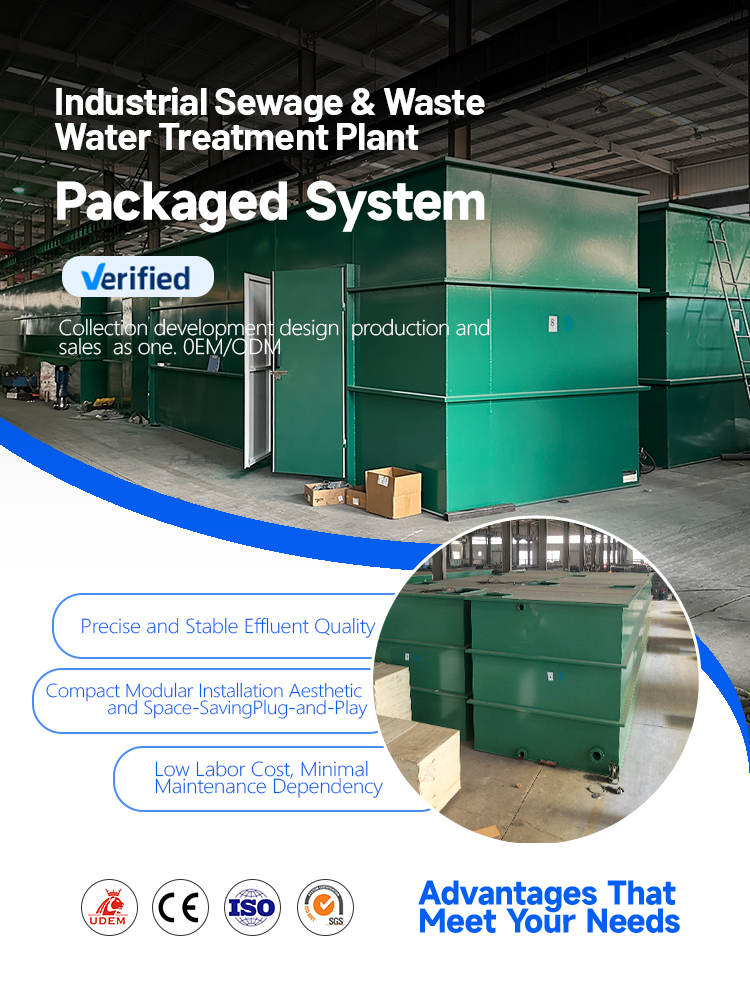
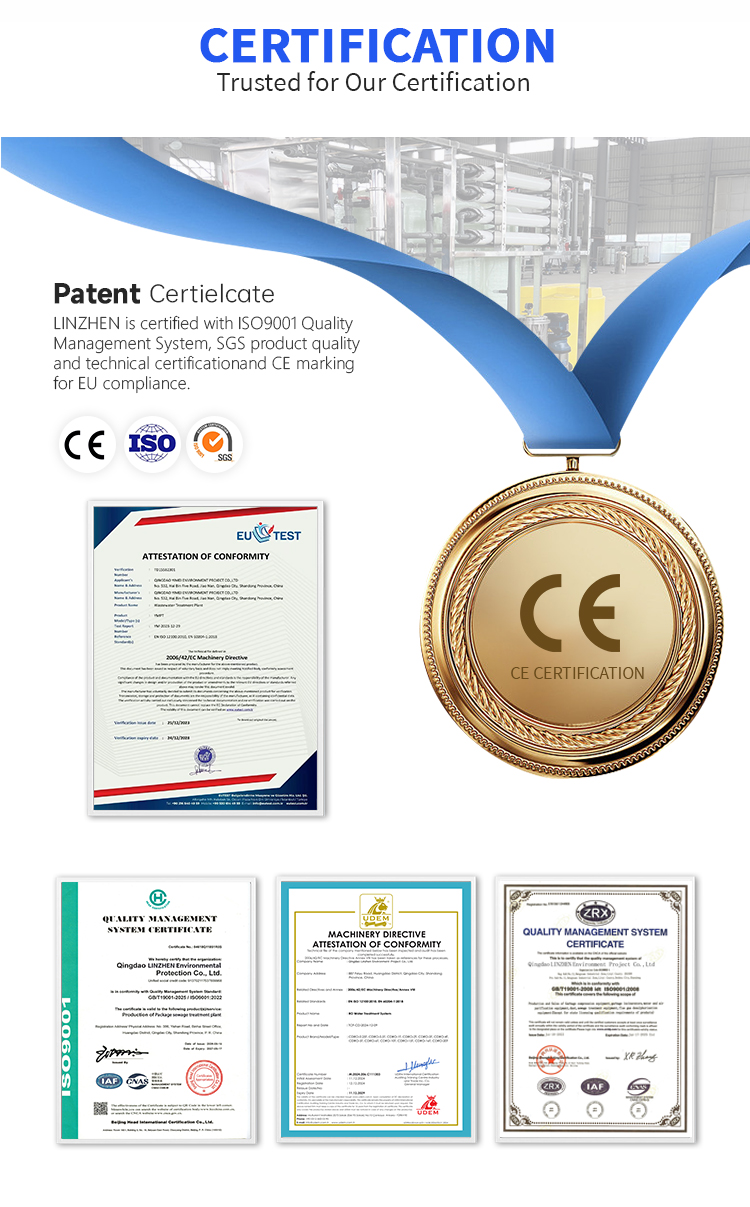
Designed and manufactured in Shandong, China, every LINZHEN system is built to order with customizable processing capacity, voltage configuration, and material selection — including carbon steel and stainless steel options — ensuring a precise fit for your project requirements. The equipment carries CE, ISO, SABER, and COC certifications, meeting international quality and safety standards for deployment across global markets.
Compared with traditional activated sludge processes or standalone biological treatment methods, the MBR/MBBR hybrid architecture offers superior removal rates for COD (Chemical Oxygen Demand), BOD (Biochemical Oxygen Demand), TSS (Total Suspended Solids), ammonia nitrogen, oils, grease, and phosphorus. The membrane separation stage produces clarified effluent suitable for direct environmental discharge or tertiary treatment for non-potable reuse, helping industries and municipalities reduce freshwater consumption and meet increasingly stringent regulatory standards.
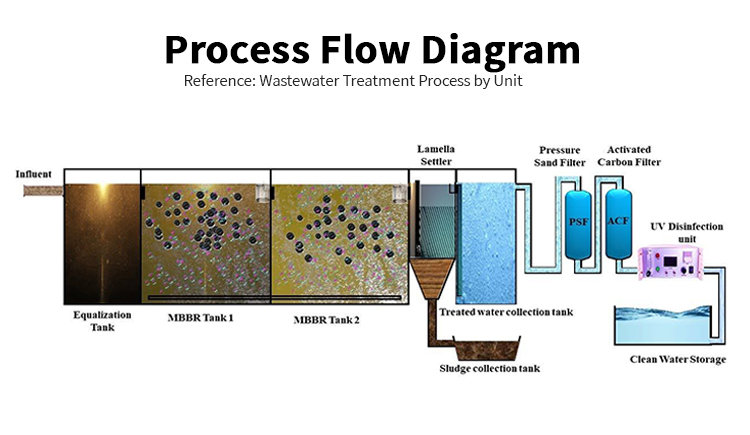
The LINZHEN wastewater treatment system operates through four sequential stages, each optimized for maximum pollutant removal efficiency:
Raw influent first passes through mechanical screening equipment that removes large particulates, plastics, fibers, grit, and other coarse debris. This protective stage prevents downstream equipment fouling and ensures stable operation of the biological and membrane units that follow.
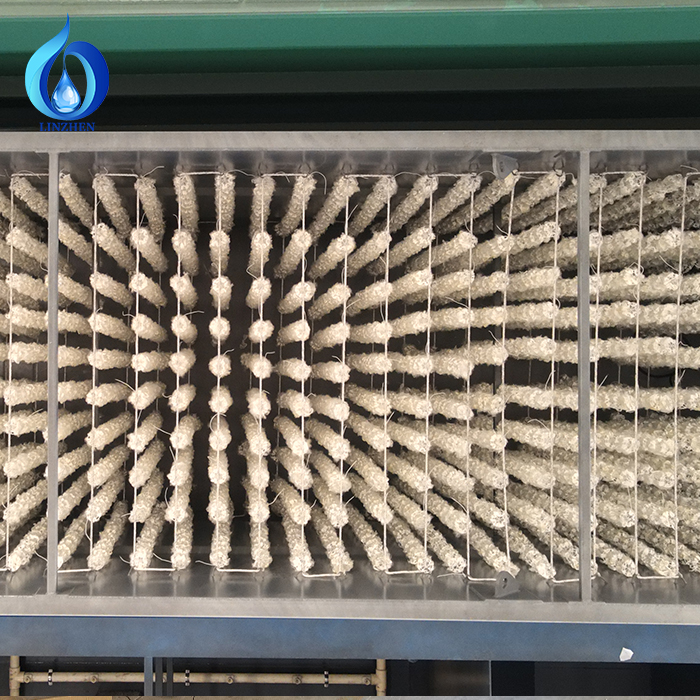
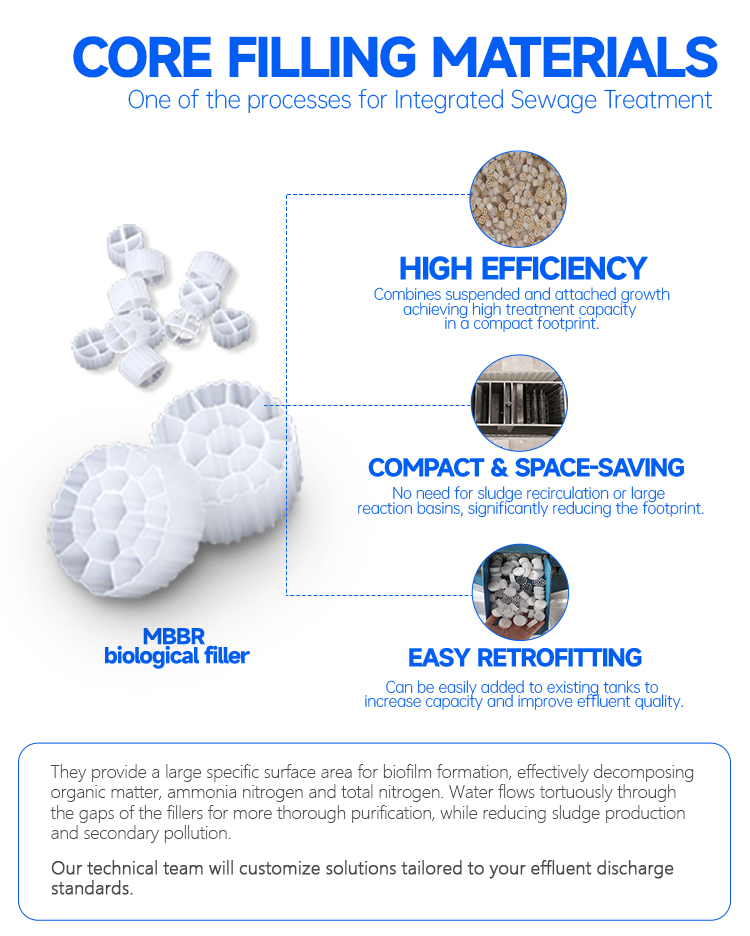
Screened wastewater enters the Moving Bed Biofilm Reactor, where thousands of specially engineered biofilm carriers provide high-surface-area attachment sites for microorganisms. Under controlled aeration, these microbial communities form dense biofilms that aggressively metabolize organic pollutants. The MBBR stage effectively reduces COD, BOD, ammonia nitrogen, and a broad spectrum of organic contaminants. The suspended carrier design provides inherent resistance to hydraulic and organic load fluctuations, making the system particularly robust for industrial applications with variable discharge characteristics.
Mixed liquor from the MBBR stage flows into the Membrane Bioreactor unit. Here, submerged ultrafiltration or microfiltration membranes physically separate treated water from suspended solids, bacteria, and residual biomass. The membrane barrier achieves effluent turbidity levels below 1 NTU and consistently produces water quality that meets or exceeds discharge standards. Unlike conventional sedimentation, membrane filtration is independent of sludge settling characteristics, eliminating bulking issues and ensuring dependable performance.
Depending on end-use requirements, the permeate can be directed through UV disinfection, chlorination, or advanced oxidation processes. For water reuse applications — including landscape irrigation, cooling tower makeup, industrial process water, and environmental flow augmentation — additional polishing stages such as activated carbon filtration or reverse osmosis can be integrated.
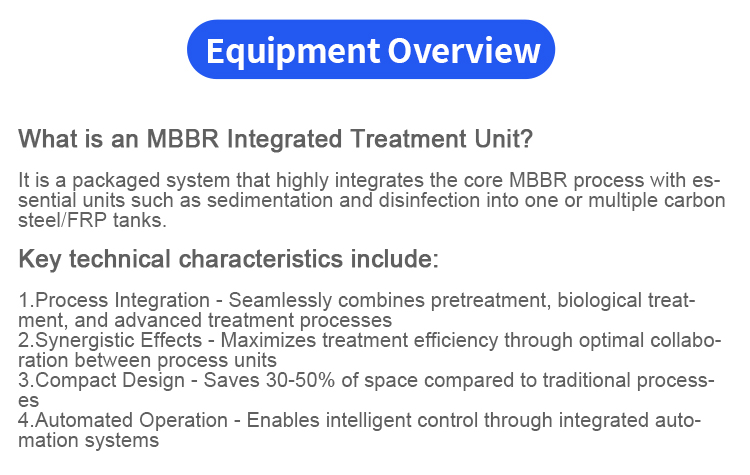
The MBR/MBBR combination delivers removal rates exceeding 95% for COD and BOD, over 90% for ammonia nitrogen, and near-complete TSS elimination. This performance exceeds what either technology can achieve independently.
By eliminating secondary clarifiers and operating at higher mixed liquor suspended solids (MLSS) concentrations, the system requires 30–50% less installation area than conventional activated sludge plants of equivalent capacity. This is critical for factories, urban installations, and retrofit projects where available space is limited.
Industrial wastewater streams frequently experience flow rate surges and pollutant concentration spikes. The MBBR carrier biofilm provides a resilient biological buffer, while the physical barrier of the MBR membrane ensures effluent quality remains consistent regardless of upstream fluctuations.
The system is customizable for diverse wastewater profiles across industries including food and beverage processing, pharmaceutical manufacturing, chemical production, textile dyeing and finishing, electronics fabrication, pulp and paper, and municipal sewage treatment. Process parameters — hydraulic retention time, sludge retention time, aeration intensity, and membrane flux — are tailored to each application.
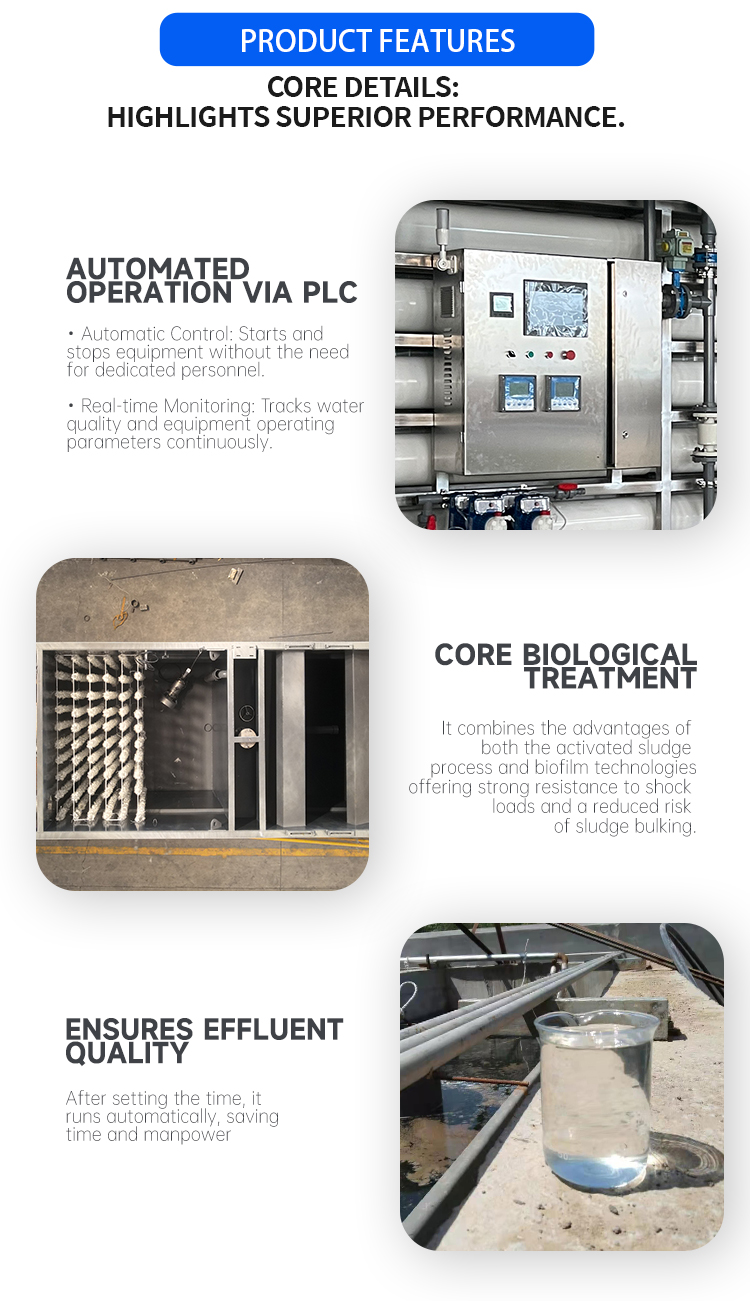
Automatic PLC control with real-time monitoring reduces manual operator intervention. Optimized aeration strategies, low-fouling membrane materials, and energy-efficient pump selection collectively drive down power consumption, chemical cleaning frequency, and maintenance labor costs over the equipment lifecycle.
The membrane permeate quality is inherently suitable for non-potable reuse. Integrating reuse into your treatment chain reduces freshwater intake costs, lowers wastewater discharge fees, and strengthens environmental compliance credentials — an increasingly important factor for ESG-conscious operations.
River pollution from organic matter, suspended solids, excess nutrients, and industrial point-source discharges is a pressing global environmental challenge. Conventional river treatment methods often struggle with highly variable inflow quality and the need for rapid, reliable contaminant removal.
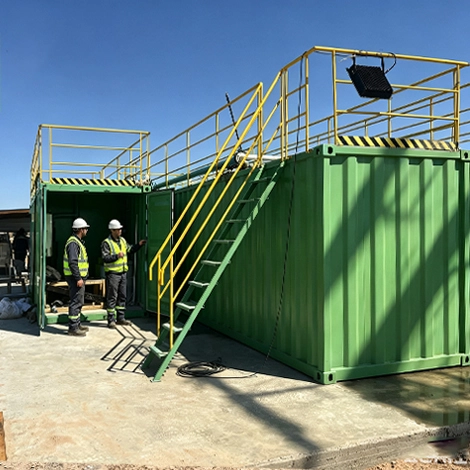
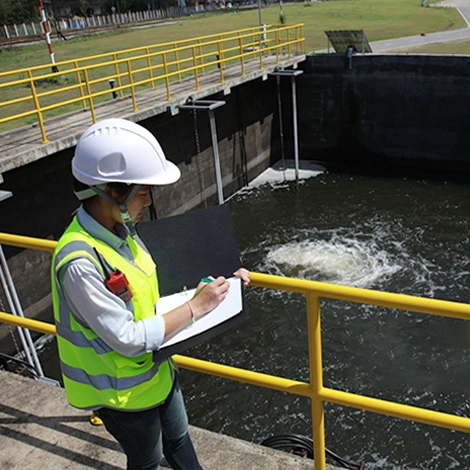
The LINZHEN MBR/MBBR system addresses these challenges through its dual-action approach: biological degradation of dissolved organics combined with physical membrane separation of particulates and microorganisms. Deployed as a river water purification station, the system improves water transparency, reduces suspended solids, controls nutrient levels that drive eutrophication, and stabilizes overall water quality. The modular, containerized design enables phased deployment and scalability for ecological restoration programs, urban waterfront improvement projects, and water reuse initiatives.
Parameter |
Specification |
Processing Capacity |
Customized to project requirements |
Treatment Technologies |
DAF, MBR, MBBR, SBR, AO |
Voltage |
Configurable (380V / 400V / 440V / 480V) |
Installed Power |
3 kW / 5 kW / 10 kW (capacity-dependent) |
Core Components |
Motor, Pump, PLC Controller, Biofilm Media, Air Blower, Control Panel |
Equipment Weight |
6,800 kg (base configuration) |
Dimensions (L × W × H) |
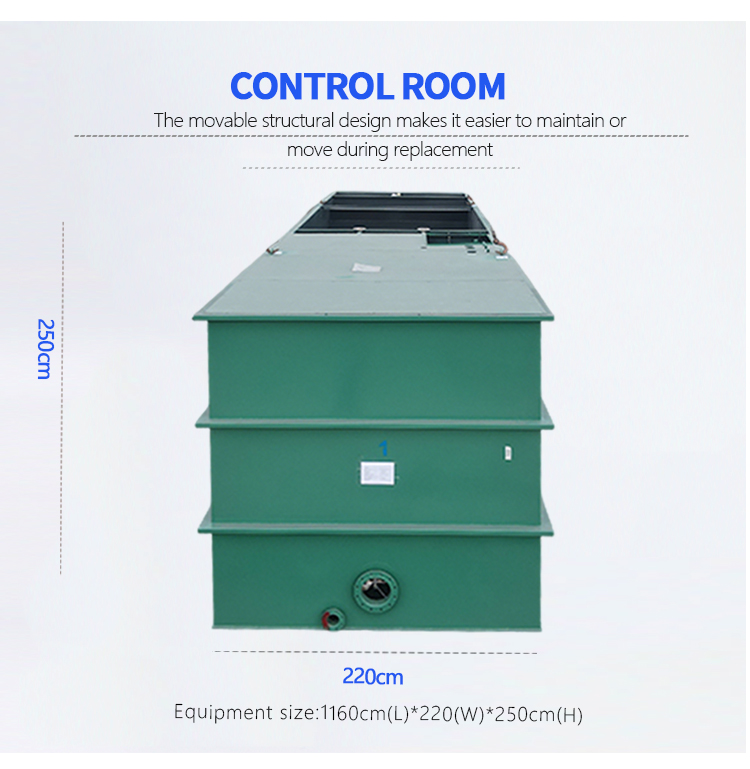
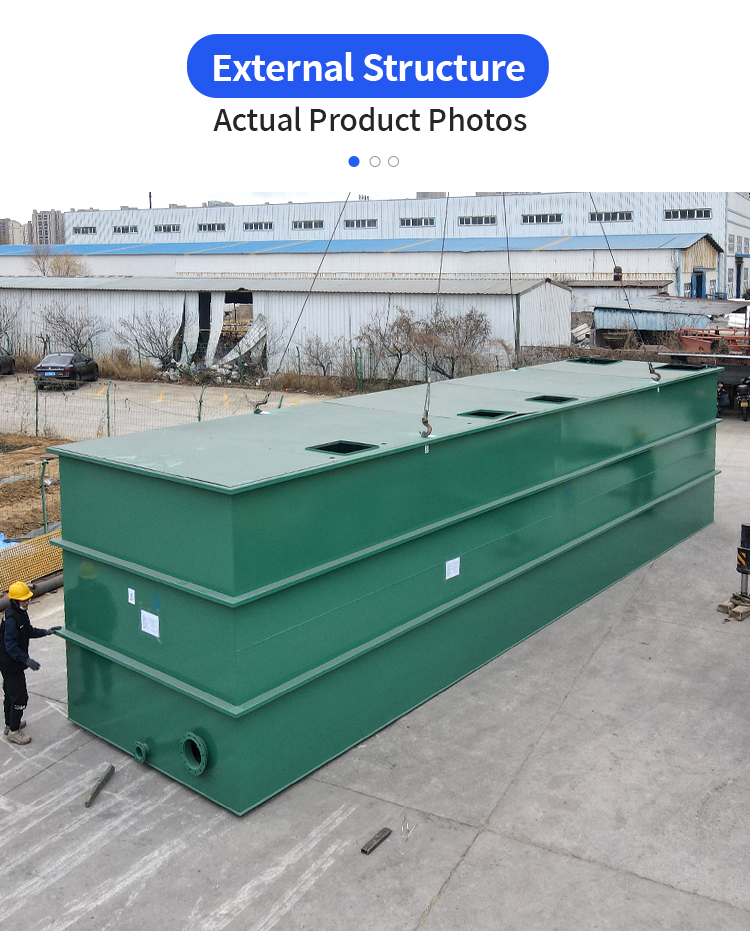
10.6 m × 2.2 m × 2.5 m |
Construction Material |
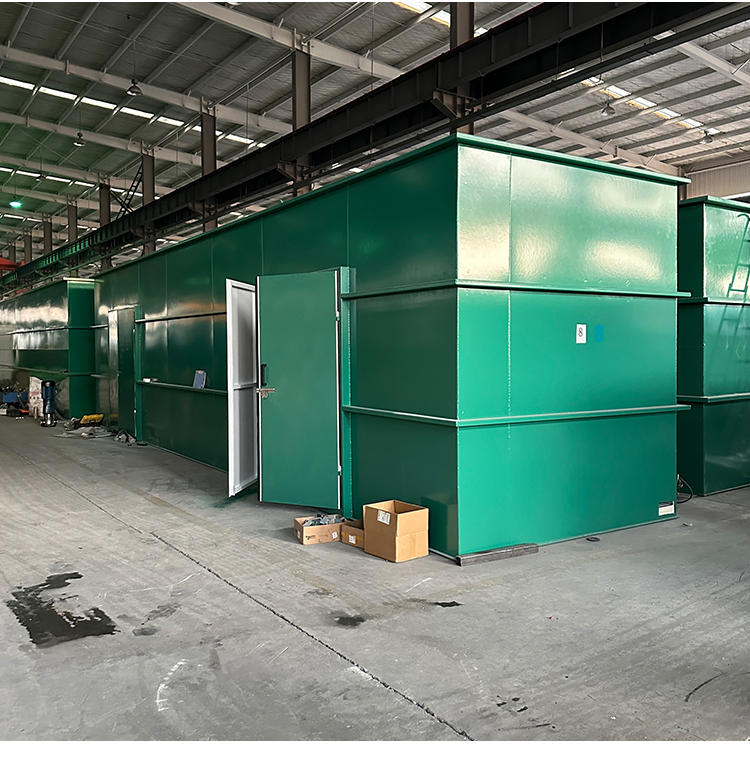
Carbon Steel (standard) / Stainless Steel (optional) |
Operation Mode |
Fully Automatic (PLC-controlled) |
Control System |
Programmable Logic Controller with HMI touchscreen |
Certifications |
CE, ISO, SABER, COC |
Warranty |
1 Year |
After-Sales Support |
Video technical support, online troubleshooting, spare parts supply |
Industrial Wastewater Treatment — Factories and manufacturing facilities handling high-organic-load effluents, suspended solids, oils, and fluctuating pollutant concentrations. The system enables compliance with local and international discharge standards.
Municipal & Decentralized Sewage Treatment — Residential communities, public facilities, remote work camps, and areas beyond centralized sewer networks benefit from the compact, modular design and automated operation.
River Water Purification & Ecological Restoration — In-situ or side-stream treatment of polluted river water to reduce organic loads, improve transparency, control nutrient levels, and support aquatic ecosystem recovery.
Water Reuse & Resource Recovery — Treated effluent can be further polished for irrigation, industrial cooling, equipment washing, and other non-potable applications, significantly reducing net freshwater demand.
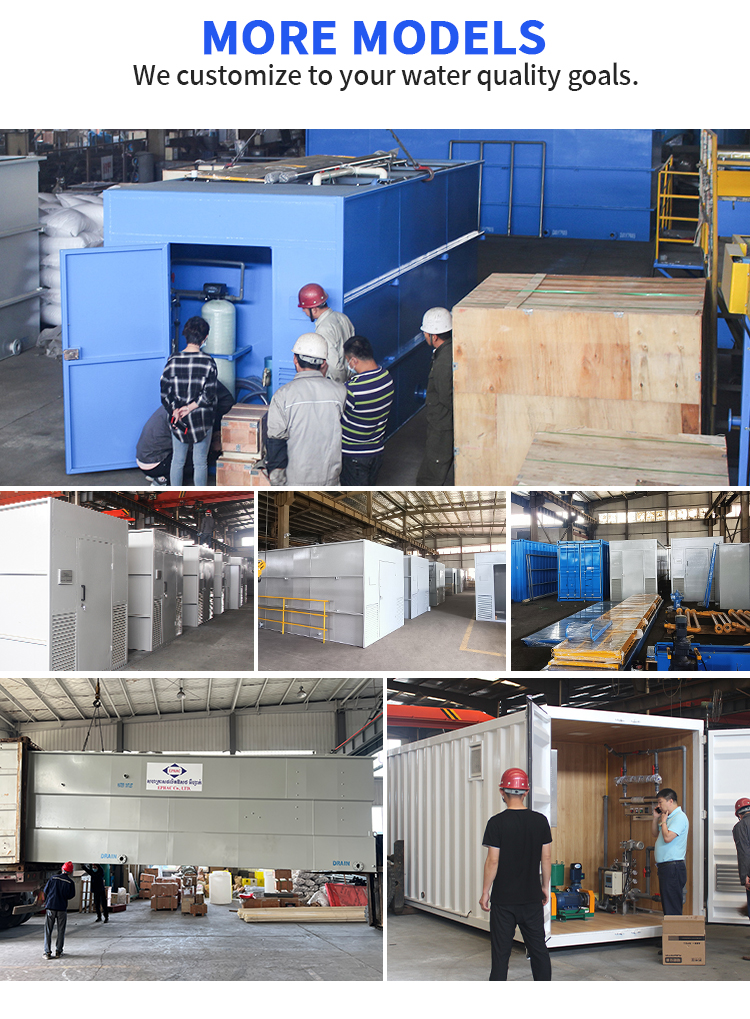
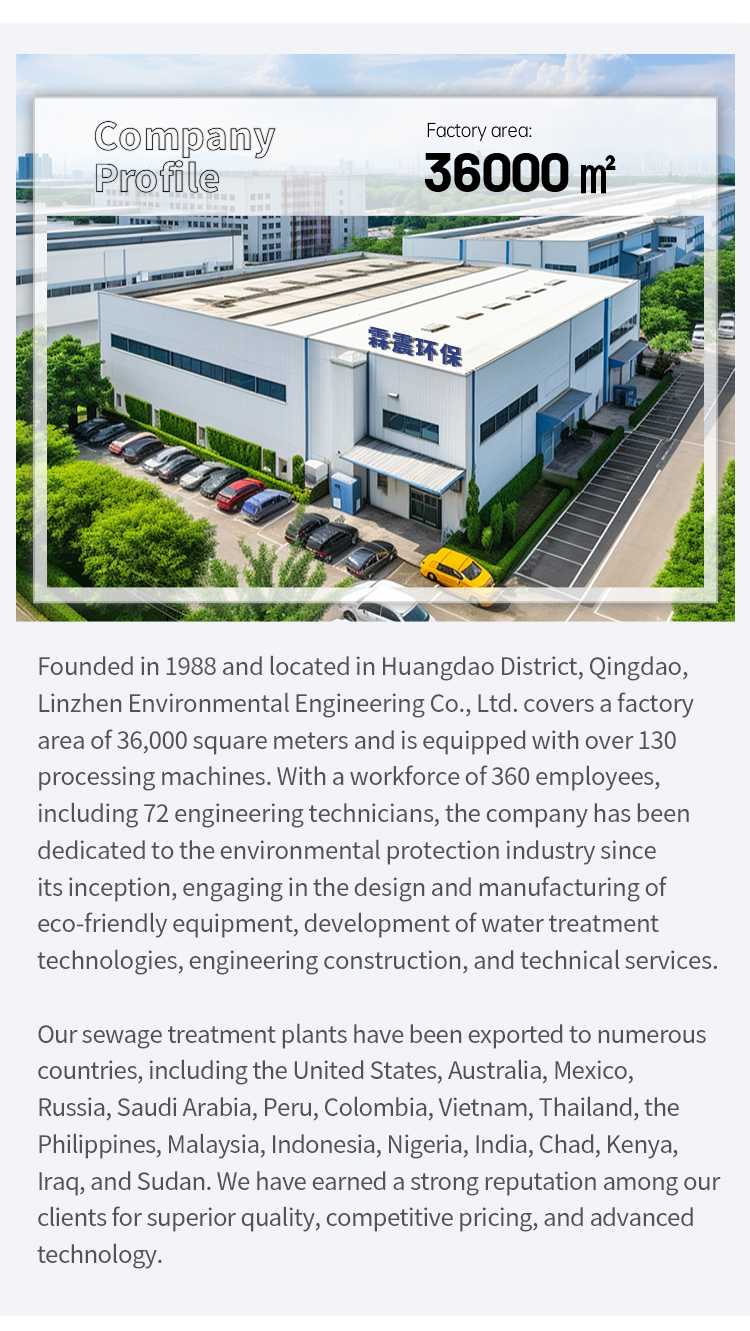
LINZHEN is not a general equipment reseller — we are a specialized wastewater treatment engineering manufacturer with in-house design, fabrication, quality control, and commissioning capabilities. Every system is built to order at our Shandong factory, where rigorous factory acceptance testing and video outgoing-inspection documentation are standard procedure.
Our engineering team brings deep expertise across MBR, MBBR, DAF, SBR, and AO process technologies, enabling us to recommend the optimal treatment train rather than a one-size-fits-all solution. From initial process design through on-site installation supervision and long-term technical support, LINZHEN provides end-to-end project partnership.
Whether you are upgrading an existing treatment facility, deploying a new industrial wastewater plant, or launching a river restoration program, LINZHEN delivers reliable, efficient, and sustainable wastewater treatment equipment engineered for real-world conditions.
Contact our engineering team today for a customized proposal, process flow diagram, and detailed quotation tailored to your project specifications.
How to buy your idea products?
A: You can provide us your water sources, water quality, flow rate and ground area (connect us for more details).
How to pay?
A: TT and L/C are acceptable and TT will be more appreciated. 30% deposit before producing, 70% balance before loading by TT.
What is the delivery time?
A: It depends on order quantities. Generally speaking, the delivery time will be within 4 to 6 weeks.
How to pack the products?
A: We use standard package. If you have special package requirements, we will pack as required, but the fees will be paid by customers.
How to keep your equipments from corrosion?
A: We use the world-famous paint, like SigmaCoatings, PainBow, etc. What’s more, we paint strictly according to the standard process.
How do you manufacture your equipment?
A: Our machining technology includes laser/plasma cutting, automatic welding, CNC cutting and bending.
How to install after the equipments arriving destination?
A: We will provide detailed illustrations to you. If it is necessary, we will send technicians to help you. However, the visa fee, air tickets, accommodation, wages will be paid by buyers.
· Optional tank materials: FRP fiberglass, rubber-lined carbon steel, 304/316 stainless
· Steel Core components (blowers, submersible sewage pumps, solenoid valves) from renowned international brands Low overall operating noise of the complete unit
· 3D drawing solutions

Successfully delivered wastewater treatment projects across multiple countries and industries. With an extensive project portfolio, we possess in‑depth knowledge of local environmental regulations and wastewater characteristics.

Providing customized wastewater treatment solutions based on wastewater quality, operational requirements, discharge standards, and site conditions.


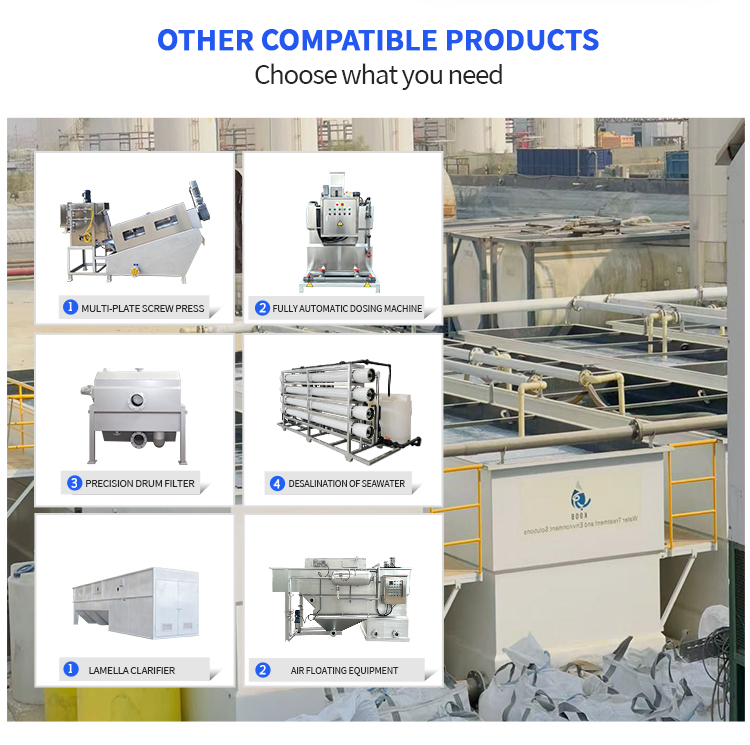
Specializing in proven treatment processes including MBR, MBBR, A/O, A²/O, RO, DAF, and Lamella Clarifier for various wastewater treatment applications.

Key components such as pumps, blowers, membrane modules, and electrical control systems are sourced from world‑renowned brands to ensure long-term stable operation.

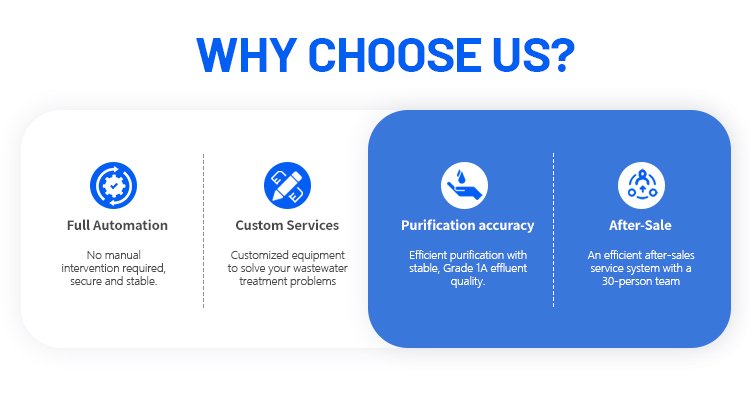
Providing comprehensive one-stop technical support covering solution design, equipment installation, commissioning, operator training, and after-sales service.
Tel
Address
Workshop 6, No. 88 Yueyahe Road, Huangdao District, Qingdao City, Shandong Province, China

 Case Studies
 Technical Downloads
 Engineering
 FAQ
FAQ