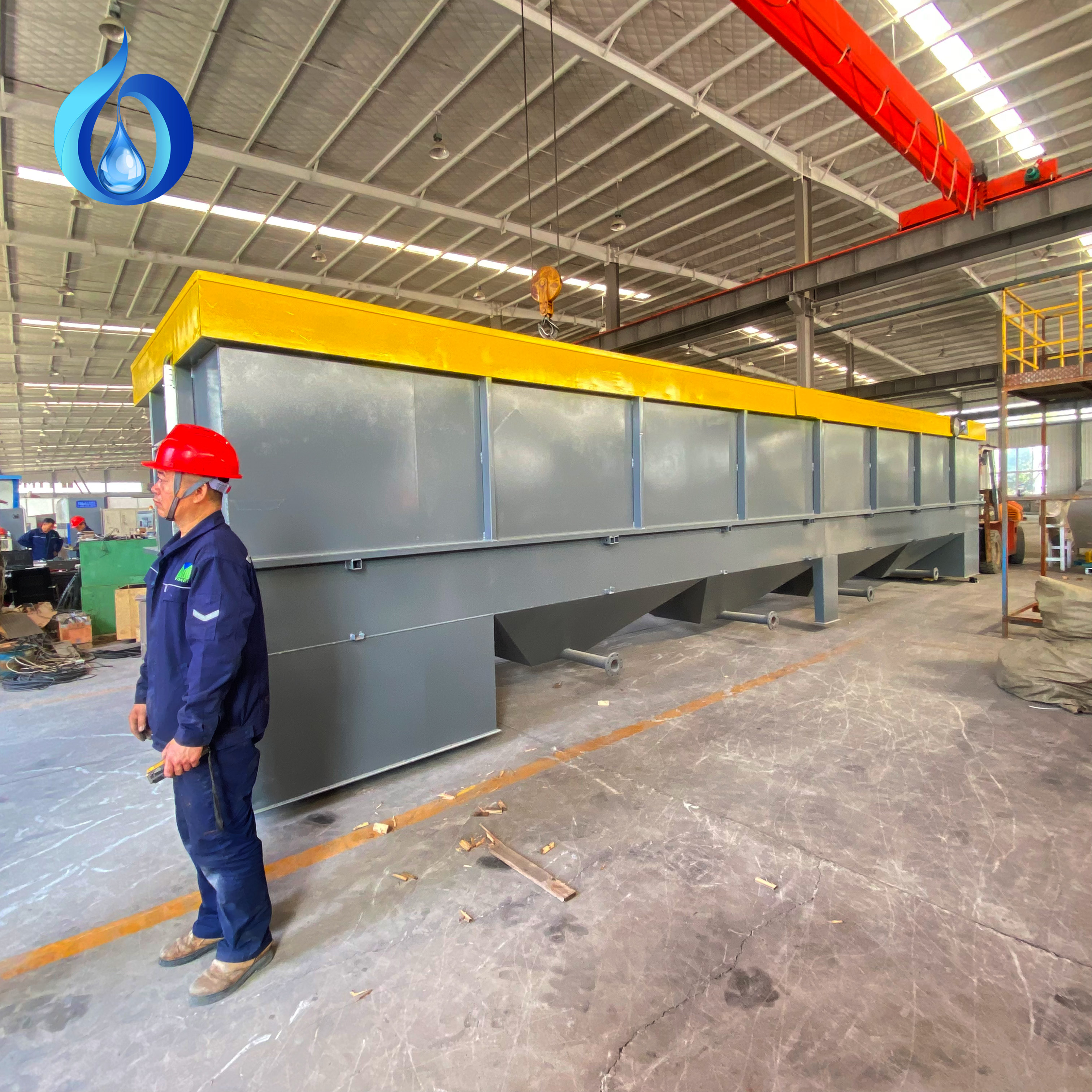
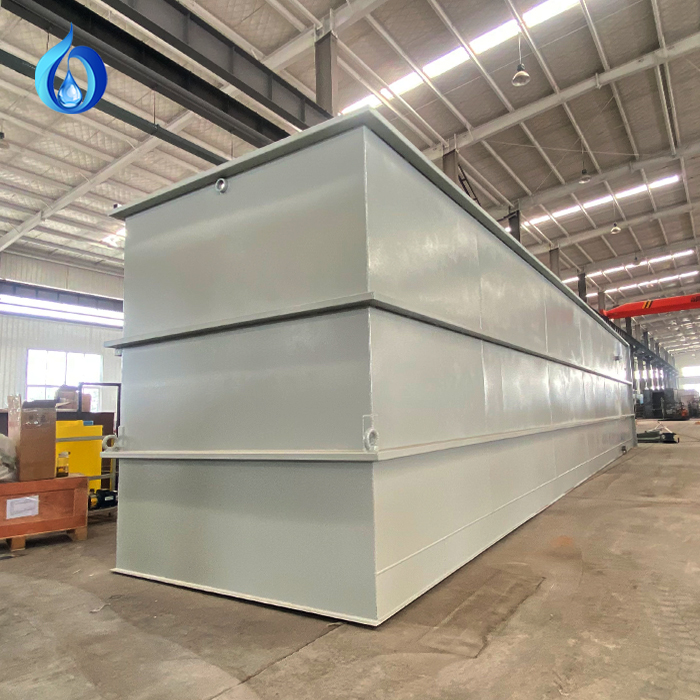
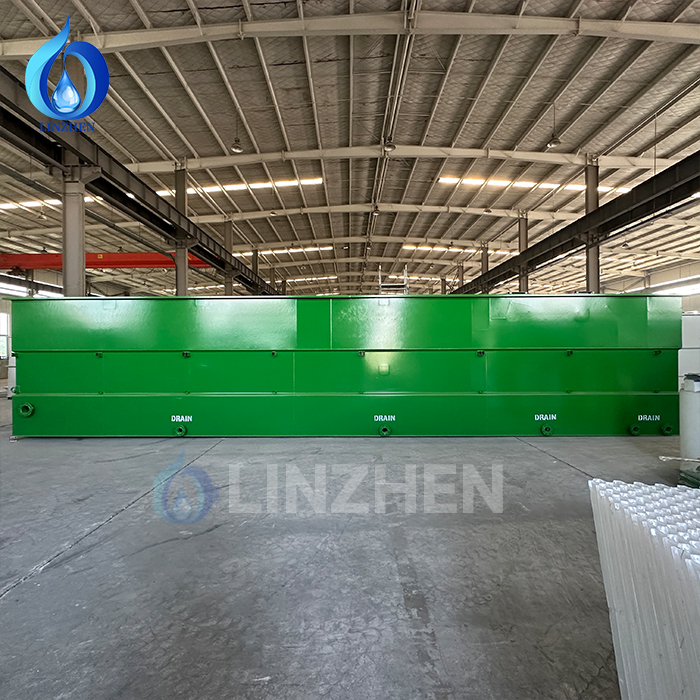
Steel plays a critical role in designing an effective industrial wastewater treatment system for acid plants, yet its necessity depends on specific operational conditions, chemical compatibility, and treatment objectives. Acid plant environments present unique challenges that demand careful material selection. Steel's strength, durability, and cost-effectiveness make it a preferred choice in many applications, but alternative materials may offer advantages in certain high-corrosion scenarios. Understanding when steel is truly essential requires examining the interplay between chemical exposure, system capacity sizing, and long-term operational reliability.
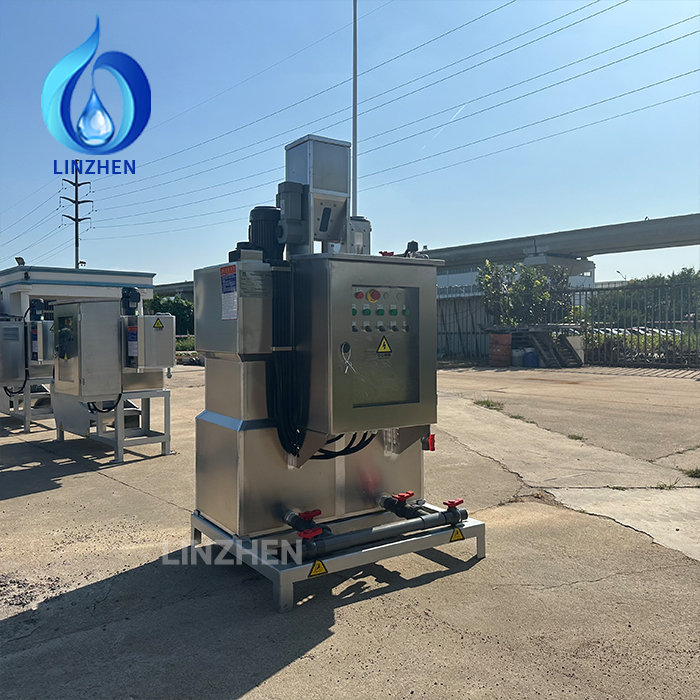
In practice, most acid plant operations rely on steel infrastructure because it delivers the structural integrity and cost efficiency needed for high-volume treatment. However, the decision to use steel should be informed by detailed engineering analysis, including hydraulic flow balancing requirements, organic load calculation methodologies, and material compatibility assessments. This article explores the role of steel in industrial wastewater treatment systems, the conditions that make it essential, and the factors that influence material selection in acid plant environments.
Steel's Role in System Capacity Sizing and Infrastructure Design
Structural Demands and Load Considerations
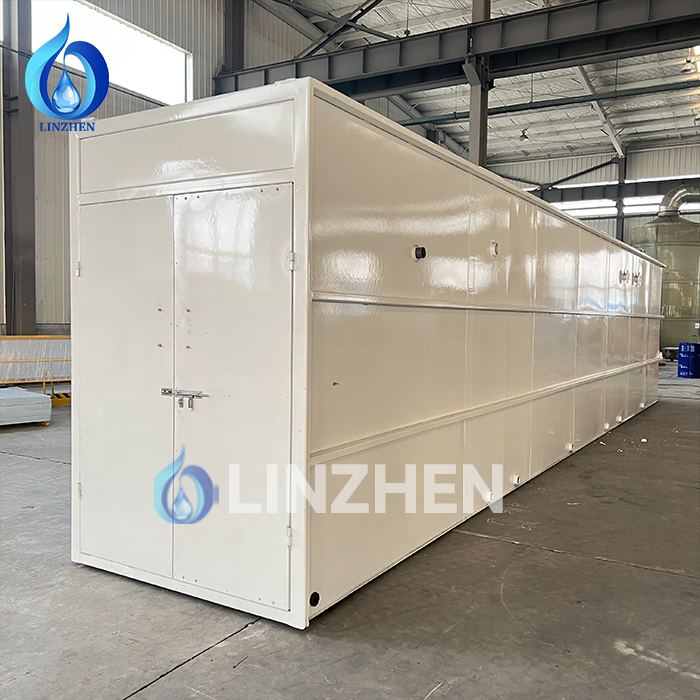
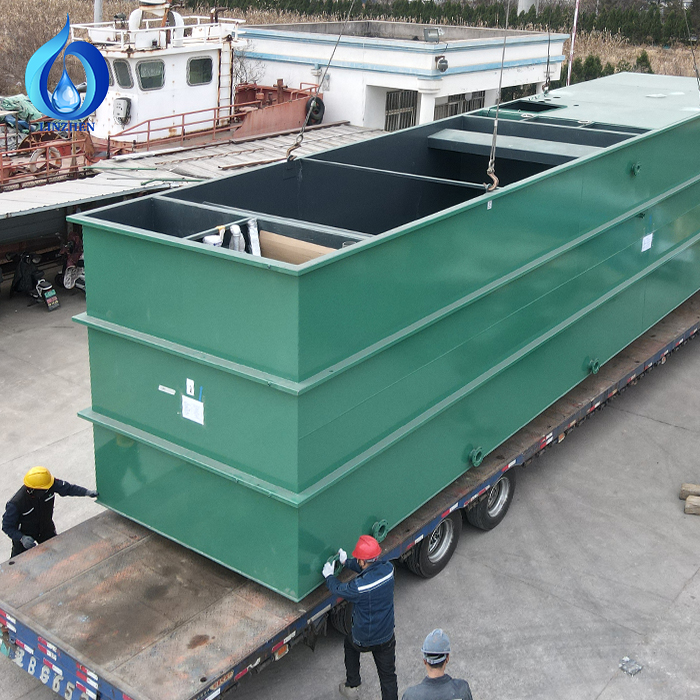
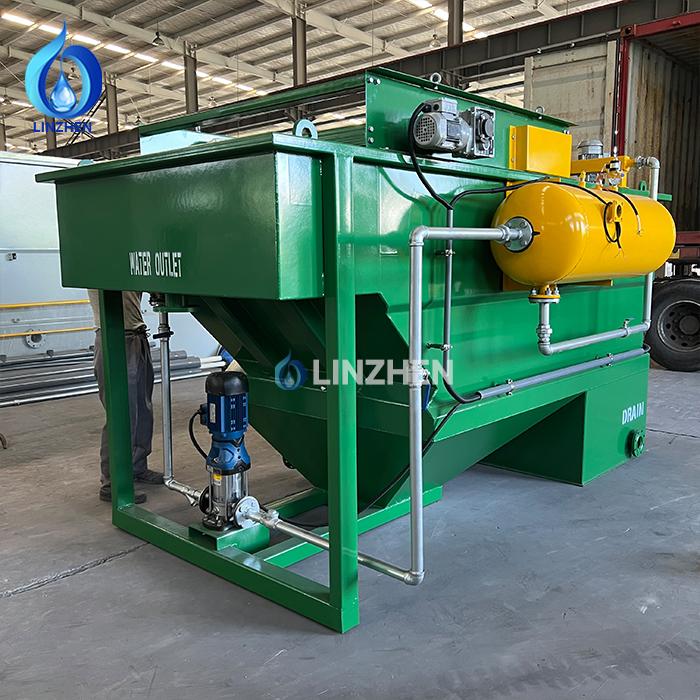
The structural demands of an industrial wastewater treatment system in an acid plant environment are substantial. Treatment tanks, piping networks, and support structures must withstand continuous exposure to corrosive chemicals, temperature fluctuations, and mechanical stress from pumping operations. Steel provides the tensile strength necessary to maintain structural integrity under these conditions. System capacity sizing must account for peak flow rates, settlement chamber dimensions, and equipment support loads. Steel's ability to be fabricated into complex shapes and welded into unified structures makes it ideal for building these large-scale industrial wastewater treatment system installations.
Cost-Effectiveness and Fabrication Flexibility
From an economic standpoint, steel offers significant advantages for system capacity sizing decisions. Its availability, standardized profiles, and established fabrication processes reduce both material and labor costs compared to specialty alloys or composite materials. Engineers can design an industrial wastewater treatment system using conventional steel fabrication techniques, reducing project timelines and capital expenditure. Hydraulic flow balancing calculations often determine tank dimensions and pipe diameters, which steel can accommodate across a wide range of sizes without requiring specialized tooling or manufacturing processes.
Hydraulic Flow Balancing and Material Compatibility in Acid Conditions
Chemical Exposure and Corrosion Management
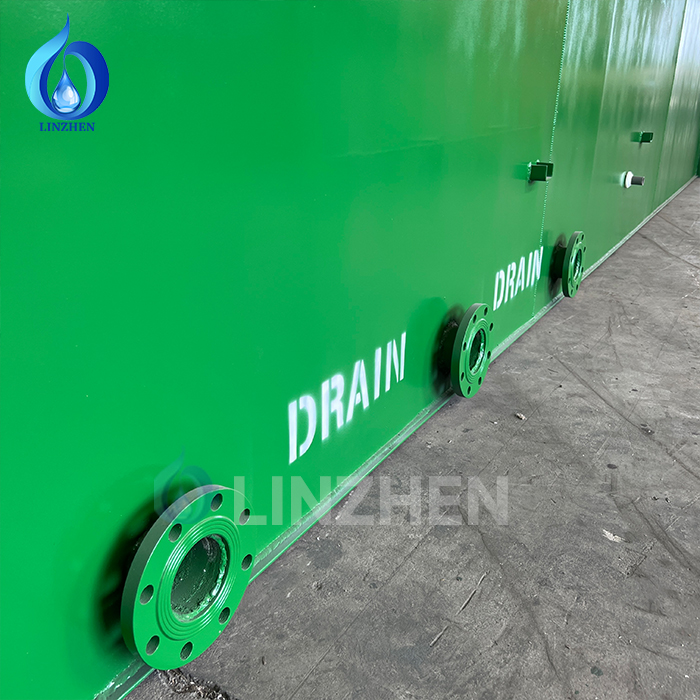
Acid plant wastewater contains corrosive compounds that directly challenge material selection. While steel is susceptible to rust and acid corrosion, protective coatings and linings have proven effective in extending steel service life within industrial wastewater treatment system applications. Epoxy coatings, polyester linings, and rubber-based barriers create isolation layers between steel surfaces and aggressive wastewater. For an industrial wastewater treatment system handling moderate to high acidity, properly coated or lined steel remains a viable and cost-effective choice. Hydraulic flow balancing requirements demand that chosen materials maintain dimensional stability and resist chemical degradation throughout the treatment process, and coated steel consistently meets these performance criteria.
Flow Velocity and Erosion-Corrosion Interaction
Hydraulic flow balancing in treatment systems determines fluid velocities through pipes, settling chambers, and reaction vessels. High velocity flows can accelerate corrosion in unprotected steel, while laminar flow conditions in settling zones reduce erosive effects. An industrial wastewater treatment system designed with proper hydraulic flow balancing minimizes localized high-velocity zones that would otherwise cause accelerated corrosion. Steel with protective linings performs well under these balanced flow conditions, whereas unlined steel would experience accelerated degradation. Engineers select steel grades and protective systems based on calculated flow patterns and residence times within each system component.
Organic Load Calculation and Material Performance Under Biochemical Stress
Biochemical Degradation and Biological Fouling
Organic load calculation is essential for predicting biofilm formation, decomposition rates, and metabolic byproducts that emerge during treatment. These biological processes generate acids, sulfides, and other compounds that accelerate corrosion on unprotected steel surfaces. However, an industrial wastewater treatment system with proper aeration, nutrient dosing, and residence time optimization can control biological activity levels to reduce corrosion stress. Steel equipped with protective linings or coatings resists biological fouling and chemical attack from these metabolic byproducts. Organic load calculation informs the selection of treatment stages and residence times, which in turn determine the severity of corrosive conditions that selected materials must endure.
When Alternative Materials Become Necessary
Specific conditions may justify using alternatives to steel for an industrial wastewater treatment system. Extremely high acidity, concentrated sulfuric acid exposure, or specialized process requirements may demand stainless steel, fiberglass-reinforced plastic, or ceramic-lined vessels. These alternatives offer superior chemical resistance but at significantly higher capital cost. Detailed organic load calculation, system capacity sizing analysis, and hydraulic flow balancing assessment should precede any decision to abandon steel in favor of premium materials. In most acid plant applications, properly designed steel infrastructure with appropriate protection remains the optimal balance between performance and economic viability. Steel continues to be the standard material choice because it meets structural, chemical, and operational requirements when engineering principles are correctly applied.
FAQ
Is coated steel sufficient for long-term acid plant wastewater treatment?
Yes, coated steel is sufficient for most acid plant applications when coating selection matches the specific chemical environment. Epoxy, polyester, and rubber linings provide effective barriers against moderate to high acidity. The key is ensuring coating integrity through proper surface preparation, application standards, and regular inspection. System capacity sizing and hydraulic flow balancing should minimize conditions that compromise coating adhesion or cause localized failure. In moderate-acid environments, coated steel has demonstrated 15–20 year service life in industrial wastewater treatment systems.
How does organic load calculation influence steel selection?
Organic load calculation determines the intensity and duration of biochemical activity within the industrial wastewater treatment system. Higher organic loads generate more corrosive metabolic byproducts, increasing the case for premium materials or enhanced protection systems. Precise organic load calculation allows engineers to optimize treatment residence times and aeration rates, which reduces the corrosion stress on steel components. By controlling biological processes through proper system design, engineers can often maintain steel performance without upgrading to stainless steel or fiberglass alternatives, preserving the economic advantages of standard steel infrastructure.
What role does hydraulic flow balancing play in steel durability?
Hydraulic flow balancing prevents localized high-velocity zones where erosion-corrosion accelerates on steel surfaces. Properly balanced flow distributes fluid velocity evenly across treatment vessels and piping networks, minimizing areas of aggressive fluid dynamics that would damage protective coatings or accelerate corrosion. Engineers design system capacity sizing and tank geometry based on hydraulic flow balancing principles to ensure that steel components operate within safe velocity ranges. This proactive design approach significantly extends the service life of an industrial wastewater treatment system and reduces the necessity for expensive material upgrades.
 EN
EN