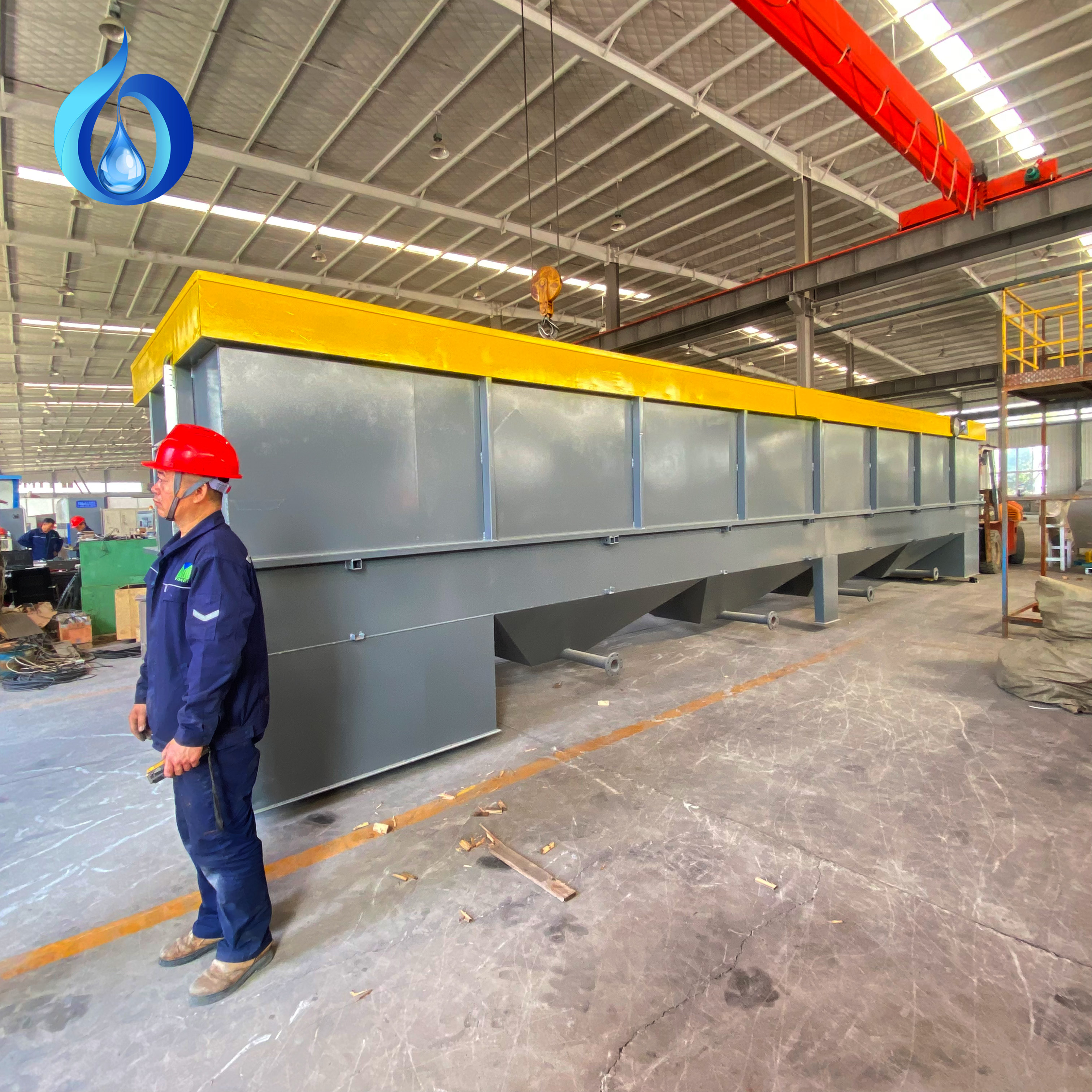
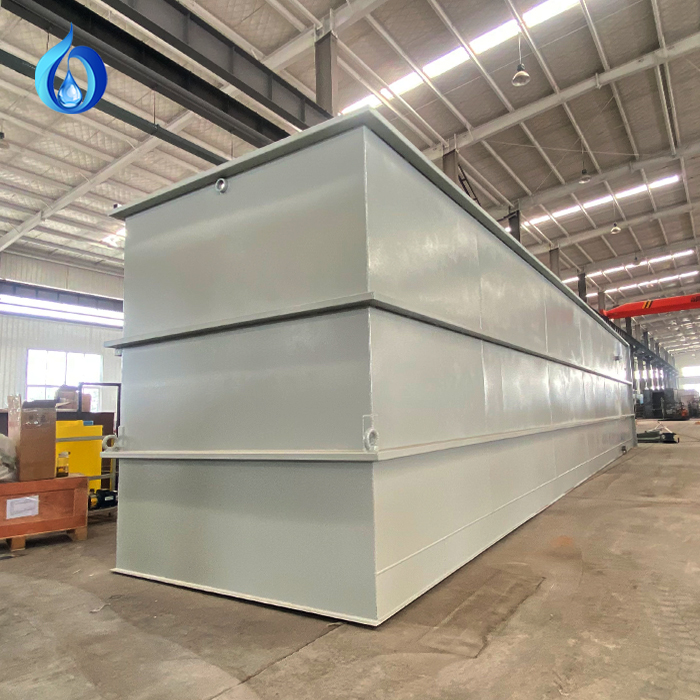
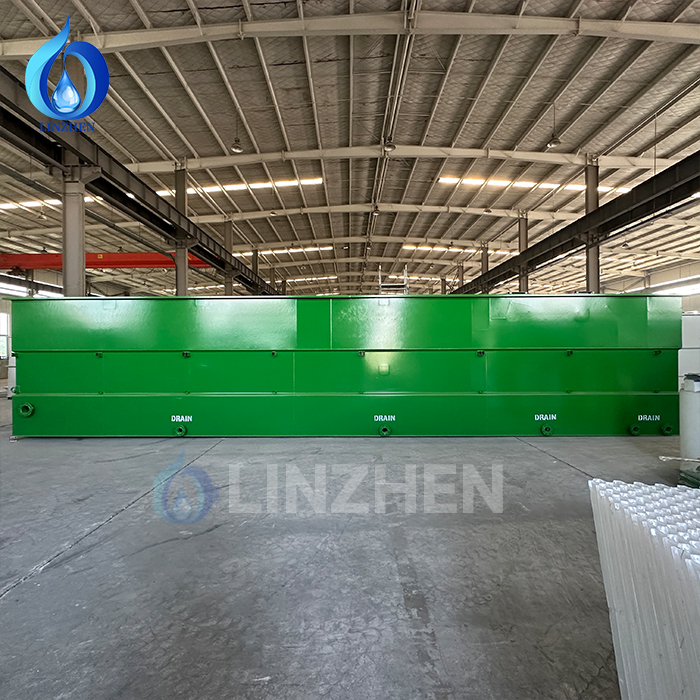
Fast-growing cities face unprecedented challenges in managing environmental infrastructure, and centralized solutions often fail to keep pace with rapid urbanization. Spread-out wastewater treatment represents a paradigm shift in how municipalities handle sanitation demands across expanding metropolitan areas. Rather than relying on a single monolithic treatment facility, this distributed approach deploys multiple smaller wastewater treatment units strategically throughout urban zones, enabling faster deployment, reduced operational strain, and improved environmental outcomes. For cities experiencing explosive growth, spread-out wastewater treatment offers a practical alternative that aligns capacity with demand expansion in real time.
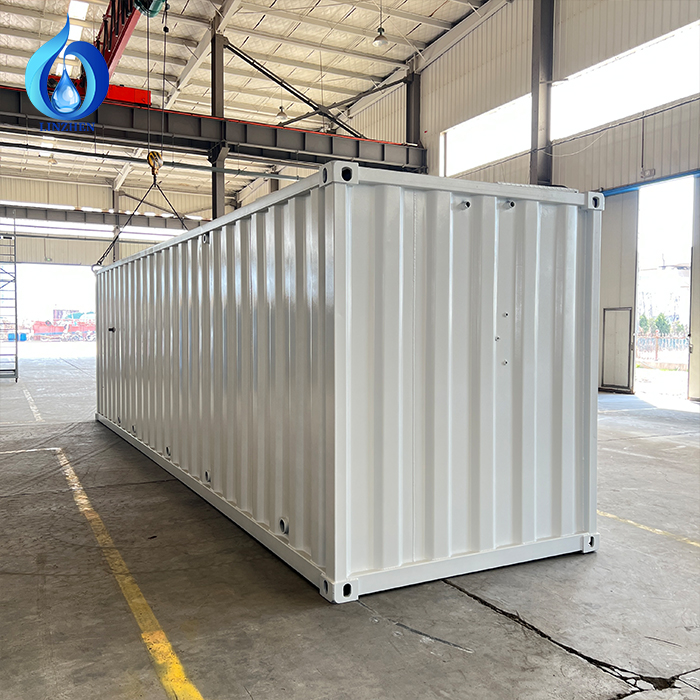
The traditional centralized model concentrates all wastewater treatment capacity in one location, creating bottlenecks, extended pipe networks, and massive capital expenditure. In contrast, distributed wastewater treatment systems place treatment nodes closer to source areas, reducing transmission distances and enabling modular, phased investment. This decentralized strategy is particularly valuable for emerging urban centers where growth trajectories remain unpredictable and funding cycles are constrained. Understanding the mechanics, benefits, and implementation pathways of spread-out wastewater treatment is essential for urban planners and municipal engineers navigating the next generation of city infrastructure.
How Spread-Out Wastewater Treatment Systems Function
Core Architecture and Modular Design
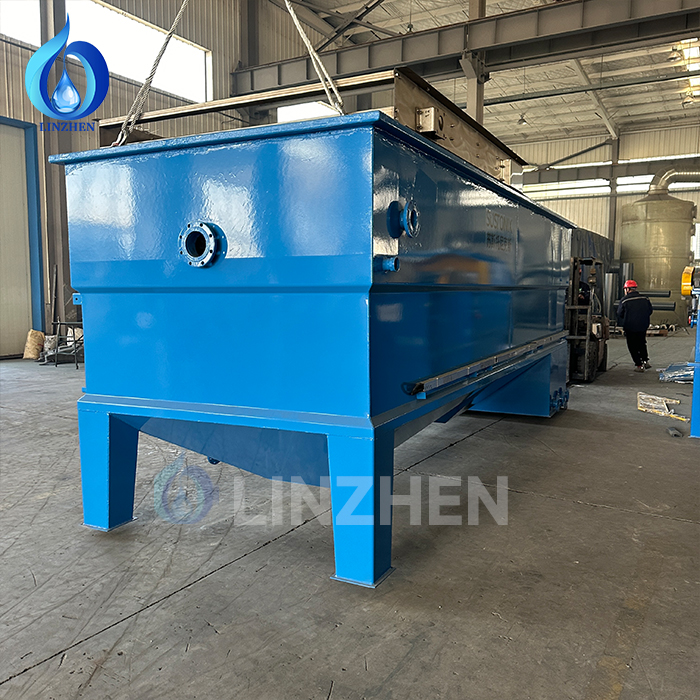
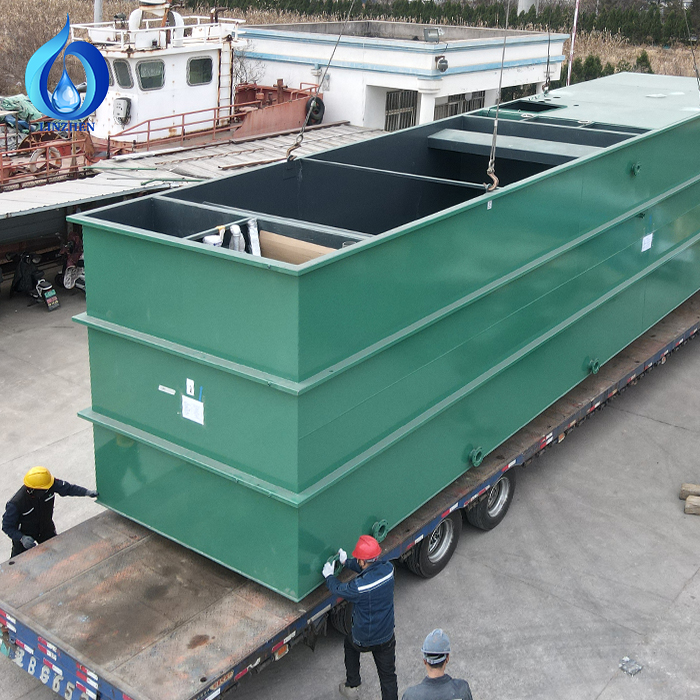
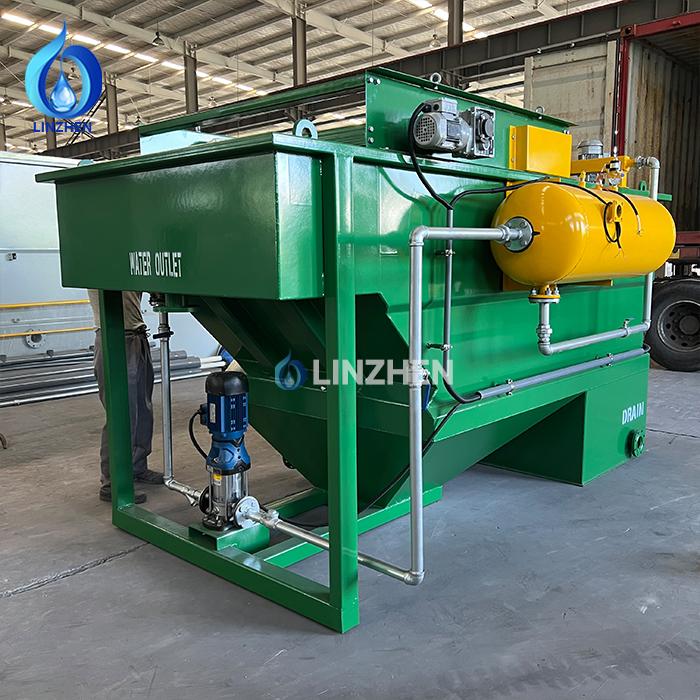
Spread-out wastewater treatment relies on containerized, modular treatment units that can be deployed incrementally across different zones of a city. Each unit operates independently but follows integrated operational protocols, allowing the entire wastewater treatment network to expand without central infrastructure constraints. These modular systems typically employ proven biological treatment processes such as membrane bioreactor technology or moving bed biofilm reactor designs, ensuring consistent effluent quality regardless of scale. The modularity of spread-out wastewater treatment means municipalities can commission new units as neighborhoods develop, aligning treatment capacity directly with population growth rather than over-building centralized facilities years in advance.
Integration with Existing Infrastructure
Implementing spread-out wastewater treatment requires careful coordination with existing sewer networks, recycled water systems, and receiving water bodies. Strategic placement of treatment nodes minimizes the need to extend long-distance collector pipes and reduces energy consumption in transmission. Each wastewater treatment location can be positioned to serve a defined catchment area, with treated effluent either discharged safely or recirculated for non-potable uses such as irrigation or industrial cooling. This flexibility distinguishes spread-out wastewater treatment from traditional approaches, where a single facility dictates network topology and expansion possibilities.
Strategic Benefits for Rapidly Expanding Urban Centers
Accelerated Deployment and Staged Investment
Capital-constrained cities benefit significantly from the incremental nature of spread-out wastewater treatment investments. Rather than securing massive upfront funding for a centralized facility, municipalities can phase wastewater treatment expansion in sync with budget cycles and revenue growth. Each modular unit requires smaller individual investments, making financing more accessible through blended funding structures, public-private partnerships, or phased municipal bonds. For high-growth cities, this staged approach to wastewater treatment infrastructure removes a major barrier to keeping pace with population expansion, reducing the risk of environmental violations or service inadequacy during growth surges.
Operational Resilience and Reduced Single-Point Failure Risk
Distributed architecture inherently improves system resilience by eliminating single-point-of-failure vulnerabilities. If one wastewater treatment node experiences maintenance downtime or catastrophic failure, surrounding units continue operating, and treated effluent volumes only marginally decrease rather than collapsing entirely. This redundancy is critical for cities where sewage treatment interruptions would cause public health crises or environmental disasters. Spread-out wastewater treatment also enables routine maintenance scheduling without shutting down the entire city's wastewater treatment capacity, improving overall system uptime and service reliability.
Environmental and Community-Level Advantages
Localized Water Recycling and Circular Economy Potential
Spread-out wastewater treatment positions each node as a potential water recycling hub, enabling treated effluent reuse within nearby communities and reducing freshwater extraction pressure. Urban agriculture, landscape irrigation, toilet flushing, and industrial processes can all draw from locally treated wastewater, creating closed-loop water systems at neighborhood scales. This localized water recovery approach transforms wastewater treatment from a disposal problem into a resource generation opportunity, particularly valuable in water-stressed regions or rapidly growing cities where freshwater availability cannot match demand growth. The environmental footprint of spread-out wastewater treatment decreases as reuse rates increase, making this model increasingly sustainable as circular economy practices mature.
Reduced Environmental Strain on Receiving Waters
Centralized wastewater treatment often discharges massive volumes of treated water at single outfall points, creating localized pollution plumes or ecological imbalances even with high treatment standards. Spread-out wastewater treatment disperses discharge across multiple smaller points, reducing the concentration shock to receiving water bodies and allowing natural assimilative capacity to function more effectively. This distributed discharge pattern particularly benefits cities where receiving waters have limited flow or sensitive ecosystems, as wastewater treatment nodes can be positioned to take advantage of natural dilution and seasonal hydrological patterns rather than creating permanent, high-concentration discharge zones.
Implementation Considerations for Municipal Success
Site Selection and Land Use Coordination
Successful deployment of spread-out wastewater treatment requires identifying suitable locations for treatment nodes throughout the urban fabric. Containerized or compact wastewater treatment systems minimize footprint requirements, but planners must still secure enough space within or adjacent to developed areas. Coordination with zoning authorities, neighborhood associations, and environmental departments is essential to position wastewater treatment infrastructure where operational efficiency, community acceptance, and land value considerations align. Early planning ensures that growth corridors incorporate wastewater treatment nodes rather than retroactively fitting systems into already-saturated urban zones.
Operational and Technical Staffing Models
Operating multiple distributed wastewater treatment nodes requires different technical capacity than managing a single large facility. Some cities implement remote monitoring and automated control systems to oversee multiple treatment units centrally, while others develop distributed maintenance teams responsible for specific nodes. Training investments, standardized protocols, and digital supervision tools become critical for consistency and efficiency across spread-out wastewater treatment networks. Proper staffing and monitoring frameworks ensure that smaller, modular units maintain compliance and performance standards equivalent to traditional centralized wastewater treatment facilities.
FAQ
Can spread-out wastewater treatment match the treatment efficiency of centralized systems?
Yes, modern modular wastewater treatment technologies employ the same proven biological and physical-chemical processes as large centralized facilities. Containerized units with advanced treatment processes like moving bed biofilm reactors achieve equivalent or superior effluent quality compared to traditional wastewater treatment plants. The key difference is operational scale, not performance capability. When properly designed and maintained, distributed wastewater treatment delivers consistent compliance with environmental discharge standards while offering greater flexibility and resilience.
What is the typical cost comparison between distributed and centralized wastewater treatment infrastructure?
Distributed wastewater treatment typically has higher per-unit treatment costs but lower total capital expenditure in early phases, as smaller modular systems require less upfront investment than building one massive centralized facility. However, scale economies eventually favor centralized approaches for very large populations if land availability permits. For fast-growing cities with uncertain future growth trajectories, spread-out wastewater treatment avoids the risk of building excess capacity or undersizing infrastructure, making lifecycle costs more predictable and manageable.
How do cities transition from centralized to distributed wastewater treatment systems?
Transition strategies vary based on existing infrastructure and growth patterns. Some cities deploy spread-out wastewater treatment nodes in emerging neighborhoods while maintaining centralized facilities for established zones. Others gradually reduce reliance on aging centralized plants by adding distributed capacity strategically until the distributed network handles the majority of flows. Hybrid approaches allow cities to leverage existing wastewater treatment assets while building new modular capacity, reducing costs and implementation timelines compared to complete replacement scenarios.
 EN
EN