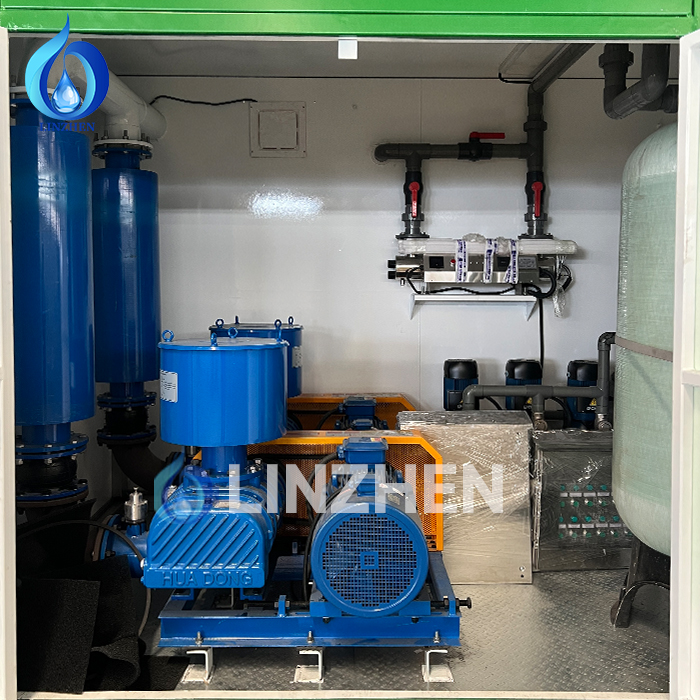
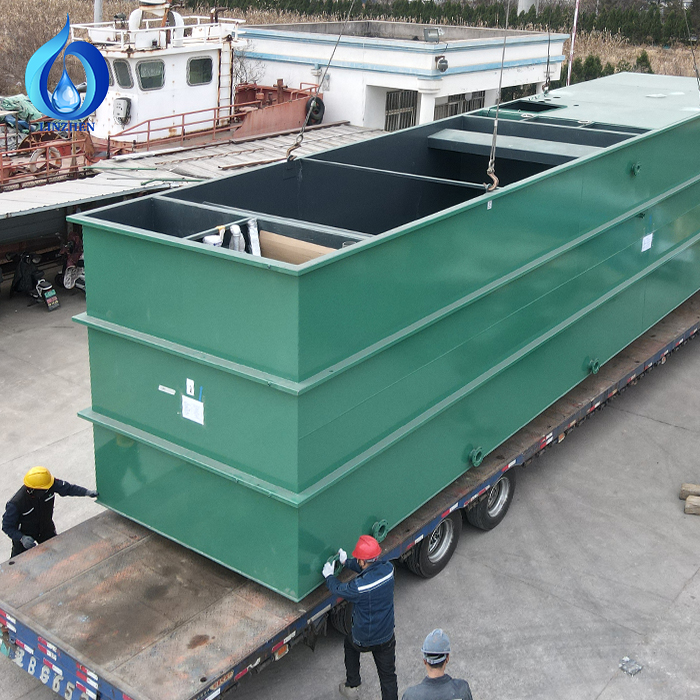
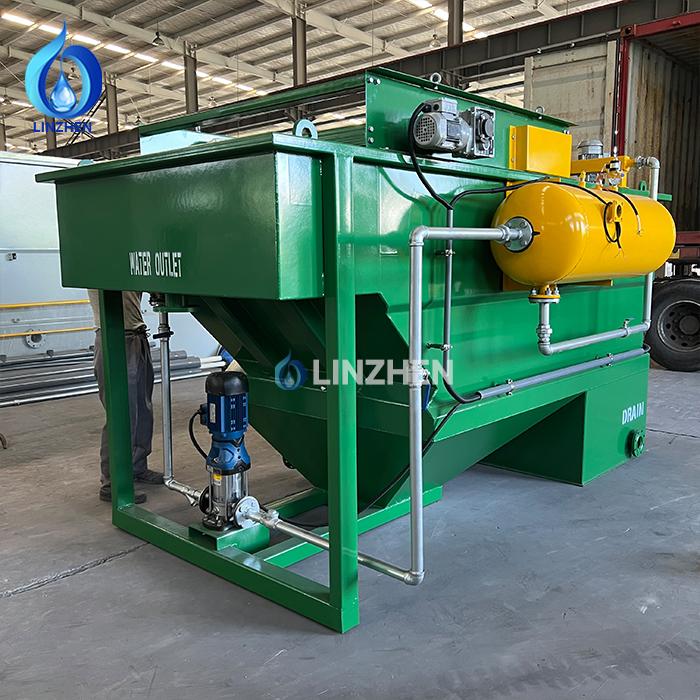
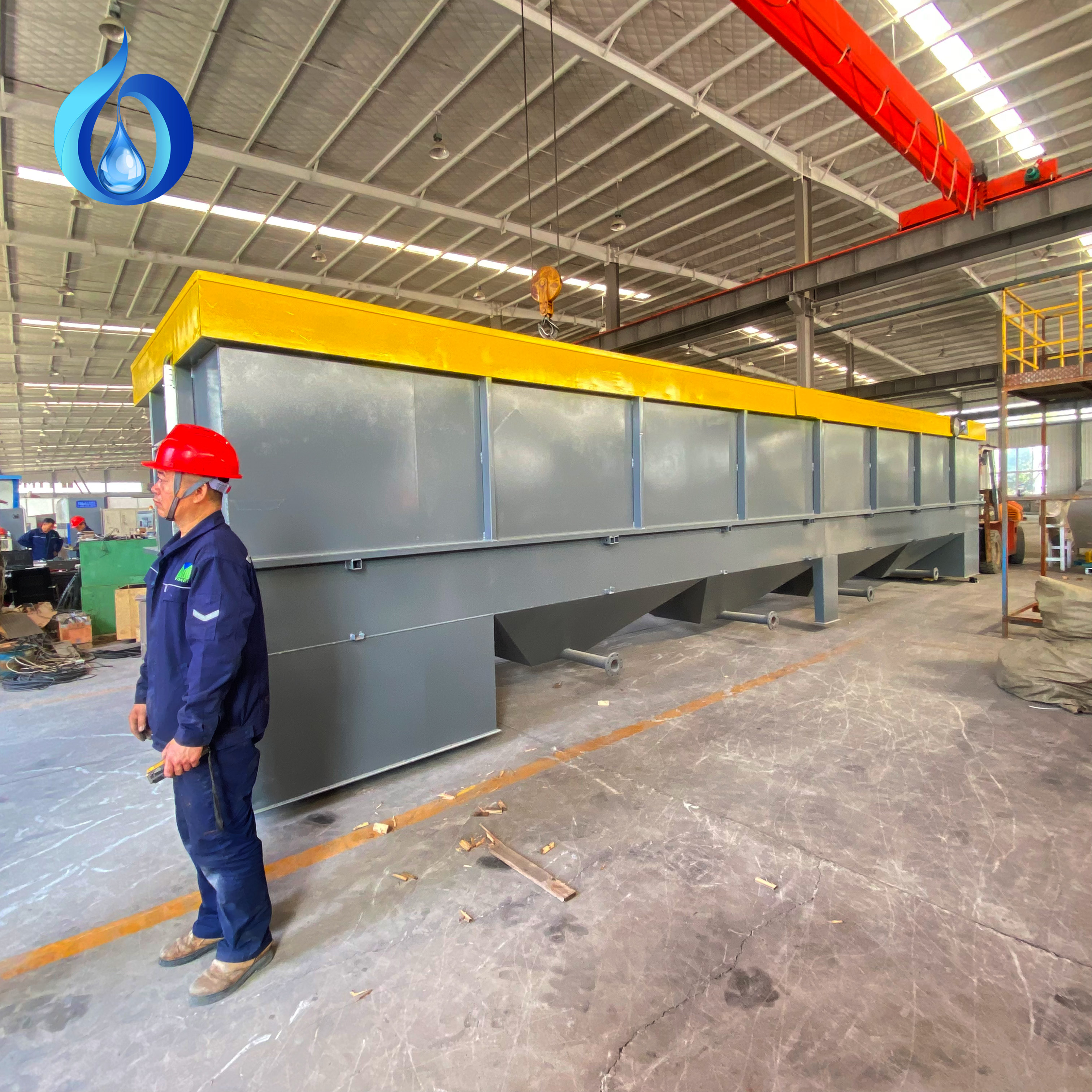
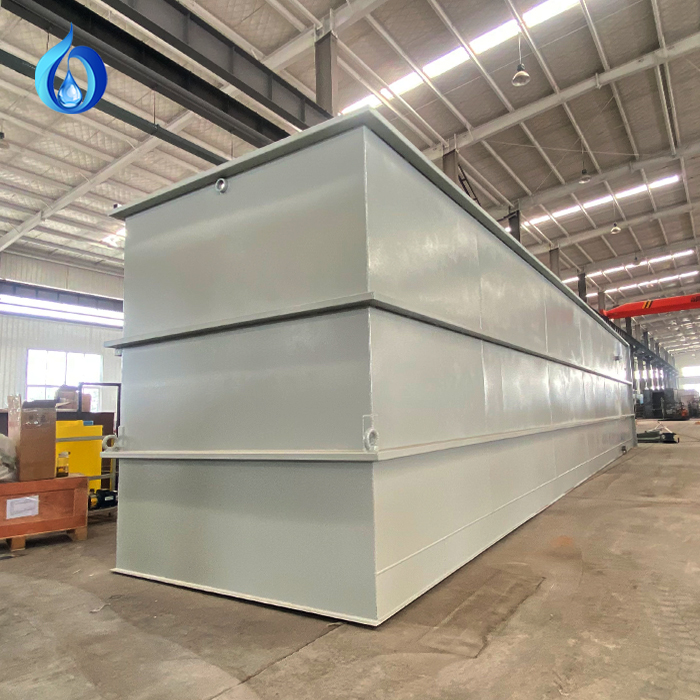
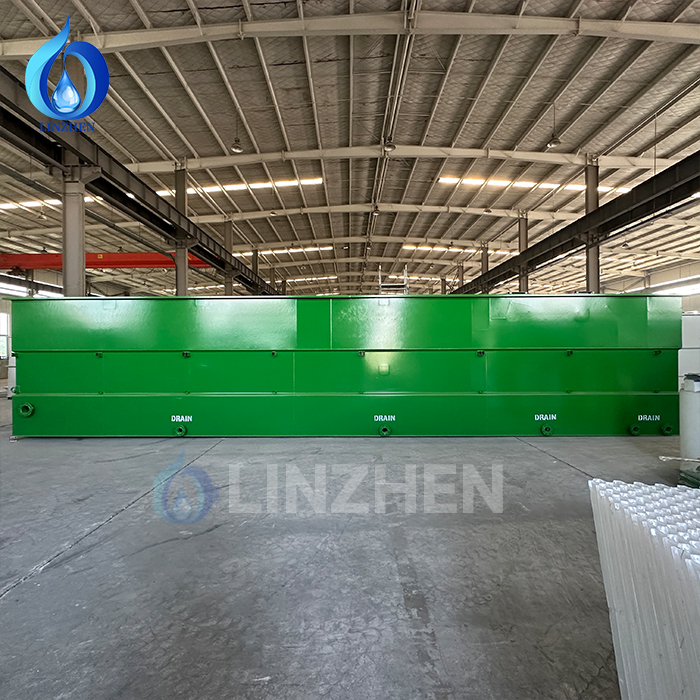
Small factory operators often face a critical challenge: managing industrial wastewater treatment within tight spatial and budget constraints. A skid rig system presents a compelling solution, offering compact, pre-engineered treatment capacity that fits seamlessly into limited site conditions. But the real question is whether this approach delivers adequate performance for your specific contaminant profile and regulatory requirements. Understanding the capabilities and limitations of skid-mounted systems is essential before committing to this technology for your facility.
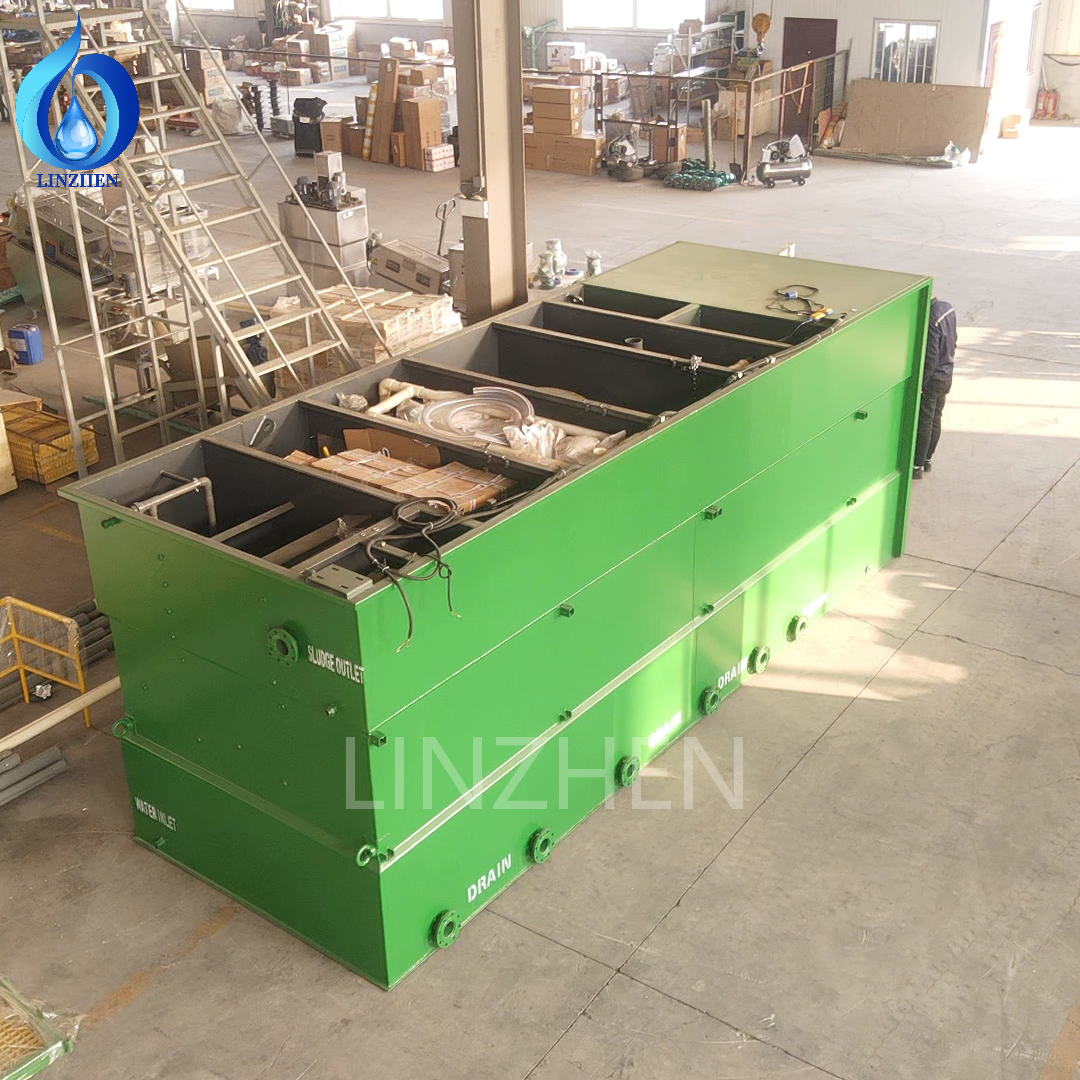
Skid rig systems are factory-assembled treatment units that integrate multiple process stages into a single, transportable package. For small factory operations, these systems can effectively handle common industrial contaminants including heavy metals, organic matter measured as chemical oxygen demand, and suspended solids reduction. The modular design reduces installation time, minimizes on-site construction, and provides predictable treatment performance based on proven engineering standards.
Evaluating Treatment Capacity for Your Facility
Understanding Flow Rate and Sizing Requirements
The first step in determining whether a skid rig suits your site is calculating your actual wastewater flow volume. Most small factories generate between 5 and 100 cubic meters of wastewater daily, depending on production intensity and water usage patterns. Standard skid rig units typically handle flows from 5 to 50 cubic meters per day, making them well-suited for many small-scale operations. Undersizing leads to inadequate industrial wastewater treatment and regulatory violations, while oversizing wastes capital and energy. Request detailed capacity specifications from suppliers to ensure the selected system matches your documented daily discharge volume.
Contaminant Profile Assessment
Different manufacturing processes produce distinct contaminant mixtures. A skid rig designed for heavy metals removal through precipitation and filtration may not perform equally well for suspended solids reduction alone, and vice versa. Electronics manufacturing, metal plating shops, and chemical processing generate elevated heavy metals that require specialized coagulation chemistry. Food processing and textile mills generate higher suspended solids and organic loads, often measured as chemical oxygen demand levels. Conduct a wastewater analysis to identify which contaminants dominate your discharge. This data directly determines whether your selected skid rig includes the appropriate treatment modules for your facility's specific contamination profile.
Core Treatment Functions in Compact Skid Systems
Heavy Metals Removal Through Precipitation and Separation
Heavy metals removal is a critical function for industrial wastewater treatment in metal-intensive operations. Skid-mounted systems typically employ chemical precipitation, where pH adjustment and coagulation chemistry bind dissolved metals into settleable solids. The precipitated metals then separate through sedimentation or filtration stages. This process works effectively for copper, zinc, nickel, cadmium, and lead when the skid rig includes compatible reagent dosing and mixing chambers. The compact design means all heavy metals removal equipment—including mixing tanks, settling chambers, and filter units—occupies minimal ground space while maintaining treatment efficacy. Most small factory sites can accommodate a 6-by-8-meter footprint with this level of processing capacity.
Chemical Oxygen Demand and Organic Matter Reduction
Chemical oxygen demand, or COD, measures the total oxidizable organic matter in wastewater. Some skid rig systems include biological treatment stages or advanced oxidation modules to address chemical oxygen demand alongside suspended solids reduction. These additions increase the system footprint slightly but provide more comprehensive industrial wastewater treatment for organic-rich discharges. Without biological treatment, a skid rig focusing only on suspended solids reduction may not meet stringent chemical oxygen demand discharge limits. Verify whether your regulatory environment requires chemical oxygen demand compliance, as this directly influences your technology selection and operational costs.
Suspended Solids Reduction Through Filtration
Suspended solids reduction is the most straightforward function performed by all skid rig systems. Screens, settling tanks, and sand or cartridge filters work together to remove particulates. A well-configured skid rig can reduce suspended solids from incoming levels of 500–2000 mg/L down to 10–50 mg/L, depending on filter type and maintenance frequency. This level of treatment suits many regulatory requirements and allows for potential water reuse or safe discharge. The low maintenance burden and self-contained design make suspended solids reduction through skid rigs particularly practical for small factory sites with limited on-site technical staff.
Site Integration and Operational Feasibility
Space Requirements and Installation Logistics
A fundamental advantage of skid rig systems is their compact footprint, but site conditions must still accommodate the unit's dimensions and access for operation. Small factory properties often have limited space, making the pre-assembled nature of skid rig industrial wastewater treatment systems valuable. Installation typically requires only utility connections—incoming wastewater feed, treated effluent outlet, chemical supply lines, and electrical power. Many sites can install a skid rig in days rather than weeks, compared to site-built concrete basins. However, ensure your factory site has adequate drainage slope for gravity flow or budget for small lift pumps. Ground reinforcement may be necessary if the site is soft or prone to settling.
Chemical Supply and Maintenance Demands
Operating a skid rig for heavy metals removal and chemical oxygen demand treatment requires ongoing chemical purchases, typically coagulants, pH adjusters, and oxidants. Small factory managers must establish reliable supplier relationships and budget for regular chemical replenishment. Maintenance intervals are predictable and well-documented by equipment manufacturers, usually involving monthly inspections, quarterly filter changes, and annual overhauls. Unlike larger industrial wastewater treatment plants requiring specialized operators, most skid rig systems can be managed by general factory maintenance staff after brief training. This operational simplicity is a major practical advantage for understaffed small facilities.
FAQ
Can a skid rig handle peak flow surges above the rated capacity?
Skid rig systems are engineered for their nominal flow rating, typically with a 20–30% surge tolerance built in. Brief excursions above this level may pass through with reduced treatment quality, particularly for suspended solids reduction and heavy metals removal. Sustained peak flows above design capacity will overwhelm the settling and filtration stages, leading to poor effluent quality and regulatory non-compliance. If your factory experiences frequent production spikes, request a system sized for peak flow rather than average flow, or install surge tanks to buffer incoming wastewater before the skid rig.
What happens if the skid rig industrial wastewater treatment system fails?
Equipment failure is a real risk, particularly with aging skid rig units. Bypass tanks or contingency storage capacity should be part of your site plan to prevent environmental violations during downtime. Many operators maintain spare filter cartridges, pump components, and chemical dosing parts on-site for rapid repairs. Service contracts with equipment suppliers provide faster response times but add operational cost. For facilities where treatment failure carries severe regulatory penalties, consider installing two smaller skid rigs in parallel rather than one large unit, providing redundancy and split flow capacity.
Is chemical oxygen demand treatment practical in a small skid rig system?
Chemical oxygen demand reduction through biological treatment requires more footprint and operational oversight than mechanical suspended solids reduction. Some compact skid rig designs include aerobic tanks with controlled aeration, making chemical oxygen demand treatment feasible for small factories. However, biological processes are temperature-sensitive and require operator vigilance to maintain proper microorganism populations. If your facility discharges high chemical oxygen demand but has limited maintenance resources, consider chemical oxidation modules instead of biological treatment, even though they increase chemical consumption and operating expense. Match the selected treatment approach to your available expertise and budget.
 EN
EN