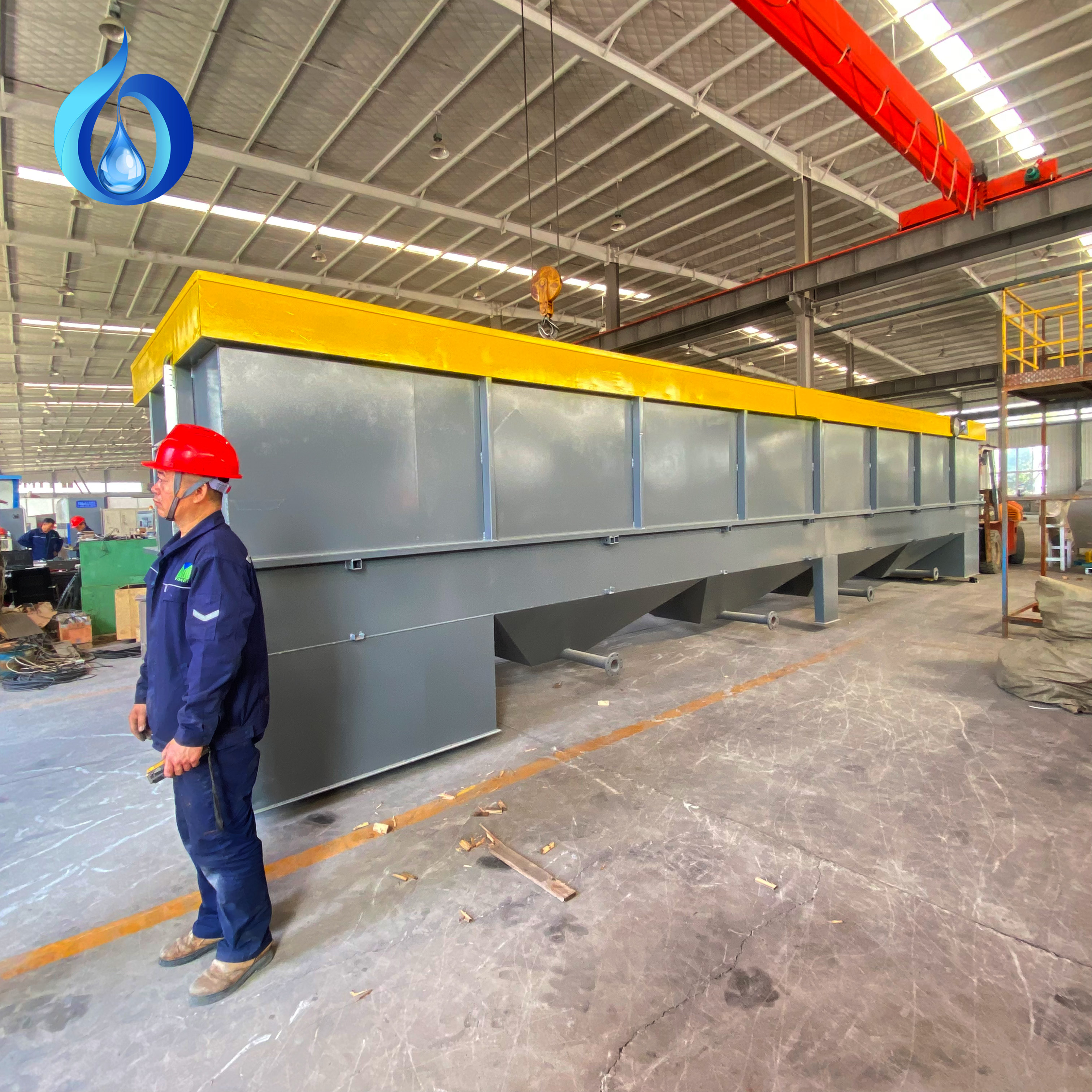
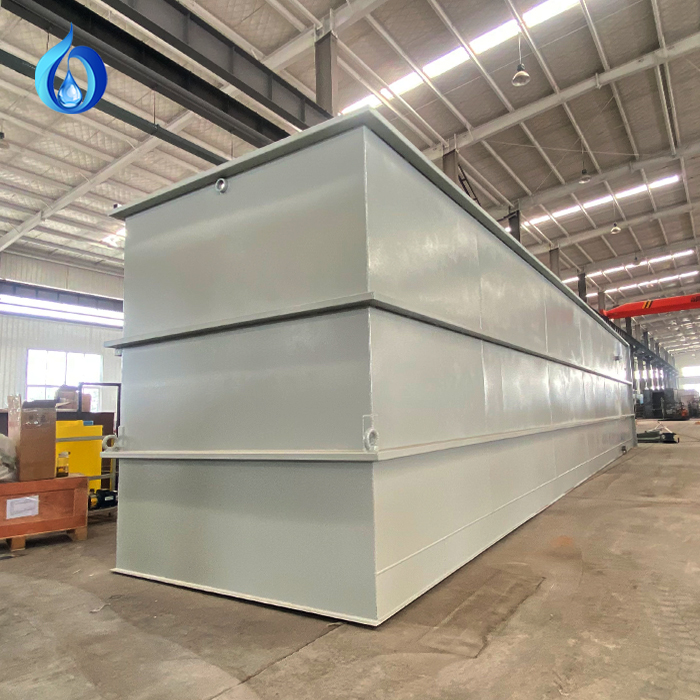
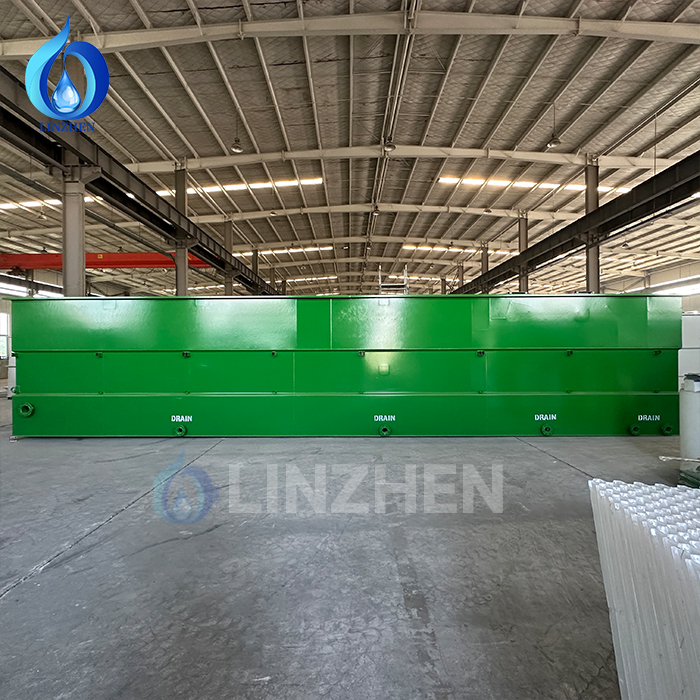
Biological wastewater treatment has long been considered a cornerstone of industrial effluent management, offering cost-effective microbial-driven purification for many factory applications. However, when industrial facilities generate wastewater with elevated salt concentrations, the question becomes urgent: can biological wastewater treatment alone deliver adequate results, or do factories require supplementary treatment methods? This distinction matters significantly for plant operators, environmental compliance managers, and capital planners tasked with meeting discharge standards while controlling operational costs. The answer is nuanced and depends on salt concentration levels, treatment objectives, and regulatory requirements specific to your industrial context.
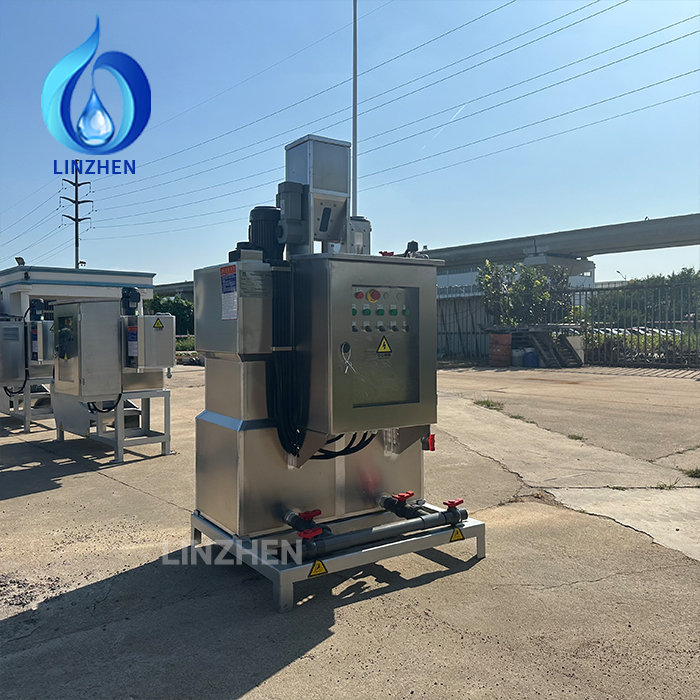
High-salt wastewater presents a distinct challenge because elevated salinity interferes with the microbial metabolism that drives biological wastewater treatment systems. When salt concentrations exceed the tolerance threshold of treatment microorganisms, treatment efficiency drops sharply, reducing organic pollutant removal rates and potentially causing system failure. Understanding these limitations helps factories design treatment strategies that combine biological wastewater treatment with complementary technologies to achieve reliable, compliant discharge quality.
Why Biological Wastewater Treatment Alone Falls Short in High-Salt Environments
Osmotic Stress on Microorganisms
Biological wastewater treatment relies on beneficial microorganisms—bacteria, protozoa, and fungi—to break down organic contaminants through metabolic processes. When salt concentrations in wastewater exceed 10,000 to 15,000 mg/L, these microorganisms experience severe osmotic stress, causing cell dehydration and metabolic collapse. The salt ions disrupt enzyme function and interfere with nutrient transport across microbial cell membranes. As a result, biological wastewater treatment systems that worked effectively for typical factory effluent suddenly lose their effectiveness, leaving high concentrations of organic pollutants in the treated discharge. This limitation is not easily overcome by simply increasing aeration or detention time; the fundamental biological wastewater treatment mechanism itself becomes compromised by the high-salt environment.
Reduced Microbial Diversity and Activity
In a healthy biological wastewater treatment system, diverse microbial communities work synergistically to degrade pollutants. High salinity selects heavily for halophilic (salt-tolerant) microorganisms while suppressing the activity of conventional treatment microbes. This dramatic shift in microbial ecology means that biological wastewater treatment no longer functions as designed. Even specialized salt-tolerant organisms process organic matter much more slowly than conventional microbes. For factories discharging high-salt effluent, relying on biological wastewater treatment alone often results in incomplete pollutant removal, potential violations of discharge permits, and regulatory fines.
Combined Treatment Approaches for High-Salt Industrial Wastewater
Pre-treatment and Physical Separation Methods
Modern industrial facilities managing high-salt wastewater typically employ a multi-barrier approach. Physical pre-treatment methods such as screening, settling, and flotation remove suspended solids and oil before wastewater enters the biological stage. More critically, reverse osmosis (RO) or nanofiltration (NF) systems can reduce salt concentrations before biological wastewater treatment begins, allowing microorganisms to function within their optimal salinity range. Some factories use evaporation or crystallization to remove salts entirely before the biological treatment step. This staged approach ensures that when wastewater reaches the biological wastewater treatment reactor, salt levels are low enough for microbial metabolism to proceed effectively. By combining physical salt removal with biological wastewater treatment, factories achieve superior removal of both inorganic salts and organic pollutants.
Chemical Precipitation and Oxidation
Many high-salt factory discharges also contain problematic trace metals, phosphorus, or recalcitrant organic compounds resistant to biological wastewater treatment alone. Chemical precipitation using coagulants and flocculants removes suspended and colloidal material, improving downstream biological treatment performance. Advanced oxidation processes such as ozonation or UV-catalyzed oxidation can break down salt-resistant pollutants that biological wastewater treatment cannot handle. When integrated before or in parallel with biological wastewater treatment, these chemical methods convert recalcitrant compounds into forms that microorganisms can readily degrade. The combination is particularly effective for textile, chemical manufacturing, or food-processing facilities where high-salt effluent contains diverse organic pollutants.
Practical Decision Framework for Factory Operators
Assessing Salt Concentration and Discharge Standards
The first step is laboratory analysis to determine exact salt concentration (total dissolved solids, or TDS) in your factory's wastewater. If TDS is below 5,000 mg/L, biological wastewater treatment alone may suffice if organic content is typical and microorganisms acclimate properly. If TDS exceeds 15,000 mg/L, biological wastewater treatment alone is almost certainly insufficient; combined treatment is essential. Between 5,000 and 15,000 mg/L, pilot testing with your specific wastewater is prudent to determine treatment feasibility. Additionally, review your local or national discharge regulations to identify specific limits for salt content, biochemical oxygen demand (BOD), chemical oxygen demand (COD), and other parameters. If regulations mandate salt removal—increasingly common in water-scarce regions—biological wastewater treatment alone cannot meet those requirements regardless of organic pollutant removal.
Cost-Benefit Analysis of Combined Systems
Implementing a biological wastewater treatment system combined with salt removal and chemical treatment requires higher capital investment and operational complexity than biological wastewater treatment alone. However, the cost of non-compliance—regulatory penalties, discharge bans, or forced facility shutdowns—often far exceeds investment in adequate treatment. Additionally, advanced biological wastewater treatment systems paired with physical or chemical pre-treatment often recover energy, reduce sludge volume, or enable wastewater recycling, offsetting initial costs over the system's lifetime. Operators should evaluate total cost of ownership, not just upfront capital, when deciding whether biological wastewater treatment alone is acceptable or whether combined treatment is justified.
Frequently Asked Questions
Can biological wastewater treatment systems be acclimated to handle high-salt conditions?
Gradual acclimation can increase salt tolerance in biological wastewater treatment systems, but only to a limited degree. Some halophilic microorganisms will establish over time, allowing modest improvements in salt tolerance. However, biological wastewater treatment performance plateaus well below conventional removal rates once salt concentration exceeds approximately 10,000 mg/L. Acclimation is not a reliable substitute for actual salt removal through physical methods. Most industrial applications requiring robust, predictable performance combine biological wastewater treatment with salt-removal technologies rather than relying on acclimation alone.
What alternative technologies can replace biological wastewater treatment for high-salt wastewater?
No single alternative fully replaces biological wastewater treatment for all pollutants, especially for high-salt streams. Reverse osmosis removes salt and many contaminants but requires significant energy and generates concentrated brine. Electrocoagulation, advanced oxidation, or membrane filtration can handle specific contaminants but do not replicate the broad organic pollutant removal capacity of biological wastewater treatment. The most effective approach is hybrid: use biological wastewater treatment combined with complementary technologies selected based on your specific pollutant profile and discharge limits.
Is biological wastewater treatment combined treatment more expensive than treating high-salt wastewater with non-biological methods alone?
Combined biological wastewater treatment systems typically cost less than purely physical or chemical approaches when dealing with mixed organic and inorganic contamination. Biological wastewater treatment provides cost-effective organic removal once salt levels are controlled, reducing the chemical oxidation or advanced treatment load. However, capital costs vary widely depending on flowrate, wastewater complexity, and local disposal regulations. A proper economic comparison requires site-specific pilot testing and cost modeling; assuming biological wastewater treatment combined treatment is automatically more expensive is a common mistake that leads to inadequate treatment system design.
 EN
EN