Industrial wastewater treatment represents one of the most critical challenges facing modern manufacturing facilities, chemical plants, refineries, and processing operations worldwide. Each industry generates unique contaminant profiles that require specifically designed industrial wastewater treatment strategies to meet regulatory standards and environmental compliance requirements. Understanding how industrial wastewater treatment is tailored to different pollutant types enables facility managers to implement cost-effective solutions while protecting water resources and maintaining operational continuity.
The approach to industrial wastewater treatment varies fundamentally based on the chemical composition, concentration levels, and source of contamination present in each effluent stream. Tailoring industrial wastewater treatment to specific pollutant types ensures optimal removal efficiency, regulatory compliance, and long-term sustainability of treatment operations. This article explores how different industrial wastewater treatment methodologies address distinct pollutant categories and the factors that drive treatment technology selection.
Understanding Pollutant Categories in Industrial Wastewater Treatment
Organic Pollutant Removal Through Industrial Wastewater Treatment
Organic pollutants present unique challenges in industrial wastewater treatment because they vary widely in biodegradability, toxicity, and concentration levels. Industrial wastewater treatment for organic contaminants typically combines biological processes with chemical oxidation methods. Facilities treating pharmaceutical effluent, food processing discharge, or textile mill wastewater employ industrial wastewater treatment protocols that leverage activated sludge systems, membrane bioreactors, or aerobic digestion to break down carbon-based compounds. The selection of industrial wastewater treatment technology depends on whether the organic matter is readily biodegradable or requires advanced oxidation processes such as ozonation or photocatalysis to achieve treatment objectives.
Heavy Metal and Inorganic Pollutant Management
Heavy metals and inorganic ions demand distinctly different industrial wastewater treatment approaches compared to organic contaminants. Industrial wastewater treatment for heavy metals typically involves precipitation, chelation, ion exchange, or electrochemical processes that concentrate or separate metallic species from the water matrix. Mining operations, metal fabrication facilities, and electroplating shops rely on specialized industrial wastewater treatment systems designed to remove cadmium, chromium, lead, nickel, and zinc ions. Industrial wastewater treatment using precipitation chemistry allows metals to form insoluble hydroxides or sulfides that can be separated through settling or filtration, while ion exchange resins in industrial wastewater treatment capture and concentrate specific metal ions for recovery or disposal.
Customized Industrial Wastewater Treatment Technologies
Physical and Chemical Treatment Methods
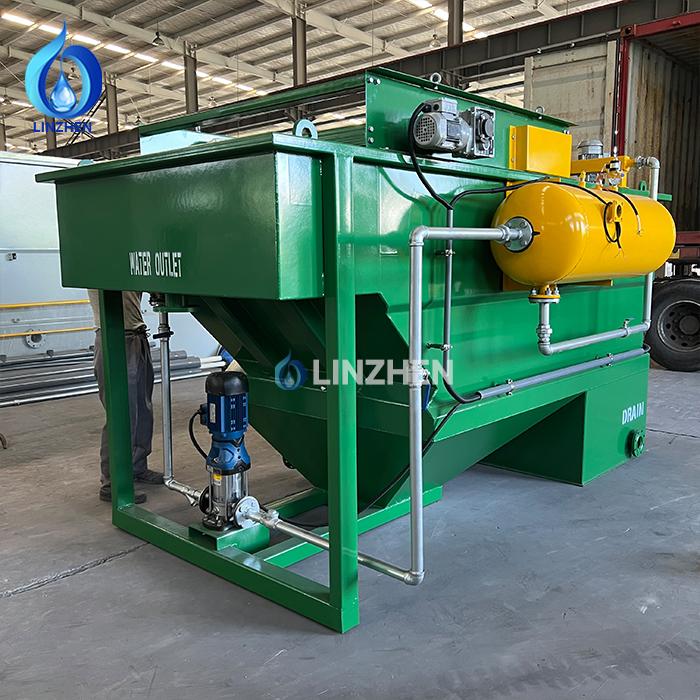
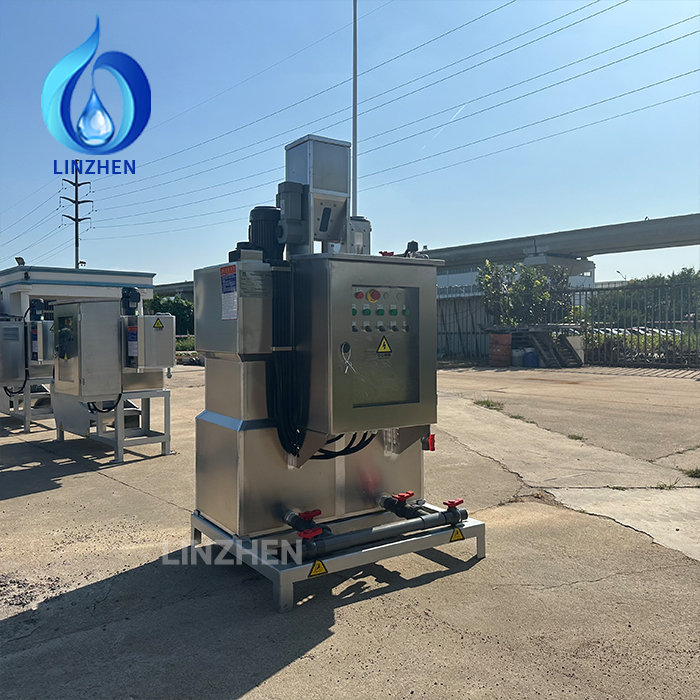
Industrial wastewater treatment begins with physical separation processes including screening, sedimentation, flotation, and filtration to remove suspended solids and gross contaminants. Chemical treatment in industrial wastewater treatment operations involves coagulation, flocculation, pH adjustment, and industrial wastewater treatment chemical dosing systems that precisely control reagent addition. For facilities handling oily wastewater, industrial wastewater treatment includes oil-water separation technologies such as dissolved air flotation or hydrocyclone systems. Industrial wastewater treatment design engineers select specific physical and chemical combinations based on target pollutant characteristics, flow rate requirements, and space constraints within industrial facilities.
Biological and Advanced Treatment Approaches
Biological industrial wastewater treatment harnesses naturally occurring microorganisms to degrade organic pollutants and convert ammonia-nitrogen compounds into harmless nitrogen gas. Industrial wastewater treatment systems using extended aeration, sequencing batch reactors, or moving bed biofilm reactors offer flexibility in handling fluctuating pollutant loads common in industrial operations. When conventional industrial wastewater treatment proves insufficient, advanced oxidation processes including ozone treatment, ultraviolet photolysis, and hydrogen peroxide oxidation provide additional pollutant destruction pathways. Industrial wastewater treatment selection considers biochemical oxygen demand reduction, nutrient removal, and pathogen elimination as primary treatment objectives aligned with discharge permit requirements and receiving water quality standards.
Industry-Specific Industrial Wastewater Treatment Applications
Sector-Tailored Treatment Strategies
Each industrial sector requires customized industrial wastewater treatment approaches reflecting unique pollutant profiles and operational characteristics. Petroleum refineries implement industrial wastewater treatment processes addressing crude oil derivatives, sulfur compounds, and dissolved hydrocarbons through gravity separation and biological oxidation. Chemical manufacturing facilities operating industrial wastewater treatment systems must handle reactive organic compounds, heavy metals, and salts requiring multi-stage treatment sequences. Food processing plants utilize industrial wastewater treatment combining screening, fat separation, biological digestion, and disinfection to address organic matter, fats, oils, and suspended solids. Pharmaceutical manufacturers employ industrial wastewater treatment incorporating activated carbon adsorption, membrane filtration, and advanced oxidation to eliminate drug residues and synthesis byproducts. The complexity of industrial wastewater treatment increases proportionally with product diversity and effluent variability within each manufacturing operation.
Regulatory Compliance and Treatment Optimization
Industrial wastewater treatment system design must satisfy increasingly stringent discharge standards established by environmental protection agencies and local water quality regulators. Industrial wastewater treatment engineers conduct detailed characterization studies analyzing pollutant concentrations, biodegradability coefficients, and treatment removal efficiency targets before finalizing system specifications. Continuous monitoring throughout industrial wastewater treatment operations ensures treatment processes maintain compliance with parameter limits for biochemical oxygen demand, chemical oxygen demand, suspended solids, nitrogen, phosphorus, and specific pollutants. Industrial wastewater treatment performance optimization involves regular maintenance, process monitoring, and adaptive adjustments responding to seasonal variations in feed water composition and ambient temperature fluctuations affecting microbial activity rates.
FAQ
What makes industrial wastewater treatment different from municipal treatment?
Industrial wastewater treatment addresses far more diverse and concentrated pollutant types compared to municipal systems designed primarily for domestic sewage. Industrial wastewater treatment must handle toxic chemicals, heavy metals, petroleum derivatives, and complex organic compounds at concentrations often exceeding municipal limits. Municipal systems employ standardized treatment processes, while industrial wastewater treatment requires customized technology combinations selected specifically for each facility's unique effluent characteristics and regulatory requirements.
How does industrial wastewater treatment determine appropriate technology selection?
Industrial wastewater treatment technology selection begins with comprehensive pollutant characterization identifying contaminant types, concentrations, and biodegradability properties. Treatment engineers conduct pilot studies evaluating how different industrial wastewater treatment processes remove target pollutants under facility-specific conditions. Industrial wastewater treatment final system design balances treatment efficiency, capital costs, operational expenses, regulatory compliance requirements, and available space within the industrial facility.
Can industrial wastewater treatment systems recover resources from treated effluent?
Many modern industrial wastewater treatment systems incorporate resource recovery technologies extracting valuable materials from treatment byproducts and separated contaminants. Industrial wastewater treatment processes recover metals through precipitation and electrowinning, capture biosolids for beneficial reuse or energy generation, and treat cleaned water for recycling within manufacturing processes. Industrial wastewater treatment combined with resource recovery improves operational economics while reducing overall environmental impact and water consumption across industrial operations.
 EN
EN