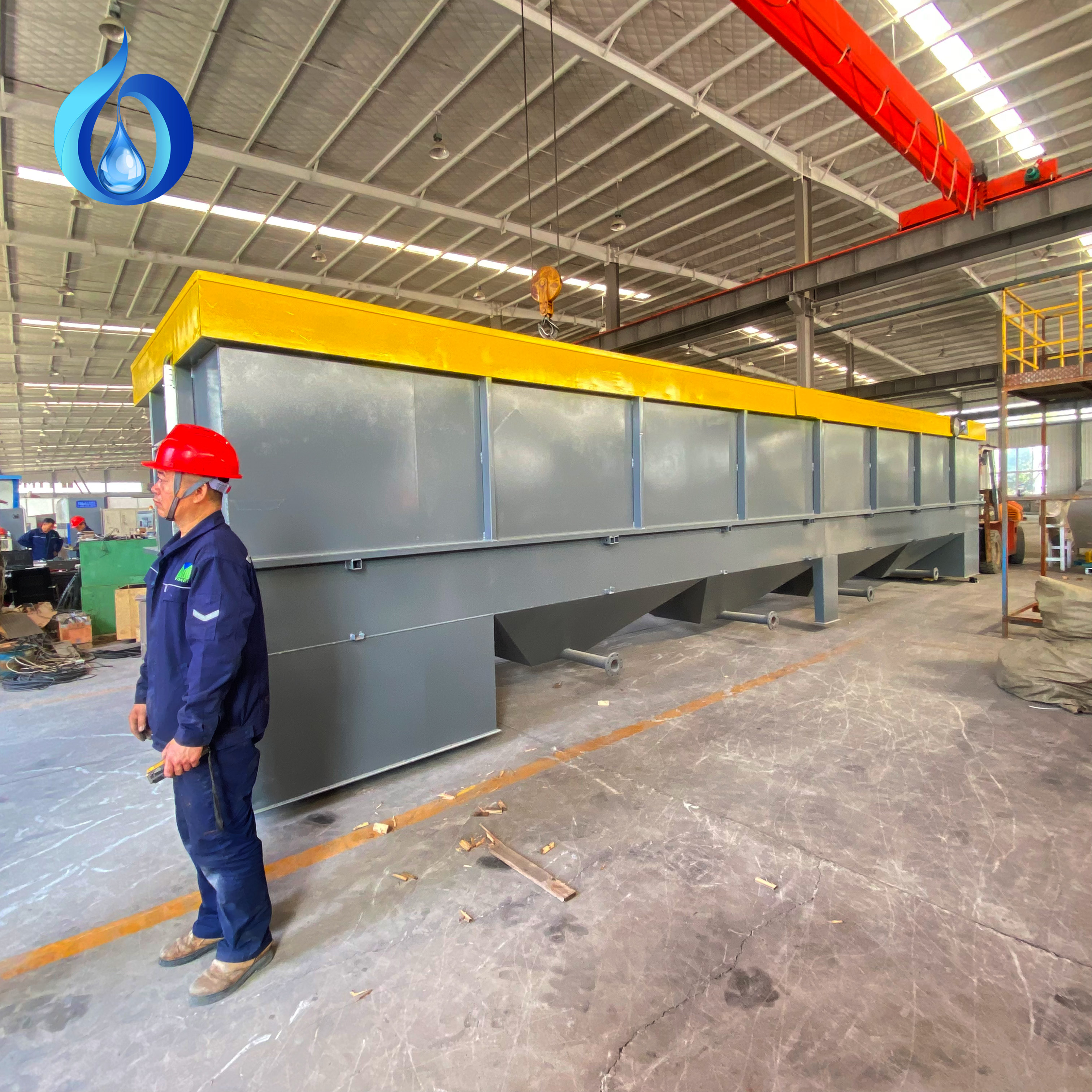
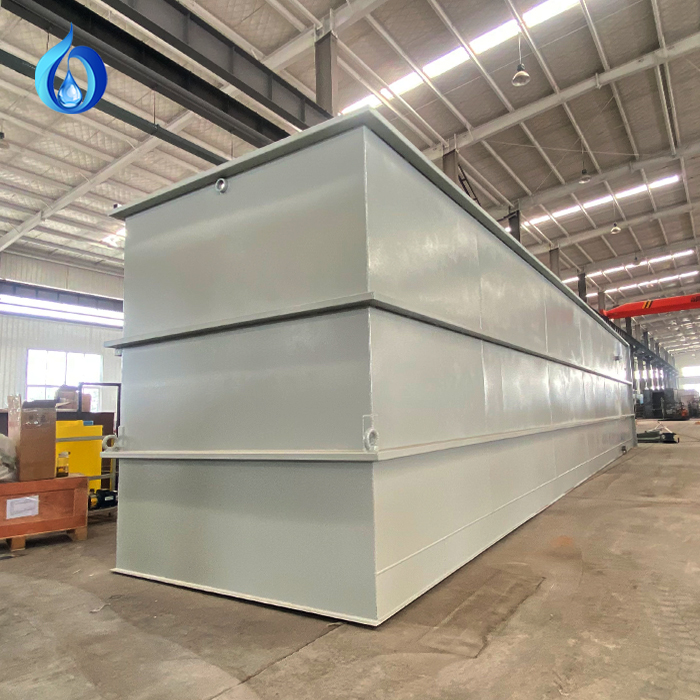
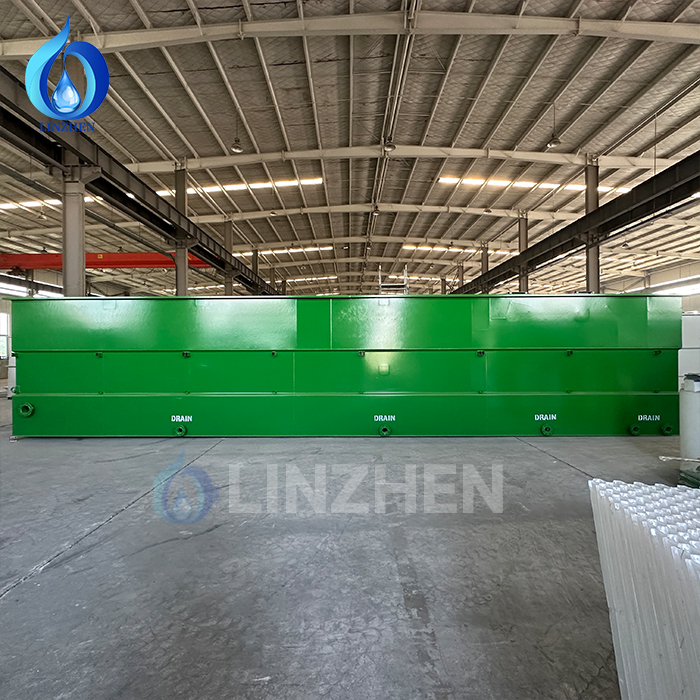
Wastewater treatment facilities face constant pressure to improve efficiency while managing operational costs effectively. Dissolved air flotation represents a fundamental shift in how treatment plants remove suspended solids, oils, and other contaminants from water. Understanding how dissolved air flotation differs from conventional settling methods is essential for facilities seeking to optimize their treatment processes and achieve better compliance outcomes. This comparison reveals why many modern treatment plants are transitioning to dissolved air flotation technology as their primary separation method.
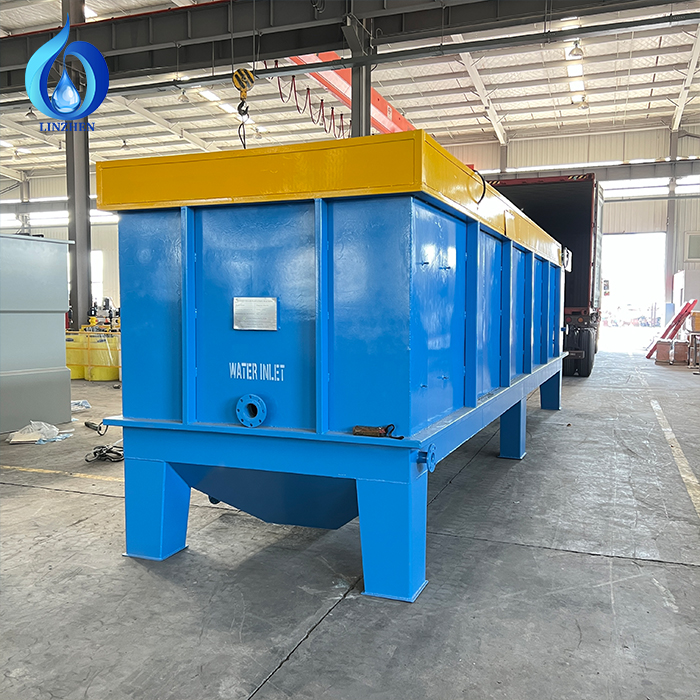
Conventional settling methods rely on gravity alone to separate heavier particles from water over extended time periods. These sedimentation tanks require large footprints and long detention times, sometimes 24 hours or more, to achieve adequate clarification. Dissolved air flotation operates on an entirely different principle, using pressurized air to create microscopic bubbles that lift lighter particles to the surface for removal. This fundamental difference in mechanism creates dramatic improvements in speed, space efficiency, and separation quality across diverse industrial and municipal applications.
Core Mechanism Differences Between Dissolved Air Flotation and Gravity Settling
How Conventional Settling Functions
Traditional sedimentation relies exclusively on gravitational force to settle suspended solids and dense particles to the tank bottom over time. Operators maintain carefully controlled flow rates to allow sufficient detention time, typically six to twenty-four hours depending on particle density and water characteristics. During this extended settling period, particles gradually descend while clarified water overflows from the tank. This passive approach works reasonably well for dense, easily settleable solids but performs poorly with low-density particles, colloids, and dispersed oils that resist gravity-driven separation.
How Dissolved Air Flotation Achieves Rapid Separation
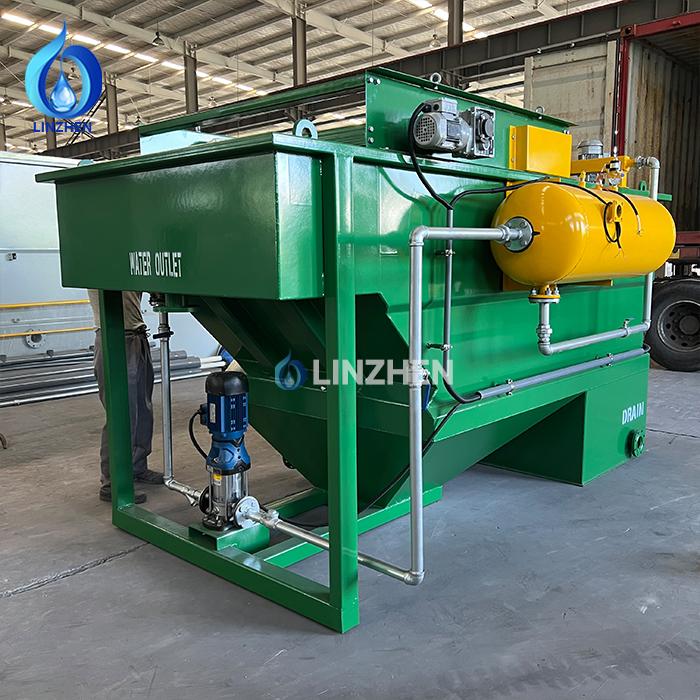
Dissolved air flotation operates through a completely different separation mechanism that fundamentally transforms treatment efficiency. Water is pressurized to approximately 70 psi in a retention chamber where it becomes saturated with compressed air. When this pressurized water is released into the flotation tank through a depressurization valve, the sudden pressure drop causes the dissolved air to precipitate as millions of microscopic bubbles. These tiny bubbles attach to suspended particles and oil droplets, making them less dense than water, causing them to float rapidly to the surface where they form a removable sludge layer. This active flotation process completes separation in minutes rather than hours, making dissolved air flotation dramatically faster than conventional settling.
Key Performance and Operational Advantages of Dissolved Air Flotation
Speed and Space Efficiency Improvements
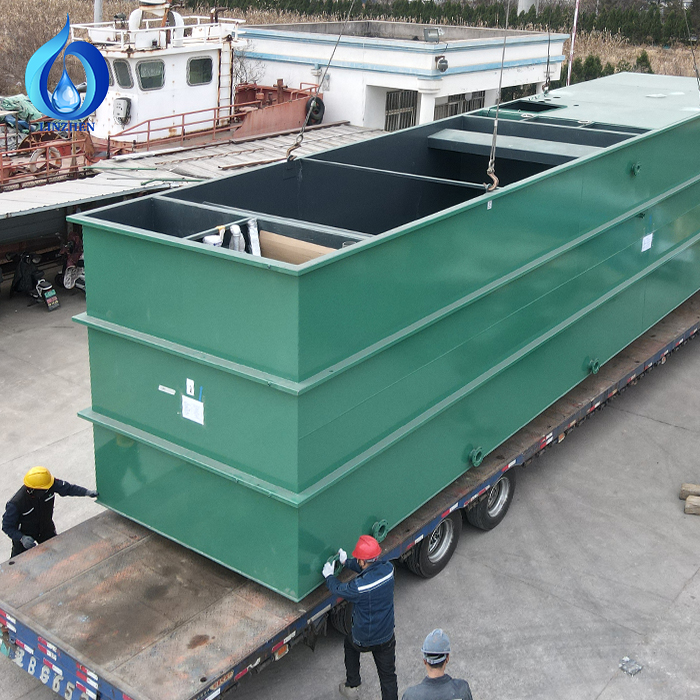
Dissolved air flotation achieves remarkable speed improvements that directly reduce facility footprint requirements and capital costs. While conventional settling requires 6 to 24 hours of detention time, dissolved air flotation typically completes the separation process in 15 to 30 minutes. This dramatic time reduction means a dissolved air flotation unit can process the same daily volume as a gravity settling tank that is 12 to 48 times larger. For facilities operating in space-constrained locations or facing expansion limitations, dissolved air flotation offers immediate advantages in land utilization and infrastructure efficiency. Smaller equipment footprints translate directly to lower construction costs, reduced land requirements, and easier retrofitting into existing treatment plants.
Superior Removal of Difficult-to-Treat Contaminants
Conventional settling struggles with low-density particles that resist downward movement and oil-in-water emulsions that behave unpredictably. Dissolved air flotation excels precisely where gravity settling fails, effectively removing dispersed oils, grease, and light suspended solids that would remain suspended in conventional tanks. The microscopic bubbles generated by dissolved air flotation provide a much larger surface area for particle attachment compared to the passive settling process. This superior bubble-particle interaction enables dissolved air flotation to remove particulates as small as 1 micron, compared to the 50-100 micron minimum for many conventional settling operations. Industries processing oily wastewater, food processing effluent, and cosmetic manufacturing find dissolved air flotation essential for meeting strict discharge standards that conventional settling cannot achieve.
Cost-Effectiveness and Operational Control Factors
Total Cost of Ownership Comparison
Initial equipment costs for dissolved air flotation installations exceed conventional settling systems due to the pressurization and air injection equipment required. However, the operational cost advantage strongly favors dissolved air flotation over the system lifetime. The dramatically reduced detention time and smaller tank requirements translate to lower pumping energy, reduced chemical usage, and faster treatment cycles. Dissolved air flotation facilities require approximately 40 to 60 percent less chemical coagulant than conventional settling methods treating identical feedstreams, creating substantial ongoing savings. Treatment plants operating dissolved air flotation report 20 to 30 percent reductions in total operational costs within the first three to five years, offsetting higher initial capital expenditure through improved efficiency and reduced chemical consumption.
Operational Flexibility and Control Precision
Conventional settling operates as a relatively inflexible process with limited adjustment capability once detention time, tank design, and flow rate are established. Dissolved air flotation provides operators with multiple control parameters that allow fine-tuning of treatment performance for changing influent characteristics. Adjusting air pressure, air saturation time, and chemical dosage in dissolved air flotation systems enables rapid response to variations in feed composition, temperature, and particle size distribution. This operational flexibility makes dissolved air flotation ideal for facilities receiving highly variable wastewater streams where treatment performance must adapt quickly to maintain consistent effluent quality. Municipal treatment plants receiving combined stormwater and sanitary flows particularly benefit from dissolved air flotation's ability to maintain performance across dramatically different influent conditions.
Real-World Application Scenarios Favoring Dissolved Air Flotation
Industrial and Specialized Treatment Applications
Dissolved air flotation has become the preferred technology for treating challenging industrial waste streams where conventional settling proves inadequate. Pharmaceutical manufacturing facilities, cosmetic production plants, and food processing operations generate effluent containing emulsified oils, suspended colloids, and light organic particles that resist gravity separation. These industries have extensively adopted dissolved air flotation specifically because this technology removes 90 to 98 percent of troublesome contaminants that conventional settling leaves behind. The automotive industry uses dissolved air flotation for treating paint booth wastewater and metalworking fluid separation, applications where conventional settling removes only 40 to 60 percent of suspended solids. Dissolved air flotation delivers the high-quality treatment these industries require to meet discharge permits and reuse objectives that conventional settling cannot satisfy.
Municipal and Large-Scale Wastewater Treatment
Municipal treatment plants increasingly deploy dissolved air flotation as a primary treatment stage to handle peak flow periods and improve overall plant reliability. Dissolved air flotation's compact design enables treatment plants to upgrade capacity without constructing large settling basins that consume valuable real estate in dense urban areas. Cities with aging infrastructure find dissolved air flotation offers a practical path to increase treatment capacity in space-constrained locations where expanding conventional settling basins is economically unfeasible. The combination of faster processing speed and higher removal efficiency makes dissolved air flotation particularly valuable during wet weather periods when influent flows surge and treatment demands intensify. Many plants operating dissolved air flotation report improved effluent quality and higher average removal rates compared to their previous conventional settling operations, resulting in better environmental compliance and regulatory performance.
FAQ
What are the primary mechanical differences between dissolved air flotation and conventional settling?
Conventional settling relies on gravity to separate suspended particles over extended detention periods lasting many hours. Dissolved air flotation uses pressurized air to create microscopic bubbles that attach to particles, making them float to the surface for rapid removal within minutes. This fundamental difference in separation mechanism gives dissolved air flotation dramatically superior speed and the ability to remove light particles and oils that conventional settling cannot effectively separate from water.
Does dissolved air flotation require different chemical treatment compared to conventional settling methods?
While both dissolved air flotation and conventional settling may use coagulants and flocculants to improve particle aggregation, dissolved air flotation typically requires 30 to 50 percent less chemical dosage to achieve equivalent or superior separation results. The more efficient bubble-particle interaction in dissolved air flotation systems maximizes the effectiveness of chemical additions, reducing overall chemical consumption and associated treatment costs compared to conventional settling operations treating similar feedstreams.
Can dissolved air flotation replace all conventional settling applications?
Dissolved air flotation effectively handles most applications where conventional settling is currently used, but specific evaluation is necessary for each application. Dissolved air flotation particularly excels for oily wastewater, low-density particles, and space-constrained facilities where conventional settling proves inadequate. However, treatment plant engineers should conduct pilot testing with actual facility feedwater to confirm dissolved air flotation performance for applications with extremely dense particles or unusual contaminant profiles before committing to full-scale installation.
 EN
EN