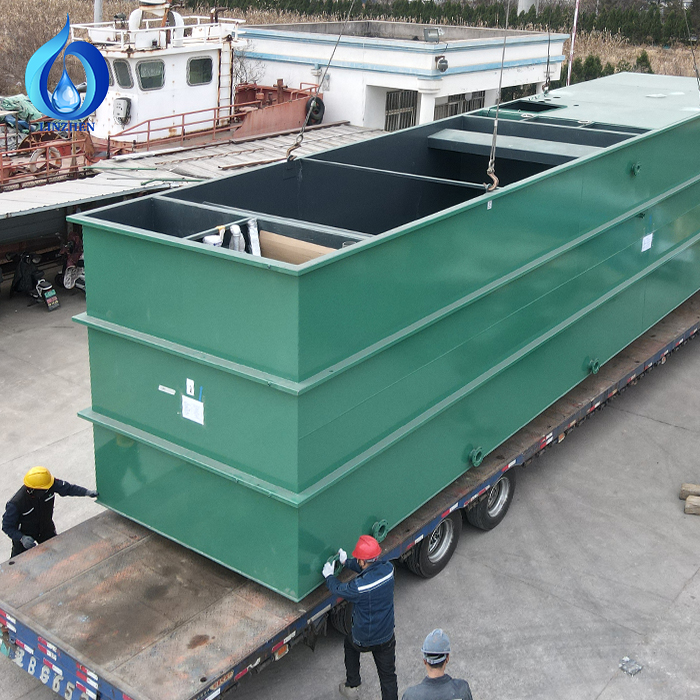
Engineering a commercial facility requires specialized environmental planning, making a modern industrial wastewater treatment system vital for manufacturing operations dealing with toxic contaminants. Industrial sectors such as electroplating, mining, chemical manufacturing, and battery production generate wastewater contaminated with hazardous substances like lead, cadmium, hexavalent chromium, and nickel. Selecting the right heavy metal removal process prevents ecological damage and protects facilities from strict legal sanctions. A well-engineered industrial wastewater treatment system ensures consistent wastewater treatment design compliance while lowering ongoing operational expenses.
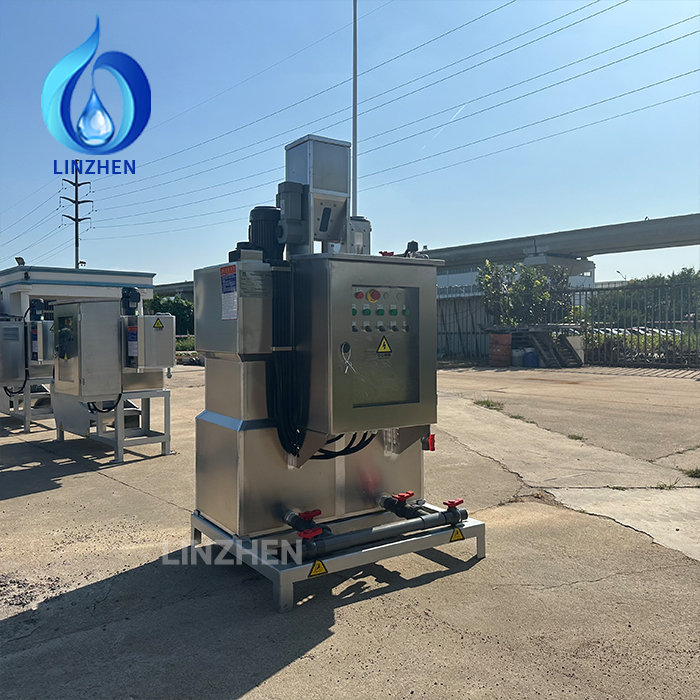
Every industrial plant discharges distinct effluent profiles, meaning that off-the-shelf equipment rarely achieves full compliance. Effective pH control in wastewater units, precise chemical dosing, and advanced clarification must work seamlessly together within the plant architecture. Designing a high-performance industrial wastewater treatment system requires analyzing hydraulic flow rates, organic loads, and specific chemical solubility curves. Implementing tailored chemical precipitation techniques inside an integrated industrial wastewater treatment system transforms hazardous raw effluent into clean water suitable for safe discharge or direct process recycling.
Pretreatment and Chemical Reaction Engineering
Maximizing Efficiency via Chemical Precipitation Techniques
The core mechanism for extracting dissolved metal ions relies on targeted chemical precipitation within the primary reaction tanks. When configuring an industrial wastewater treatment system, engineers add specific reagents—such as hydrated lime, sodium hydroxide, or organosulfides—to convert soluble metal ions into insoluble particulate hydroxide or sulfide compounds. Achieving efficient heavy metal removal requires establishing precise reaction conditions, as different metals precipitate at varying ionic points. A robust industrial wastewater treatment system includes multi-stage reaction chambers to optimize individual precipitation curves for complex multi-metal effluent streams.
Proper pH control in wastewater management dictates the success or failure of precipitation reactions. Maintaining optimal chemical equilibrium inside the industrial wastewater treatment system prevents re-dissolution of precipitated solids. Automated chemical dosing assemblies adjust reagent feeds continuously based on real-time feedback from digital sensor arrays. Incorporating automated pH control in wastewater infrastructure within your overall wastewater treatment design protects downstream polishing steps and minimizes unnecessary chemical waste during daily operation of the industrial wastewater treatment system.
Solid-Liquid Separation and Sludge Dewatering
Clarification Technologies for Heavy Metal Removal
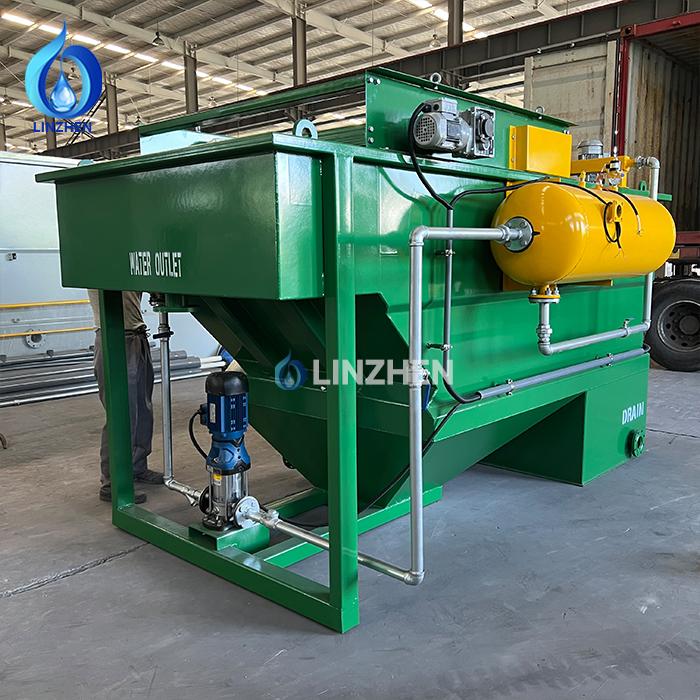
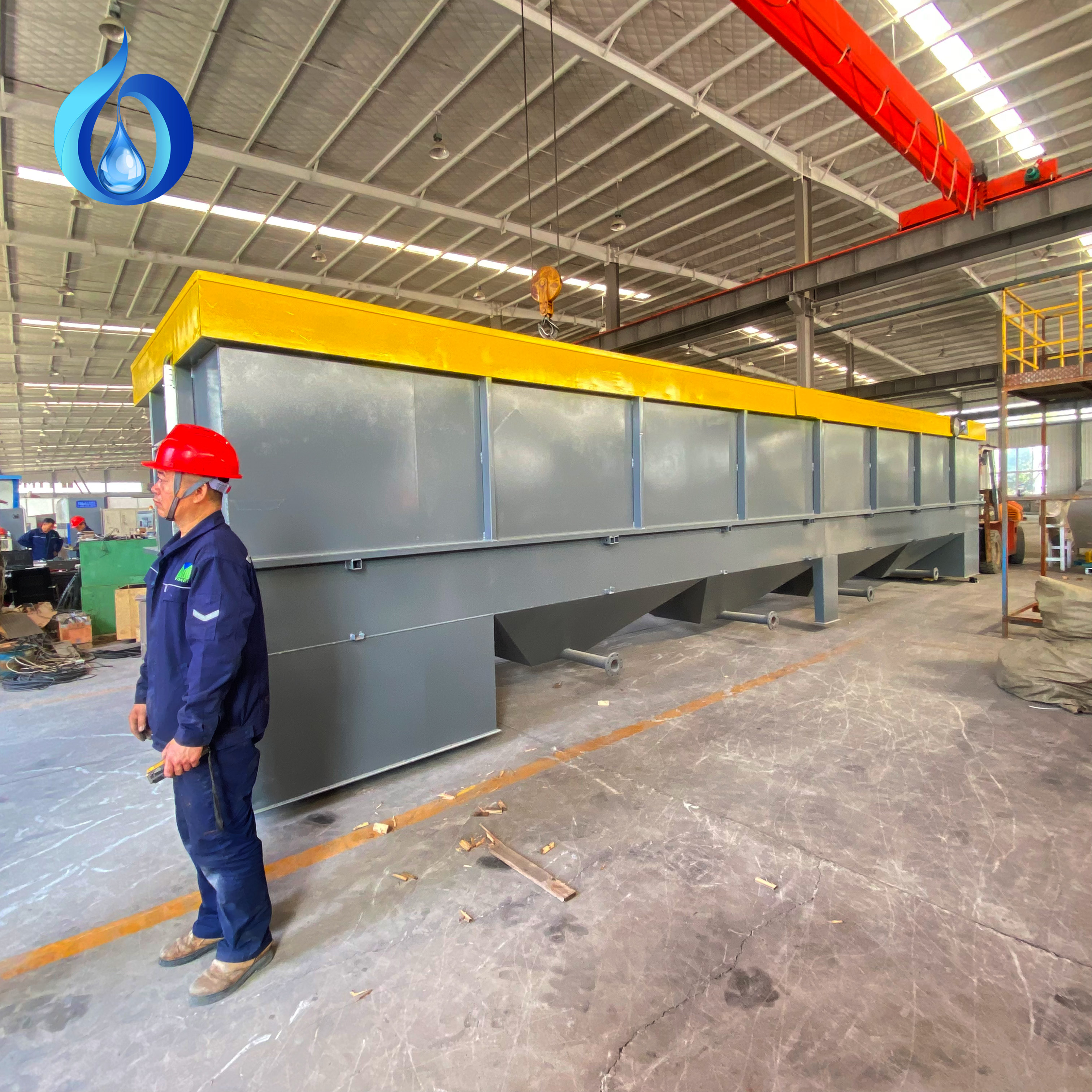
Once chemical precipitation converts dissolved metals into microscopic particles, physical separation must follow immediately. An advanced industrial wastewater treatment system incorporates coagulation and flocculation stages where polymeric flocculants bind tiny particles into large, rapidly-settling flocs. The wastewater treatment design utilizes high-rate lamella clarifiers or inclined plate settlers to separate dense metal sludges from the clarified water stream. Ensuring adequate retention time inside the industrial wastewater treatment system prevents light floc carryover and maintains high effluent clarity.
Managing concentrated metal sludge is a key financial factor when operating a full-scale industrial wastewater treatment system. Dewatering equipment—such as recessed plate filter presses or continuous centrifuges—reduces total sludge volume by extracting free water. Effective sludge volume reduction inside the industrial wastewater treatment system drastically cuts hazardous material handling and disposal fees. Modern wastewater treatment design standards mandate that sludge thickening and dewatering systems be integrated directly into the primary industrial wastewater treatment system workflow rather than treated as secondary add-ons.
Advanced Monitoring, Compliance, and Facility Optimization
Automated Process Monitoring and Intelligent Controls
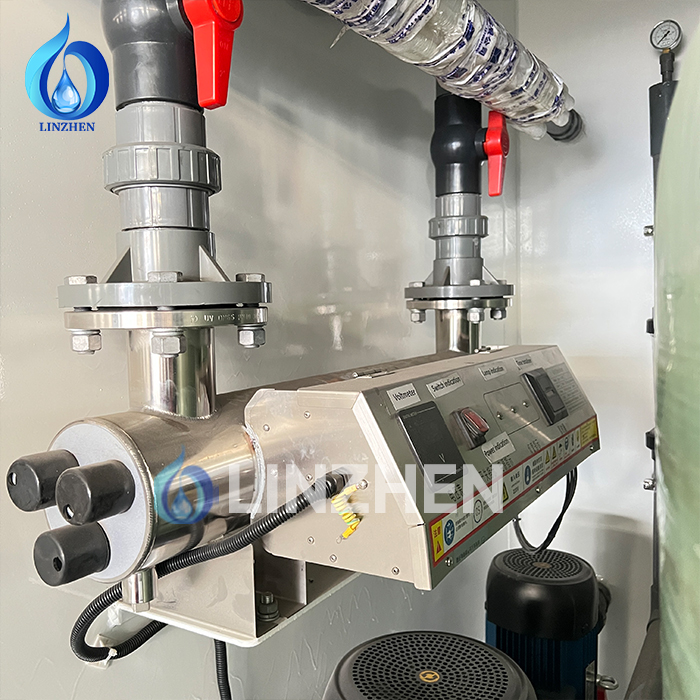
Maintaining continuous compliance requires reliable process automation throughout the industrial wastewater treatment system. Fluctuations in production volume or raw material chemistry cause sudden chemical shifts in incoming effluent streams. Integrating smart sensors for continuous pH control in wastewater streams, turbidity monitoring, and automated oxidation-reduction potential (ORP) tracking ensures the industrial wastewater treatment system adapts dynamically to incoming surge loads. Utilizing responsive control loops during heavy metal removal safeguards facility discharge permits without requiring constant manual operator interventions.
Finally, long-term operational success depends on regular preventative maintenance and total cost optimization. Implementing an automated chemical dosing system within your industrial wastewater treatment system regulates polymer consumption and stabilizes final water quality. Sourcing specialists and plant engineers who collaborate on comprehensive wastewater treatment design achieve significant energy savings, reduced chemical consumption, and reliable heavy metal removal. Installing a future-proof industrial wastewater treatment system ensures ongoing regulatory compliance as environmental standards become stricter globally.
FAQ
Why is automated pH control in wastewater treatment vital for heavy metal removal?
Precise pH control in wastewater is essential because heavy metals precipitate only within narrow pH bands. Automated monitoring ensures that the industrial wastewater treatment system maintains correct equilibrium, preventing metals from remaining dissolved or re-solubilizing prior to final discharge.
What is the role of chemical precipitation in an industrial wastewater treatment system?
Effective chemical precipitation transforms dissolved metal ions into insoluble solid particles. This critical chemical step allows the industrial wastewater treatment system to physically capture and remove toxic pollutants during subsequent clarification and filtration stages.
How does modern wastewater treatment design reduce long-term operational costs?
Smart wastewater treatment design integrates automated chemical dosing, efficient lamella clarifiers, and sludge dewatering equipment. These features optimize chemical consumption, lower power usage, and reduce hazardous waste disposal costs within the industrial wastewater treatment system.
 EN
EN