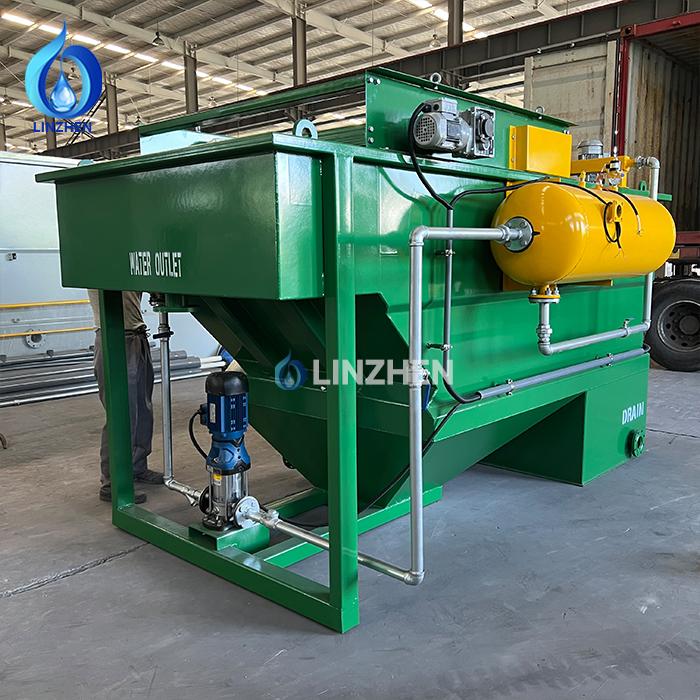
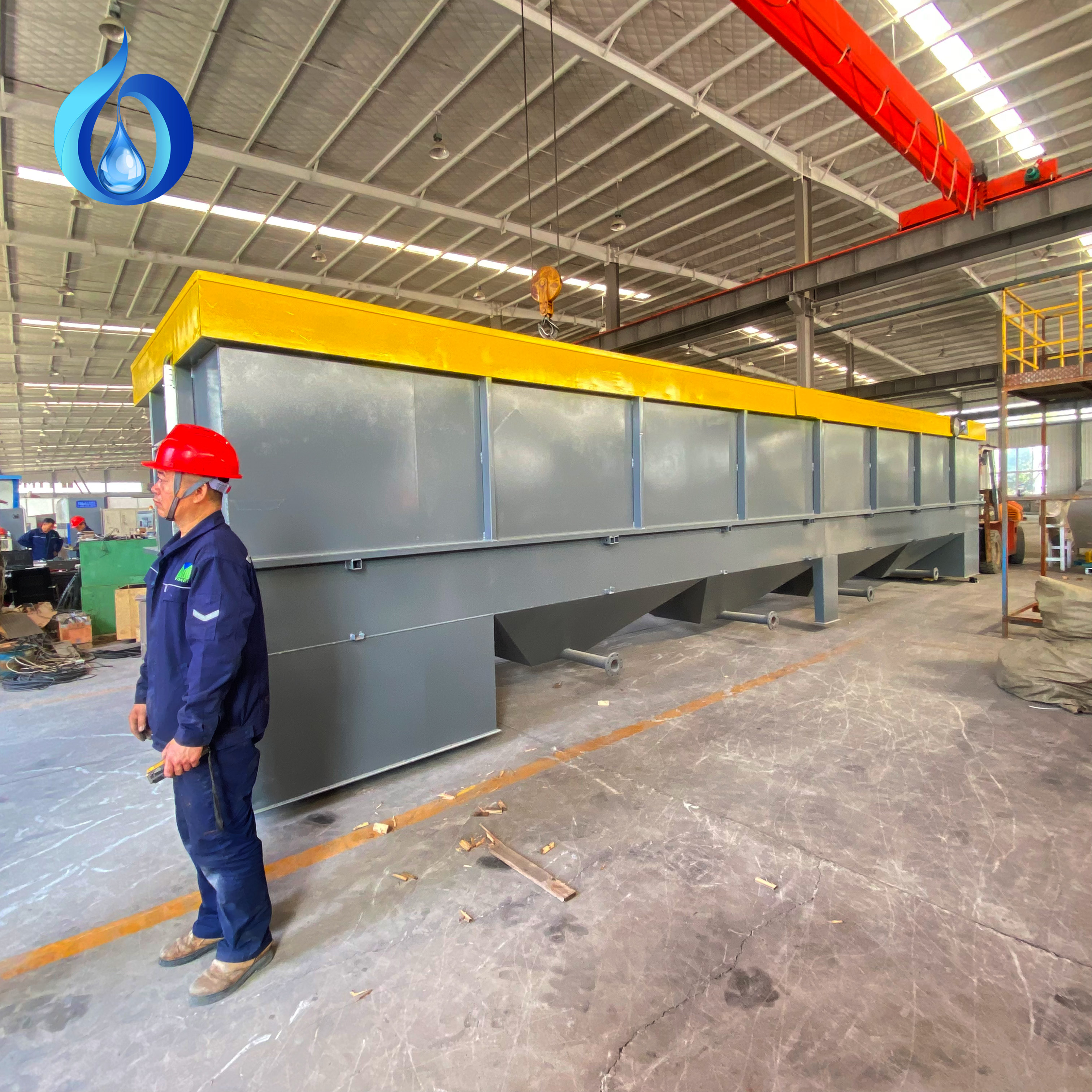
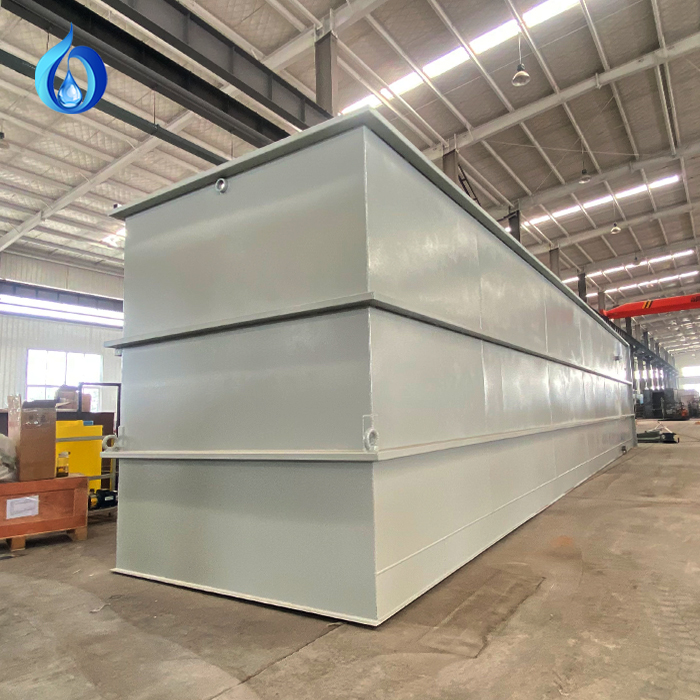
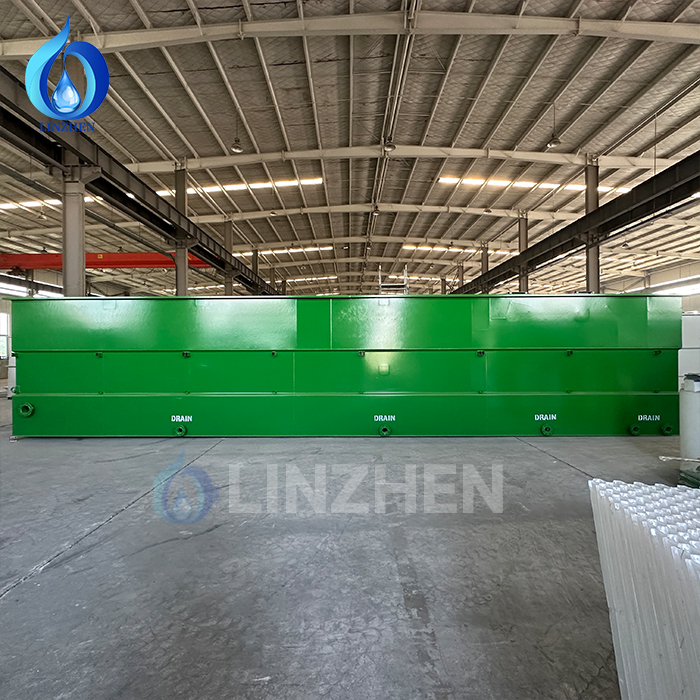
Achieving zero liquid discharge is one of the most challenging environmental goals in industrial operations today. A wastewater recycling system designed specifically for this purpose requires careful planning, integrated technology selection, and a deep understanding of treatment chemistry and process engineering. Unlike conventional wastewater treatment that focuses on regulatory compliance, a wastewater recycling system aimed at zero liquid discharge must recover, recycle, and reuse virtually all water while managing residual solids responsibly. This article explores how facilities can design and implement a wastewater recycling system that truly achieves zero liquid discharge outcomes.
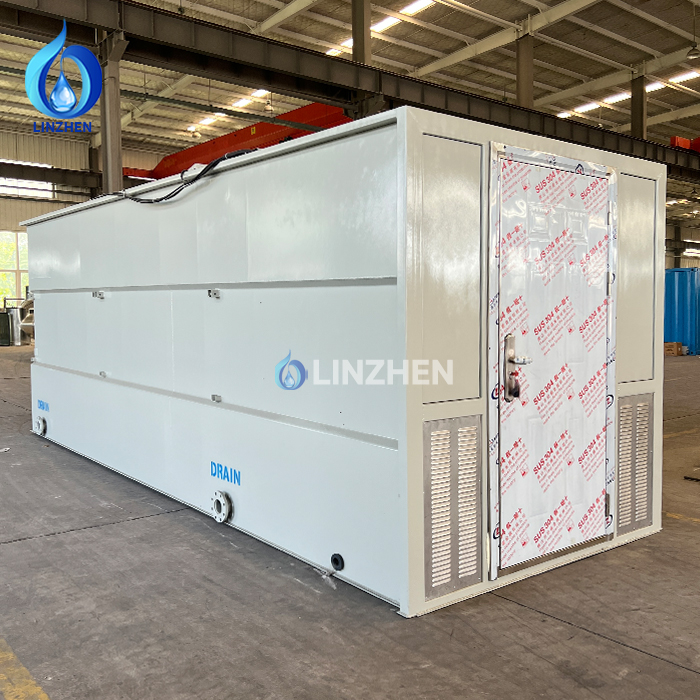
Zero liquid discharge represents a fundamental shift in how industries think about water management. Instead of treating wastewater and discharging it into receiving waters, a wastewater recycling system for zero liquid discharge captures all process water, treats it to required specifications, and returns it to production or beneficial use. This approach reduces environmental impact, protects water resources, lowers freshwater intake, and often reduces operating costs over the system lifetime. Understanding the design principles behind an effective wastewater recycling system is essential for facilities committed to environmental stewardship and regulatory advancement.
Core Treatment Stages in Zero Liquid Discharge Wastewater Recycling System Design
Primary and Secondary Treatment Integration
The foundation of any wastewater recycling system begins with removing suspended solids and organic matter through primary and secondary treatment stages. Primary treatment uses physical separation methods such as screening, grit removal, and settling to eliminate coarse particles and reduce organic loading. Secondary treatment employs biological processes, typically activated sludge or membrane bioreactors, to break down dissolved organic compounds and remove nitrogen and phosphorus. For a wastewater recycling system targeting zero liquid discharge, secondary treatment must achieve low suspended solids levels, typically below 10 mg/L, to prevent fouling in downstream membrane systems. These initial stages are non-negotiable because they directly protect the efficiency and lifespan of advanced treatment technologies in the wastewater recycling system.
Advanced Membrane Technologies
After primary and secondary treatment, a wastewater recycling system must employ advanced membrane filtration to achieve the water quality needed for recycling or discharge prevention. Microfiltration and ultrafiltration remove remaining suspended solids and microorganisms, producing water clean enough for sensitive industrial processes. Nanofiltration selectively removes dissolved salts, hardness, and specific contaminants while allowing water passage. Reverse osmosis represents the most aggressive membrane step in a wastewater recycling system, removing dissolved minerals, salts, and trace organics to produce high-purity water suitable for closed-loop recycling or sensitive operations. The choice of membrane configuration, pressure, and staging directly affects the energy efficiency and water recovery rate of the entire wastewater recycling system.
Advanced Treatment and Residuals Management in Wastewater Recycling System Operation
Oxidation and Polishing Technologies
To reach zero liquid discharge, a wastewater recycling system must incorporate oxidation and polishing steps that eliminate trace contaminants and ensure water reusability. Advanced oxidation processes, such as ultraviolet radiation combined with hydrogen peroxide or ozone treatment, break down resistant organic compounds and pharmaceutical residues that membrane technologies alone cannot remove. Activated carbon adsorption removes odor, color, taste, and specific chemical compounds. These polishing stages transform the output of a wastewater recycling system from treated discharge into genuine reclaimed water that meets the quality standards for process reuse, cooling water makeup, or toilet flushing applications. The integration of these technologies elevates a basic wastewater recycling system into a complete resource recovery platform.
Zero Liquid Discharge Through Residuals Handling
The critical distinction between conventional wastewater treatment and a true wastewater recycling system for zero liquid discharge lies in solids management. All treatment steps generate concentrate, sludge, or residuals that must be disposed of or beneficially reused. A wastewater recycling system achieves zero liquid discharge by evaporating or crystallizing this concentrate into dry solids, which can be landfilled, incinerated, or sent to recovery processes. Evaporation ponds, mechanical vapor recompression, thermal evaporation, and crystallization reactors are all employed in advanced wastewater recycling system designs to eliminate the liquid waste stream entirely. The energy cost of residuals processing is often the largest operational expense in a wastewater recycling system, making process efficiency and heat recovery critical design considerations.
System Integration and Operational Optimization for Wastewater Recycling System Performance
Process Monitoring and Automated Control
An effective wastewater recycling system must incorporate real-time monitoring and automated control systems to maintain treatment performance and water quality consistency. Sensors measure pH, turbidity, total dissolved solids, oxidation-reduction potential, and specific contaminants at each treatment stage. The wastewater recycling system controller adjusts chemical dosing, membrane backwashing frequency, and bypass flows automatically based on incoming water quality and production demand. Predictive maintenance algorithms embedded in the wastewater recycling system control system alert operators to membrane fouling, equipment degradation, or process upset before service interruptions occur. This intelligent operation transforms a static wastewater recycling system into a dynamic, responsive water resource recovery asset that adapts to changing conditions.
Energy Recovery and Sustainability Integration
Modern wastewater recycling system design emphasizes energy recovery to reduce operational costs and carbon footprint. Pressure-driven membrane processes, particularly reverse osmosis, create high-pressure concentrate streams that can drive turbines or power recovery devices, reducing pump energy demand. Heat from treated water, condenser cooling, or facility waste streams can preheat influent or drive thermal evaporation stages in the wastewater recycling system. Solar thermal collection, waste heat exchangers, and optimized pumping sequences all contribute to the overall efficiency of a wastewater recycling system. By treating the wastewater recycling system as part of an integrated facility energy and water ecosystem rather than an isolated treatment plant, operators can achieve both environmental and economic goals simultaneously.
FAQ
What is the main difference between a wastewater recycling system and conventional wastewater treatment?
Conventional wastewater treatment removes contaminants to meet discharge standards before releasing water to receiving environments. A wastewater recycling system goes further by treating water to reusable quality and eliminating all liquid discharge, making it a closed-loop resource recovery operation rather than an end-of-pipe treatment solution. The wastewater recycling system approach requires additional treatment stages, residuals handling, and operational sophistication to achieve zero liquid discharge goals.
How does a wastewater recycling system achieve truly zero liquid discharge?
A wastewater recycling system achieves zero liquid discharge by treating all wastewater to reusable quality through multiple treatment stages, then evaporating or crystallizing all remaining concentrate and sludge into dry solids for disposal or recovery. This complete elimination of liquid waste streams is what distinguishes a zero liquid discharge wastewater recycling system from conventional treatment. No liquid effluent is discharged to the environment; instead, all water is recovered for reuse and all solids are managed as residual products.
What are the primary operational costs associated with a wastewater recycling system?
The largest operational costs in a wastewater recycling system are typically energy consumption for membrane pressurization and thermal evaporation, followed by chemical costs for pretreatment and pH adjustment, and labor for monitoring and maintenance. Advanced wastewater recycling system designs recover energy from pressure-driven processes and waste heat streams to reduce overall energy expense. Proactive maintenance and optimized control extend equipment life and reduce emergency repairs, improving the total cost of ownership for a wastewater recycling system.
 EN
EN