A sludge dewatering machine represents one of the most critical components in modern wastewater treatment systems, yet many facility operators and engineers struggle to understand how this equipment fits into the broader treatment workflow. The integration of a sludge dewatering machine into a full treatment line requires careful planning, proper sequencing, and alignment with upstream and downstream processes. Without proper integration, even the most advanced sludge dewatering machine cannot deliver the moisture reduction, operational efficiency, and cost savings it promises.
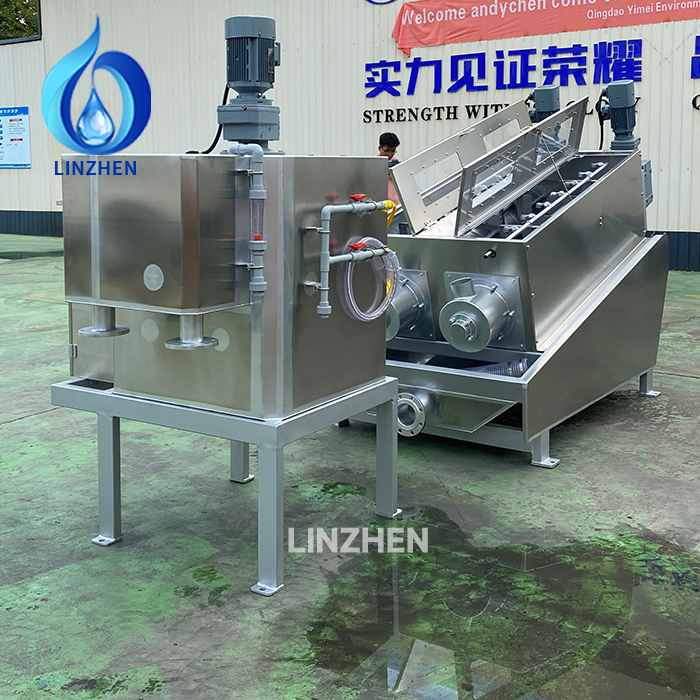
Understanding the integration of a sludge dewatering machine into your treatment line means recognizing both the physical placement requirements and the operational dependencies that connect this equipment to thickening stages, conditioning systems, and final disposal pathways. A well-integrated sludge dewatering machine transforms raw sludge into manageable solids, reducing volume by up to 80 percent while lowering transportation and disposal costs. This article explores the practical steps, system design considerations, and performance benchmarks that define successful sludge dewatering machine integration within a wastewater sludge treatment line.
Pre-Treatment and Conditioning Before Sludge Dewatering Machine Deployment
Thickening and Sludge Conditioning Requirements
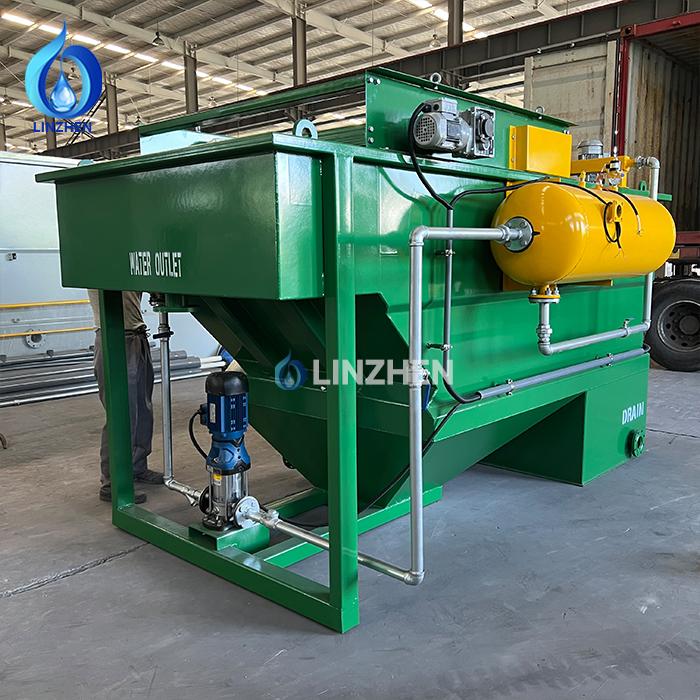
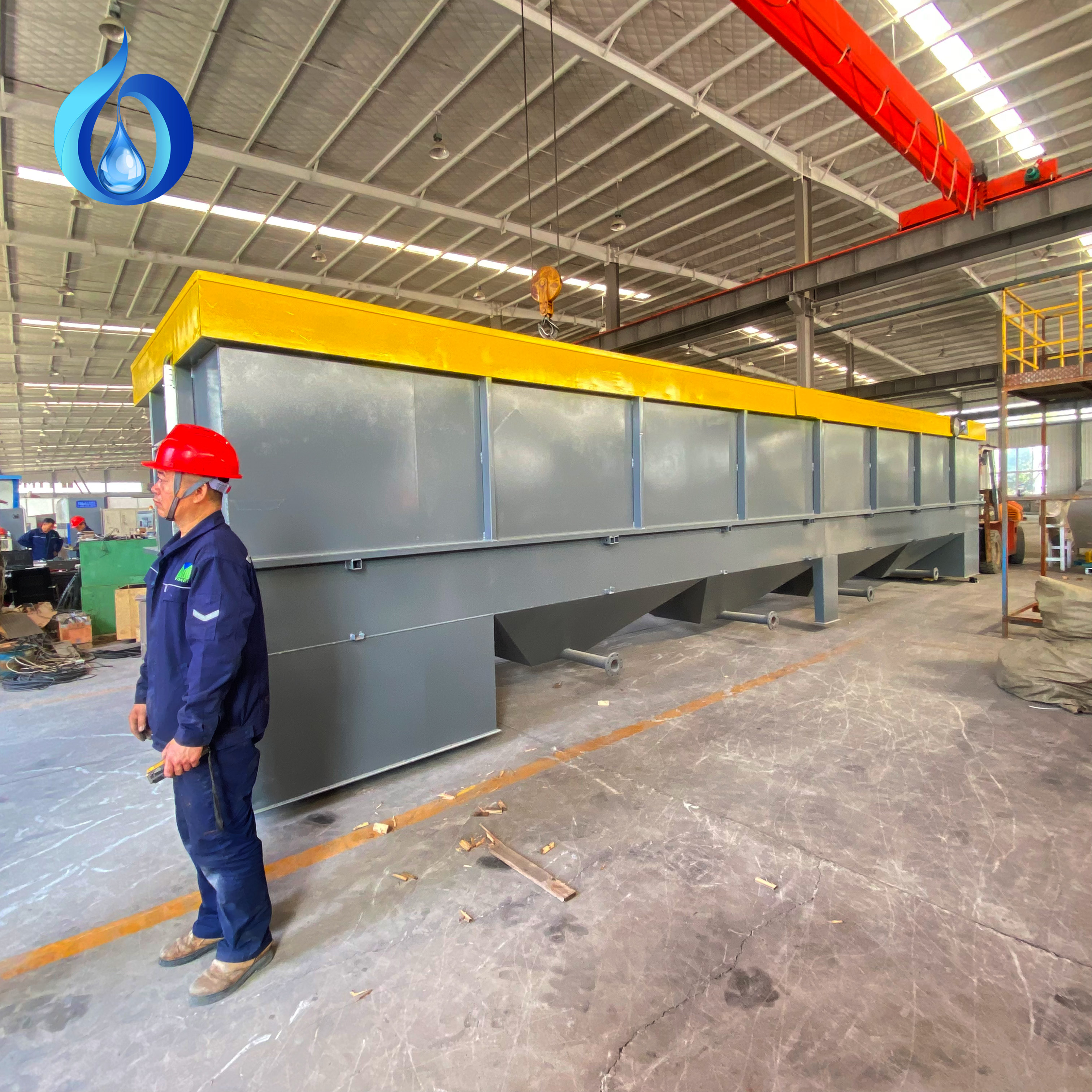
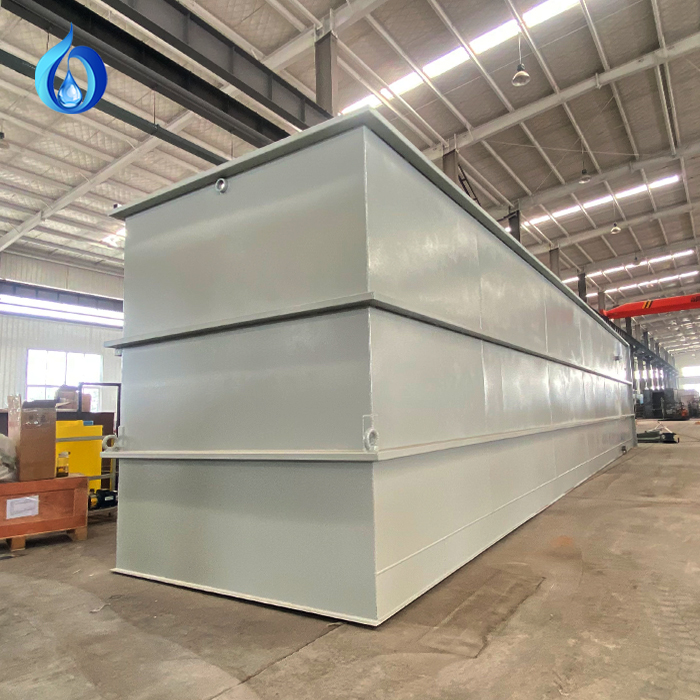
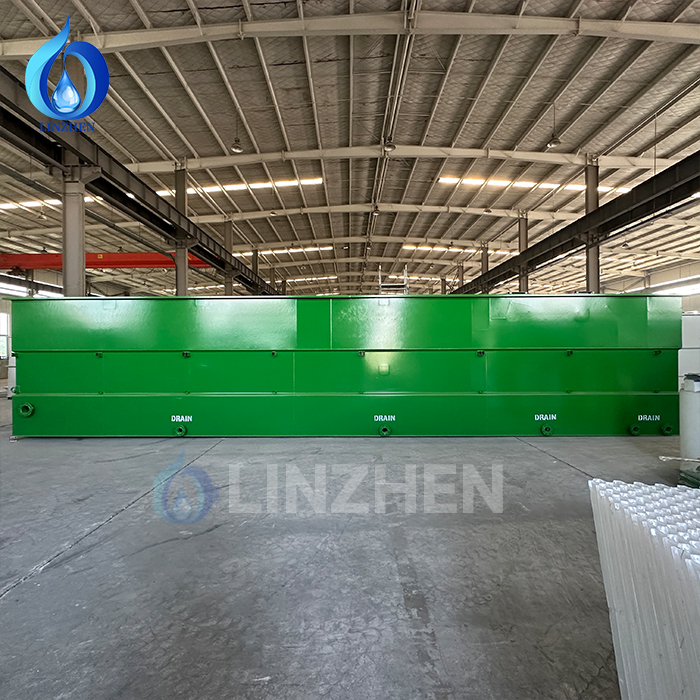
Before any sludge dewatering machine can operate effectively, the incoming sludge must reach appropriate solids concentration through proper sludge conditioning for dewatering. Thickening processes, such as gravity settling or dissolved air flotation, concentrate raw sludge from 1-3 percent solids to 4-8 percent solids. This pre-thickened sludge then enters the conditioning stage, where chemical additives like polymer or lime are introduced to improve filterability. The sludge dewatering machine performs optimally when receiving conditioned sludge at consistent solids concentration and with proper chemical treatment.
Polymers work by bridging particles together, creating larger aggregates that release water more readily during the compression or centrifugal phases of the sludge dewatering machine. Lime addition, commonly used in biological sludge, raises pH and precipitates dissolved solids, enhancing cake formation. The conditioning step directly influences how efficiently the sludge dewatering machine can extract moisture. Undersized polymer dosing leads to poor performance and increased cake moisture content, while overdosing wastes chemicals and reduces overall profitability during sludge dewatering machine installation and operation.
Feed System Design and Flow Control
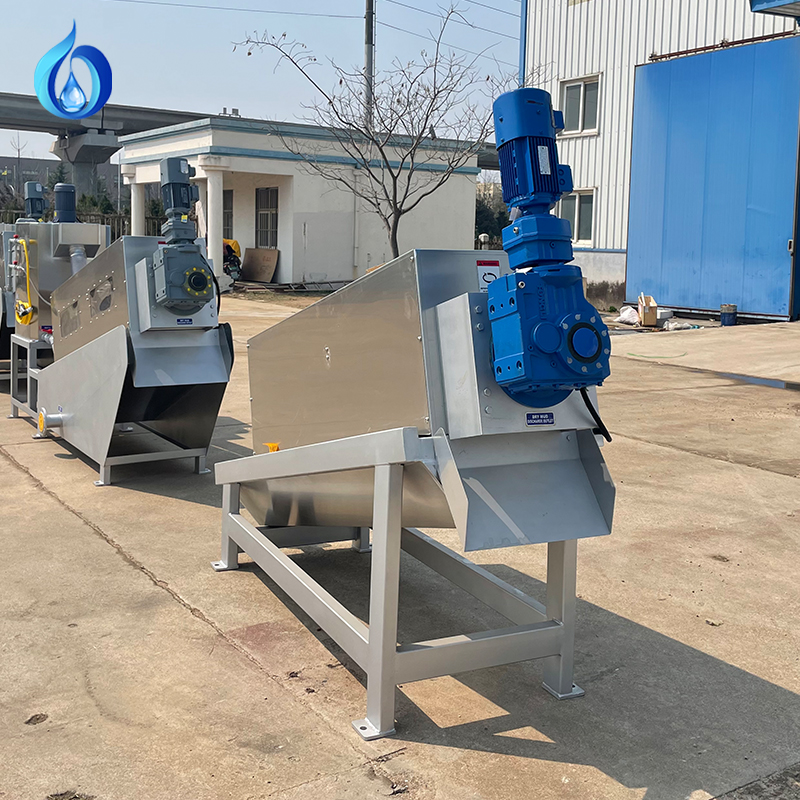
The feed system connecting the conditioning tank to the sludge dewatering machine must maintain steady flow and prevent material stratification. A progressive cavity pump or progressive discharge pump is typically used to deliver consistent sludge feed at controlled pressure and volumetric rate to the sludge dewatering machine. The inlet of the sludge dewatering machine accepts this feed and distributes it across the processing zone, whether that zone uses screw pressing, belt filter mechanisms, or centrifugal separation. Fluctuating feed rates cause the sludge dewatering machine to alternate between underutilized and overloaded conditions, degrading both dewatering efficiency and cake quality.
Flow measurement instrumentation downstream of the feed pump provides real-time data for process control. Operators adjust pump speed to match the nominal throughput capacity of the sludge dewatering machine, ensuring steady-state operation. Isolation valves and bypass lines allow maintenance access without disrupting the entire treatment line. This feed infrastructure is as critical to the performance of the sludge dewatering machine as the machine itself.
Integration Architecture Within the Full Treatment Line
Placement Sequencing and Process Interdependencies
The sludge dewatering machine occupies a defined position within the solids treatment pathway: after thickening and conditioning but before thermal drying, incineration, or land application. Some facilities use the sludge dewatering machine as the final solids processing step, while others feed its cake output into further drying equipment. This sequencing affects the entire facility's footprint, energy consumption, and disposal economics. A sludge dewatering machine positioned upstream of thermal drying reduces thermal load because initial dewatering removes 50-70 percent of sludge volume, cutting subsequent drying time and energy use significantly.
The mechanical sludge dewatering machine integrates with liquid-side processes through filtrate return lines. Filtrate—the liquid phase separated by the sludge dewatering machine—must be returned to the main liquid stream of the treatment plant, typically at the primary clarifier or aeration basin inlet. High-volume, high-solids filtrate can shock treatment biology if returned without gradual blending. Successful integration of a sludge dewatering machine accounts for this return flow in the plant's hydraulic balance and biological loading calculations.
Utility Connections and Infrastructure Requirements
Every sludge dewatering machine installation demands reliable power supply, water access for wash-down and system cooling, and compressed air for pneumatic controls. Motor power for a standard sludge dewatering machine ranges from 15 kW for smaller screw press models to 50+ kW for high-throughput centrifuges. Electrical load spikes during startup and operation require properly sized utility feeds and power conditioning to prevent voltage sag affecting other plant equipment. A dedicated control cabinet for the sludge dewatering machine houses variable frequency drives, motor starters, and programmable logic controllers that manage operation and protect the equipment.
Water consumption for the sludge dewatering machine includes cake moisture and auxiliary wash water for belt cleaning or scroll flights. Many facilities integrate wash water from the sludge dewatering machine into the filtrate return stream. Compressed air operates pneumatic valves, drives diffusers for polymer mixing, and provides backup controls if electrical systems fail. Planning the sludge dewatering machine installation requires coordination with facility maintenance, electricians, and utilities to ensure all support systems are properly sized.
Operational Control and Performance Optimization
Process Monitoring and Real-Time Adjustment
Proper sludge dewatering machine optimization relies on real-time process feedback through instrumentation and automated control logic. Moisture sensors measure cake moisture content at the discharge point, providing immediate data on the efficiency of the sludge dewatering machine. Pressure transducers monitor compressive forces within the sludge dewatering machine, indicating when material flow is optimal or when blockages are developing. Torque sensors on the drive motor detect rising resistance that signals polymer under-dosing or incoming sludge characteristics changes requiring operational adjustment.
Modern control systems adjust polymer dose, feed rate, and machine speed based on these sensor inputs, maintaining target cake moisture without manual intervention. Effective sludge dewatering machine optimization maximizes throughput and chemical efficiency while minimizing operational cost per ton of dry solids recovered. Facility operators monitor control performance through programmable logic controller data logs and trend analysis to maintain optimal performance for the sludge dewatering machine.
Maintenance Integration and Service Access
A properly integrated sludge dewatering machine includes designed maintenance access, replacement part staging, and predictive maintenance planning. Bearings, seals, and wear surfaces require regular inspection and timely replacement to prevent catastrophic failure that would halt the entire solids treatment line. Many facilities stock critical spare parts—motor bearings, polymer injection nozzles, and wear plates—to minimize downtime if the sludge dewatering machine requires emergency service. Leading sludge dewatering machine manufacturers provide comprehensive maintenance manuals and training programs to support long-term operation.
Seal and bearing replacement typically occurs during planned maintenance windows scheduled during low-flow periods when the sludge dewatering machine can be taken offline without severely impacting operations. Facilities with critical discharge timelines often operate the sludge dewatering machine at partial capacity to allow periodic maintenance without process interruption. Integration planning includes these maintenance windows and backup dewatering capacity if available.
FAQ
What upstream processes must be complete before sludge feeds the sludge dewatering machine?
Sludge must pass through thickening to achieve 4-8 percent solids concentration and effective sludge conditioning for dewatering with polymer or lime before entering the sludge dewatering machine. Skipping or shortcutting these steps results in poor dewatering performance, high cake moisture, and severe operational problems within the wastewater sludge treatment line.
Where does filtrate from the sludge dewatering machine return in the treatment line?
Filtrate separated by the sludge dewatering machine is typically returned to the primary clarifier or aeration basin inlet where it can be gradually blended into the mainstream treatment process. High-concentration filtrate returning in large, sudden volumes can disrupt biological treatment and clarifier performance unless managed through a controlled feedback protocol.
How does a sludge dewatering machine reduce overall treatment cost?
By removing 50-70 percent of sludge volume through mechanical dewatering, the sludge dewatering machine dramatically lowers hauling frequency, transport costs, and tipping fees at disposal facilities. Successful sludge dewatering machine optimization ensures that the equipment pays for itself within 3-5 years through disposal cost savings alone.
 EN
EN